How to Take Good Care of Betta Fish

Learning how to take good care of betta fish is easier than you think. With the right tank setup, proper diet, and clean water, your betta can thrive for years. This guide covers everything you need to know, from tank size to feeding schedules and common health issues.
Taking care of a betta fish is one of the most rewarding experiences for any pet lover. These vibrant little creatures bring color and life to any room. But they also need proper attention to stay healthy and happy. If you are new to the hobby, how to take good care of betta fish might feel overwhelming at first. The good news is that it is simpler than most people think.
Many beginners underestimate what bettas need to thrive. They think a small bowl with water is enough. That could not be further from the truth. Betta fish are more active and sensitive than they appear. With the right setup and routine, your betta can live for three to five years, sometimes even longer. This guide will walk you through every important step.
## Understanding Your Betta Fish
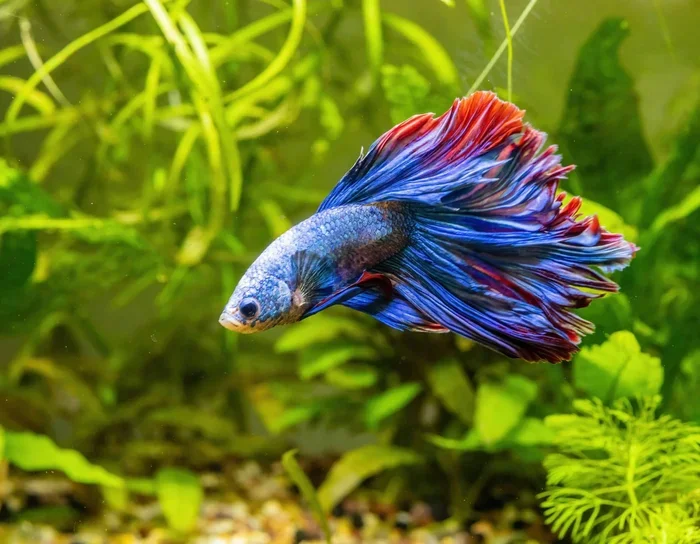
Before you set up a tank, it helps to understand what makes bettas unique. These fish originally come from the warm, shallow waters of Southeast Asia. They are known for their long, flowing fins and bright colors. Each betta has its own personality. Some are curious and active. Others are more relaxed and shy.
Bettas are also called “Siamese fighting fish” because males tend to be aggressive toward each other. You should never keep two male bettas in the same tank. They will fight and can seriously injure each other. Female bettas can sometimes live together in groups, but that requires careful planning. Knowing your fish’s behavior helps you create a better home for it.
### Why Proper Care Matters
A well-cared-for betta fish will display vivid colors and energetic swimming. A neglected betta, on the other hand, will become dull and lethargic. Poor conditions can lead to serious health problems. These include fin rot, ich, and bacterial infections. Taking the time to learn betta fish care basics prevents most of these issues.
## Setting Up the Perfect Tank
The foundation of good betta care is the tank itself. Many people buy tiny bowls or vases for their bettas. While bettas can survive in small spaces, they thrive in larger ones. A tank size of at least 5 gallons is the recommended minimum. This gives your fish room to explore and stay active.
### Tank Setup Essentials
Here is what you need to set up a proper betta tank:
- Tank: 5 gallons or larger
- Heater: Maintains water temperature between 76°F and 82°F
- Filter: A gentle sponge filter works best for bettas
- Substrate: Soft gravel or sand
- Decorations: Plants, caves, and hiding spots
- Thermometer: To monitor water temperature
Bettas prefer calm water, so avoid strong filters that create heavy currents. A sponge filter provides gentle filtration without stressing your fish. Adding live plants not only looks beautiful but also improves water quality. Plants give your betta places to hide and explore, which reduces stress.
### Water Temperature and Parameters
Temperature plays a huge role in your betta’s health. The ideal range is between 76 and 82 degrees Fahrenheit. If the water gets too cold, your betta can become sluggish and prone to illness. An aquarium heater helps maintain a stable temperature. Use a thermometer to check it daily.
Water parameters also matter. The pH level should stay between 6.5 and 7.5. Ammonia and nitrite levels should always be zero. Nitrate should be below 20 ppm. Testing your water regularly with a simple kit keeps everything in check. Clean, stable water is the single most important factor in how to take good care of betta fish.
## Feeding Your Betta Fish the Right Way
Feeding your betta might seem straightforward, but it is easy to get wrong. Many owners overfeed their fish, which leads to health problems and dirty water. Bettas are carnivores by nature. They need a protein-rich diet to stay healthy and colorful.
### What to Feed Your Betta
High-quality betta pellets should form the base of your fish’s diet. Look for pellets with fish meal as the first ingredient. You can also offer frozen or live foods as treats. Bloodworms, brine shrimp, and daphnia are excellent choices. These foods mimic what bettas would eat in the wild.
Here is a simple feeding schedule:
- Feed small amounts twice a day
- Give only what your betta can eat in two minutes
- Skip one feeding day per week to aid digestion
- Offer frozen or live treats two to three times a week
Overfeeding causes bloating, constipation, and poor water quality. Uneaten food decays quickly and raises ammonia levels. If you notice your betta leaving food behind, reduce the portion size. A betta fish diet that is balanced and moderate keeps your fish energetic and vibrant.
## Maintaining Water Quality
Clean water is the backbone of betta fish health. Even with a good filter, you need to perform regular maintenance. Dirty water leads to stress, disease, and a shorter lifespan. Keeping up with a simple routine makes a big difference.
### Water Change Schedule
For a 5-gallon tank, you should change about 25 to 30 percent of the water every week. For larger tanks, a 20 percent weekly change works well. Always use a gravel vacuum to remove debris from the substrate. This removes waste buildup that filters alone cannot handle.
When adding new water, make sure it is the same temperature as the tank water. Sudden temperature changes stress your fish. Use a water conditioner to remove chlorine and chloramine from tap water. These chemicals are harmful to bettas even in small amounts.
### Quick Tips for Water Maintenance
- Test water parameters weekly with a liquid test kit
- Never replace 100 percent of the water at once
- Rinse filter media in old tank water, not tap water
- Wipe down the tank glass to remove algae buildup
- Keep a consistent maintenance schedule
If you follow these steps, your fish tank maintenance routine will become second nature. Your betta will reward you with bright colors and lively behavior.
## Keeping Your Betta Fish Healthy
Even with the best care, bettas can sometimes get sick. Knowing the signs of common illness helps you act quickly. Early treatment often leads to a full recovery.
### Common Betta Fish Diseases
The most common health issues bettas face include fin rot, ich, and velvet disease. Fin rot causes the edges of the fins to look ragged or discolored. It is usually caused by poor water quality. Ich appears as white spots on the body and fins. It spreads quickly but is treatable. Velvet disease gives the fish a golden or rusty coating. It is more serious but manageable with proper medication.
If you notice any of these symptoms, act fast. Check your water parameters first. Often, a water change alone can resolve mild issues. For persistent problems, consider using medication. You can care for sick betta fish effectively if you catch problems early.
### Creating a Stress-Free Environment
Stress weakens your betta’s immune system and makes it vulnerable to disease. A well-decorated tank with plenty of hiding spots helps your fish feel safe. Avoid placing the tank in high-traffic areas where it gets bumped frequently. Keep the lights on a regular schedule, about 8 to 10 hours a day. Too much light encourages algae growth and disrupts your fish’s sleep cycle.
Also, avoid tapping on the glass or startling your fish. Bettas can become frightened by sudden movements and loud noises. A calm, stable environment goes a long way in keeping your betta healthy and happy.
### When to Seek Help
Sometimes home treatment is not enough. If your betta stops eating, stays at the bottom of the tank, or shows signs of rapid decline, it may be time to consult a vet. Not all veterinarians treat fish, so look for an exotic animal specialist. You can also find online communities where experienced hobbyists offer advice.
## Common Mistakes to Avoid
Learning from other people’s mistakes can save you a lot of trouble. Here are the most common errors new betta owners make:
- Keeping bettas in bowls smaller than 3 gallons: This limits movement and causes stress.
- Skipping water changes: Even the best filter cannot remove all waste buildup.
- Overfeeding: Excess food decays and pollutes the water fast.
- Using cold water without a heater: Bettas need warm, stable temperatures.
- Adding aggressive tank mates: Bettas need peaceful companions at most.
Avoiding these mistakes puts you ahead of most beginners. A little knowledge and consistent effort make all the difference.
## Expert Insights on Betta Fish Care
Experienced fish keepers often share one key piece of advice: observe your fish daily. Spending a few minutes each day watching your betta helps you notice changes early. You will learn what normal behavior looks like. Then you can spot when something is off.
Another expert tip is to cycle your tank before adding your betta. Cycling builds beneficial bacteria that break down harmful toxins. This process takes about four to six weeks. While it takes patience, a cycled tank provides the safest environment for your fish.
Many keepers also recommend adding Indian almond leaves to the tank. These leaves release natural compounds that can boost your betta’s immune system. They also lower the pH slightly, which many bettas prefer. It is a simple, natural way to enhance your fish’s environment.
## Key Takeaways
Key Takeaways
- Tank Size Matters: A minimum 5-gallon tank gives your betta room to swim and stay healthy.
- Water Quality Is Critical: Regular water changes and proper filtration keep your betta safe from illness.
- Feed Moderately: Overfeeding is one of the most common mistakes betta owners make.
- Watch for Warning Signs: Early detection of disease saves lives and reduces treatment costs.
- Keep the Environment Stress-Free: Plants, hiding spots, and stable temperatures boost your betta’s well-being.
Key Takeaways
- Start with a 5-gallon tank or larger: More space means a healthier, happier betta.
- Maintain stable water temperature and quality: Use a heater and perform weekly water changes.
- Feed a balanced, protein-rich diet: Avoid overfeeding to prevent health and water issues.
- Watch for signs of illness: Early detection leads to faster treatment and better outcomes.
- Create a stress-free habitat: Plants, hiding spots, and calm surroundings make a big difference.
- Avoid common mistakes: Skip the tiny bowls, never skip water changes, and always use a heater.
## Conclusion
How to take good care of betta fish comes down to a few simple but consistent habits. Provide a clean, warm tank with plenty of space. Feed a quality diet in moderate amounts. Watch for signs of illness and act quickly. Your betta fish will thrive when these basics are in place.
Remember, every fish is different. Pay attention to your individual betta’s needs and adjust your care routine as needed. The effort you put in will be rewarded with a beautiful, active companion that brings joy to your home. Start applying these tips today, and you will see the difference in your betta’s health and happiness.
## Frequently Asked Questions
What is the minimum tank size for a betta fish?
A 5-gallon tank is the recommended minimum for a single betta fish. While bettas can survive in smaller containers, they thrive and live longer in larger tanks with stable water conditions.
How often should I feed my betta fish?
Feed your betta twice a day with small amounts. Only give what your fish can eat within two minutes. Skipping one feeding day per week helps with digestion and prevents overfeeding.
Can betta fish live with other fish?
Betta fish can sometimes live with peaceful, non-aggressive species. However, avoid keeping two male bettas together. Always research tank mates carefully before adding them to your betta’s home.
What temperature should a betta fish tank be?
The ideal water temperature for betta fish is between 76 and 82 degrees Fahrenheit. Use an aquarium heater to maintain a stable temperature and a thermometer to monitor it daily.
How do I know if my betta fish is sick?
Watch for signs like faded colors, clamped fins, loss of appetite, white spots, or staying at the bottom of the tank. These can indicate illness. Check water parameters and act quickly if you notice any symptoms.
Do betta fish need a filter?
Yes, a filter helps maintain clean water by removing waste and toxins. Choose a gentle sponge filter, as bettas prefer calm water and strong currents can stress them out.
Frequently Asked Questions
What is how to take good care of betta fish?
how to take good care of betta fish is an important topic with many practical applications.