Why Is My Betta Fish Making a Bubble Nest

Seeing a bubble nest in your betta’s tank is a natural, exciting behavior that often signals breeding readiness or good health. Understanding the reasons behind the nest, how to support it, and when to intervene can keep your finned friend thriving.
Key Takeaways
- Breeding instinct: Bubble nests are primarily a sign that a male betta is ready to mate.
- Water quality matters: Clean, warm, and slightly acidic water encourages nest building.
- Tank setup helps: A calm surface, proper lighting, and a lid prevent the nest from being disturbed.
- Not always a problem: A nest alone doesn’t mean something is wrong; it’s often normal behavior.
- Watch for stress signals: If the nest is sparse or the fish is lethargic, check parameters and health.
- Encourage or discourage: You can guide breeding or stop nesting by adjusting temperature and tank conditions.
- Helpful resources: Further reading on related topics can deepen your betta‑care knowledge.
📑 Table of Contents
- Introduction: The Mystery of the Bubble Nest
- 1. What Is a Bubble Nest and How Is It Made?
- 2. Why Do Betta Fish Build Bubble Nests?
- 3. Ideal Conditions That Encourage Nest Building
- 4. How to Support a Healthy Nest (And When to Intervene)
- 5. Breeding Basics: Turning a Nest Into Fry
- 6. Common Misconceptions and FAQs
- Conclusion: Embrace the Bubbles
Introduction: The Mystery of the Bubble Nest
If you’ve ever watched a male betta fish puff out tiny bubbles and arrange them into a floating dome, you’ve probably wondered, why is my betta fish making a bubble nest? It’s a behavior that looks both whimsical and purposeful, and for many hobbyists it’s the first sign that their fish might be ready to breed.
In this article we’ll break down the science behind bubble nests, explore the conditions that trigger them, and give you practical tips to keep your betta healthy—whether you want a baby‑making frenzy or just a calm tank. We’ll keep the tone friendly and the sentences short, so you can read it like a chat with a fellow fish lover.
1. What Is a Bubble Nest and How Is It Made?
The basic anatomy of a nest
A bubble nest is a collection of foam‑filled bubbles that a male betta gathers at the water’s surface. The bubbles are coated with a thin layer of mucus from the fish’s mouth, which makes them sticky and able to cling together.

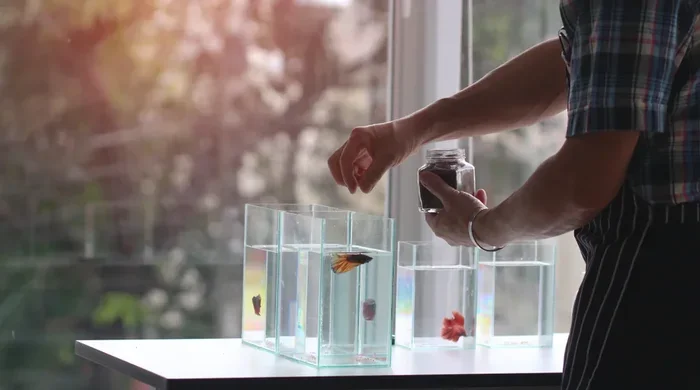
Visual guide about Why Is My Betta Fish Making a Bubble Nest
Image source: kaya.in
Step‑by‑step construction
- Surface breathing: The male gulps air at the surface and releases it through its mouth.
- Mucus coating: As the air passes, a mucus film coats each bubble.
- Placement: The fish nudges the bubbles toward the middle of the tank, building a dome.
- Maintenance: Over the next few days the male adds more bubbles, repairs any that pop, and keeps the nest tidy.
The result is a fluffy, often circular structure that can be as small as a pea or as large as a golf ball, depending on the fish’s size, age, and enthusiasm.
2. Why Do Betta Fish Build Bubble Nests?
Breeding instinct
The primary reason is reproduction. In the wild, male bettas protect a territory of still water, build a nest, and lure a female to lay eggs. Once the eggs are deposited, the male guards the nest, keeps the bubbles aerated, and fans the eggs until they hatch.
Health indicator
A healthy, unstressed male will often build a nest when water conditions are right. If your betta suddenly stops making a nest, it could signal stress, illness, or unsuitable water parameters. For more on that, read our article on why did my betta fish stop making a bubble nest.
Territorial behavior
Even without a female present, the nest can serve as a “home base” that the male defends against other males or perceived intruders.
3. Ideal Conditions That Encourage Nest Building
Temperature
Betta fish thrive at 76‑82°F (24‑28°C). Raising the temperature to the upper end of this range mimics breeding season and often triggers nest building.
Water chemistry
- pH: Slightly acidic to neutral (6.5‑7.5) is best.
- Hardness: Soft water (under 8 dGH) is preferred.
- Ammonia/Nitrite: Must be zero; even low levels can suppress nesting.
Lighting
Moderate lighting (8‑10 hours a day) stimulates activity without causing stress. Too bright can make the fish hide; too dim may reduce nest effort.
Tank environment
- Surface calmness: Avoid strong currents or filters that churn the top layer.
- Lid or cover: Prevents the nest from being blown away and keeps the fish from jumping.
- Plants and decorations: Provide hiding spots but keep the center of the tank open for nest construction.
Following these guidelines often yields a beautiful, sturdy nest within a day or two.
4. How to Support a Healthy Nest (And When to Intervene)
Feeding tips
High‑protein foods such as brine shrimp, daphnia, or quality betta pellets give the male the energy needed to blow bubbles. Feed small amounts 2‑3 times daily.
Water changes
Partial water changes (20‑30% weekly) keep parameters stable. Use water that’s the same temperature as the tank to avoid shocking the fish.
When to step in
- Sparse or collapsing nest: Check temperature, pH, and ammonia.
- Fish looks lethargic: Look for signs of disease—white spots, frayed fins, loss of color.
- Excessive bubble blowing without nest formation: May indicate stress; reduce lighting and ensure the water is clean.
If you suspect illness, compare symptoms with our guide on why is my betta fish hiding and consider a quarantine.
5. Breeding Basics: Turning a Nest Into Fry
Introducing a female
When the nest is firm, you can add a healthy female in a separate container (a breeding cup) placed inside the tank. The male will display his fins and flare his colors to attract her.
Spawning process
- The female approaches the nest and releases eggs.
- The male fertilizes each egg as it falls.
- He gathers the eggs in his mouth and returns them to the nest.
- He continues to fan and guard the nest for 3‑5 days.
After the fry are born
Once the fry hatch (usually 24‑36 hours), the male’s job is done. Gently remove him to prevent cannibalism, and move the fry to a rearing tank with fine‑sifted fry food.
6. Common Misconceptions and FAQs
“My betta is just blowing bubbles, not making a nest.”
Bubble blowing is a normal behavior; if the bubbles aren’t clustering, the fish may be stressed or the water surface too turbulent. See why is my betta fish making bubbles for more details.
“Can I stop the nest if I don’t want to breed?”
Yes. Lower the temperature a few degrees and reduce lighting. This signals the fish that it’s not breeding season, and the nest will gradually disappear.
“Is a bubble nest a sign of a sick fish?”
Not usually. A healthy nest is a good sign. However, a weak or incomplete nest can indicate poor water quality or stress, so test your water.
“Do females ever build nests?”
No. Only males construct bubble nests. Females may display other courtship behaviors, but they do not create nests.
Conclusion: Embrace the Bubbles
Seeing a bubble nest is one of the most rewarding moments for a betta owner. It tells you that your fish is comfortable, healthy, and possibly ready to start a new generation. By keeping the water clean, temperature steady, and providing a calm surface, you give your betta the perfect stage to showcase this natural talent.
Whether you plan to breed or simply admire the floating dome, understanding why is my betta fish making a bubble nest helps you become a more confident caretaker. Keep an eye on the nest’s condition, monitor water parameters, and enjoy the beautiful display of nature right in your living room.
Frequently Asked Questions
Why does my betta make a bubble nest without a female?
Male bettas often build nests as part of their natural breeding instinct, even if no female is present. It’s a sign they feel comfortable and ready.
How long does it take for a betta to finish a nest?
Most males complete a decent nest in 24‑48 hours if conditions are right. They will keep adding bubbles for a few days.
Can poor water quality stop nest building?
Yes. High ammonia, incorrect pH, or strong surface currents can discourage a male from making a nest.
Should I remove the nest if I don’t want breeding?
It’s not necessary to remove it, but lowering temperature and dimming lights will cause the fish to abandon the nest naturally.
What should I feed a nesting male?
Offer high‑protein foods like brine shrimp, bloodworms, or quality betta pellets several times a day to give him energy.
Is it normal for a betta to build multiple nests?
Yes. A male may start a new nest if the first one is disturbed or if he becomes more excited about breeding.