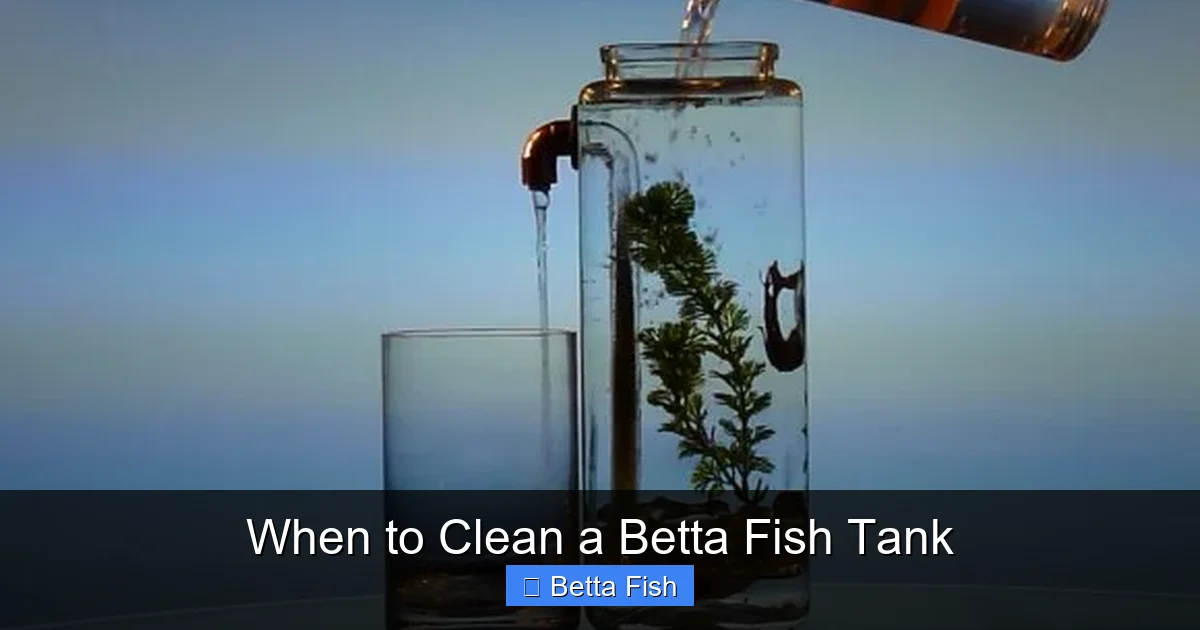
When to Clean a Betta Fish Tank
Cleaning your betta’s tank at the right frequency is non-negotiable for its health. Unlike common myth, bettas need more than just a weekly water top-off. A proper schedule involves partial water changes, substrate vacuuming, and filter maintenance based on your specific tank setup, not a rigid calendar. Ignoring this leads to toxic ammonia, stressed fish, and disease. This guide provides the exact when, why, and how for every component of your betta’s aquatic home.
Key Takeaways
- There is no universal “once a week” rule: Your cleaning schedule depends entirely on tank size, filtration, feeding habits, and number of fish.
- Water changes are the cornerstone: Partial water changes (25-50%) are needed 1-2 times per week to dilute toxins and replenish minerals.
- The substrate must be vacuumed: Waste and uneaten food settle into the gravel, creating ammonia hotspots that must be siphoned during each water change.
- Filters need gentle, infrequent cleaning: Never use tap water on filter media. Rinse it in old tank water once a month or when flow significantly decreases.
- Observe your tank daily: The best indicator is your betta’s behavior and water clarity. Cloudy water, algae growth, or a lethargic fish signal it’s time.
- Never do a 100% water change or clean everything at once: This destroys beneficial bacteria colonies and crashes the nitrogen cycle, harming your betta.
- Water conditioner is mandatory: Always treat tap water with a dechlorinator before it touches your fish or beneficial bacteria.
📑 Table of Contents
- Why Cleaning Your Betta’s Tank Isn’t Optional—It’s Essential
- Understanding Your Betta’s Unique Needs (It’s Not Just About the Fish)
- The Cleaning Schedule: A Practical, Customizable Framework
- The Step-by-Step: How to Perform a Perfect Water Change
- Common Cleaning Mistakes That Harm Your Betta
- Special Situations: When You Need to Clean *Now*
- Conclusion: Cleaning as Care, Not Chore
Why Cleaning Your Betta’s Tank Isn’t Optional—It’s Essential
Let’s start with a hard truth: the beautiful, serene betta fish gliding in its tiny bowl on a shelf is a myth born from marketing, not biology. Bettas are intelligent, curious, and hardy survivors from the shallow, warm rice paddies of Southeast Asia. But that natural habitat is a dynamic, filtered ecosystem—not a stagnant glass of water. When we confine them to a tank, we become the entire ecosystem manager. Cleaning that tank isn’t about aesthetics; it’s about life support.
The core reason for regular cleaning is the nitrogen cycle. Your betta breathes oxygen and excretes ammonia. Uneaten food and decaying plant matter also produce ammonia. In a cycled tank, beneficial bacteria (nitrifiers) convert toxic ammonia into nitrite, and then another bacteria converts nitrite into far less toxic nitrate. But this cycle has a limit. Without intervention, ammonia and nitrite spike, poisoning your fish and burning its gills. Nitrate, while less immediately toxic, accumulates and causes long-term stress, weakened immunity, and fin rot. Cleaning—specifically, partial water changes—dilutes these toxins, resets parameters, and removes solid waste the filter can’t catch.
The Domino Effect of a “Dirty” Tank
It’s helpful to think of your tank as a series of interconnected dominoes. Neglecting the substrate allows fish waste to decompose, spiking ammonia. High ammonia stresses your betta, suppressing its immune system. A stressed betta is far more susceptible to common diseases like Ichthyophthirius multifiliis (Ich) or fin rot. Poor water quality also directly irritates a betta’s magnificent, delicate fins, causing tearing and inflammation. Furthermore, decaying matter consumes oxygen, making it harder for your betta to breathe. The cloudy water you see isn’t just unsightly; it’s a bacterial bloom often fueled by excess nutrients from waste. The chain reaction starts with poor maintenance and ends with a suffering fish. Your cleaning schedule is the hand that stops those dominoes from falling.
Understanding Your Betta’s Unique Needs (It’s Not Just About the Fish)
To determine when to clean a betta fish tank, you must look at the entire system, not just the occupant. A betta in a 2.5-gallon unfiltered vase has vastly different needs than one in a 10-gallon filtered community tank. The primary variables are tank volume, filtration, feeding, and tankmates.
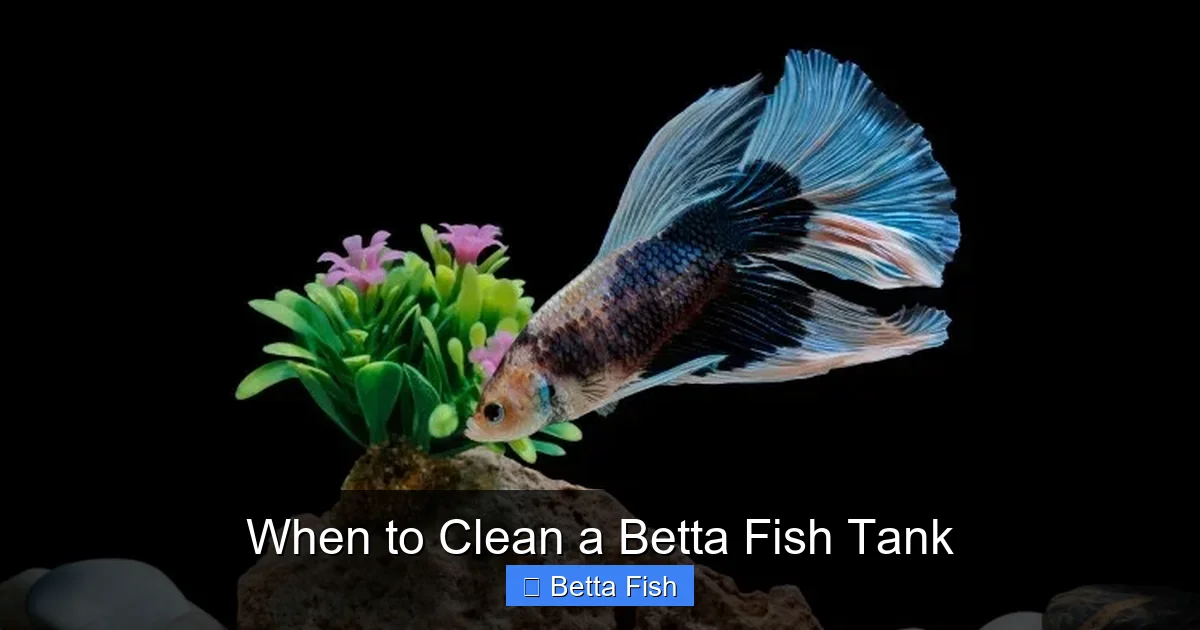
Visual guide about When to Clean a Betta Fish Tank
Image source: modestfish.b-cdn.net
Tank Size: The Golden Rule of Dilution
This is the single most important factor. A larger volume of water dilutes toxins more effectively. A 1-gallon bowl will see ammonia and nitrate levels skyrocket within days after a single feeding. A 5-gallon tank with a filter provides a much more stable environment. As a minimum baseline for a filtered tank, a single betta should have at least 5 gallons. Unfiltered setups require extremely frequent (often daily) water changes and are not recommended for新手 beginners. For every gallon you add, you gain a buffer against rapid water parameter shifts, meaning slightly less frequent, but still regular, maintenance.
Filtration: Your Silent Partner (and Complication)
A filter is not a set-and-forget device. Its job is to mechanically trap solid debris (like uneaten food) and provide surface area for beneficial bacteria to grow (biological filtration). However, the mechanical media (sponges, filter floss) clogs, and the bacterial colonies need a consistent flow of oxygenated water and ammonia to thrive. A clogged filter reduces water flow, starves bacteria of oxygen, and allows debris to break down in the tank instead of being captured. This makes filter cleaning a critical, but delicate, part of your schedule.
Feeding Habits: You Are What You Eat (Your Tank Is Too)
Bettas are carnivores. Overfeeding is the #1 cause of poor water quality in small tanks. A betta’s stomach is roughly the size of its eye. Two to three high-quality pellets, once or twice a day, is sufficient. Any more is waste. That uneaten food sinks, decays, and fuels the nitrogen cycle uncontrollably. If you consistently overfeed, you must clean more frequently. Use a feeding schedule and observe your betta eat. Remove any uneaten food with a turkey baster or net within 5 minutes.
Tankmates: Adding Bioload
While bettas are often kept alone (and that’s safest), some peaceful tankmates like snails or ghost shrimp are possible. Each living creature adds to the “bioload”—the amount of waste produced. A single nerite snail produces a surprising amount of waste. If you add a cleanup crew, you are increasing the nutrient load in the water, necessitating slightly more frequent water changes and vacuuming.
The Cleaning Schedule: A Practical, Customizable Framework
Now, the meat of the matter. Instead of a rigid “clean every Saturday” rule, use this framework and adjust based on your observations. Think in terms of tasks with different frequencies.
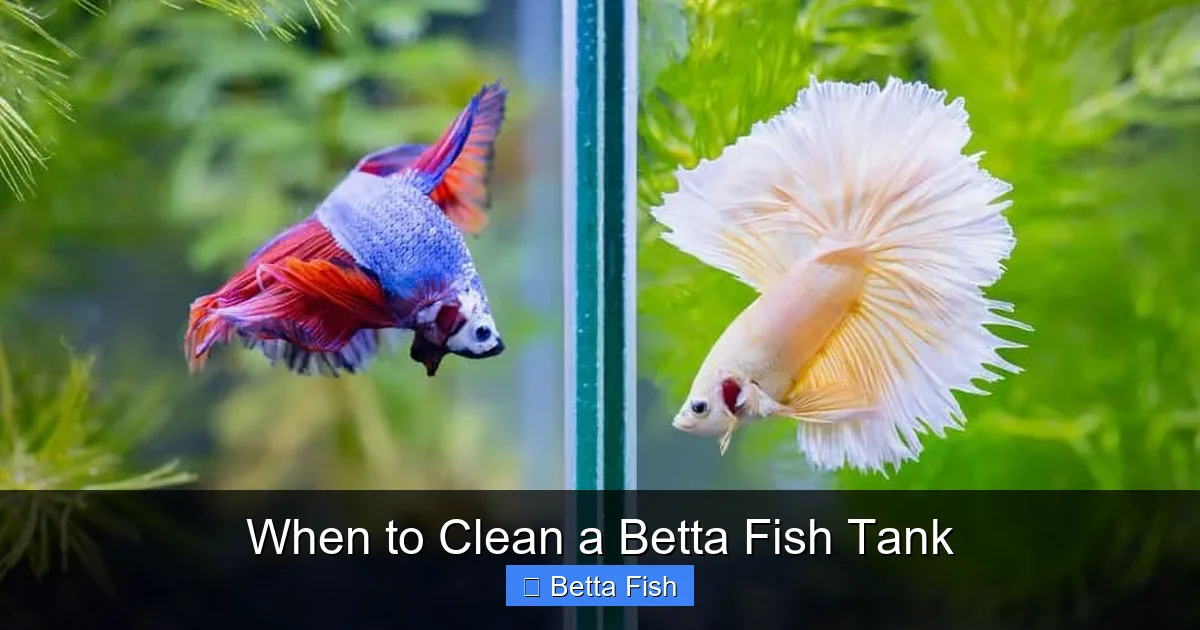
Visual guide about When to Clean a Betta Fish Tank
Image source: fishtankmaster.com
Daily & Weekly Checks (The 2-Minute Habit)
Before you even pick up a siphon, daily observation is your most powerful tool. Spend 60 seconds looking at your tank each day. Is your betta active? Are its fins full and flowing, or clamped tight? Is it gulping air at the surface (a sign of poor water quality or a lack of oxygen)? Is the water crystal clear, or cloudy, or developing a film? Check the temperature. Is your filter flowing at its normal rate? These quick checks tell you if your tank is in balance or if an unscheduled intervention is needed.
The core weekly task is the partial water change. For a filtered 5-gallon tank with a single betta, a 25-30% water change once a week is a solid starting point. For a 10-gallon, you might stretch to 25% every 10-14 days, but weekly is still ideal. For an unfiltered tank under 3 gallons, you are looking at 50% changes every other day or even daily. The goal is to keep nitrate levels below 20 ppm (parts per million) consistently.
Monthly & As-Needed Tasks
Substrate Vacuuming: This should be done during every water change. You are not just removing water; you are cleaning the gravel bed. Push the vacuum into the substrate, stirring it gently to release trapped waste. Don’t vacuum the entire tank floor in one go; do sections over a few changes to avoid disturbing beneficial bacteria too much. If you have sand, hover the vacuum just above it to avoid sucking it up.
Filter Maintenance: This is done much less frequently—typically once a month, or when you notice a significant drop in water flow. This is critical: Never, under any circumstances, rinse your filter media under a tap of chlorinated water. You will annihilate your bacterial colony. Instead, turn off the filter and take the media (sponges, bio-balls, ceramic rings) out. Gently squeeze and rinse them in a bucket with the old tank water you just siphoned out. This water contains the bacteria you need to keep. If the media is falling apart or truly cannot be cleaned, replace only half of it at a time, and rinse the new media in tank water first.
Glass & Decor: Algae is a natural occurrence, fueled by light and nutrients. A little is fine, but a thick coat blocks light and looks bad. Use a magnetic algae scraper or a clean, dedicated razor blade (for glass only) to remove it during water changes. Never use soap or chemicals. For hard water spots on the outside, use a vinegar-water solution on a soft cloth. Decor can be scrubbed with a soft toothbrush in old tank water if it gets overly slimy.
The Step-by-Step: How to Perform a Perfect Water Change
Knowing when is useless without knowing how. A poorly done water change can do more harm than good. Here is the safe, stress-free protocol.
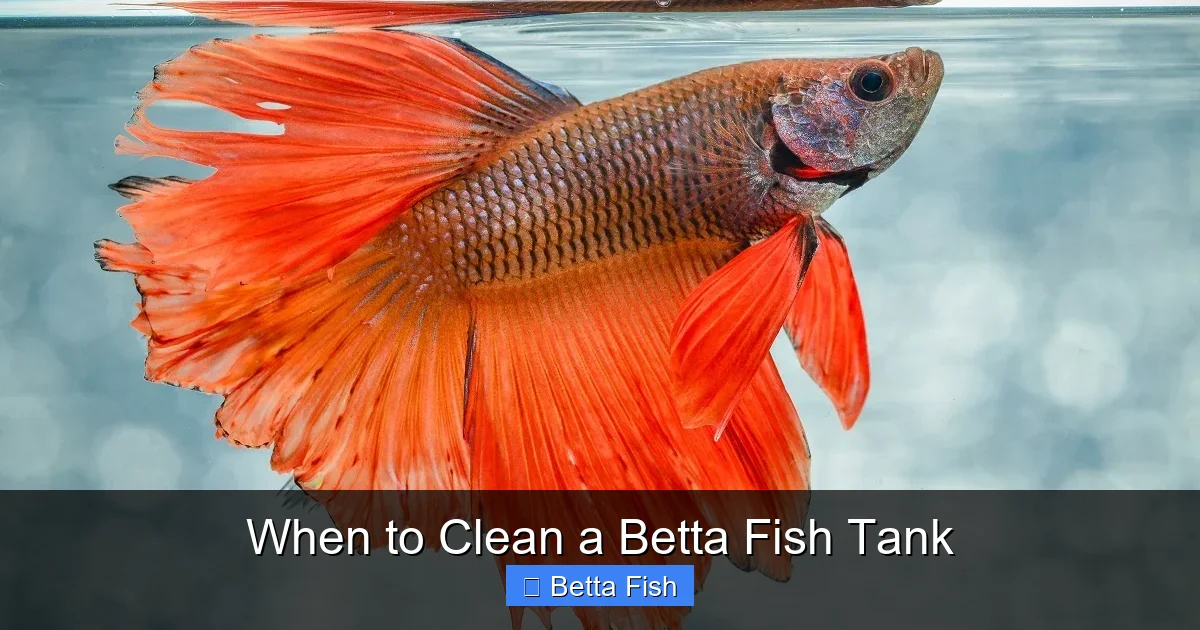
Visual guide about When to Clean a Betta Fish Tank
Image source: fishlab.com
Gather Your Tools (The Betta First-Aid Kit)
Before you touch anything, have everything ready. You’ll need: a dedicated gravel vacuum/siphon (Python brand is popular, but a simple hand pump works), a clean bucket (never used for anything else), a water conditioner/dechlorinator (like Seachem Prime), a thermometer, and a towel. Your betta’s health depends on this preparation.
The Process: Slow, Steady, and Safe
- Condition the Water First: Fill your clean bucket with tap water. Add the correct dose of water conditioner immediately, as per the bottle instructions. This neutralizes chlorine, chloramines, and heavy metals. Let it sit while you set up. If your tap is very cold, you may need to warm this water slightly with an aquarium heater to match the tank temperature (within 1-2 degrees).
- Start the Siphon: Place the gravel vacuum into the tank. If using a hand pump, get the water flowing. Gently insert the vacuum’s end into the substrate. Move it slowly through the gravel, lifting it slightly to suck out the debris trapped between the rocks. You’ll see a cloud of brownish waste being pulled into the tube. Focus on areas with visible debris, under decorations, and near the filter outlet where waste accumulates. Siphon out no more than 25-50% of the tank’s total water volume into your bucket.
- Remove the Old Water: Once you’ve vacuumed the desired area, place the end of the siphon into your waste bucket and let it drain. Do not overfill the bucket.
- Leave the Fish Alone: There is no need to remove your betta for a partial water change. The disturbance is minimal, and chasing it causes extreme stress. Just be careful not to bump it with the vacuum.
- Add the New Water: This is the most important step. Do NOT dump the new water in forcefully. Place a clean cup or your hand in the tank and gently pour the conditioned, temperature-matched water onto your hand or the cup, allowing it to overflow and slowly enter the tank. This prevents shocking the fish with a sudden current or temperature change and protects your substrate from being disturbed.
- Clean Up: Wipe any spilled water from the outside of the tank and floor. Turn your filter back on if you turned it off.
Pro Tip: If you have live plants, you can gently rinse their roots in the old tank water you’re removing to get off any detritus.
Common Cleaning Mistakes That Harm Your Betta
Good intentions can lead to bad outcomes. Here are the cardinal sins of betta tank maintenance.
The Tank Strip-Down
This is the most damaging mistake. New owners, wanting to do a “deep clean,” will empty the entire tank, scrub every surface with soap (or even just a scrub pad), replace all the substrate, and start fresh with brand-new, unconditioned water. This destroys the entire colony of beneficial bacteria that has taken weeks to establish. The result is “new tank syndrome” all over again—a spike in ammonia and nitrite that can kill your betta within hours or days. Never clean all the filter media and all the gravel at the same time. Always leave some “dirty” media and some uncleaned gravel to seed the new cycle.
Using Tap Water on Filter Media
Reiterating: tap water contains chlorine/chloramines that will kill the beneficial bacteria living on your filter sponge and bio-media. This effectively turns your filter from a biological powerhouse into a mechanical garbage disposal. Always, always, always rinse filter media in old tank water.
Skipping the Gravel Vacuum
Many owners think that if the water looks clear, the tank is clean. This is false. The worst pollutants are hidden in the substrate. A clear tank can still have a massive ammonia-producing waste pile buried under the gravel. Vacuuming is non-negotiable.
Over-Cleaning the Glass
A thin, harmless biofilm on the glass is actually beneficial, hosting good bacteria. Scouring it to a sterile shine removes this biofilm. Focus only on the areas where algae is visibly thick. A little “tint” or biofilm on the back glass is perfectly fine and even desirable for a natural look.
Incorrect Water Temperature & Conditioning
Adding cold tap water shocks a tropical betta’s system. Adding hot tap water can scald it. Always match the new water temperature to the existing tank water. And never, ever skip the water conditioner. Even if your tap looks and smells fine, it contains lethal chlorine/chloramines that will kill your fish and bacteria within minutes.
Special Situations: When You Need to Clean *Now*
Your scheduled maintenance is your baseline. But sometimes, an emergency cleaning is required. These are the red flags that mean drop everything and perform a partial water change.
Water Quality Emergencies
- Cloudy, Smelly Water: A sudden bacterial bloom (cloudiness) or a distinct rotten egg smell (hydrogen sulfide from anaerobic pockets in deep substrate) means decay is rampant. Perform a 25-30% water change immediately and vacuum the substrate thoroughly.
- Visible Algae Bloom: If the water is green with suspended algae (a “green water” outbreak), it’s a sign of excess light and nutrients. Perform a 30-50% water change, reduce lighting duration, and check for overfeeding. A blackout (covering the tank for 3-5 days) can help, but a water change is the first step.
- After Medication: If you’ve treated your betta for illness, the medication may have killed beneficial bacteria. Follow up with extra water changes to remove medication residues and help re-establish the cycle.
Betta Health Emergencies
- Lethargy & Clamped Fins: If your normally active betta is listless, hiding, and holding its fins tight, test your water immediately. Chances are ammonia or nitrite is spiking. A 50% water change is the first and most important treatment.
- After a Power Outage: If the filter stopped for more than 4-6 hours, oxygen levels drop and ammonia can start to accumulate. Once power returns, perform a 25% water change to dilute any buildup that occurred.
- Overfeeding Incident: Did you accidentally dump a whole pinch of food? Remove as much as you can with a net or turkey baster immediately, and plan a water change within the next 24 hours to handle the inevitable waste spike.
Conclusion: Cleaning as Care, Not Chore
Understanding when to clean a betta fish tank transforms maintenance from a dreaded task into a simple act of care. It’s about becoming a keen observer of your aquatic world. The schedule—weekly water changes, monthly filter rinses—is your foundation. But your daily 60-second checks are your guide. A slightly cloudy tank after a feeding frenzy needs a change sooner. A pristine tank with a thriving betta may be perfectly fine at 10 days. Let your fish and your water be your calendar.
Remember, you are the keeper of a delicate, beautiful cycle. By performing partial, thoughtful water changes, vacuuming the hidden waste, and tending to your filter with care, you are not just cleaning a tank. You are sustaining a life. You are providing the clean, stable water that allows your betta’s colors to blaze, its fins to flow like silk, and its curious personality to shine. That serene, healthy fish in a clear tank is the direct result of your informed, consistent attention. That’s the real reward.
Frequently Asked Questions
How often should I completely clean my betta’s tank?
You should never do a complete, 100% clean-out of a cycled tank. A full strip-down destroys the beneficial bacteria. Only perform a full clean if you are dismantling the tank for good. Your regular maintenance should consist of partial water changes (25-50%) and substrate vacuuming weekly or bi-weekly.
Can I use regular tap water to clean my betta tank or filter?
No. Tap water contains chlorine and chloramines that will kill the beneficial bacteria essential for a healthy cycle. Always use a water conditioner/dechlorinator on any new tap water going into the tank. For cleaning filter media, always rinse it in old tank water that you’ve removed during a water change, not in fresh tap water.
My betta’s water is cloudy. Should I clean the tank immediately?
Yes, a sudden cloudiness (a bacterial bloom) is a sign of an imbalance, usually from overfeeding or decaying matter. Perform a 25-30% water change and vacuum the substrate thoroughly. Reduce feeding for a few days and monitor water parameters. If cloudiness persists, test for ammonia and nitrite spikes.
Do I need to remove my betta during a water change?
No, you should not remove your betta for a standard partial water change (25-50%). The disturbance is minimal, and chasing/catching the fish causes far more stress than the water change itself. Simply be careful with your siphon and avoid bumping the fish.
How do I know if my filter needs cleaning?
The primary indicator is a noticeable reduction in water flow. If the output from your filter is much weaker than usual, the media is likely clogged with debris and needs a gentle rinse in old tank water. Never wait until the filter stops completely.
What’s the single most important thing to do during a water change?
The single most important step is to match the temperature of the new, conditioned water to the existing tank water (within 1-2 degrees Fahrenheit). A sudden temperature change is a severe shock to your betta’s system and can lead to illness or death. Always use a thermometer to check.