What Better for Fishing Walleye&panfish Braided Line or Mono
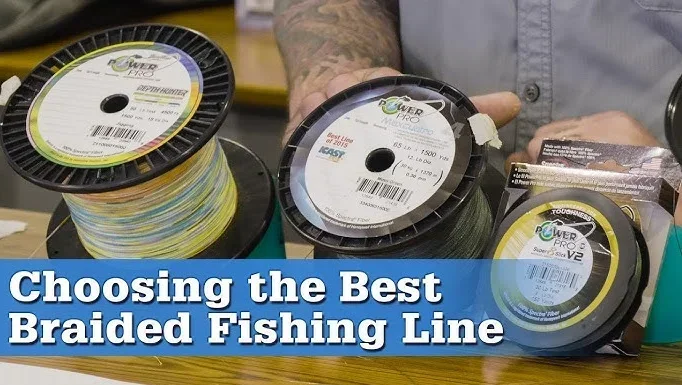
Choosing between braided line and monofilament (mono) for walleye and panfish depends on your fishing style, water conditions, and target species. Braided line offers superior sensitivity and strength but may spook cautious fish in clear water. Mono provides natural stretch and near-invisibility underwater. Let’s break down which line truly performs better.
Key Takeaways
- Sensitivity wins with braid: Braided line transmits bites more effectively, helping you detect subtle walleye and panfish strikes.
- Mono excels in clear water: Monofilament is less visible to fish, making it ideal for pressured or clear-water situations.
- Stretch matters: Mono stretches under load, acting as a shock absorber that reduces lost fish during sudden runs.
- Braided line lasts longer: Braid resists UV damage and abrasion better than mono, giving you more value over time.
- Match your line to conditions: Muddy water favors braid; crystal-clear lakes favor mono for best results.
- Knot strength is critical: Braid requires specialized knots to maintain full strength compared to mono’s simpler connections.
- Cost difference is real: Braided line typically costs more per yard, but its durability often makes it the better long-term investment.
📑 Table of Contents
- Why Line Choice Matters for Walleye and Panfish
- Braided Line: Pros and Cons for Walleye and Panfish
- Monofilament Line: Pros and Cons for Walleye and Panfish
- Braided Line vs Mono: Head-to-Head Comparison
- Best Line Choices Based on Fishing Conditions
- Final Verdict: Which Line Wins for Walleye and Panfish?
- Conclusion: Making the Right Choice for Your Fishing Trip
Why Line Choice Matters for Walleye and Panfish
If you have ever spent a quiet morning on the water watching your rod tip go still and wondered why the fish just were not bite, your fishing line might be the culprit. The line you tie up with is the direct connection between you and the fish. It is the one piece of fishing tackle that every single fish touches before you land it.
Walleye and panfish are two very popular freshwater fishing targets. Walleye are known for being picky and cautious. Panfish like bluegill, crappie, and sunfish are small but can be equally finicky. Both species demand a smart approach to fishing line selection. Picking the wrong one means missed bites, lost fish, and a lot of frustration.
In this guide, we will break down the real differences between braided line and monofilament line. We will look at how each performs for these specific species. By the end, you will know exactly which line gives you the best shot at landing more fish.
Braided Line: Pros and Cons for Walleye and Panfish
The Strengths of Braided Line
Braided fishing line has grown hugely popular over the past two decades. It is made from woven synthetic fibers, usually polyethylene. This construction gives it some real advantages on the water.
First, braid has incredible line sensitivity. Because it has almost zero stretch, every nibble, bump, and tick travels straight up the line to your hand. When you are fishing for walleye in deep structure or targeting panfish in heavy cover, that sensitivity is a huge plus. You feel things you would completely miss with other lines.
Second, braid is incredibly strong for its diameter. A 20-pound braid is much thinner than a 20-pound mono line. This means you can cast farther and feel less drag in the water. Casting distance improves noticeably with braid because the thin line cuts through the air better.
Third, braid has no line memory. Mono tends to coil and remember the shape of your spool over time. Braid stays loose and round. That means fewer frustrating tangles when you cast out.
Here are the key strengths of braided line summarized:
- Superior sensitivity for detecting light bites
- Higher strength-to-diameter ratio than mono
- No line memory for smoother casts
- Better abrasion resistance around rocks and structure
- Longer lifespan due to UV resistance
The Weaknesses of Braided Line
Now, braid is not perfect. It has some real drawbacks that matter when you are going after walleye and panfish.
The biggest issue is visibility. Braid is highly visible in clear water. Fish can see it. Walleye especially are known for being line-shy in pressured lakes. If the water is glass-clear, a bright braid can spook fish before they ever reach your bait. This is where you might want to check out whether clear or green fishing line is better for your situation.
Another problem is the lack of stretch. While sensitivity is great, that same zero-stretch quality means sudden runs and head shakes can snap your line or pull hooks free. Mono stretches like a rubber band and protects against those shock loads. Braid does not give you that safety net.
Braid also requires specialized knots. Standard clinch knots do not hold well on braid. You need knots like the Palomar or Uni knot to maintain full knot strength. This can be intimidating for newer anglers.
Monofilament Line: Pros and Cons for Walleye and Panfish
The Strengths of Mono
Monofilament has been the go-to fishing line for generations. It is made from a single plastic fiber, usually nylon. It remains a solid choice for walleye and panfish fishing for several good reasons.
The number one advantage is stretch. Mono typically stretches 25 to 30 percent under load. That stretch acts as a shock absorber. When a walleye makes a sudden run or a panfish slams your bait hard, the line gives. This reduces the chance of broken lines and lost fish. It also makes your setup more forgiving.
Mono is also much less visible underwater than braid. It has a slight refractive quality that makes it blend into the water column. For freshwater fishing in clear lakes and streams, this can make a big difference. Fish that have seen braided line before will sometimes refuse a bait tied on braid but happily attack the same bait on mono.
Cost is another factor. Mono is significantly cheaper than braid per yard. If you go through a lot of line tying new rigs and snapping backups, mono saves you real money. It is also easier to tie knots with, making it more beginner-friendly.
Key strengths of monofilament include:
- Natural stretch that protects against broken lines
- Low visibility in clear water
- Affordable pricing for budget-conscious anglers
- Easy knot tying with standard connections
- Buoyancy that helps suspend baits naturally
The Weaknesses of Mono
Mono does have its downsides. Over time, mono degrades from UV exposure. It also absorbs water, which weakens the line. If your mono has been sitting on a reel for a season or more, it may have lost much of its original line strength. Regular re-spooling is important.
Mono also has line memory. It coils up after sitting on a spool. This leads to backlash casts and reduced casting distance. You need to manage this by proper spooling techniques and occasional fresh line.
Thinner mono at higher pound-test can be stiff and hard to cast. A 10-pound mono line is noticeably thicker than a 10-pound braid. This limits your casting range and can make your presentation bulkier in deep water. If you want to learn more about line performance, our comparison of braided versus mono fishing line goes into deep detail on this topic.
Braided Line vs Mono: Head-to-Head Comparison
Let us put the two lines side by side so you can see the differences clearly. This fishing line comparison covers the factors that actually matter when targeting walleye and panfish.
| Factor | Braided Line | Monofilament Line |
|---|---|---|
| Sensitivity | Excellent, near-zero stretch | Moderate, some stretch dampens feel |
| Strength-to-Diameter | Superior, much thinner at same pound-test | Good, but thicker at same pound-test |
| Visibility | High, very visible in clear water | Low, blends well underwater |
| Stretch | None, all energy transfers directly | 25-30%, absorbs shock loads |
| Abrasion Resistance | Very good, especially with newer braids | Moderate, wears faster on rough structure |
| Knot Strength | Requires specialized knots | Holds well with basic knots |
| Cost | More expensive per yard | Budget-friendly |
| Line Memory | None, stays round and manageable | High, tends to coil over time |
| Durability | Long-lasting, UV resistant | Degrades with UV and water absorption |
Which Should You Pick for Walleye?
Walleye fishing often happens in deeper water with structure. You are drop-shotting, jigging, or trolling along rocky points. In these scenarios, sensitivity is king. You need to feel the soft bite of a walleye picking up a bait. For this reason, many experienced walleye anglers prefer braided line.
However, if you are fishing a pressured, clear-water lake where walleye have seen everything, mono might be your best bet. The invisibility of mono can make the difference between a follow and a hookup. Consider using mono as your main line and switching to braid when conditions are murkier or when you need maximum sensitivity.
Which Should You Pick for Panfish?
Panfish are often caught in shallow, weedy areas. Light tackle is the name of the game. Both lines can work, but braid shines here because its thin diameter lets you cast lightweight panfish lures farther. Ultra-light braid in the 4 to 8-pound range is fantastic for panfish. It lets you feel tiny bites on small jigs and worms.
That said, in heavily pressured ponds where panfish get line-shy, mono again has the edge. A 4-pound mono line is less visible than a 4-pound braid and performs well for spooky panfish in calm, clear water.
Best Line Choices Based on Fishing Conditions
Clear Water Fishing
When the water is clear enough to see the bottom, go with mono. Fishing line visibility matters most here. Walleye and panfish will spot braid easily and avoid it. A fluorocarbon leader attached to a braid main line is another great option that combines braid sensitivity with fluoro invisibility. This approach works very well for bottom fishing scenarios where you need to feel the bottom contact.
Muddy or Stained Water Fishing
When visibility is low, braid takes over. In stained water, fish cannot see your line anyway. You get all the benefits of braid without the visibility drawback. Target species like walleye stack up in muddy water and are actively feeding. Braid helps you detect their aggressive bites and pull them out of cover quickly.
Heavy Cover Fishing
Panfish love hiding in weeds and fallen timber. Braid’s thin diameter and strength let you pull fish out of thick spots without snapping. The line flexibility of braid combined with its abrasion resistance makes it ideal for bouncing jigs through wood and weeds. Mono can get snagged and cut up in heavy cover faster.
Long-Range Casting
If you need to reach distant spots, braid wins easily. Its thin profile and no-memory design let you cast lighter lures much farther. For walleye trolling or panfish casting across a large lake, braid helps you reach the spots where the fish actually are. This matters a lot when fishing performance depends on reaching deep structure or isolated weed beds.
Final Verdict: Which Line Wins for Walleye and Panfish?
There is no single “best” line for every situation. The real answer is that the best choice depends on your specific conditions and fishing style. Here is a simple rule of thumb to follow.
Use braided line when you need maximum sensitivity, are fishing stained water, or need to cast far with light lures. It is the better choice for most walleye anglers targeting deep structure and for panfish anglers who want to detect the lightest bites through heavy cover.
Use monofilament line when fishing clear, pressured water where visibility is a problem. Mono is also better for beginners who want easy knot tying and a forgiving setup that reduces lost fish from sudden runs. It is a great choice for panfish in calm ponds and for walleye in glass-clear lakes.
Many experienced anglers use both. They spool their reel with braid as the main line and attach a 2 to 4-foot fluoro or mono leader before the hook. This setup gives you braid sensitivity on the reel and near-invisibility at the point of the fish. That hybrid approach is hard to beat for fishing walleye and panfish in varied conditions.
Quick Tips for Getting the Most Out of Your Line
- Always check your line for nicks and wear before every trip. Damaged line costs you fish.
- Re-spool mono at least once per season. Old mono loses strength and becomes memory-heavy.
- When using braid, always attach a leader. Braid directly on a hook can be seen by fish and is harder to tie.
- Match your line strength to your rod and reel. Too heavy line on a light rod defeats the purpose of both.
- Store your line in a cool, dry place. Heat and sunlight break down both braid and mono over time.
- Test your knots. A weak knot is the most common reason for lost fish, regardless of line type.
Common Mistakes to Avoid
- Using braid alone in clear water: This almost always leads to spooked fish and missed bites. Always use a leader.
- Ignoring line condition: Old, sun-damaged line breaks when you need it most. Replace it regularly.
- Overloading your reel with too heavy line: Heavy line reduces sensitivity and casting distance. Use the lightest line that handles your target fish.
- Skipping the leader knot: Braid-to-hook connections need proper knots like the Palomar. Poor knots mean lost catches.
- Assuming thicker equals stronger: Modern braid is stronger than thick mono at the same pound-test. Trust the numbers and match the line to the species.
Expert Insights
Professional freshwater fishing guides who target walleye daily often lean toward braid as their primary line. They value the sensitivity too much to give it up. However, they almost always use a fluorocarbon or mono leader in clear conditions. This tells us that the best setup is rarely an either-or choice. It is a smart combination that plays to the strengths of each line type. Understanding line stretch and how it affects your ability to feel bites is one of the most important skills to develop as an angler.
Conclusion: Making the Right Choice for Your Fishing Trip
Choosing between braided line and monofilament for walleye and panfish is not about picking the “better” line overall. It is about picking the right line for the right moment. Braided line gives you unmatched sensitivity, strength, and casting distance. Monofilament gives you invisibility, stretch, and forgiveness. Both have a place in your tackle box.
Now that you understand how each line performs, you can make smarter decisions on the water. Pay attention to water clarity, fish behavior, and the type of structure you are fishing. Adjust your line accordingly. The anglers who catch the most walleye and panfish are the ones who adapt their gear to the conditions.
So next time you pack your fishing bag, consider what the water will demand. Bring both lines if you can. Switch between them based on what you see and feel. Your walleye and panfish will thank you with more bites and more fish on the stringer.
Frequently Asked Questions
Is braided line better than mono for walleye fishing?
Braided line is often better for walleye because its sensitivity helps you detect soft bites in deep water. However, in clear or pressured water, mono or a fluoro leader on braid works even better since it is less visible to wary walleye.
Can I use braided line for panfish?
Yes, braided line works very well for panfish, especially in stained water or heavy cover. Its thin diameter lets you cast lightweight lures farther, and its sensitivity helps you feel the tiny hits panfish give. Just make sure to use a lighter pound-test braid in the 4 to 8-pound range.
What is the best line for clear water walleye fishing?
Monofilament or fluorocarbon is the best choice for clear water walleye fishing. These lines are nearly invisible underwater, which matters when walleye are line-shy. You can also use braid as your main line with a fluorocarbon leader for the best of both worlds.
Does braided line cast farther than monofilament?
Yes, braided line casts farther than mono because it is thinner at the same pound-test and has no line memory. Its thin profile cuts through the air with less drag. For casting distance on longer reaches, braid gives you a clear advantage over mono.
Is mono or braid more durable for fishing around rocks?
Braided line is more durable and has better abrasion resistance than mono when fishing around rocks, shells, and rough structure. Mono tends to cut and wear down faster on hard surfaces. If you are fishing rocky points for walleye, braid holds up much longer under abuse.
How often should I replace my fishing line?
You should replace mono at least once per season because it degrades from UV exposure and water absorption. Braid lasts longer and can go through one or two seasons before needing replacement. However, always check your line for nicks, frays, and weak spots before every fishing trip regardless of line type.