Why Is My Betta Fish Creating Bubbles

Betta fish create bubbles for many reasons, from natural breathing to building a bubble nest for breeding. Understanding the behavior helps you spot health issues and adjust water conditions so your betta stays healthy and active.
Key Takeaways
- Normal breathing: Betta fish gulp surface air, forming tiny bubbles that are harmless.
- Bubble nest building: Males create foam nests when they are ready to breed.
- Water quality clues: Excessive bubbling can signal poor water parameters or low oxygen.
- Stress indicators: Over‑bubbling combined with other signs may mean stress or disease.
- Tank setup matters: Proper cover, filtration, and temperature reduce unnecessary bubbling.
- Observe behavior: Pair bubbling observations with swimming, eating, and coloration to gauge health.
- Take action early: Simple water changes or décor tweaks often solve bubbling issues.
📑 Table of Contents
- Introduction: The Curious Case of the Bubbly Betta
- 1. Natural Breathing: Gulping Air at the Surface
- 2. Building a Bubble Nest: The Betta’s Love Letter
- 3. Low Dissolved Oxygen: When the Water Can’t Supply Enough
- 4. Water Quality Issues: Bubbles as a Symptom
- 5. Stress and Illness: When Bubbles Signal Trouble
- 6. Tank Setup and Decoration: The Role of Covers and Plants
- Practical Tips to Manage and Reduce Unwanted Bubbles
- Conclusion: Bubbles Tell a Story
Introduction: The Curious Case of the Bubbly Betta
If you’ve ever watched a betta fish glide near the water’s surface and noticed a trail of tiny bubbles, you might wonder, “Why is my betta fish creating bubbles?” The short answer is that bubbling is a normal part of a betta’s life, but the exact reason can tell you a lot about the fish’s health, environment, and even its future breeding plans.
In this article we’ll break down every common reason a betta makes bubbles, show you how to tell good‑behaving bubbles from warning signs, and give you practical tips to keep the water calm and your fish happy. Think of it as a friendly chat over a cup of tea—simple language, clear examples, and plenty of helpful advice.
1. Natural Breathing: Gulping Air at the Surface
How bettas breathe
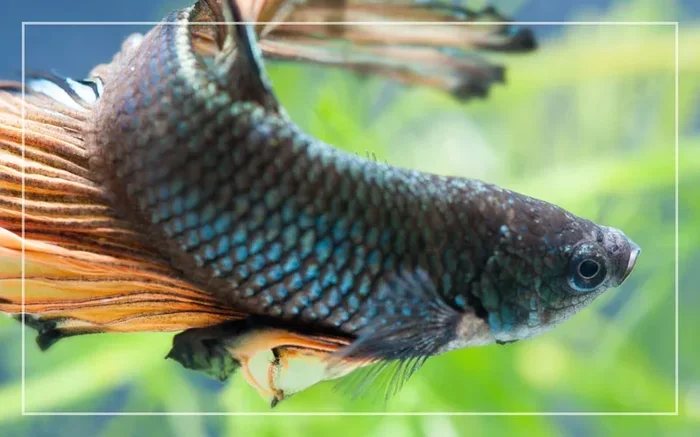
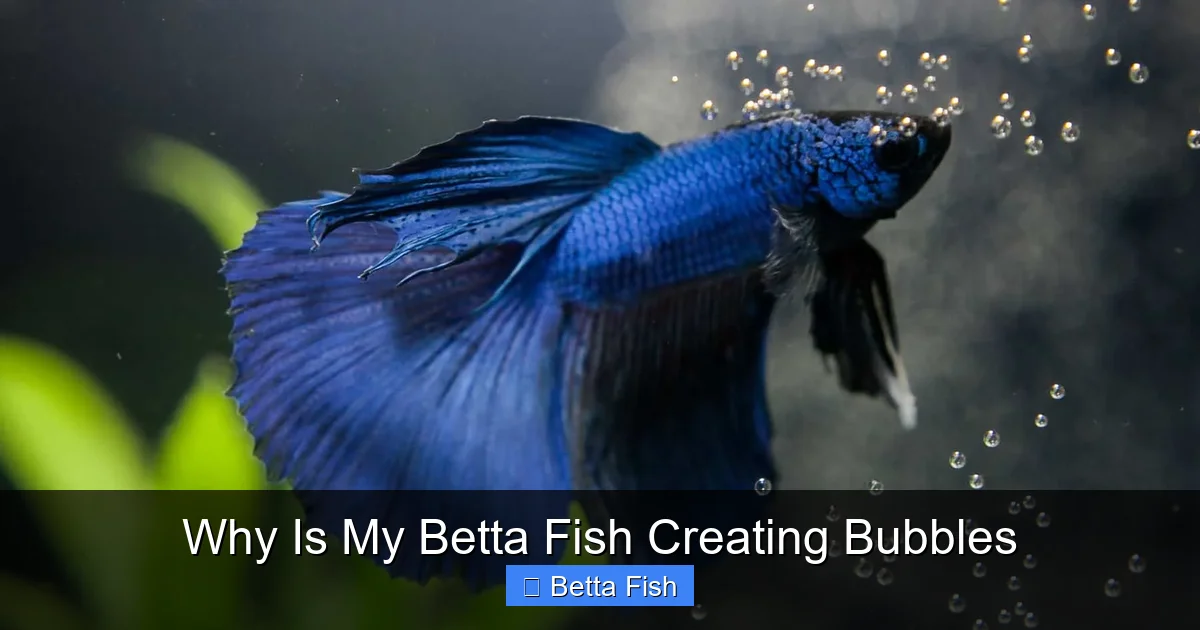
Betta fish are “labyrinth” fish. That means they have a special organ called the labyrinth that lets them breathe air directly from the surface. When they rise, they often release a tiny bubble as a by‑product of the gulp. This is completely normal and usually seen in healthy, active bettas.
Visual guide about Why Is My Betta Fish Creating Bubbles
Image source: aquariadise.com
What to watch for
- Occasional single bubbles while the fish swims to the top.
- No change in swimming speed or posture.
- Clear, steady water with no cloudiness.
If these conditions match, the bubbles are just a sign your betta is taking a breath—nothing to worry about.
2. Building a Bubble Nest: The Betta’s Love Letter
Why males build nests
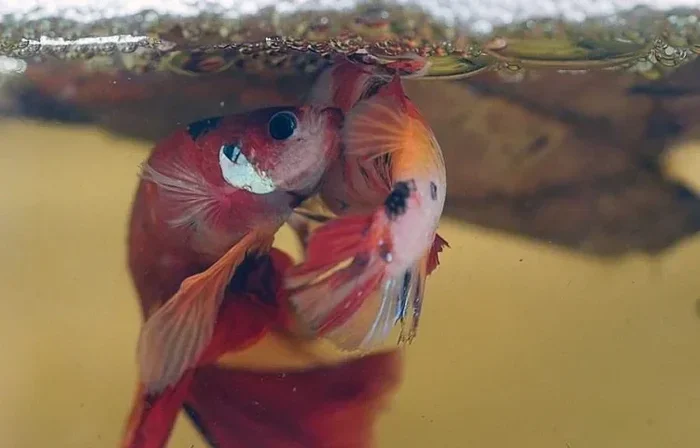
Male bettas are famous for creating a floating “bubble nest” when they are ready to breed. The nest looks like a fluffy pancake of foam on the water’s surface. It provides a safe place for eggs and fry to develop.
Visual guide about Why Is My Betta Fish Creating Bubbles
Image source: efinancemanagement.com
How to know a nest is forming
- Clusters of larger bubbles near the water’s top, often in a circular pattern.
- More vigorous bubbling, sometimes accompanied by flaring fins.
- Increased appetite and a more vibrant color display.
When you see these signs, it’s a good idea to check the tank’s temperature (around 78‑80°F) and ensure the water is soft to slightly acidic—ideal conditions for spawning.
3. Low Dissolved Oxygen: When the Water Can’t Supply Enough
Oxygen basics
Even though bettas can breathe air, they still benefit from well‑oxygenated water. If the tank’s dissolved oxygen drops—perhaps due to over‑stocking, too many plants, or a weak filter—the fish may surface more often, creating extra bubbles.

Visual guide about Why Is My Betta Fish Creating Bubbles
Image source: i.pinimg.com
Signs of low oxygen
- Fish hanging near the surface for extended periods.
- Rapid gill movement or “pumping” at the top.
- Cloudy water or a strong algae smell.
Improving aeration with a gentle air stone or adjusting the filter flow can quickly reduce unnecessary bubbling.
4. Water Quality Issues: Bubbles as a Symptom
Ammonia, nitrite, and pH spikes
Poor water quality can stress a betta, prompting it to gulp more often. High ammonia or nitrite levels can irritate the fish’s gills, leading to increased surface breathing and bubbling.
Testing and fixing
- Use a liquid test kit weekly to monitor ammonia, nitrite, nitrate, and pH.
- Perform 25‑30% water changes if any parameter is out of range.
- Consider adding live plants that naturally oxygenate the water.
For a deeper dive on water problems, see our guide on why is my betta fish water cloudy.
5. Stress and Illness: When Bubbles Signal Trouble
Common stressors
Sudden temperature changes, aggressive tank mates, or a cramped space can cause a betta to stress out. Stress often shows up as frantic bubbling, frantic swimming, or hiding.
Health red flags
- Loss of color or faded fins.
- Frequent floating at the surface with little movement.
- Spitting out food or refusing to eat.
If you notice these alongside excessive bubbles, it’s time to investigate further. Our article on is my betta fish dying offers a checklist for early detection.
6. Tank Setup and Decoration: The Role of Covers and Plants
Covering the tank
Many betta owners use tank lids to prevent jumps. However, a tight lid can trap carbon dioxide and reduce oxygen exchange, encouraging the fish to surface more often. A loosely fitting lid or a small ventilation opening helps balance gas exchange.
Plants and substrate
Live plants like Java fern or Anubias provide natural oxygen and hiding spots, reducing stress. Conversely, sharp ornaments can damage fins, leading to irritation and extra bubbling.
For more on bubble-related décor, read why are there bubbles in my fish tank betta.
Practical Tips to Manage and Reduce Unwanted Bubbles
Routine maintenance
- Change 20‑30% of water weekly.
- Clean the filter media every 2‑4 weeks.
- Check the heater for stable temperature.
Adjusting the environment
- Install a small air stone set on low flow.
- Use a lid with a tiny vent hole.
- Provide a smooth leaf or piece of slate for nest building.
When to seek help
If bubbles are accompanied by loss of appetite, faded colors, or abnormal swimming, consult a vet or an experienced aquarist. Early intervention can save a betta’s life.
Conclusion: Bubbles Tell a Story
Betta fish create bubbles for many reasons—most of them perfectly natural. By paying attention to the type, frequency, and context of the bubbles, you can quickly tell whether your fish is simply breathing, preparing a nest, or signaling a problem. Regular water tests, proper tank setup, and a watchful eye on behavior will keep those bubbles a happy sign rather than a warning alarm.
Remember, a healthy betta is a bubbly betta. Keep the water clean, the temperature steady, and enjoy watching your finned friend’s fascinating bubble choreography.
Frequently Asked Questions
Why does my betta fish make bubbles at the surface?
Betta fish have a labyrinth organ that lets them gulp air from the surface. The tiny bubble you see is a normal by‑product of this breathing habit.
Is my betta building a bubble nest?
Male bettas create a foam nest when they are ready to breed. Look for clusters of larger bubbles arranged in a circular pattern near the top of the tank.
Can bubbles indicate poor water quality?
Yes. Excessive bubbling can mean low dissolved oxygen, high ammonia, or a pH imbalance. Test your water and perform regular changes to correct it.
My betta bubbles more after I added new plants. Is this normal?
New live plants can temporarily lower oxygen levels as they adjust, prompting your betta to surface more. Monitor the situation and add gentle aeration if needed.
What should I do if my betta bubbles and looks stressed?
Check temperature, water parameters, and tank size. Reduce stressors like aggressive tank mates, and consider a small air stone to improve oxygenation.
Do female bettas create bubble nests?
Females rarely build nests. If you see bubble activity with a female, it’s likely normal breathing or a response to water conditions rather than nesting behavior.