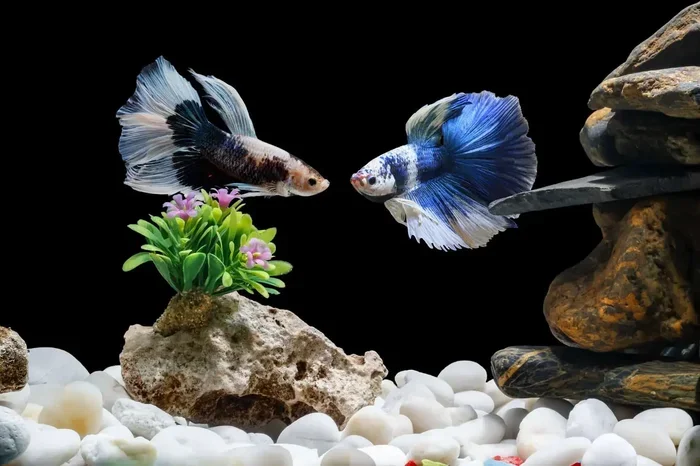
Why Is My Betta Fish at the Bottom of Tank

Seeing your betta fish lounging at the bottom of the tank can be worrying. It often signals stress, water problems, or health issues. Read on for easy diagnostics and practical solutions to get your finned friend swimming again.
Key Takeaways
- Water quality matters most: Poor parameters are the #1 reason bettas hide at the bottom.
- Temperature is critical: Betta metabolism slows below 76°F, causing lethargy.
- Check for illness: Fin rot, swim‑bladder disease, and parasites all make fish rest low.
- Tank setup influences behavior: Too little space, harsh lighting, or strong currents can stress a betta.
- Feeding habits count: Over‑ or under‑feeding leads to digestive problems that push fish to the bottom.
- Observe other signs: Gasping, discoloration, or loss of appetite often accompany bottom‑dwelling.
- Act fast: Small changes in water or diet can turn a sluggish betta back into a vibrant swimmer within days.
📑 Table of Contents
Introduction
Betta fish are famous for their flashy fins and bold personalities. Most owners expect their little warriors to zip around the surface, flaring their gills like tiny submarines. So when you notice your betta spending most of its time at the bottom of the tank, a wave of concern can wash over you.
Before you panic, take a deep breath. Bottom‑dwelling is a symptom, not a disease. By checking a few key factors—water quality, temperature, tank setup, and health—you can often pinpoint the problem and fix it quickly. This guide walks you through every common cause, offers step‑by‑step troubleshooting, and gives you practical tips to keep your betta thriving.
1. Water Quality: The Foundation of Betta Health
Why water matters
Betta fish are native to warm, slow‑moving waters of Southeast Asia where the water is soft and slightly acidic. In a home aquarium, the same conditions must be replicated. Bad water quality is the most frequent reason a betta rests at the bottom.

Visual guide about Why Is My Betta Fish at the Bottom of Tank
Image source: embed.pixiv.net
Key parameters to test
- Ammonia (NH₃): Any detectable ammonia is toxic and will make a betta hide.
- Nitrite (NO₂⁻): Even low levels cause stress and respiratory trouble.
- Nitrate (NO₃⁻): Above 20 ppm can lead to chronic stress.
- pH: Aim for 6.5–7.5; sudden shifts upset the fish’s osmoregulation.
- General hardness (GH) and carbonate hardness (KH): Soft water (GH 3–4 dGH) is ideal.
How to test and fix
Invest in a reliable liquid test kit or a digital tester. Test the water weekly, and perform a 25‑30 % water change if any parameter is out of range. Use a water conditioner that removes chlorine and chloramine, and consider adding a small amount of Indian almond leaves to gently lower pH.
Quick tip
If you’re unsure whether water is the culprit, perform an immediate 50 % water change with already‑conditioned, temperature‑matched water. Most bettas perk up within a few hours if poor water was the issue.
2. Temperature Troubles: The Heat Is On
Ideal temperature range
Betta fish thrive at 78–80 °F (25.5–26.5 °C). Temperatures below 76 °F slow metabolism, making the fish appear lazy and encouraging it to rest on the tank floor.
Visual guide about Why Is My Betta Fish at the Bottom of Tank
Image source: eziil.com
Common temperature problems
- Room temperature drops: In winter, a cold room can chill the tank.
- Faulty heater: Heaters can fail or develop hot spots.
- Thermostat miscalibration: The displayed temperature may not match the water.
What to do
Use a reliable submersible aquarium heater with an adjustable thermostat. Place a digital aquarium thermometer in the middle of the tank (not near the heater) to verify the actual temperature. If the water is too cold, raise the heater by 1–2 °F and monitor for 24 hours.
Preventive measure
Consider a small, insulated tank cover or a heater guard to keep temperature stable during night‑time temperature swings.
3. Tank Setup and Environment
Size and space
Even though bettas can survive in small bowls, a 5‑gal (19‑L) tank provides enough swimming room and dilutes waste. A cramped space can cause a fish to hide at the bottom out of stress.

Visual guide about Why Is My Betta Fish at the Bottom of Tank
Image source: kenhub.com
Current and flow
Betta fish are “labyrinth” fish; they breathe air from the surface and prefer calm water. Strong filtration currents push them to the bottom where they feel safe. Use a gentle filter or a spray bar that diffuses flow.
Lighting
Bright, direct light for long periods can stress a betta, especially if the tank lacks hiding spots. Provide a 10‑hour light cycle and use a dimmer or floating plants to create shade.
Decor and hiding places
Live or silk plants, smooth rocks, and caves give a betta places to rest without feeling exposed. Avoid sharp plastic decorations that can tear delicate fins.
Related reading
For more on how tank height affects behavior, see our article Why Betta Fish Stay At Top Of Tank.
4. Health Issues That Make Betta Fish Sink
Swim‑bladder disease
The swim bladder controls buoyancy. Over‑feeding, constipation, or infection can cause it to malfunction, making the fish float upside down or sink to the bottom.
How to treat
- Fast for 24‑48 hours (skip food, offer a pea once peeled).
- Feed high‑fiber, low‑fat foods like daphnia or specialized swim‑bladder diets.
- Check water quality; poor water can worsen the condition.
Fin rot and bacterial infections
Infected fins appear frayed, white, or ragged. The fish may stay low to avoid predators and conserve energy.
Treatment tip
Use a broad‑spectrum antibiotic (e.g., Maracyn) after removing the fish to a hospital tank. Keep water temperature stable to aid healing.
Parasites and internal worms
Protozoan or fluke infections cause lethargy and loss of appetite. Look for tiny white spots on the body or clamped fins.
What to do
Treat with antiparasitic medication such as Metronidazole, and perform a 30 % water change after treatment.
Reference article
If you suspect your betta is turning white before it dies, read Why Is My Betta Fish Turning White for signs and steps.
5. Feeding Mistakes and Digestive Problems
Over‑feeding
Too much food leads to excess waste, higher ammonia, and a bloated swim bladder. The fish often rests at the bottom to ease discomfort.
Under‑feeding or poor diet
Insufficient nutrition weakens the immune system, making the betta sluggish.
Best feeding routine
- Feed 2–3 small portions per day, no more than the size of the fish’s eye.
- Offer a varied diet: high‑quality betta pellets, frozen or live brine shrimp, and occasional daphnia.
- Remove uneaten food after 5 minutes to keep water clean.
When food isn’t accepted
If your betta refuses food, it could be stressed, ill, or the water temperature is too low. Try warming the food slightly or offering a different protein source.
6. When to Seek Professional Help
Red flags
- Rapid loss of color or development of white patches.
- Consistent gasping at the surface despite clean water.
- Severe fin damage, ulcers, or black spots.
- Behavior that doesn’t improve after water changes, temperature correction, and proper feeding for 3–5 days.
What a vet can do
A fish‑savvy veterinarian can run water tests, prescribe targeted antibiotics, and advise on quarantine procedures. Early intervention often saves a betta that looks “bottom‑bound.”
Conclusion
Seeing your betta fish at the bottom of the tank is a clear call to investigate. Start with the basics: test the water, confirm the temperature, and examine the tank environment. If those are all in order, look closely for signs of disease or digestive trouble. Most issues are solvable with a water change, proper feeding, or a short course of medication.
Remember, bettas are resilient when cared for correctly. By staying observant and acting quickly, you’ll have your colorful swimmer cruising the surface again in no time.
Frequently Asked Questions
Why is my betta fish staying at the bottom of the tank?
Common reasons include poor water quality, low temperature, stress from strong currents, illness, or swim‑bladder problems.
Can a betta fish die from staying at the bottom?
If the cause is untreated (e.g., high ammonia or a severe infection), prolonged bottom‑dwelling can lead to death. Prompt care usually prevents fatal outcomes.
How often should I change the water for a betta?
A 25‑30 % water change every week is ideal. If you notice your betta at the bottom, do an immediate 50 % change with conditioned water.
Is it normal for bettas to rest on the tank floor sometimes?
Yes, occasional resting is natural, especially at night. Consistent bottom‑dwelling, however, signals a problem.
What temperature should I keep my betta tank at?
Maintain 78–80 °F (25.5–26.5 °C). Use a reliable heater and a thermometer to monitor daily.
Should I use a filter for a betta tank?
A gentle filter is recommended to keep water clean without creating strong currents. Sponge filters or low‑flow hang‑on filters work well.