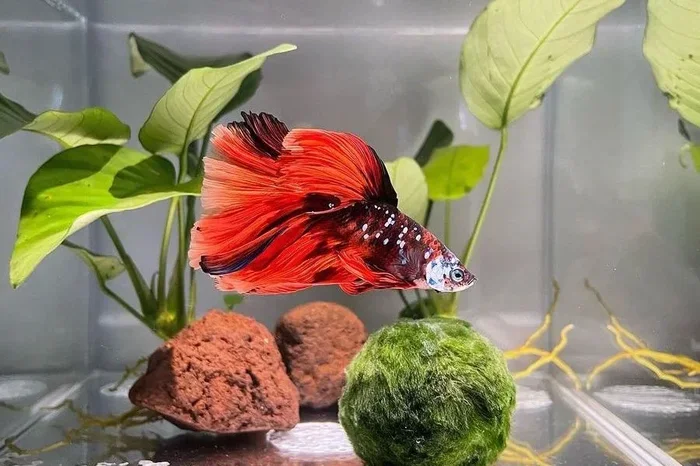
Is My Betta Fish Sleeping or Dead
It can be scary to find your betta fish still and motionless, but there is a big difference between sleeping and dying. Understanding the signs of a sleeping betta versus a dead one helps you respond the right way. This guide covers gill movement, body position, color changes, and other easy checks to put your mind at ease.
You walk up to your betta fish tank and notice your fish sitting still at the bottom. No movement. No fins flaring. No swimming. Your heart sinks. Is my betta fish sleeping or dead? This is one of the most common questions betta owners ask, and it is completely normal to feel worried.
The good news is that betta fish sleep a lot, and their sleeping habits can look surprisingly like death. A resting betta may lie flat on the gravel, hover in one spot, or even rest on a leaf. But there are clear ways to tell the difference. This guide walks you through every sign, every check, and every step you can take to know for sure.
Whether your betta is just catching some Zzzs or something more serious is going on, understanding the betta fish sleeping or dead distinction is the first step toward helping your fish. Let us break it down together.
Key Takeaways
- Gill movement is the #1 sign of life: If the gills are gently moving, your betta is likely just sleeping.
- Sleeping bettas often lie on the tank bottom or hide in decorations: This is normal behavior, especially at night.
- A dead betta will show no gill movement, stiff fins, and fading color: These are clear signs to watch for.
- Water quality and temperature directly affect your betta’s activity level: Poor conditions can make your fish seem lifeless.
- Quick action can save a sick betta: Knowing the difference early gives your fish the best chance of recovery.
📑 Table of Contents
- How to Tell If Your Betta Fish Is Sleeping
- Signs Your Betta Fish May Be Dead
- What To Do When You Are Not Sure
- Common Reasons Betta Fish Become Lethargic
- How To Keep Your Betta Healthy and Active
- What Happens After a Betta Fish Dies
- When To Be Concerned About Your Betta
- Final Thoughts on Is My Betta Fish Sleeping or Dead
How to Tell If Your Betta Fish Is Sleeping
Betta fish are not nocturnal. They are actually crepuscular, which means they are most active during dawn and dusk. During the rest of the day and night, they sleep. Their sleep patterns are different from ours, but they still need plenty of rest.
A sleeping betta fish will show some very specific behaviors. Knowing these signs helps you avoid panicking every time you see your fish still.
Common Sleeping Positions
Betta fish can sleep in some funny and surprising positions. Here are the most common ones you might see:
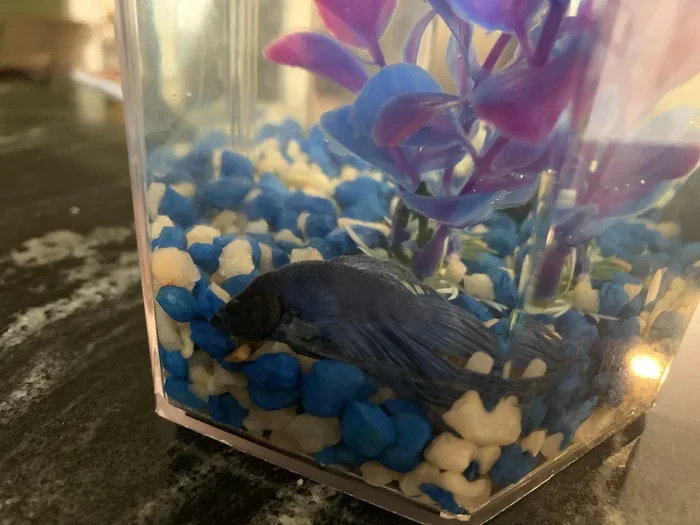
- Lying on the tank bottom: This is the most common sleeping spot. Your betta may rest flat on the gravel or hide among decorations.
- Curling up on a leaf: Many bettas love to nap on broad plants or silk leaves. They curl their body and look almost lifeless.
- Hovering in place: Some bettas sleep mid-water, hovering without moving their fins much.
- Leaning against the filter output: The gentle current can be soothing, and some bettas sleep right in the flow.
- Buried in gravel: This is less common but still normal. Some bettas dig in and rest just below the surface.
If you notice your betta in any of these positions, do not rush to conclusions. Watch for a few minutes. A sleeping betta will eventually shift or swim when startled. Check out our article on why betta fish sleep so much for more details on normal sleep habits.
Signs Your Betta Is Just Resting
Here is a quick checklist to confirm your betta is simply sleeping:
- The gills are gently moving, even if slowly.
- The body is soft and not stiff.
- The color may be slightly lighter but returns when awake.
- The fish responds to movement or food nearby.
- The fins are relaxed but not clamped tightly against the body.
- The eyes are not sunken or cloudy.
If all of these check out, your betta is just catching some sleep. This is perfectly healthy and nothing to worry about.
Signs Your Betta Fish May Be Dead
Now for the harder part. How do you know if your betta has passed away? There are some unmistakable signs that point to a dead fish. These signs are clear once you know what to look for.
Physical Signs of a Dead Betta
When a betta fish dies, the body goes through some visible changes. Here is what to watch for:
- No gill movement at all: This is the most reliable sign. If the gills are completely still for several minutes, your betta may have died.
- Stiff fins and body: A dead betta becomes rigid. The fins may stick out straight and the body becomes stiff over time.
- Fading or pale color: A dead fish loses its vibrant color quickly. White or gray patches may appear on the body.
- Sunken eyes: The eyes may look hollow or cloudy when a betta has passed.
- No response to anything: Food, light, tapping on the glass — nothing gets a reaction.
- Bad smell: A deceased fish starts to develop a foul odor within hours.
- Floating upside down or sideways: While not always the case, a dead betta often floats to the surface.
If you notice several of these signs together, it is likely your betta has died. It is a sad moment, but knowing early helps you take the right next steps for your tank and your other fish.
Why Do Betta Fish Appear Dead While Sleeping?
This is where things get tricky. A sleeping betta can look exactly like a dead one. The body goes limp, the color fades, and the fins rest flat. Some bettas even float motionless near the surface. This is especially common in older bettas or those that are very relaxed.
If you are ever unsure, the gill check is your best friend. Watch the gills for at least two minutes. Gentle movement means your betta is breathing and alive. No movement at all is a red flag.
Some bettas also go into a state called brumation, which is like hibernation for fish. During brumation, a betta becomes very still and may barely eat. This usually happens when the water temperature drops too low. Learn more about cold water effects on bettas in our guide to keeping bettas in cold conditions.
What To Do When You Are Not Sure
So your betta is not moving and you are not sure if it is sleeping or dead. What now? Do not panic. Follow these steps to figure it out.
Step 1: Check the Gills
Look closely at the gills. Are they moving? Even a tiny bit of movement means your betta is alive. Use a flashlight if needed to get a better look. Sometimes the gill movement is so subtle you might miss it at first.
Step 2: Look for Fin Reactions
Drop a small piece of food near your betta. If the fish is alive, it may respond by moving toward the food or at least twitching a fin. Dead fish do not react to food at all.
Step 3: Check the Water Conditions
Poor water quality can make a betta lethargic and unresponsive. Test the water for ammonia, nitrite, and nitrate levels. Also check the temperature. Betta fish thrive in water between 76 and 82 degrees Fahrenheit. If the water is too cold, your betta may become very still and appear dead.
Read our article on why betta fish are not moving for more troubleshooting tips on lethargy and inactivity.
Step 4: Observe for a Few Minutes
Give your betta time. Sometimes a sleeping fish needs a few minutes before it starts moving again. Sit by the tank and watch. You might see a slow fin twitch or a gentle gill flutter that confirms life.
Common Reasons Betta Fish Become Lethargic
If your betta is not sleeping but also not acting like itself, something else might be going on. Lethargy in betta fish can come from many causes. Understanding these helps you prevent future problems.
Poor Water Quality
This is the number one cause of betta health issues. Ammonia and nitrite buildup in the tank can make your fish weak and sleepy. Even small amounts of these toxins are dangerous. Regular water changes and proper filtration keep the water safe.
Wrong Water Temperature
Betta fish are tropical fish. Cold water slows down their metabolism and makes them sluggish. If the tank is too cold, your betta may barely move and look like it is dying. A good heater is essential for every betta tank.
Illness or Disease
Several diseases can cause a betta to become inactive. Fin rot, ich, and bacterial infections all lead to lethargy. Other signs to watch for include clamped fins, loss of appetite, and unusual spots or growths on the body. Find out more about identifying a sick betta fish in our dedicated guide.
Old Age
Betta fish typically live between three and five years. As they age, they naturally become less active. Older bettas sleep more and swim less. This is a normal part of the aging process and not necessarily a cause for alarm.
Overfeeding or Poor Diet
Feeding too much can cause bloating and discomfort, which makes a betta want to rest. A balanced diet of high-quality pellets, frozen bloodworms, and occasional treats keeps your betta healthy and active.
How To Keep Your Betta Healthy and Active
Prevention is always better than cure. A healthy betta fish is an active betta fish. Here are some simple steps to keep your fish thriving.
Maintain Clean Water
Do regular water changes — about 25% every week. Use a water conditioner to remove chlorine and chloramine. Test the water parameters at least once a week. Clean water means a happy, active betta.
Keep the Temperature Stable
Use a reliable aquarium heater to maintain a steady temperature between 76 and 82 degrees Fahrenheit. Avoid placing the tank near windows, drafts, or heat sources that cause temperature swings.
Provide Enrichment
Betta fish get bored too. Add plants, caves, and places to explore. A varied environment keeps your betta mentally stimulated and physically active. Silk plants are a great choice because they are soft and will not tear delicate fins.
Feed a Balanced Diet
Offer small amounts of food twice a day. High-quality betta pellets should form the base of the diet. Add variety with frozen or live foods like brine shrimp and bloodworms. Remove any uneaten food after a few minutes to keep the water clean.
Watch for Early Warning Signs
Catch problems early by observing your betta daily. Look for changes in appetite, color, swimming patterns, and activity level. The sooner you notice something is off, the sooner you can take action. Check out why betta fish are not eating or moving for common causes and solutions.
What Happens After a Betta Fish Dies
If you have confirmed that your betta has passed away, there are a few things you should do right away.
- Remove the body from the tank immediately: A dead fish can pollute the water quickly and affect other fish.
- Check your water parameters: A dead fish can spike ammonia levels. Test the water and do a large water change if needed.
- Examine your other fish: If the cause of death was a disease or infection, your other fish may need treatment too.
- Take time to grieve: Losing a pet fish is real and valid. Give yourself space to process the loss.
Some owners choose to bury their betta in the backyard or flush the body. Others prefer to cremate or use a small pet cemetery. Whatever you choose, do it respectfully and safely for your remaining tank inhabitants.
When To Be Concerned About Your Betta
Not every still betta is in trouble. But some situations do call for closer attention. Here is when you should start worrying:
- Your betta has been still for more than a few hours and does not respond to food.
- The gills are not moving at all.
- The body is stiff and the fins are rigid.
- The color has faded significantly and is not recovering.
- Your betta is floating at the surface and not coming down.
- There is a foul smell coming from the tank.
If you notice any of these signs, act quickly. Test the water, check the temperature, and look for other symptoms of illness. Early intervention can sometimes save a struggling betta.
For more information on how to tell if your betta is sick, read our guide on identifying betta fish illness. And if your betta is hiding a lot, check out why bettas hide behind filters and other common hiding spots.
Final Thoughts on Is My Betta Fish Sleeping or Dead
Figuring out if your betta fish is sleeping or dead does not have to be stressful. By checking the gills, watching for body reactions, and knowing the common signs of sleep versus death, you can handle the situation with confidence. Most of the time, your still betta is just taking a nap. But when the signs point to something more serious, you are now equipped to act fast.
Remember that a healthy tank environment is the foundation of a happy betta. Keep the water clean, the temperature stable, and the diet balanced. These simple steps go a long way in keeping your fish active and thriving. And if you ever feel unsure, trust your instincts. You know your betta better than anyone. For more betta care tips, explore our full library of betta fish articles to become the best fish parent you can be.
Your betta fish depends on you for its well-being. The fact that you are here reading this guide shows how much you care. That love and attention is the best gift you can give your fish. Keep learning, keep observing, and keep enjoying the wonderful world of betta fish keeping.
Frequently Asked Questions
How can I tell if my betta fish is sleeping or dead?
Check the gills first. If the gills are gently moving, your betta is alive and sleeping. Also look for soft body, relaxed fins, and any reaction to food or light. A dead betta will have no gill movement, stiff body, and fading color.
Why does my betta fish lie at the bottom of the tank and not move?
Betta fish often rest on the tank bottom when they are sleeping. They may also do this if the water is too cold, if they are feeling unwell, or if they are simply tired. Check the temperature and water quality first, then observe for other signs of illness.
Can a betta fish play dead?
Yes, some bettas may lie still or float motionless when they feel threatened or stressed. This behavior is sometimes called playing dead. It is different from actual death because the fish will eventually move again. Read more about why bettas play dead for a deeper understanding of this behavior.
How long do betta fish sleep each day?
Betta fish typically sleep around 12 to 14 hours a day, including nighttime rest and daytime naps. They are most active during dawn and dusk. If your betta seems to sleep more than usual, it could be due to age, temperature, or health issues.
What should I do if my betta fish is not moving but still breathing?
Check the water temperature and quality immediately. Low temperatures can cause lethargy. Also look for signs of illness like clamped fins, loss of color, or unusual spots. If the water is clean and warm, your betta may just be resting. Monitor closely and be ready to act if symptoms worsen.
Is it normal for a betta fish to stop eating before it dies?
Yes, loss of appetite is one of the most common signs that a betta fish is unwell or nearing the end of its life. However, not eating can also signal treatable issues like constipation, stress, or poor water quality. Always test the water and observe for other symptoms before assuming the worst.
=== CONCLUSION ===
Knowing the difference between a betta fish sleeping or dead is one of the most important skills every betta owner can develop. The signs are there if you know what to look for. From gentle gill movement to body stiffness, each clue helps you understand what is happening with your fish. Stay calm, check the facts, and trust what you observe. Your betta is lucky to have someone who cares enough to learn.