Where to Buy Exotic Betta Fish
Finding a healthy exotic betta fish requires sourcing from specialized, reputable breeders or dedicated aquarium shops, not generic pet stores. This guide navigates you through the world of online breeders, local specialists, and fish shows, highlighting how to evaluate seller credibility, fish health, and genetics. Prioritize sellers who provide detailed lineage, health guarantees, and proper acclimation advice to ensure your new betta thrives.
So, you’ve fallen under the spell of the betta fish. That flowing silk of a Halfmoon tail, the explosive colors of a Koi, the regal poise of a Dumbo ear. You’re not just looking for a pet; you’re looking for a living piece of aquatic art. But here’s the crucial first step on your journey: where do you actually find an exotic betta fish that is healthy, ethically sourced, and truly lives up to the breathtaking pictures? The answer is more nuanced than a simple Google search. The world of betta enthusiasts is a specialized community, and finding your perfect companion means learning to navigate it. This guide will be your map, pointing you toward the reputable corners of this world and warning you about the dead ends.
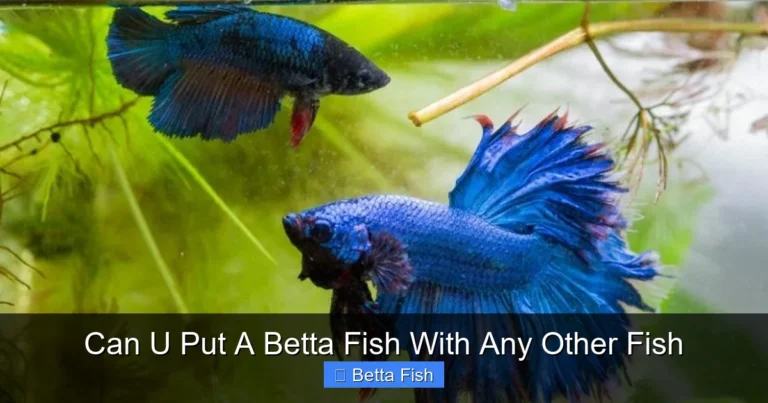
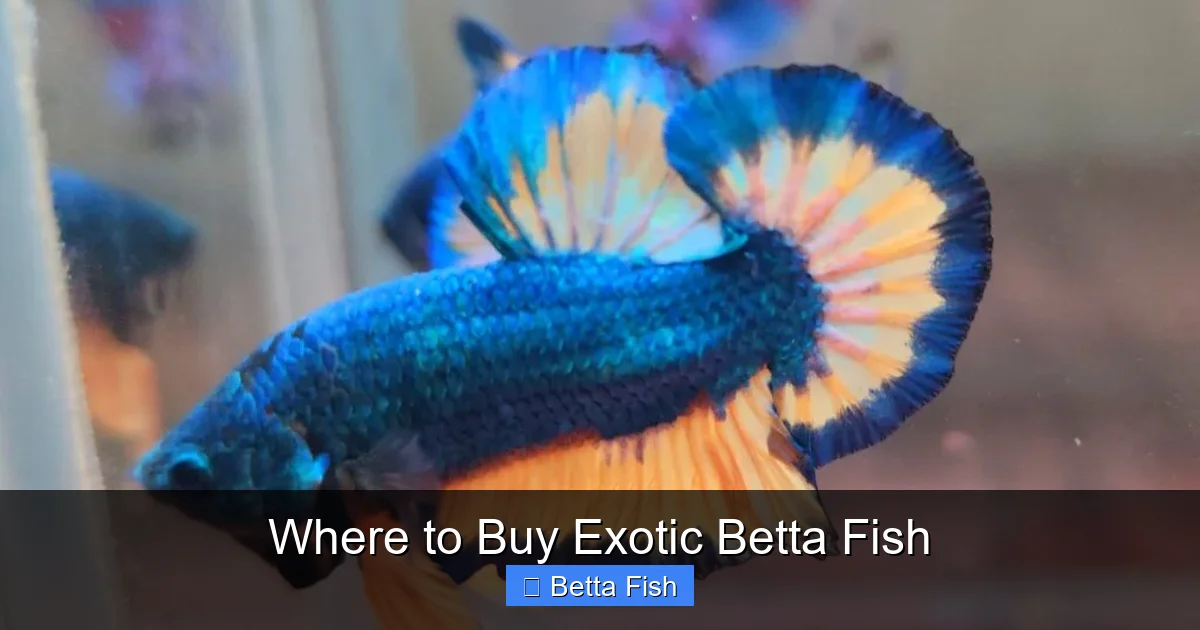
The term “exotic” in the betta world isn’t just a fancy label. It generally refers to specimens with highly developed finnage, rare color patterns, or unique body structures that have been painstakingly bred over generations. Think of the massive, 180-degree spread of a true Halfmoon (HM), the intricate metallic scales of a Copper, or the unpredictable, paint-splattered beauty of a Marble. These aren’t the common veiltails you might see in a small cup at a big-box store. They are the result of dedicated breeding programs focused on genetics, health, and form. Therefore, the places you look must reflect that level of dedication. Your search should shift from general pet retailers to the hubs of passionate hobbyists: specialized online breeders, curated aquarium shops, and exclusive fish shows.
Key Takeaways
- Specialized Sellers are Key: Exotic bettas (like Halfmoons, Koi, or Dragons) are best bought from dedicated betta breeders or high-end aquarium stores, not large chain pet shops.
- Research Breeder Reputation: A seller’s reputation is built on transparency, customer reviews, and their willingness to share a fish’s health and genetic history.
- Understand What “Exotic” Means: The term often refers to specific fin types, colors, or patterns (e.g., Dumbo, Marble, Nemo) that require selective breeding expertise.
- Shipping is a Critical Factor: Live arrival guarantees, proper packaging ( breather bags, insulation), and fast, direct shipping are non-negotiable for online purchases.
- Price Reflects Quality & Rarity: Expect to pay significantly more ($30-$200+) for a truly exotic, well-bred betta compared to common varieties, which is an investment in health and genetics.
- Ask About Acclimation & Quarantine: Reputable sellers will provide clear instructions for acclimating your new fish and ideally, have a quarantine protocol for new stock.
- Local vs. Online Trade-offs: Local allows you to see the fish immediately but has limited selection; online offers vast variety but requires trust in the seller’s shipping practices.
📑 Table of Contents
Understanding the “Exotic” Betta Market
Before you start clicking “add to cart,” it helps to understand the ecosystem. The exotic betta market is a blend of art, science, and commerce. It’s populated by small-scale, home-based breeders who treat their fish like family, by larger commercial operations that prioritize volume, and by everything in between. Knowing the difference is the first step to a successful purchase.
What Makes a Betta “Exotic”?
At its core, an exotic betta is defined by its deviation from the standard, commercially available types. This includes:
- Fin Types: Halfmoon (HM), Double Tail (DT), Crowntail (CT), Dumbo/ Elephant Ear (EE), Rosetail/ Feathertail. These require specific genetic lines to achieve the desired shape and symmetry.
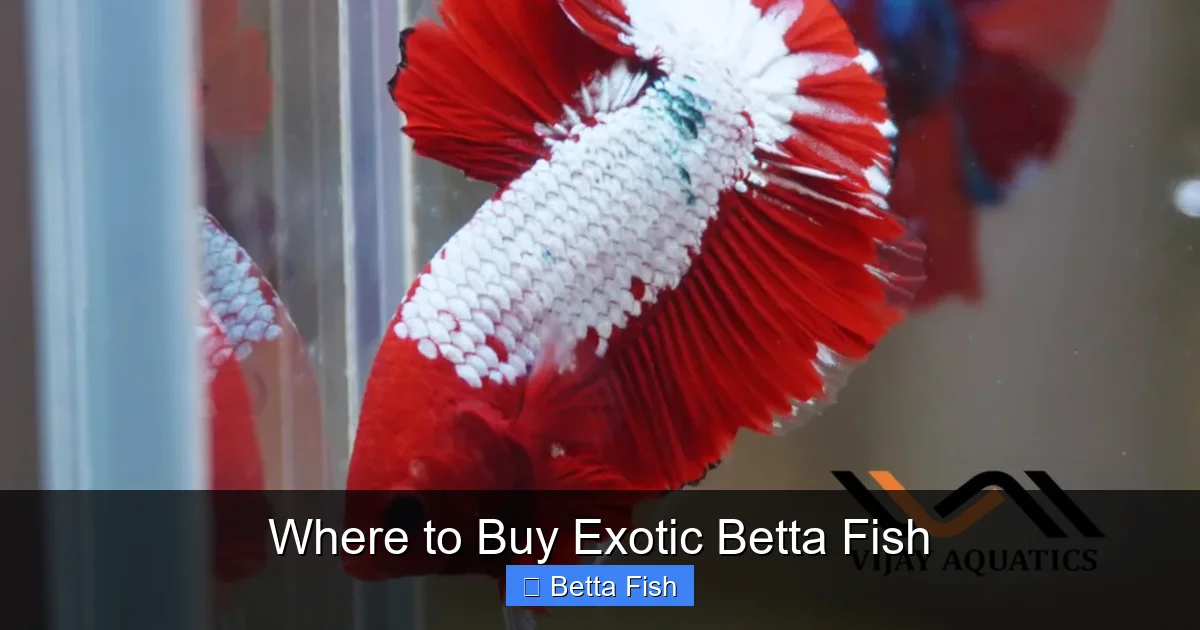
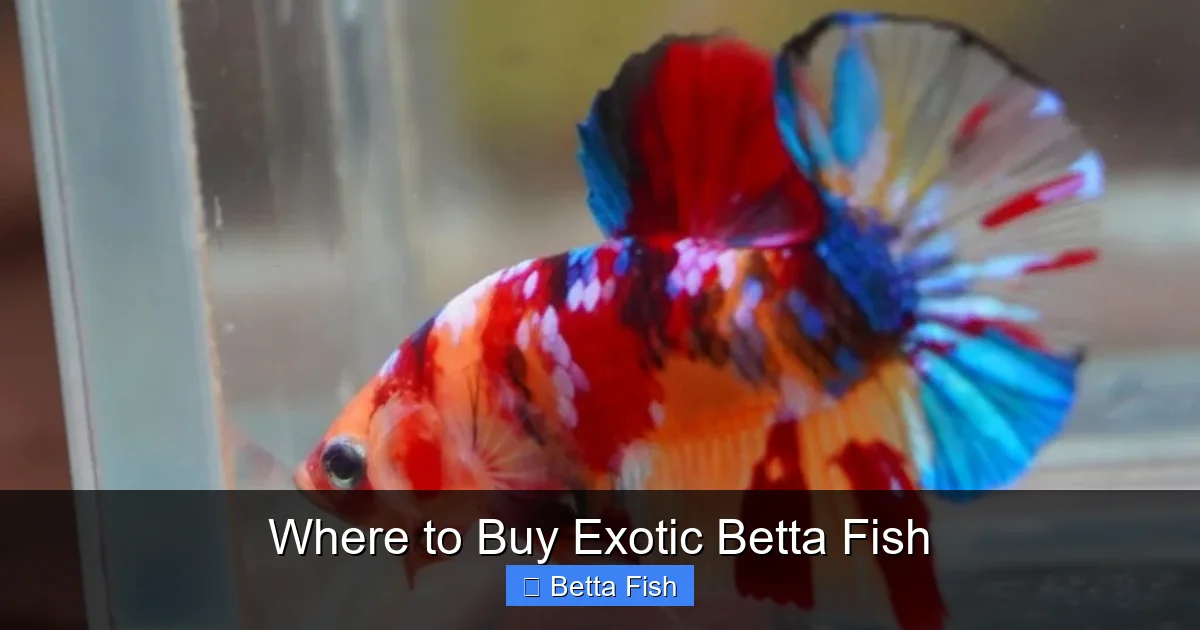
- Colors & Patterns: Koi (with its distinct white and red/black markings), Marble (which changes over time), Nemo (orange/white), Copper/Gold (metallic sheens), Mustard Gas (blue/black body with yellow fins), and various solid, bi-color, or multi-color combinations.
- Body Types: The short, “chunky” body of a Plakat (PK) is highly prized for its activity and hardiness, especially in show circles. Dragons have thick, armored scales.
These traits are often recessive or require complex genetic combinations, making them rarer and more valuable. A seller who specializes in these will have a deep understanding of breeding them.
The Breeder vs. The Reseller
This is the most critical distinction. A breeder is someone who raises and spawns the bettas themselves. They control the entire lineage, can provide detailed information about parents (sire and dam), health history, and often have specific goals for their lines (e.g., perfecting red colors or large HM spreads). They are the source. A reseller buys fish from various sources (often breeders) and sells them. There’s nothing inherently wrong with a good reseller—many reputable online stores are effectively curators and resellers who import or buy from trusted breeders, quarantine the fish, and provide a customer-friendly interface. However, with a reseller, your knowledge of the fish’s origins can be murky. For the most transparency, especially for high-value fish, buying directly from a known breeder is ideal.
Top Tier: Reputable Online Betta Breeders & Specialists
The internet has revolutionized access to exotic bettas. You can now buy a fish from a world-class breeder in Thailand or a master hobbyist in the USA without leaving your home. But this convenience comes with risk. A stellar online reputation is built over years of consistent quality, impeccable customer service, and a commitment to fish welfare.
Visual guide about Where to Buy Exotic Betta Fish
Image source: vijayaquatics.com
What to Look For in an Online Seller
Your detective work begins here. A website’s beauty is meaningless without substance. Scour for these signs of credibility:
- Detailed Listings: Photos and videos are paramount. Look for multiple, clear, high-resolution images and short videos of the fish swimming. The listing should describe fin type, color pattern, sex, and estimated age. Vague listings are a red flag.
- Health Guarantee & Live Arrival Policy: This is non-negotiable. A guarantee should cover DOA (Dead on Arrival) and typically gives you a short window (e.g., 2-4 hours) to report issues with clear photo evidence. Understand the terms.
- Shipping Practices: They should use priority overnight or 1-2 day shipping. Fish must be packaged in breather bags (not regular polybags) with proper insulation (styrofoam, heat/cool packs as needed). They should ship only on Mondays-Wednesdays to avoid weekend hold-ups in warehouses.
- Transparency: Do they mention their source? Do they have an “About” page that tells you about their operation? Do they share photos of their fish room? Breeders are often proud of their setups.
- Community Presence: Check if they have a Facebook page, Instagram, or are active on betta forums like Fishlore or the International Betta Congress. See how they interact with customers and answer questions publicly.
Flagship Examples of Reputable Operations
While I cannot endorse specific businesses, the community consistently points to certain types of sellers as benchmarks:
- Thailand-Based Breeders: Thailand is the global epicenter of betta breeding. Many legendary breeders sell directly via platforms like Facebook or dedicated websites. The advantage is incredible variety and often lower prices. The major challenge is complex international shipping (you may need a transhipper) and extreme stress on the fish during long transit. Only consider this if the seller has a flawless reputation for shipping and you are prepared for a longer, more complex process.
- US-Based Specialty Breeders: These are often passionate hobbyists who have turned their fish rooms into small businesses. They focus on specific, high-quality lines (e.g., perfect Halfmoons, specific color morphs). Buying domestically means much shorter, less stressful shipping. Find them through show circuits, online forums, or targeted searches for “US betta breeder [specific type].”
- Curated Online Retailers: Several well-known online aquarium stores have dedicated betta sections where they source from multiple trusted breeders. They handle the quarantine, photography, and customer service. This is often the best starting point for beginners seeking exotic bettas because the selection is vetted, and customer support is robust. Look for stores that specialize in live fish and have extensive betta-specific information on their site.
The Local Option: High-End Aquarium Shops & Fish Clubs
Don’t underestimate the power of your local community. While the selection might be smaller than the vast online world, the advantages are significant.
Visual guide about Where to Buy Exotic Betta Fish
Image source: vijayaquatics.com
Finding a Reputable Local Aquarium Store
Forget the large chain stores for exotic bettas. Your target is the independently owned, “mom-and-pop” aquarium shop. Here’s how to spot a good one:
- Cleanliness & Stock Health: Walk in. Are the tanks clean? Are the fish active and vibrant? Are there no dead fish floating? A clean, well-maintained store cares about its livestock.
- Specialization: Do they have a dedicated, heated betta section with individual containers or small tanks? Or are bettas crammed in tiny cups on a shelf? The former indicates a store that understands bettas need space and stable temperatures.
- Knowledgeable Staff: Ask questions about the bettas. Can they tell you about fin types, temperament, or basic care? A staff that educates is a staff that cares.
- Source Transparency: Ask the owner, “Where do you get your bettas?” A good store will know their suppliers—often local breeders or trusted regional distributors. They should be able to give you a ballpark idea.
- Community Hub: The best local shops often host club meetings, have bulletin boards with local breeder contacts, or even sell fish from local hobbyists. Become a regular; the insider knowledge is invaluable.
Joining a Local or Online Fish Club
This is perhaps the most powerful way to buy an exotic betta. Betta clubs (like the International Betta Congress has local chapters) or general aquarium societies are networks of passionate experts. Members often breed bettas and sell or trade within the group. You get:
- Direct Access to Breeders: You buy straight from the person who raised the fish from a fry. You can ask about parents, feeding regimes, and genetics.
- Unmatched Support: The breeder will likely offer lifetime advice. They have a vested interest in your success and their fish’s reputation.
- Shows & Auctions: Clubs host fish shows where you can see top-quality bettas in person and sometimes purchase them. Some have online auction groups.
- Trust: There’s a strong social contract within these communities. Reputation is everything. A breeder won’t risk their standing in the club by selling a sick or misrepresented fish.
Search for “[Your City/State] aquarium society” or “betta club” to start. If none exist locally, online forums like the ones mentioned are your virtual club.
Red Flags: Where NOT to Buy Your Exotic Betta
Just as important as knowing where to shop is knowing where to avoid. The exotic betta world, like any niche hobby, has its share of unscrupulous actors.

Visual guide about Where to Buy Exotic Betta Fish
Image source: i.pinimg.com
The Big-Box Pet Store Pitfall
This bears repeating: avoid large chain pet stores for exotic bettas. Their supply chains are designed for volume and low cost. The bettas you see there are typically commercial-grade, often genetically weak, and have endured horrific transport conditions (shipped as “cup fish” for days). They are not the source for a Halfmoon with a 180-degree spread or a stable Koi pattern. You might find a surprisingly nice Plakat by chance, but for true exotic types, it’s the wrong marketplace. The health risks (hidden parasites, chronic stress) and genetic lottery make it a poor choice for a specimen you’re investing in for its beauty and longevity.
Online Marketplace Warning Signs (eBay, Craigslist, Facebook Marketplace)
These platforms are a mixed bag. You can find great deals from hobbyists, but you’ll also find scams and poorly treated fish. Be ultra-cautious:
- Stock Photos Only: If the seller uses the same professional stock photo for multiple listings or refuses to provide a current photo/video of the *actual* fish you’re buying, walk away.
- Unrealistic Prices: A $15 “Koi Halfmoon” shipped from Thailand is almost certainly a scam or a very poor-quality fish. You get what you pay for. Research typical price ranges for the fin type and color you want.
- Vague Shipping Details: “Ships via USPS” or “ships whenever” are huge red flags. Live fish require specific, fast, tracked shipping methods.
- No Health Policy: If there’s no mention of a DOA guarantee or health warranty, assume there is none.
- Poor Communication: If they are slow to answer questions, give vague answers, or are pushy for payment without providing information, trust your gut.
The “Too Good to Be True” Trap
Exotic bettas are the product of skill, time, and resources. A breeder who has spent a year developing a line of metallic blue Halfmoons will not sell them for $20 each. Extremely low prices for high-demand types usually mean:
- The fish is not what is pictured (wrong fish sent).
- The fish is very young, unsexed, or of poor quality.
- It’s a scam to collect payment with no intention to ship.
- The seller is a backyard breeder with no selection standards, potentially inbreeding for color at the expense of health (e.g., “marble” disease susceptibility).
The Final Steps: From Selection to Acclimation
You’ve found a seller you trust. You’ve paid. Now what? The journey isn’t over. How your new betta is shipped and how you acclimate it are arguably as important as where you bought it.
The Art of Shipping: What You Should Expect
A professional shipper will:
- Fast: Use overnight or 1-2 day service. No exceptions.
- Secure: Use double bags (often a breather bag inside a regular bag), with just enough water to keep the fish moist but not swimming. The bag is then placed in a styrofoam box with appropriate heat/cool packs for the season.
- Communicated: Provide a tracking number immediately. They will ship early in the week to avoid weekend delays.
- Guaranteed: Clearly state their live arrival guarantee policy on their website or in the listing.
When your box arrives, do not immediately open it. Place the sealed bag in your prepared quarantine tank (or your main tank if it’s cycled and empty) and float it for 15-20 minutes to equalize temperature. Then, slowly drip-acclimate the tank water into the bag for 30-60 minutes. Finally, net the fish and gently place it in the tank, discarding the bag water. This slow process prevents shock from water parameter differences.
Quarantine is Non-Negotiable
Even from the best breeder, a new betta can carry hidden parasites or diseases. A 2-4 week quarantine in a separate, bare tank (with heater and filter) is essential. This protects any existing fish in your main tank and gives you time to observe the new arrival for signs of illness (clamped fins, lethargy, spots, cotton-like growth) and treat it if necessary. A reputable seller will have already quarantined their stock, but your own quarantine is your final line of defense.
Conclusion: Investing in a Living Masterpiece
Buying an exotic betta fish is more than a transaction; it’s the beginning of a relationship with both a living creature and, often, the person who created it. By choosing to buy from a specialized breeder, a dedicated aquarium shop, or through a trusted fish club, you are supporting a community that values animal welfare and genetic integrity over quick profit. You are investing in a fish with a known history, better genetics, and a far greater chance of living a long, healthy, and spectacular life in your care. Remember, the cheapest option is rarely the best when it comes to living art. Do your homework, ask questions, and be patient. That perfect, flowing, vibrant betta waiting for you in the right home is worth the search. Your future finned friend is counting on you to make the responsible choice.
Frequently Asked Questions
Is it okay to buy an exotic betta from a big-box pet store?
No, it is generally not recommended. Large chain stores source bettas as commercial-grade commodities, often with poor genetics and from stressful mass-transport conditions. They rarely carry true exotic varieties like high-grade Halfmoons or specific color morphs. For a healthy, ethically-sourced exotic betta, seek specialized breeders or dedicated aquarium shops.
How can I verify if an online betta breeder is reputable?
Look for detailed photo/video listings of the actual fish, a clear live arrival guarantee, transparent shipping practices (breather bags, overnight shipping), and an active community presence (forums, social media). Read customer reviews extensively and ask for references in betta groups. Avoid sellers with only stock photos or vague policies.
What is a reasonable price range for a true exotic betta fish?
Prices vary widely based on fin type, color, pattern, and breeder reputation. For a high-quality, show-grade Halfmoon, Koi, or rare color, expect to pay between $50 and $200+ from a top breeder. More common exotic types (like a nice Plakat or basic Dumbo) might range from $25 to $60. Extremely low prices (<$20) for advertised "exotics" are a major red flag for poor quality or scams.
Is buying directly from a Thai breeder better than a US-based seller?
It depends. Thai breeders offer immense variety and often lower base prices, but international shipping is complex, expensive, and extremely stressful for the fish (requiring a transhipper). US-based breeders offer faster, less stressful domestic shipping, easier communication, and often include a health quarantine. For most hobbyists, starting with a reputable US-based online retailer or breeder is the safer, more reliable choice.
What should I do the moment my shipped betta arrives?
First, float the unopened bag in your prepared quarantine or tank for 15-20 minutes to acclimate to temperature. Then, slowly drip-acclimate by adding small amounts of tank water to the bag over 30-60 minutes. Finally, net the betta and gently place it in the tank, discarding the bag water. Do not pour the shipping water into your tank. Monitor the fish closely for the first 24 hours.
Should I buy from an online seller if they don’t offer a health guarantee?
No, you should not. A live arrival guarantee and a clear policy for DOA (Dead on Arrival) claims are standard industry practice for reputable sellers. The absence of one indicates they are not confident in their shipping or the health of their stock. Always purchase from sellers who stand behind their livestock with a written guarantee.