Why Does My Betta Fish Tank Have Bubbles
Seeing bubbles in your betta’s tank can be confusing, but most of the time they’re harmless and have simple explanations. This guide breaks down the reasons behind those bubbles, from equipment to fish behavior, and shows you how to tell a problem from a normal occurrence. Follow our tips and keep your betta thriving.
Key Takeaways
- Equipment is the biggest culprit: filters, air stones, and water movement create bubbles.
- Betta behavior matters: bubble‑nest building and surface gulping are natural.
- Water quality signals: excess organics or low oxygen can cause unwanted fizz.
- Temperature and décor influence: warm water and smooth surfaces reflect light like bubbles.
- Simple fixes work fast: adjusting flow, cleaning the tank, or adding a lid often solves the issue.
- Watch for red flags: persistent, frothy bubbles may mean disease or poor filtration.
- Regular maintenance prevents surprise bubbles: weekly water changes and filter checks keep the environment stable.
📑 Table of Contents
- Introduction: The Mystery of the Tiny Bubbles
- 1. Equipment‑Generated Bubbles
- 2. Betta‑Generated Bubbles: Natural Behaviors
- 3. Water Quality and Chemical Causes
- 4. Tank Setup and Décor Influences
- 5. When Bubbles Signal a Problem
- 6. Practical Tips to Manage Bubbles
- Conclusion: Bubbles Are Usually a Friend, Not a Foe
Introduction: The Mystery of the Tiny Bubbles
When you first set up a beautiful betta fish tank, you expect calm water, bright colors, and a graceful swimmer. Then, one morning, you notice a trail of tiny bubbles drifting to the surface. “Why does my betta fish tank have bubbles?” you wonder. Is it a sign of trouble, or just a harmless quirk of the aquarium?
In this friendly, step‑by‑step article we’ll explore every common reason bubbles appear, how to tell a healthy bubble‑nest from a problem, and what you can do right now to keep the water clear and your betta comfortable. Think of it as a chat over coffee with a fellow fish lover – simple language, short sentences, and plenty of practical tips.
1. Equipment‑Generated Bubbles
Most aquarium owners discover that the source of bubbles is not the fish at all. Your equipment can create bubbles in three main ways.
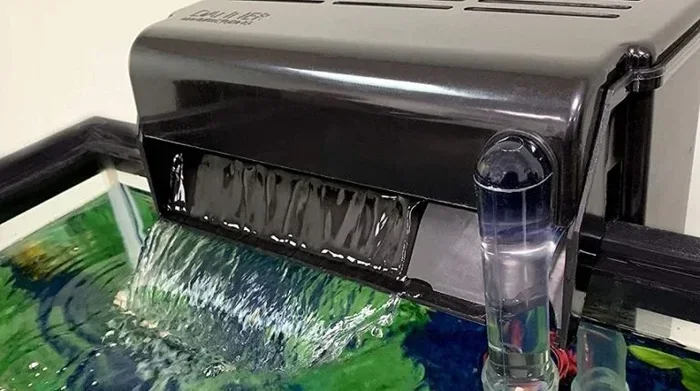
Visual guide about Why Does My Betta Fish Tank Have Bubbles
Image source: healthyhomeaquarium.com
1.1 Filters and Powerheads
Internal, hang‑on‑back (HOB), or canister filters push water through a media chamber. As water rushes over the filter media, tiny air pockets become trapped and released as bubbles. If the flow is too strong for a betta, you’ll see a constant stream of bubbles at the surface.
Fix: Reduce the flow rate. Many filters have a dial or a sponge insert that slows water movement. A slower flow mimics the still waters bettas love.
1.2 Air Stones and Diffusers
Air stones are popular for adding oxygen, but bettas are surface breathers and do not need a lot of aeration. An air stone can create a steady stream of fine bubbles that look like foam.
Tip: Turn the air stone off at night, or replace it with a gentle sponge filter that produces fewer bubbles.
1.3 Water Changes and Refilling
When you add new water, the turbulence can trap air. This is especially true if you pour water from a height. The result is a temporary cloud of bubbles that settles after a few minutes.
Pro tip: Use a water‑changing pitcher or a siphon that pours water close to the water line to minimize agitation.
2. Betta‑Generated Bubbles: Natural Behaviors
Betta fish are famous for their bubble‑nest building. This is a normal, healthy activity, especially in males during breeding season.
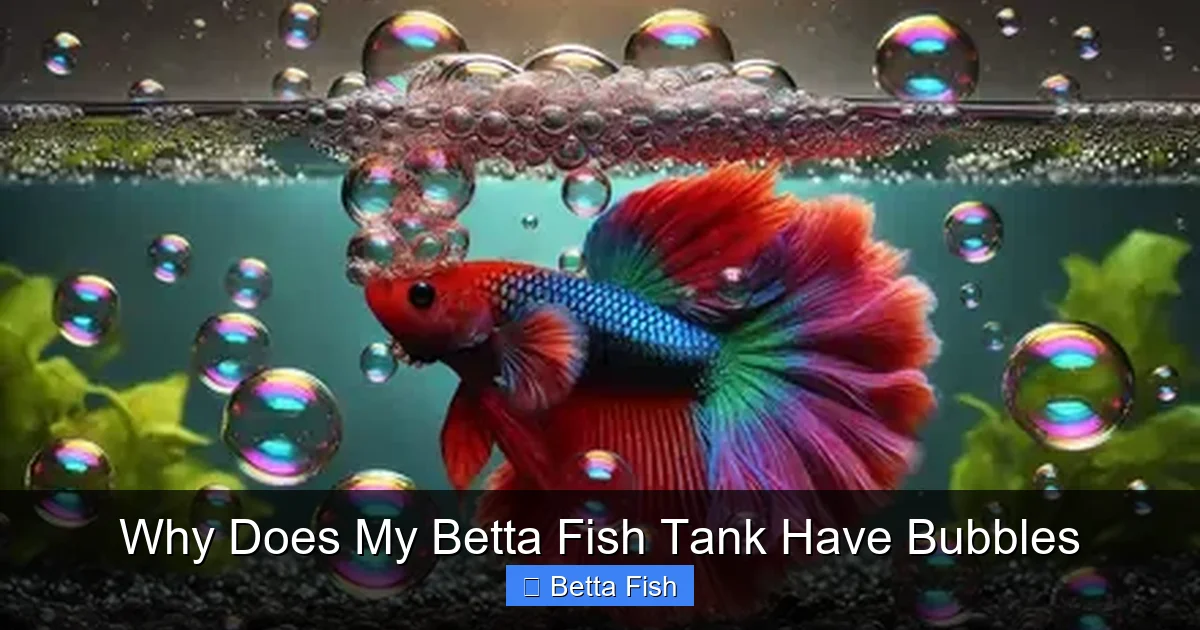
Visual guide about Why Does My Betta Fish Tank Have Bubbles
Image source: fishtanko.com
2.1 Bubble‑Nest Construction
Male bettas gulp air from the surface, coat it with mucus, and release it as a “bubble.” These bubbles stick together and form a floating nest. Seeing a cluster of larger bubbles near the water’s surface usually means your betta is preparing to breed.
If you’re curious about the process, read more in our article Why Did My Betta Fish Make A Bubble Nest. It explains the timing and how to encourage a strong nest.
2.2 Surface Gulping for Oxygen
Even though bettas have a labyrinth organ, they still like to take a quick breath at the surface. When they do, they may release a small bubble that rises slowly. This is completely normal and not a sign of distress.
2.3 Stress‑Induced Bubble Production
Sometimes a stressed betta will blow more bubbles than usual. Over‑crowding, sudden temperature changes, or poor water quality can trigger this behavior. If you notice a sudden increase in bubbles along with erratic swimming, check the water parameters.
3. Water Quality and Chemical Causes
Water chemistry can turn harmless bubbles into frothy, white “foam” that looks alarming.
3.1 High Organic Load
Uneaten food, fish waste, and decaying plant matter release proteins that act like soap. When these proteins meet oxygen, they create a foamy layer on the surface. This is often mistaken for “bubbles.”
Solution: Perform a partial water change (20‑30%) and remove any excess food. Use a fine‑mesh net to skim debris.
3.2 Low Dissolved Oxygen
If the water is low in oxygen, the surface tension changes, causing tiny bubbles to form and linger. This can happen in small, un‑aerated tanks.
Adding a gentle air stone for a few hours a day can raise oxygen levels without overwhelming the betta.
3.3 pH and Hardness Shifts
Sudden changes in pH or hardness can cause gases to come out of solution, forming bubbles. Test your water weekly with a reliable kit.
Maintain a stable pH (around 6.5‑7.5) and consistent hardness to keep the environment calm.
4. Tank Setup and Décor Influences
What you put in the tank can affect how light reflects and how bubbles appear.
4.1 Smooth Surfaces and Glass
Glass or acrylic tank walls reflect light, making any small bubble look larger. Adding a dark background or using a matte substrate can reduce glare.
4.2 Plants and Cover
Live or silk plants provide hiding spots and can trap bubbles, releasing them later. If you see bubbles popping near a leaf, it’s likely the plant releasing trapped air.
4.3 Heater and Thermometer Placement
Heaters create convection currents that move water upward, carrying tiny air pockets to the surface. Position the heater away from the surface to lessen bubble formation.
5. When Bubbles Signal a Problem
Most bubbles are harmless, but a few situations require immediate attention.
5.1 Persistent White Foam
Thick, creamy foam that does not dissipate after a water change may indicate a bacterial bloom or excess organics. This can stress your betta and lead to disease.
Increase filtration, reduce feeding, and consider adding a water conditioner that detoxifies ammonia.
5.2 Bubbles Inside the Fish
If you see bubbles under the skin or around the eyes, it could be a sign of a swim bladder issue or internal infection. This is a medical problem, not a tank issue.
Consult a vet or an experienced hobbyist for treatment options.
5.3 Sudden Increase in Bubble Production
When a betta suddenly releases many bubbles, check for temperature spikes, water contamination, or aggressive tank mates (if you have a community setup). Rapid changes can cause stress.
Read our guide Why Did My Betta Fish Jump Out Of The Tank for more on stress triggers.
6. Practical Tips to Manage Bubbles
Here are easy, everyday actions you can take to keep bubbles under control.
- Adjust flow: Turn down filter speed or add a pre‑filter sponge.
- Limit aeration: Use a small air stone only when needed, and turn it off at night.
- Regular water changes: Replace 20‑30% of water weekly to remove organics.
- Clean décor: Rinse plants, rocks, and the tank walls to prevent bio‑film buildup.
- Monitor temperature: Keep water between 76‑80°F (24‑27°C) for optimal betta health.
- Test water: Check ammonia, nitrite, nitrate, pH, and hardness weekly.
Conclusion: Bubbles Are Usually a Friend, Not a Foe
Now you know why does my betta fish tank have bubbles and how to respond. Most bubbles come from equipment, natural betta behavior, or minor water chemistry shifts. By adjusting flow, keeping the tank clean, and watching your fish’s behavior, you can enjoy a clear, bubble‑free view while still allowing your betta to build his beautiful nest.
Remember, a few bubbles are normal and even a sign of a happy, breeding‑ready male. Only worry when bubbles become frothy, persistent, or are accompanied by other signs of stress. With the simple steps above, your betta’s home will stay healthy, and you’ll have one less mystery to solve.
Frequently Asked Questions
Why are there bubbles only after I change the water?
Changing water creates turbulence that traps air. The bubbles usually disappear within a few minutes as the water settles.
My betta is making a lot of bubbles at the surface. Is this normal?
Yes, surface gulping and bubble‑nest building are natural behaviors. If the fish looks healthy and is eating well, the bubbles are a good sign.
Can a filter cause harmful bubbles?
A filter can create bubbles, but they are not harmful. However, a strong flow can stress a betta, so reduce the speed if you see constant bubbling.
What should I do if I see white, frothy bubbles that don’t go away?
Perform a partial water change, clean the substrate, and check your feeding amount. Persistent foam may indicate excess organics or a bacterial bloom.
Do I need an air stone for a betta tank?
Betta fish can breathe air from the surface, so an air stone is optional. If you use one, keep it gentle and turn it off at night.
How can I tell if bubbles are a sign of disease?
Look for other symptoms: loss of appetite, faded colors, or abnormal swimming. If bubbles are accompanied by these signs, consult a vet.