Is Bass Fishing Better in the Cold
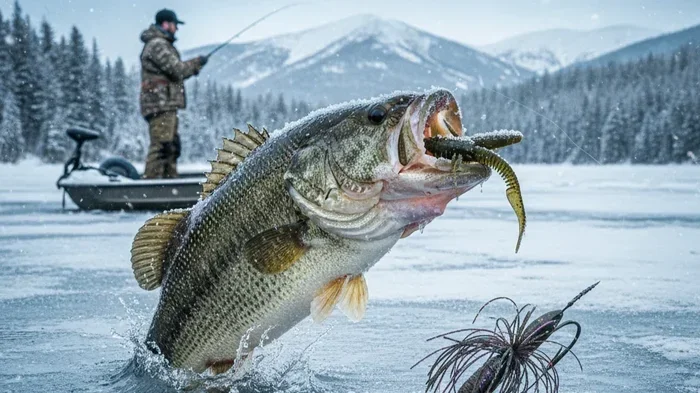
Is bass fishing better in the cold? The short answer is yes, but with some important caveats. Cold water changes how bass behave, where they feed, and what they bite. Understanding these shifts gives you a real edge on the water during winter months.
Fishing in cold weather can feel like a grind. You bundle up. You wait. And sometimes you wonder if it’s even worth it. But here’s the truth: bass fishing in cold water can be incredibly rewarding. The fish may not be as aggressive as they are in summer, but they are still there, still feeding, and still catchable.
Many anglers pack up their gear when temperatures drop. That’s a big mistake. Cold water bass fishing offers some unique advantages. Fewer people are on the water. The fish concentrate in predictable spots. And when you do hook into one, the fight can be just as exciting. Let’s break down why bass fishing in the cold is worth your time and how to do it right.
Key Takeaways
- Bass still feed in cold water: They slow down but don’t stop eating entirely.
- Water temperature is the key factor: Bass adjust their depth and activity based on how warm or cold the water is.
- Slow presentations work best: Cold bass won’t chase fast-moving baits. Keep your retrieve slow and steady.
- Deep water holds bass in winter: They seek stable temperatures in deeper holes and channels.
- Timing matters more in cold months: The warmest part of the day produces the best results.
- Gear and clothing make a difference: Staying comfortable lets you fish longer and stay focused.
📑 Table of Contents
- How Cold Water Affects Bass Behavior
- Best Water Temperatures for Cold Weather Bass
- Best Techniques for Bass Fishing in the Cold
- Where to Find Bass in Cold Water
- Gear and Clothing for Cold Weather Bass Fishing
- Common Mistakes When Bass Fishing in the Cold
- Expert Tips for Catching More Bass in Cold Weather
- Conclusion
How Cold Water Affects Bass Behavior
Understanding how bass react to cold water is the foundation of successful winter fishing. Bass are cold-blooded creatures. Their body temperature matches the water around them. When the water gets cold, everything about them slows down.
Metabolism and Feeding
Cold water means a slower metabolism. Bass need less food when it’s cold. Their digestion slows way down. This doesn’t mean they stop eating. It means they eat less often and with less urgency. A bass in cold water might only strike if the presentation is almost right in front of its nose.
This is why slow fishing techniques dominate in winter. A quick retrieve won’t trigger a reaction from a cold bass. They simply don’t have the energy to chase. You need to bring the bait to them and make it easy to eat.
Movement and Depth Changes
In warm months, bass roam shallow flats and chase baitfish freely. In cold water, they move deeper. They look for stable temperatures and comfortable zones. This migration to deeper water is one of the biggest changes anglers need to understand.
Bass also become more territorial in winter. They hold in specific spots and don’t roam much. Find those spots and you’ll find fish. This is where structure fishing becomes essential. Points, drop-offs, ledges, and submerged cover all become prime targets.
Best Water Temperatures for Cold Weather Bass
Not all cold water is the same. There’s a range where bass are still active enough to catch. Knowing this range helps you decide when to hit the water.
The Active Range
Bass feed most actively when water temperatures sit between 40 and 55 degrees Fahrenheit. Below 40 degrees, they become very sluggish. Above 55 degrees, they start moving around more and feeding more freely.
Here’s a quick breakdown of how bass behave at different temperatures:
- 55-65°F: Bass are moderately active. They feed regularly and can be caught with a variety of techniques.
- 45-55°F: Bass slow down but still feed. This is prime cold water fishing territory.
- 35-45°F: Bass are very sluggish. They feed minimally but can still be coaxed into biting.
- Below 35°F: Bass are almost inactive. Fishing becomes very challenging and slow.
Why Temperature Stability Matters
Bass don’t just care about the current temperature. They care about what the temperature is doing. A stable cold front is better than a dropping one. A slowly warming trend after a cold snap can trigger feeding. This is why fishing before and after weather changes can be so productive.
Many anglers swear by fishing right after a storm passes. The change in pressure and temperature can get bass moving. Check how fishing after a storm can impact your cold water results.
Best Techniques for Bass Fishing in the Cold
Technique is everything when bass fishing in cold water. What works in summer won’t work in winter. You need to adjust your approach to match the fish’s reduced energy levels.
Slow and Steady Retrieves
The number one rule for cold water bass fishing is to slow down. Strip your lure back slowly. Pause often. Let the bait sit motionless for a few seconds before moving it again. A cold bass may follow your bait for several seconds before deciding to strike. If you move too fast, you lose them.
Use a slow roll with spinnerbaits. Drag your jig slowly along the bottom. Retrieve your soft plastic at a pace that barely moves the bait. The slower you go, the more bites you’ll get.
Vertical Jigging
When bass are holding deep, vertical presentations work wonders. Drop a jig or a blade bait straight down near structure. Lift it slowly. Let it fall. Repeat. This method targets bass that are holding in deep water and not willing to chase horizontally.
Drop Shotting
The drop shot rig is a cold water favorite. It keeps your bait suspended at a specific depth. You can work it slowly right in front of a bass holding position. The subtle action is perfect for lethargic fish. Many top tournament anglers rely on drop shotting in winter months.
Using Live Bait in Cold Water
Live bait can be a game changer when bass fishing in cold weather. Shiners, minnows, and nightcrawlers give off natural movement and scent that cold bass find hard to resist. A live shiner fished on a bottom rig near deep structure can produce fish when nothing else will.
If you’re curious about how live bait compares to artificial lures, check out our guide on live bait versus artificial lures for freshwater fishing.
Where to Find Bass in Cold Water
Finding bass in winter is about locating the right structure and depth. They aren’t scattered around randomly. They hold in predictable places that offer comfort and food.
Deep Holes and Channels
Deep water is where bass go in winter. Look for holes that drop off quickly. Channel swings and creek beds that lead to deeper water are gold mines. Bass use these as travel routes and holding spots.
Submerged Structure and Cover
Bass relate to structure even in cold water. Fallen trees, rock piles, dock pilings, and submerged vegetation all provide cover. Fish these spots methodically. Use a fish finder if you have one. Even without electronics, you can find structure by watching for changes in bottom composition.
Shallow Water on Warm Days
Here’s a surprise for many anglers. On sunny winter days, bass sometimes move into shallow water. The sun warms the shallows faster than deep water. Bass follow that warmth. If you see shallow water warming up on a sunny day, don’t ignore it.
This is especially true during the midday hours when the sun is highest. Early morning and late afternoon are often better in deep water. But between 11 AM and 3 PM, the shallows can come alive with cold water bass.
Gear and Clothing for Cold Weather Bass Fishing
Fishing in the cold is uncomfortable if you’re not prepared. The right gear keeps you on the water longer and makes the experience more enjoyable.
Clothing Layers
Dress in layers. Start with a moisture-wicking base layer. Add an insulating mid layer. Top it with a windproof and waterproof outer shell. Your hands and feet get cold fastest. Wear insulated gloves and warm boots with good traction.
Rod and Line Choices
Use lighter line in cold water. Bass are less likely to feel heavy line in winter. A 6 to 8 pound fluorocarbon leader gives you stealth without sacrificing strength. For rods, a medium or medium-light action works well for the slow presentations cold water demands.
Electronics and Tools
A good fish finder is almost essential for winter bass fishing. You need to locate depth changes, structure, and baitfish quickly. Without electronics, you’re guessing. With them, you can pinpoint exactly where bass are holding.
Common Mistakes When Bass Fishing in the Cold
Even experienced anglers make mistakes in winter. Avoiding these errors can dramatically improve your success rate.
- Fishing too fast: This is the most common mistake. Cold bass won’t chase a fast bait. Slow everything down.
- Ignoring water temperature: Don’t just check the air temperature. A thermometer for the water tells you exactly what the bass are experiencing.
- Fishing at the wrong time: Early morning in winter is usually too cold. Midday is almost always better.
- Spending too little time on a spot: Cold water bass hold tight. Give each spot at least 10 to 15 minutes before moving.
- Using the wrong lure size: Downsized lures work better in cold water. A small finesse worm often outperforms a large crankbait.
Expert Tips for Catching More Bass in Cold Weather
Here are some pro tips that separate the winter bass anglers from the rest.
- Fish the warmest part of the day. Between 11 AM and 3 PM, water temps are at their peak for the day.
- Watch the barometric pressure. A falling or stable pressure before a storm can trigger feeding. Many anglers check how low pressure affects fishing to plan their trips.
- Use bright colors in stained water. In murky winter conditions, chartreuse and orange stand out more.
- Match the hatch. What baitfish are in the lake? Use lures that mimic them in size and color.
- Stay patient. Cold water fishing is slower. Accept that and you’ll enjoy the process more.
- Fish after a cold front passes. The post-frontal warming period often triggers a feeding window.
Some anglers also prefer night fishing in winter because the cold is less biting and bass can be more predictable. If you’re interested, learn more about whether bass fishing is better at night and how it compares to daytime cold water fishing.
Conclusion
Is bass fishing better in the cold? Yes, it absolutely can be. The key is understanding how cold water changes bass behavior and adjusting your approach accordingly. Slow down your presentations. Target deep structure. Fish during the warmest hours of the day. Dress properly so you can stay out there longer.
Winter bass fishing rewards those who are willing to put in the effort. The fish may be fewer in numbers, but the ones you catch are often bigger. They’ve been feeding all season and they’re ready to go on your offering if you present it right.
Next time the temperature drops, don’t pack up your gear. Grab your rod, dress warm, and head to your favorite spot. Cold water bass fishing might just become your new favorite way to fish. The quiet water, the crisp air, and the thrill of hooking into a bass on a slow winter day is hard to beat.
Frequently Asked Questions
What is the best water temperature for bass fishing in the cold?
The sweet spot for cold water bass fishing is between 40 and 55 degrees Fahrenheit. In this range, bass are still active enough to feed but slow enough to be targeted with patient, methodical techniques. Below 40 degrees, fishing gets much harder.
Do bass still eat in cold water?
Yes, bass still eat in cold water. Their metabolism slows down, so they eat less frequently. But they still need food to survive. A slow presentation with a natural-looking bait can trigger a strike even in very cold conditions.
What is the best lure for bass fishing in cold water?
Jigs, drop shots, and blade baits are among the best lures for cold water bass. They allow for slow, subtle presentations that match the reduced energy of winter bass. Live bait like shiners can also be extremely effective when artificial lures fail.
Is it worth fishing for bass in the winter?
Absolutely. Winter bass fishing offers fewer crowds and often targets bigger fish. Bass concentrate in predictable spots during cold months, which can make them easier to locate. The challenge is part of what makes it rewarding.
Should I fish deep or shallow in cold water?
Start with deep water in cold conditions. Bass hold in deeper holes and channels where temperatures are more stable. However, on sunny winter days, shallow water can warm up enough to attract bass. Try both depths and see what works on your specific water.
How do I stay comfortable while bass fishing in the cold?
Dress in layers with a moisture-wicking base and waterproof outer shell. Insulated gloves and warm boots are essential. Bring a thermos with a hot drink. Staying comfortable lets you fish longer and stay focused on the water.