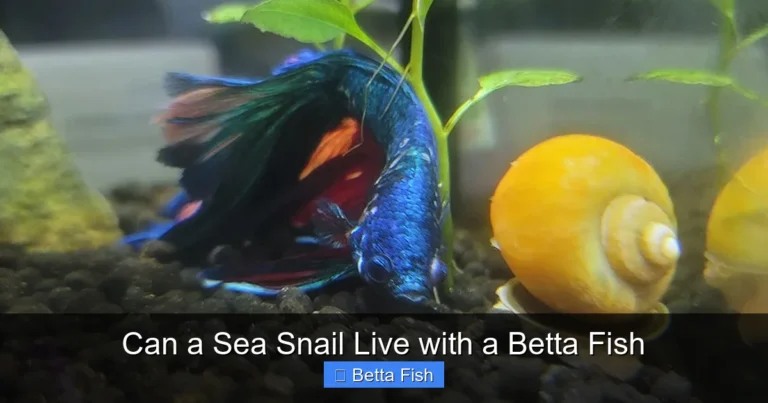
Why Does My Betta Fish Have One Big Eye
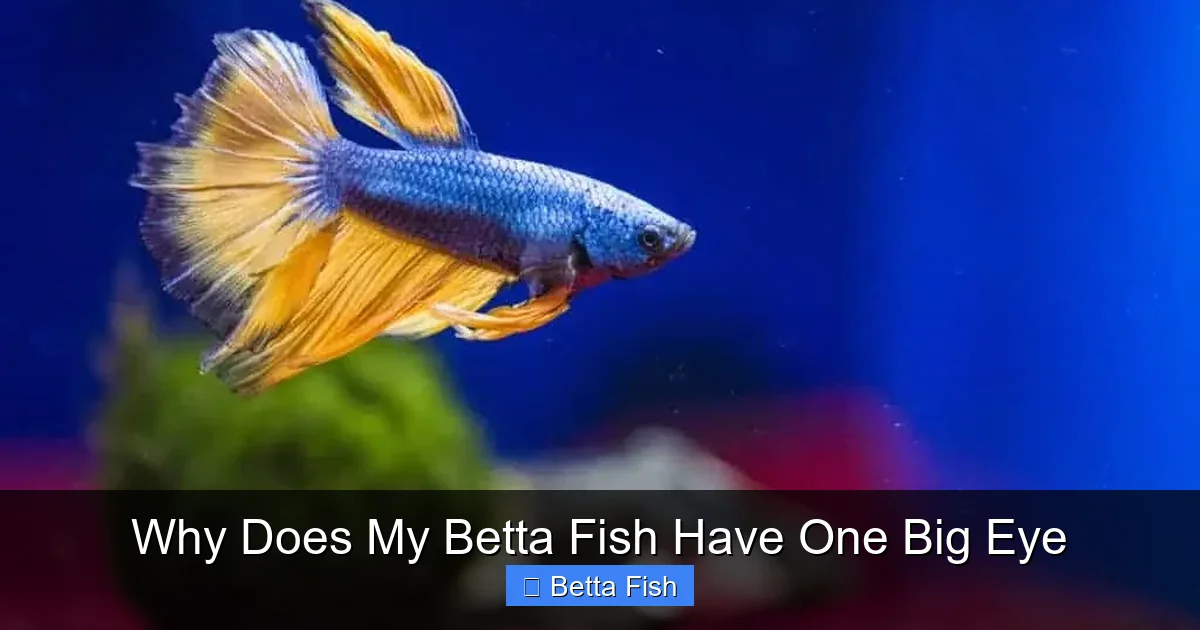
Seeing a betta with one eye looking larger than the other can be alarming. This article explains the common reasons behind a single swollen eye, how to spot warning signs, and what steps you can take to help your finned friend feel better again. Read on for easy-to-follow care tips and prevention ideas.
Key Takeaways
- Bulging eye often means a health issue: It can signal infection, injury, or internal problems.
- Water quality is critical: Poor parameters stress bettas and make eye problems more likely.
- Quick action helps: Early detection and treatment improve recovery chances.
- Isolation may be needed: Sick bettas should be moved to a hospital tank to avoid spreading disease.
- Regular checks prevent surprises: Routine observation catches eye swelling before it worsens.
- Consult a vet or specialist: Some cases need professional medication.
- Prevention is easier than cure: Proper diet, tank size, and clean water keep eyes normal.
📑 Table of Contents
- Introduction: When One Eye Looks Bigger Than the Other
- 1. Understanding the Anatomy of a Betta’s Eye
- 2. Common Causes of a Single Swollen Eye
- 3. How to Diagnose the Problem at Home
- 4. Treatment Options: From DIY to Professional Help
- 5. Preventing Future Eye Problems
- 6. Real‑World Example: Maya’s Betta “Jewel”
- Conclusion
Introduction: When One Eye Looks Bigger Than the Other
Imagine you’re watching your bright, flowing betta swim around its tank, and suddenly one eye looks puffier, almost like a tiny balloon. It’s a sight that can make any fish keeper pause and wonder, “Why does my betta fish have one big eye?” The good news is that, in most cases, the cause is treatable. The bad news? If you ignore it, the problem can quickly get worse.
In this friendly guide we’ll walk through the most common reasons a betta’s eye swells, how to spot the early signs, and step‑by‑step actions you can take right now. Think of it as a chat over coffee with a fellow hobbyist who’s been there and fixed it.
1. Understanding the Anatomy of a Betta’s Eye
How a healthy betta eye looks
A betta’s eye is a delicate, round organ surrounded by a thin, transparent membrane. In a healthy fish the eye is clear, the pupil is dark, and the surrounding skin is smooth. Any deviation—cloudiness, redness, or swelling—means something is off.
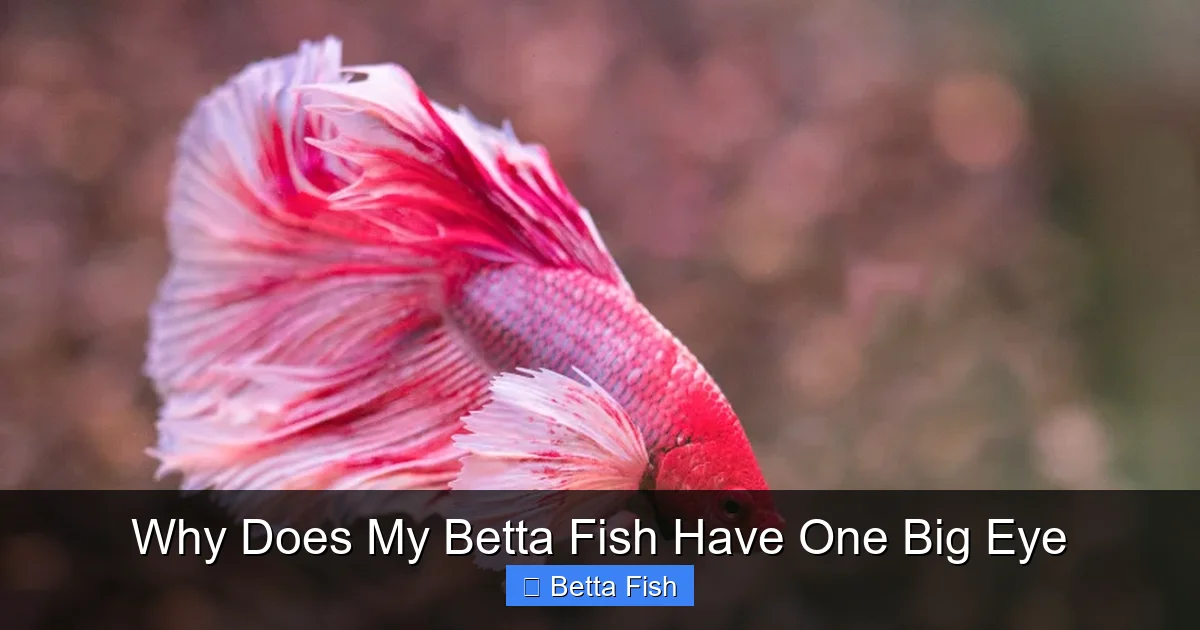
Visual guide about Why Does My Betta Fish Have One Big Eye
Image source: japanesefightingfish.org
Why the eye is a “canary in the coal mine”
Because the eye sits right next to the brain and the gill arches, problems that affect the eye often reflect larger health issues. Think of it as the fish’s way of waving a flag to tell you it needs help.
2. Common Causes of a Single Swollen Eye
2.1 Bacterial or fungal infection
Infections are the #1 culprit. Bacteria like Flavobacterium or fungi such as Saprolegnia can invade the eye after a tiny cut or a water‑quality slip. The eye may turn white, yellow, or reddish and feel “puffy.”

Visual guide about Why Does My Betta Fish Have One Big Eye
Image source: bettafishworld.com
2.2 Parasites (Velvet, Anchor Worms)
External parasites latch onto the skin and sometimes the eye surface, causing inflammation. Velvet disease, caused by Piscinoodinium, often starts with a hazy eye before spreading.
2.3 Physical injury
A bump against tank décor, a rough net, or an aggressive tank mate can bruise the eye. The swelling is usually localized and may be accompanied by a small bleed.
2.4 Poor water quality
High ammonia, nitrite, or a sudden pH shift irritates the delicate eye membrane. Even a slight rise in temperature can stress a betta enough to develop a bulging eye.
2.5 Internal organ problems (Swim bladder, Kidney)
When a betta’s kidney or swim bladder isn’t functioning, fluid can accumulate behind the eye, making it appear larger. This is less common but serious.
2.6 Tumors or growths
Rare, but neoplastic growths can push against the eye. If the swelling is firm and doesn’t improve with treatment, a vet’s evaluation is needed.
3. How to Diagnose the Problem at Home
3.1 Observe behavior
- Is the fish swimming erratically or rubbing the eye against objects?
- Is it eating normally?
- Any signs of discoloration on the body or fins?
3.2 Check water parameters
Test for ammonia, nitrite, nitrate, pH, and temperature. Ideal betta water: 78‑80°F, pH 6.5‑7.5, ammonia & nitrite at 0 ppm, nitrate below 20 ppm.
3.3 Perform a quick visual exam
Use a flashlight to look for redness, cloudiness, or puncture wounds. Compare the affected eye to the healthy one.
3.4 Decide if isolation is needed
If you suspect infection, move the betta to a hospital tank (minimum 2‑gal, filtered, heated). This prevents spread to other fish and lets you treat more effectively.
4. Treatment Options: From DIY to Professional Help
4.1 Simple water change & parameter reset
Start with a 25‑30% water change using conditioned water at the correct temperature. Repeat daily for three days while monitoring the eye.
4.2 Antibacterial or antifungal medication
For bacterial infections, a broad‑spectrum antibiotic like Maracyn 2 (active for 5 days) works well. For fungal issues, a dose of Methylene Blue or a commercially available antifungal can clear the problem.
4.3 Salt bath
A gentle salt bath (1 g of aquarium salt per 5 L of water) for 15‑20 minutes can reduce swelling and aid osmoregulation. Rinse with clean water afterward.
4.4 Treating parasites
For Velvet, add copper‑based medication at the recommended dosage. For anchor worms, a dip in a dilute formalin solution (25 ppm) for 10 minutes can dislodge them.
4.5 When to see a vet
If the eye stays swollen after 48‑72 hours of treatment, or if you notice bleeding, loss of appetite, or lethargy, professional help is needed. A fish‑veterinarian can prescribe stronger antibiotics or recommend surgery for tumors.
5. Preventing Future Eye Problems
5.1 Maintain pristine water
Regular weekly water changes (20‑30%) and a reliable filter keep ammonia low. Test kits are inexpensive and worth using.
5.2 Provide proper tank size
Betas need at least 5 gallons to swim comfortably. A cramped tank increases stress and the chance of injury. (See our guide on how big of a tank does a betta fish need.)
5.3 Choose safe décor
Smooth slate, live plants, and soft moss are safer than sharp rocks or plastic ornaments with rough edges.
5.4 Balanced diet
High‑quality betta pellets supplemented with occasional frozen or live foods (bloodworms, daphnia) boost immunity.
5.5 Monitor tank mates
If you keep other fish, make sure they’re peaceful. Aggressive tank mates can injure the betta’s eye. For more on compatible tank mates, read Can You Have Two Betta Fish In One Tank.
5.6 Regular health checks
Spend a few minutes each day watching your betta’s swimming pattern and eye appearance. Early detection is the best cure.
6. Real‑World Example: Maya’s Betta “Jewel”
Maya noticed that Jewel’s left eye looked swollen after a weekend away. She tested the water and found ammonia at 0.5 ppm—a small spike from a missed water change. Maya performed a 30% water change, added a salt bath, and isolated Jewel in a hospital tank. Within three days, the eye returned to normal size, and Jewel resumed normal feeding.
Maya’s story shows that quick action, good water maintenance, and a simple salt bath can save a betta from a potentially serious eye issue.
Conclusion
Seeing a betta with one big eye is a clear sign that something isn’t right, but it’s rarely a hopeless situation. By understanding the anatomy, recognizing common causes, and acting fast with proper water care and targeted treatment, you can often restore your fish’s eye to its normal, clear state. Remember to keep the tank clean, provide enough space, and watch for any changes in behavior. Your betta will thank you with vibrant colors and graceful fins for years to come.
Frequently Asked Questions
Why is my betta fish’s eye bulging?
Bulging can result from infection, parasites, injury, poor water quality, or internal organ issues. Identifying the cause helps you choose the right treatment.
Can I treat a swollen eye with home remedies?
Yes, a gentle salt bath and a clean water change are good first steps. For bacterial or fungal infections, a medication from a pet store is usually needed.
How long does it take for a betta’s eye to return to normal?
With proper treatment, most eyes improve within 3‑5 days. If there’s no change after a week, seek professional advice.
Should I isolate my betta if its eye is swollen?
Isolation in a hospital tank is recommended to prevent disease spread and to give you control over medication and water conditions.
Is a swollen eye a sign that my betta will die?
Not necessarily. Early detection and treatment greatly increase recovery chances. However, neglect can lead to severe complications.
Can poor diet cause eye problems in bettas?
A balanced diet supports the immune system, reducing the risk of infections that can cause eye swelling. Include high‑quality pellets and occasional live foods.