Seeing bubbles in your betta’s tank can be confusing, but most of the time it’s perfectly normal. This article explains the common reasons behind the bubbles, when they signal a problem, and easy steps to maintain a safe, sparkling home for your finned friend. Read on to keep your betta happy and bubble‑free!
Key Takeaways
- Nature of bubbles: Most bubbles are harmless air released by the fish or water movement.
- Bubble nests: Male bettas build nests when they are ready to breed; this is a sign of good health.
- Water quality clues: Excessive or strange bubbles can indicate poor oxygenation or water problems.
- Equipment check: Filters, heaters, and décor can create bubbles; proper setup prevents stress.
- Health monitoring: Sudden changes in bubbling behavior may signal illness or stress.
- Maintenance tips: Regular water changes, proper aeration, and tank cleaning keep bubbles in check.
- When to act: If bubbles are accompanied by gasps, lethargy, or discoloration, seek a vet or adjust tank conditions.
📑 Table of Contents
- Introduction: The Curious Case of the Bubbly Betta
- 1. Natural Bubble Production: The Betta’s Own Breath
- 2. Bubble Nests: The Betta’s Love Letter
- 3. Equipment‑Generated Bubbles
- 4. Water Quality and Chemical Factors
- 5. Health Issues Signaled by Bubbles
- 6. Preventive Measures and Maintenance Routines
- Conclusion: Bubbles Are a Conversation, Not a Crisis
Introduction: The Curious Case of the Bubbly Betta
Imagine you’re watching your betta swim gracefully when—suddenly—tiny bubbles start dancing around his fins. You might wonder, “why does my betta fish have bubbles in his tank?” It’s a question many new owners ask, and the answer isn’t always straightforward.
In this guide we’ll break down every reason bubbles can appear, from the perfectly normal to the warning‑sign of trouble. You’ll learn how to read your betta’s bubbly language, adjust your setup, and keep the water crystal clear. Let’s dive in—no scuba gear required!
1. Natural Bubble Production: The Betta’s Own Breath
How bettas gulp and release air
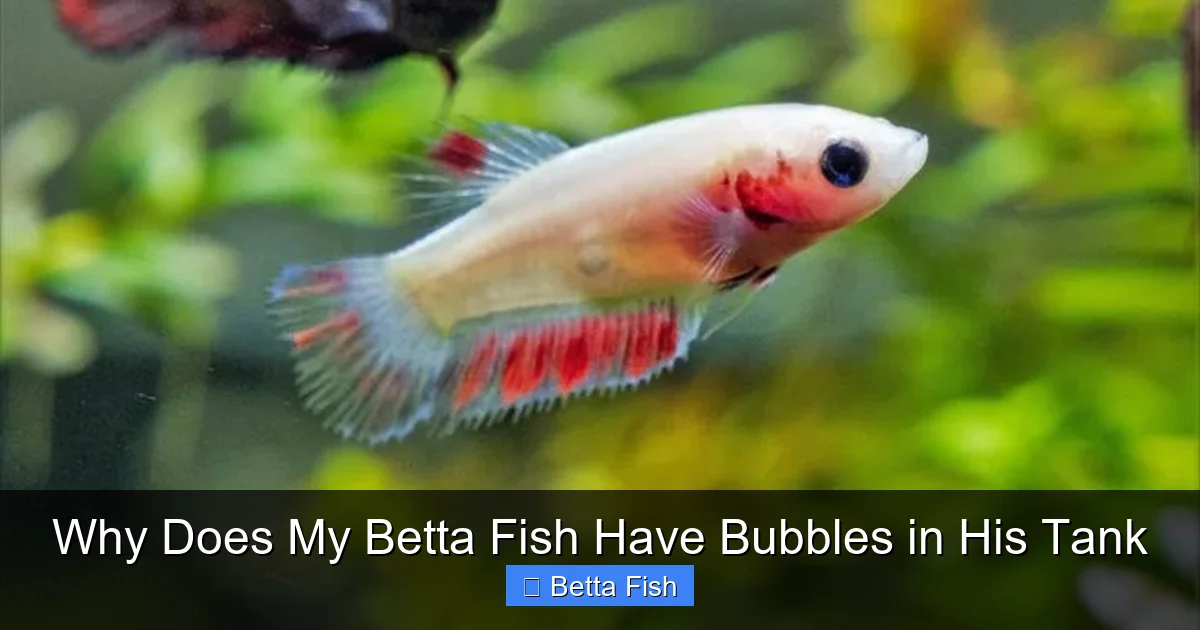
Betta fish have a unique respiratory system. They are labyrinth fish, meaning they can breathe air from the surface using a special organ called the labyrinth. When they surface, they take a gulp of oxygen‑rich air and later release the excess as tiny bubbles.
Visual guide about Why Does My Betta Fish Have Bubbles in His Tank
Image source: i.pinimg.com
What the bubbles look like
These bubbles are usually small, round, and rise slowly to the surface before popping. You’ll often see them near the water’s edge or clinging to the fish’s fins for a moment.
Tips to observe
- Watch your betta after a feeding; bubbles often appear when he’s most active.
- Note the size and frequency—consistent, tiny bubbles are normal.
2. Bubble Nests: The Betta’s Love Letter
Why male bettas build nests
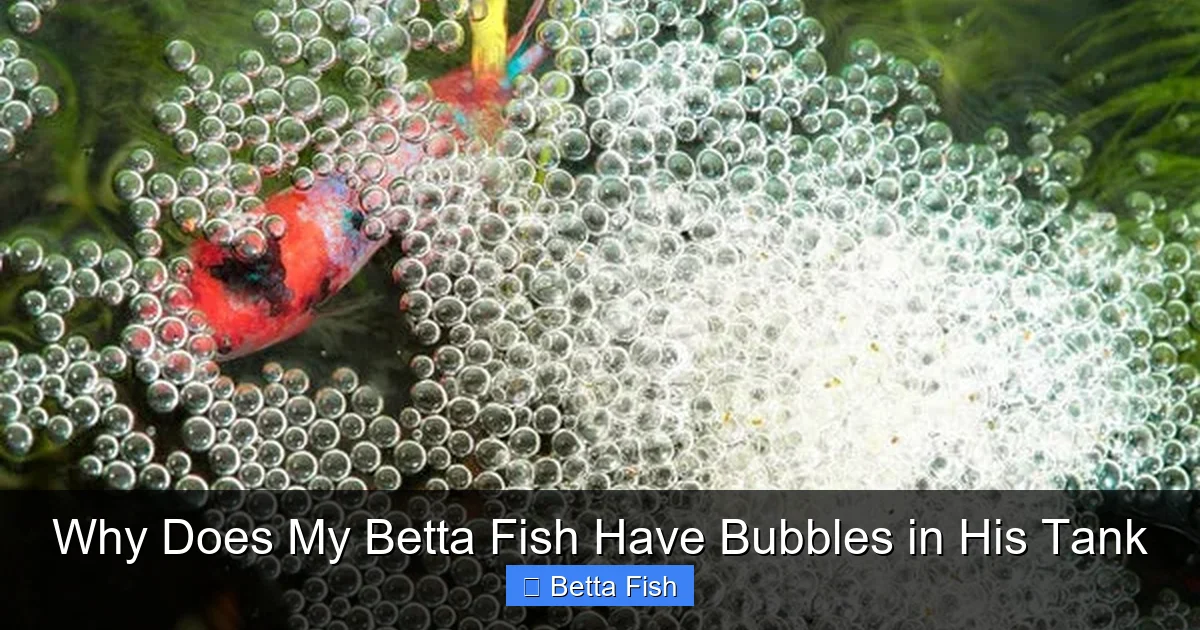
When a male betta is ready to breed, he creates a “bubble nest” on the water’s surface. This is his way of saying, “I’m prepared for a mate!” The nest looks like a fluffy, white cloud of bubbles held together by a thin film of mucus.
Visual guide about Why Does My Betta Fish Have Bubbles in His Tank
Image source: cdn.shopify.com
How to tell a nest from stray bubbles
A nest is usually larger, more cohesive, and stays in one spot. Stray bubbles drift apart quickly. If you notice a neat, round patch of bubbles near the top, your betta might be getting ready to spawn.
Encouraging a healthy nest
- Maintain water temperature around 78‑80°F (25‑27°C).
- Provide a calm surface—avoid strong currents.
- Use a shallow tank (at least 5 gallons) with a lid to keep the nest intact.
For more details on nest building, see our article Why Did My Betta Fish Make A Bubble Nest.
3. Equipment‑Generated Bubbles
Filters and air stones
Many hobbyists add air stones or sponge filters to improve oxygenation. These devices create a steady stream of bubbles that can be mistaken for fish‑produced bubbles.
Heaters and water movement
Some heaters have a small vent that releases air. Likewise, a strong filter flow can cause water to splash against the glass, forming bubbles.
What to check
- Turn off the filter for a minute; if bubbles disappear, the equipment is the source.
- Inspect the heater for tiny vent openings.
- Adjust flow rate to a gentle setting to reduce surface agitation.
4. Water Quality and Chemical Factors
Low dissolved oxygen
If the water lacks enough oxygen, bettas will surface more often, gulping extra air and releasing more bubbles. This can happen in over‑crowded tanks or when the water is too warm.
Ammonia spikes and pH shifts
High ammonia or a sudden pH change can stress a betta, causing rapid breathing and more bubble release. Always test your water weekly.
Practical water‑care checklist
- Perform a 25% water change weekly.
- Use a liquid test kit to monitor ammonia, nitrite, nitrate, and pH.
- Keep temperature stable; fluctuations cause stress.
5. Health Issues Signaled by Bubbles
Swim bladder disorder
When a betta’s swim bladder is affected, he may gulp excessive air to correct buoyancy, leading to a flurry of bubbles. Look for upside‑down swimming or floating at the surface.
Gill disease or infection
Infected gills can impair oxygen uptake, prompting the fish to gulp more air. Symptoms include reddened gills, rapid breathing, and lethargy.
When to intervene
- If bubbles are accompanied by gasping, loss of appetite, or discoloration, act quickly.
- Quarantine the fish in a separate hospital tank with clean, dechlorinated water.
- Consider a water conditioner that treats ammonia and nitrite.
Read more about potential health problems in our guide Why Is My Betta Fish Blowing Bubbles.
6. Preventive Measures and Maintenance Routines
Setting up a bubble‑friendly environment
Even though bubbles are often harmless, a well‑maintained tank reduces unnecessary stress. Here’s a quick routine:
- Choose the right size: At least 5 gallons for a single betta.
- Use a gentle filter: Sponge or hang‑on‑back filters with low flow.
- Cover the tank: Prevents fish from jumping and reduces surface disturbance.
- Decor wisely: Provide plants (real or silk) for hiding spots; avoid sharp ornaments.
- Monitor temperature: Keep a reliable heater and thermometer.
Daily and weekly tasks
- Check for stray bubbles each morning; note any changes.
- Feed small amounts 2‑3 times a day to avoid over‑feeding.
- Inspect the water for cloudiness or foul odor.
- Test water parameters weekly.
Conclusion: Bubbles Are a Conversation, Not a Crisis
When you ask, “why does my betta fish have bubbles in his tank?” the answer is rarely a single one. Bubbles can be a sign of healthy respiration, a budding bubble nest, equipment activity, or a warning flag for water quality or health issues. By observing the size, location, and frequency of the bubbles—and by keeping up with regular tank maintenance—you’ll quickly learn what each bubble means.
Remember, a happy betta is a curious betta. Embrace the bubbles as part of his unique personality, and you’ll enjoy many more vibrant displays in a clean, well‑balanced home.
Frequently Asked Questions
Why are there bubbles on the surface of my betta’s tank?
Surface bubbles are usually caused by the fish gulping air from the labyrinth organ or by gentle water movement from a filter or heater vent.
Is a bubble nest a sign that my betta is ready to breed?
Yes. Male bettas build bubble nests when they are mature and seeking a mate. A tidy, floating cluster of bubbles indicates breeding readiness.
Can too many bubbles indicate poor water quality?
Excessive bubbling can mean low dissolved oxygen or high ammonia, prompting the fish to surface more often. Test your water and perform a partial change if needed.
Should I remove bubbles that I see in the tank?
Most bubbles are harmless and don’t need removal. Only intervene if bubbles are accompanied by signs of stress, such as gasping or lethargy.
How often should I check my tank for bubble-related issues?
Make it a habit to glance at the water surface daily. Note any sudden changes in bubble size or frequency and investigate the cause.
What equipment can I add to reduce unwanted bubbles?
A low‑flow sponge filter or adjusting the current on an existing filter can minimize surface agitation. Ensure any air stone is placed away from the tank’s top edge.


