Is It Possible to Have a Fat Pet Betta Fish
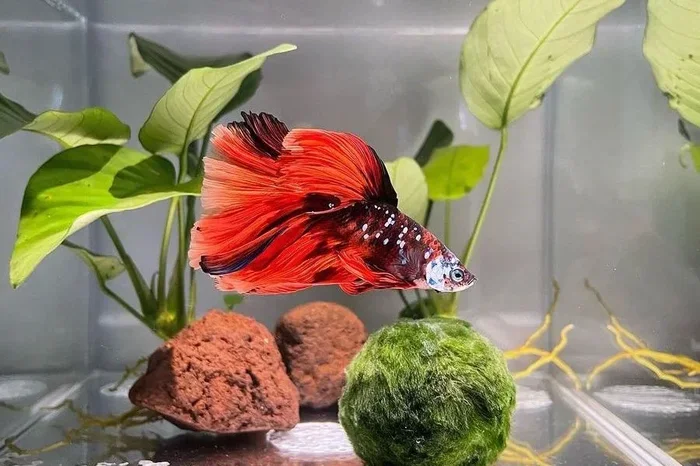
Yes, it is possible to have a fat pet betta fish. Just like other pets, bettas can become overweight due to overfeeding, poor diet, and lack of exercise. A fat betta fish may look cute, but excess weight can lead to serious health problems like swim bladder disease, constipation, and a shortened lifespan. Understanding what causes weight gain and how to manage it is key to keeping your betta healthy and active.
Many betta fish owners love the plump, rounded look of a well-fed fish. There is something undeniably adorable about a chubby betta swimming around its tank. But behind those cute round cheeks, a bigger question looms. Can a betta fish actually be too fat? And if so, what does that mean for its health and happiness?
The truth is, a fat betta fish is more common than most people think. Overfeeding is one of the most frequent mistakes new fish owners make. It is easy to do, too. You drop in a few pellets, watch your fish gobble them up, and feel like a great pet parent. But those extra calories add up fast. Unlike dogs or cats, bettas do not have the luxury of roaming and burning off excess energy. They live in a small tank. Their activity level is limited. This means every extra bite counts.
So, is it possible to have a fat pet betta fish? Absolutely. And the good news is that you can do something about it. This guide covers everything you need to know about betta fish weight. We will look at what causes weight gain, how to spot an overweight fish, the health risks involved, and practical steps to help your betta get back to a healthy size. Let us dive right in.
Key Takeaways
- Betta fish can become overweight: Overfeeding and poor diet are the main culprits behind a fat betta fish.
- Weight gain affects health: An overweight betta faces risks like swim bladder issues, bloating, and reduced mobility.
- Diet plays a huge role: Feeding the right foods in proper portions is the single most important factor in maintaining a healthy betta weight.
- Tank environment matters: Tank size, water quality, and enrichment all contribute to your betta’s overall fitness and well-being.
- Weight loss is possible: With a structured feeding plan and proper care, you can help an overweight betta slim down safely.
- Prevention is easier than treatment: Establishing good feeding habits early helps you avoid weight problems altogether.
📑 Table of Contents
- What Does a Fat Betta Fish Look Like?
- Why Do Betta Fish Become Overweight?
- Health Risks of an Overweight Betta Fish
- How to Tell if Your Betta Fish Is Fat or Sick
- How to Help Your Fat Betta Fish Lose Weight
- Preventing Weight Problems in Betta Fish
- Common Mistakes That Lead to a Fat Betta Fish
- Expert Insights on Betta Fish Weight Management
- Conclusion
What Does a Fat Betta Fish Look Like?
A healthy betta fish has a streamlined, slightly rounded body. When viewed from above, it should taper gently from the head to the tail. A fat betta fish looks noticeably different. The body becomes round and bloated. The belly may hang low. The fish might struggle to swim properly or stay upright.
Healthy vs. Overweight Betta Body Shape
It helps to know what a healthy betta looks like before you can spot a problem. A betta at a proper weight has these features:
- A smooth, slightly curved body profile
- Even coloration across the body
- Active swimming behavior
- Clear eyes and fins held upright
- A belly that is only slightly rounded, not bulging
An overweight betta, on the other hand, shows these signs:
- A very round, distended belly
- Scales that may appear spaced apart or raised
- Difficulty swimming or staying balanced
- Lethargy and reduced activity
- A fish that floats to the top or sinks to the bottom
The difference can be subtle at first. But once you know what to look for, it becomes much easier to judge your fish’s body condition. Regular observation is your best tool here.
Why Do Betta Fish Become Overweight?
Several factors contribute to weight gain in betta fish. Understanding these causes is the first step toward prevention and treatment. Most of the time, the problem starts with how and what you feed your fish.
Overfeeding
This is the number one cause of a fat betta fish. Bettas have tiny stomachs. In the wild, they eat small amounts of food throughout the day. Many owners misunderstand this and dump large portions into the tank all at once. The betta eats everything because food is scarce in a tank environment. The excess food either goes uneaten and rots, or it gets digested and stored as fat.
A good rule of thumb is to feed your betta only what it can consume in two minutes. Two to three pellets per feeding, twice a day, is usually plenty for an adult betta.
Too Many Treats
Bettas love treats. Bloodworms, brine shrimp, and daphnia are all delicious for them. But these are high in fat and protein. Think of them like candy for your fish. Giving treats every day can quickly lead to weight gain. Treats should make up no more than 10% of your betta’s diet. The rest should come from high-quality betta pellets or flakes.
It is worth noting that some treats, like freeze-dried bloodworms, expand in the stomach. This can cause bloating that looks similar to being overweight. Always soak freeze-dried foods before feeding them to your betta.
Lack of Exercise
Bettas are not active swimmers by nature. They prefer calm water and do not need a lot of space to stay healthy. However, a too-small tank or a tank with no enrichment can lead to a sedentary lifestyle. A betta that has nowhere to explore and nothing to do will burn very few calories. Over time, this leads to weight gain even with normal feeding.
Adding plants, caves, and other decorations gives your betta reasons to swim and explore. This light activity helps maintain a healthy weight.
Poor Water Quality
This one might surprise you. When water quality drops, bettas become stressed. Stressed fish often eat more and move less. Dirty water also affects digestion and metabolism. If you are not doing regular water changes, your betta’s overall health, including its weight, can suffer. If you want to learn more about keeping your tank clean, check out this guide on do betta fish have to have water changes for helpful tips on maintaining proper tank hygiene.
Health Risks of an Overweight Betta Fish
Letting your betta get too fat is not just a cosmetic issue. Excess weight puts real strain on your fish’s body. The health consequences can be serious and even life-threatening.
Swim Bladder Problems
The swim bladder is an organ that helps bettas control their buoyancy. When a betta is overweight, fat deposits can press against the swim bladder. This leads to difficulty swimming, floating upside down, or sinking to the bottom. Swim bladder disease is one of the most common issues linked to obesity in bettas.
Constipation and Digestive Issues
An overweight betta often suffers from constipation. The digestive system struggles to process excess food. This causes bloating, loss of appetite, and discomfort. In severe cases, constipation can become a life-threatening emergency. If you notice your fish straining or producing no waste, this is a red flag.
Shortened Lifespan
A healthy betta fish can live 3 to 5 years, sometimes longer. But an overweight betta often has a shorter lifespan. The extra weight stresses the heart, liver, and other organs. Over time, this leads to organ failure and a decline in overall health. Keeping your fish at a proper weight is one of the best things you can do to help it live a long, happy life.
Increased Susceptibility to Disease
Obesity weakens the immune system. An overweight betta is more vulnerable to infections, parasites, and diseases. If your fish does get sick, recovery takes longer when the body is already under stress from excess weight. Maintaining a healthy body condition gives your betta the best defense against illness.
How to Tell if Your Betta Fish Is Fat or Sick
This is a crucial distinction that many owners miss. A fat betta fish and a sick betta fish can look very similar. Bloating, a round belly, and lethargy can all signal either obesity or disease. Knowing the difference matters because the treatment is completely different.
Signs That Point to Obesity
- The belly is round and even all the way around
- The fish has been gaining weight gradually over weeks
- The fish is still eating with enthusiasm
- Coloration remains vibrant and even
- The fish is alert and responsive
Signs That Point to Illness
- The belly is swollen or lopsided
- The fish has stopped eating or eats very little
- The scales are standing out like a pinecone (a sign of dropsy)
- The fish is hiding or staying still at the bottom
- Fins are clamped close to the body
- There is visible redness, swelling, or lesions
If you are ever unsure, it is always best to consult with a vet or experienced aquarist. When in doubt, it is safer to assume illness and seek help. You can also check out our guide on how to know if a betta fish is dying for more information on recognizing serious health warning signs in your fish.
How to Help Your Fat Betta Fish Lose Weight
If you have determined that your betta is overweight, do not panic. Weight loss is absolutely possible with the right approach. The key is to make changes gradually. Drastic diet changes can stress your fish and cause more problems.
Step 1: Adjust the Feeding Schedule
Start by reducing the amount of food you give. Feed smaller portions more frequently rather than large meals. Instead of three large pellets twice a day, try two small pellets three times a day. This mimics the natural eating pattern of wild bettas and helps the digestive system work more efficiently.
Step 2: Improve Diet Quality
Switch to a high-quality betta pellet as the staple food. Look for pellets where the first ingredient is whole fish or fish meal, not fillers like wheat or corn. Avoid feeding fatty treats every day. Reserve bloodworms and shrimp for once or twice a week as a special reward.
Step 3: Introduce Fasting Days
Fasting is a natural part of a betta’s eating cycle in the wild. Skipping one day of feeding per week gives the digestive system a chance to rest and process any remaining food. This helps prevent constipation and bloating. Many experienced betta keepers fast their fish one day a week and have seen great results.
Step 4: Encourage Movement
Add more decorations and plants to your tank to give your betta something to explore. You can also try feeding pellets at the opposite end of the tank from where your fish usually hangs out. This encourages swimming and adds a little extra exercise to the daily routine.
Step 5: Monitor Progress
Weighing a fish is tricky, but you can track progress visually. Take photos of your betta from the top every week. Compare the body shape over time. You should see the belly gradually become less round and more streamlined. If your fish is not improving after two to three weeks, consider reducing food even further or consulting a professional.
If your betta’s condition seems serious, it is worth seeking expert advice. You can learn more about helping a sick betta recover in our article on how to help a betta fish that is sick, which covers a wide range of health concerns and treatments.
Preventing Weight Problems in Betta Fish
Prevention is always easier than treatment. A few simple habits can keep your betta at a healthy weight for its entire life. Here are the best practices every betta owner should follow.
Stick to a Feeding Schedule
Feed your betta at the same times every day. Consistency helps regulate metabolism and prevents overeating. Morning and evening feedings work well for most owners. Set a reminder on your phone if you need to until it becomes a habit.
Measure Portions Carefully
Do not eyeball the food. Use a small feeding spoon or count pellets carefully. Two to three pellets per feeding is usually the right amount. If your betta leaves food behind, you are giving too much. Remove uneaten food after five minutes to keep the tank clean.
Choose the Right Tank Size
A bigger tank gives your betta more room to swim. Even though bettas do not need huge tanks, a 5-gallon tank is the recommended minimum. A cramped tank leads to a sedentary lifestyle. If you want to learn more about tank setup, you might find our article on can you have a filter with a betta fish helpful for understanding the right equipment for your setup.
Keep Water Quality High
Clean water reduces stress and supports healthy digestion. Perform partial water changes every week. Test the water parameters regularly. A well-maintained tank is the foundation of a healthy, happy betta.
Limit Treats and Variety
Variety in the diet is good, but only in moderation. Offer different foods throughout the week, but keep treats to a minimum. A rotation of pellets, frozen bloodworms, and brine shrimp works well. Just remember that treats are not the main course.
Common Mistakes That Lead to a Fat Betta Fish
Even experienced owners can fall into habits that cause weight gain. Here are the most common mistakes to avoid:
- Overfeeding out of guilt. Many owners feel bad leaving their fish alone all day. They compensate by giving extra food when they get home. This is one of the fastest ways to make a betta overweight.
- Using the wrong food. Cheap fish flakes are full of fillers and have little nutritional value. Bettas need protein-rich foods designed for their dietary needs.
- Feeding too often. Some owners feed their betta three or four times a day. Twice a day is plenty. More than that leads to excess calorie intake.
- Ignoring portion control. “A few more pellets” quickly adds up. Be disciplined and stick to measured portions every time.
- Not adjusting for age. Older bettas are less active and need fewer calories. Adjust the feeding amount as your fish ages to match its lower energy needs.
Expert Insights on Betta Fish Weight Management
Veterinarians and experienced aquarists agree on one thing. A healthy betta is a betta at a proper weight. Dr. Jessie Sanders, a certified aquatic veterinarian, often emphasizes that diet is the single most important factor in betta health. He recommends high-quality pellets as the foundation of every betta diet and warns against the overuse of treats.
Experienced betta keepers also stress the importance of observation. Paying attention to your fish every day helps you catch weight changes early. A fish that suddenly gains or loses weight may be telling you something important about its health or environment.
Remember, a round belly does not always mean a happy fish. In the case of bettas, it often means a fish that needs dietary adjustments. Your goal is a fish that is active, alert, and at a weight where it swims with ease and eats with enthusiasm.
Conclusion
So, is it possible to have a fat pet betta fish? Yes, it is. But being a responsible owner means recognizing the problem and taking action. A fat betta fish faces real health risks that can shorten its life and reduce its quality of living. The good news is that weight management is entirely within your control.
Start by reviewing what and how much you feed your betta. Make small, gradual changes to the diet and feeding schedule. Add more enrichment to the tank to encourage movement. Monitor your fish closely and adjust as needed. With patience and consistency, you can help your betta reach and maintain a healthy weight.
Your betta depends on you for everything. Food, water quality, tank environment, and overall care all rest on your shoulders. A well-informed owner is the greatest gift a betta fish can have. Take what you have learned here, apply it daily, and enjoy watching your betta thrive at a healthy, happy weight for years to come.
Frequently Asked Questions
Can a fat betta fish die from being overweight?
Yes, severe obesity can contribute to organ failure and a shortened lifespan in betta fish. While being fat alone may not kill a betta directly, the health complications that come with excess weight, such as swim bladder disease and heart strain, can be fatal if left unaddressed.
How can I tell if my betta fish is fat or just bloated?
A fat betta has a round, even belly and remains active and interested in food. A bloated betta often has a swollen, uneven belly, may stop eating, and shows signs of discomfort like clamped fins or staying at the bottom of the tank. Bloating can also be caused by constipation or disease, so observation is key.
What is the best diet for a betta fish to maintain a healthy weight?
A high-quality betta pellet should make up the bulk of the diet. Supplement with frozen or live foods like bloodworms and brine shrimp a few times a week. Avoid feeding only treats, and always stick to measured portions twice a day to prevent overfeeding.
Should I fast my overweight betta fish?
Yes, fasting once a week is a safe and effective way to help an overweight betta digest remaining food and reset its eating cycle. Skip feeding for one full day each week. This mimics natural feeding patterns and supports healthy digestion.
How long does it take for a fat betta fish to lose weight?
Weight loss in bettas is a gradual process. It can take several weeks to a couple of months to see noticeable changes. Be patient and make slow adjustments to the diet. Rapid changes can stress your fish and cause additional health problems.
Can I exercise my betta fish to help it lose weight?
Bettas are not very active swimmers, but you can encourage movement by adding tank decorations, plants, and caves for exploration. You can also place food at different spots in the tank to encourage swimming. This light activity supports overall fitness and helps burn extra calories.