What Water Does Betta Fish Need

Betta fish thrive in clean, warm, and slightly acidic water that mimics their natural Southeast Asian habitats. By choosing the right water type, maintaining stable temperature, and monitoring parameters, you’ll give your Betta the best chance for a long, vibrant life.
Key Takeaways
- Pure, conditioned water: Use dechlorinated tap water or high‑quality bottled water.
- Temperature matters: Keep the water between 76°F‑82°F (24°C‑28°C) for optimal health.
- pH and hardness: Aim for a pH of 6.5‑7.5 and soft to moderately hard water.
- Tank size: A minimum of 5 gallons provides stable water conditions.
- Regular water changes: Replace 25‑30% of water weekly to control ammonia and nitrite.
- Filtration & aeration: A gentle filter prevents waste buildup without stressing the fish.
- Testing is essential: Use a liquid test kit to track parameters and catch problems early.
📑 Table of Contents
- Introduction: Why Water Quality Is the Heartbeat of Betta Care
- 1. Choosing the Right Water Source
- 2. Getting the Temperature Right
- 3. Understanding pH and Water Hardness
- 4. How Much Water Does a Betta Need?
- 5. Filtration, Aeration, and Flow
- 6. Routine Testing and Maintenance
- Conclusion: Simple Steps, Big Rewards
Introduction: Why Water Quality Is the Heartbeat of Betta Care
When you first bring home a Betta, the most exciting part is watching its brilliant fins flutter in the water. But those bright colors are a signal that something is right inside the tank – the water. Betta fish are native to shallow rice paddies, slow‑moving streams, and flood‑plain pools of Thailand, Myanmar, and Malaysia. Those habitats are warm, low‑in‑oxygen, and slightly acidic. Replicating those conditions at home isn’t hard, but it does require a few simple steps.
In this guide we’ll answer the most common question: what water does Betta fish need? We’ll walk through the type of water, temperature, pH, hardness, and routine maintenance. By the end you’ll have a clear, step‑by‑step plan to set up and keep the perfect Betta environment.
1. Choosing the Right Water Source
Tap Water vs. Bottled Water
Most hobbyists start with tap water because it’s cheap and readily available. The key is to treat it so that chlorine, chloramine, and heavy metals are neutralized. A good water conditioner will remove these toxins within seconds.
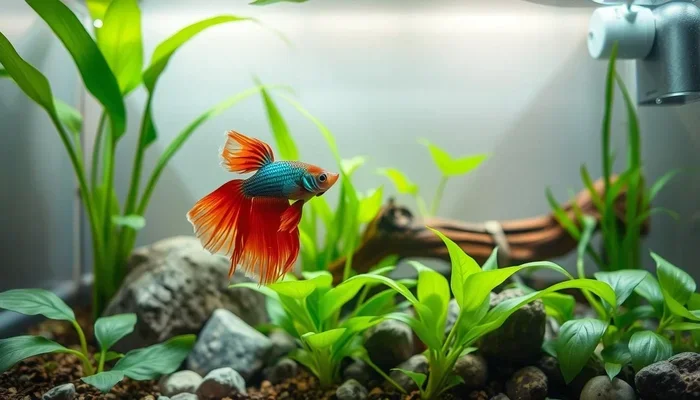
Visual guide about What Water Does Betta Fish Need
Image source: publicdomainpictures.net
If your tap water is very hard or has a high pH, you might consider using filtered or bottled water (e.g., spring or distilled mixed with a small amount of tap water). The goal is to achieve a soft to moderately hard water profile that matches a Betta’s natural range.
Conditioning the Water
Always add a water conditioner that removes chlorine, chloramine, and neutralizes heavy metals. Follow the manufacturer’s dosage – usually a few drops per 10 gallons.
For extra safety, let the conditioned water sit for 15‑20 minutes before adding it to the tank. This allows temperature to stabilize and any dissolved gases to equilibrate.
Internal Link Example
For a deeper dive on water types, see our article on what type of water does a Betta fish need.
2. Getting the Temperature Right
Ideal Temperature Range
Betta fish are tropical and love warm water. The sweet spot is 76°F to 82°F (24°C‑28°C). Temperatures below 72°F can slow metabolism and make them vulnerable to disease, while anything above 86°F stresses their gills.
Visual guide about What Water Does Betta Fish Need
Image source: publicdomainpictures.net
Using a Heater
Even in a climate‑controlled home, room temperature can fluctuate. A reliable submersible heater with an adjustable thermostat will keep the water steady. Choose a heater rated for the size of your tank – usually 25 W for a 5‑gallon tank.
Monitoring Temperature
Invest in a digital aquarium thermometer and place it near the water surface, where temperature changes are most noticeable. Check it daily, especially after adding new water.
Internal Link Example
Need more details on temperature? Check out what temp water does a Betta fish need.
3. Understanding pH and Water Hardness
Target pH
Betta fish feel most comfortable in slightly acidic to neutral water, with a pH between 6.5 and 7.5. Use a liquid pH test kit to measure; if the reading is outside the range, you can adjust with commercial pH‑up or pH‑down solutions.
Visual guide about What Water Does Betta Fish Need
Image source: publicdomainpictures.net
Water Hardness (GH & KH)
General hardness (GH) reflects dissolved minerals like calcium and magnesium. A GH of 3‑8 dGH (soft to moderately hard) works well. Carbonate hardness (KH) helps stabilize pH; aim for 3‑4 dKH.
Adjusting Hardness
If your water is too hard, consider mixing in distilled water or using a peat filter. If it’s too soft, a small amount of crushed coral or a commercial hardness booster can raise GH gently.
4. How Much Water Does a Betta Need?
Minimum Tank Volume
While Betta fish can survive in tiny bowls, a 5‑gallon (19‑liter) tank is the minimum for a stable environment. More water means slower temperature swings and better dilution of waste.
Water Change Schedule
Perform a 25‑30% water change weekly. This removes accumulated nitrates, phosphates, and organic debris. Use a siphon to vacuum the substrate while you’re at it.
Internal Link Example
Read more about volume requirements in our guide on how much water does a Betta fish need.
5. Filtration, Aeration, and Flow
Choosing a Filter
Betta fish are “labyrinth” fish that can breathe air from the surface, but they still benefit from gentle filtration. A sponge filter or a low‑flow hang‑on‑back (HOB) filter provides biological filtration without creating strong currents that stress the Betta.
Aeration Needs
Because Betta fish have a specialized organ to gulp air, they don’t need heavy aeration. However, a small air stone can help oxygenate the water and improve gas exchange, especially in warm tanks.
Flow Rate Tips
Position the filter outlet so that water moves slowly across the tank, not directly at the fish. You can use a spray bar or a piece of PVC to diffuse the flow.
6. Routine Testing and Maintenance
Testing Parameters
Invest in a 5‑in‑1 liquid test kit that measures ammonia, nitrite, nitrate, pH, and hardness. Test weekly and after any water change.
Cleaning the Tank
Scrape algae from the glass, rinse filter media in old tank water (not tap water), and replace any worn decorations that collect waste.
Signs of Poor Water Quality
- Clamped fins or lethargy – may indicate low oxygen or temperature shock.
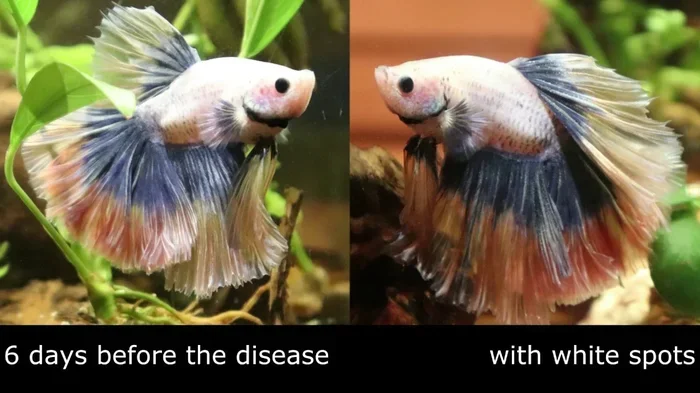
- White spots or frayed edges – could be a sign of bacterial infection from high ammonia.
- Excessive mucus or gas bubble nest problems – often linked to pH swings.
Conclusion: Simple Steps, Big Rewards
Answering the question “what water does Betta fish need?” boils down to three core ideas: clean, warm, and slightly acidic water with stable parameters. By selecting a good water source, conditioning it, maintaining temperature, monitoring pH and hardness, and performing regular water changes, you create a stress‑free environment where your Betta can show off its colors and live a healthy life for 3‑5 years or more.
Remember, the effort you put into water quality pays off in a happier, more active fish and fewer trips to the vet. Keep a log of water changes, temperature readings, and test results – it’s the easiest way to spot trends before they become problems.
Frequently Asked Questions
What type of water is safest for Betta fish?
Dechlorinated tap water that has been treated with a conditioner is safest. If tap water is very hard, mixing in a portion of distilled or reverse‑osmosis water can help achieve the right softness.
How often should I change the water in a Betta tank?
Replace 25‑30% of the water each week. In hotter climates or when feeding heavily, you may need to do a partial change twice a week.
Can I keep a Betta in a bowl?
While a Betta can survive in a bowl, it’s not ideal. Bowls lack filtration and stable temperature, leading to rapid waste buildup and stress.
Do Betta fish need a heater?
Yes. Betta fish thrive at 76°F‑82°F (24°C‑28°C). A reliable aquarium heater keeps the water within this range, especially in cooler rooms.
What pH level is best for a Betta?
A pH between 6.5 and 7.5 mimics their natural habitat and supports healthy skin and gill function.
Do Betta fish need a filter?
Gentle filtration is recommended. A low‑flow sponge or hang‑on‑back filter provides biological filtration without creating strong currents that can stress the Betta.