Do Betta Fish Feel Pain
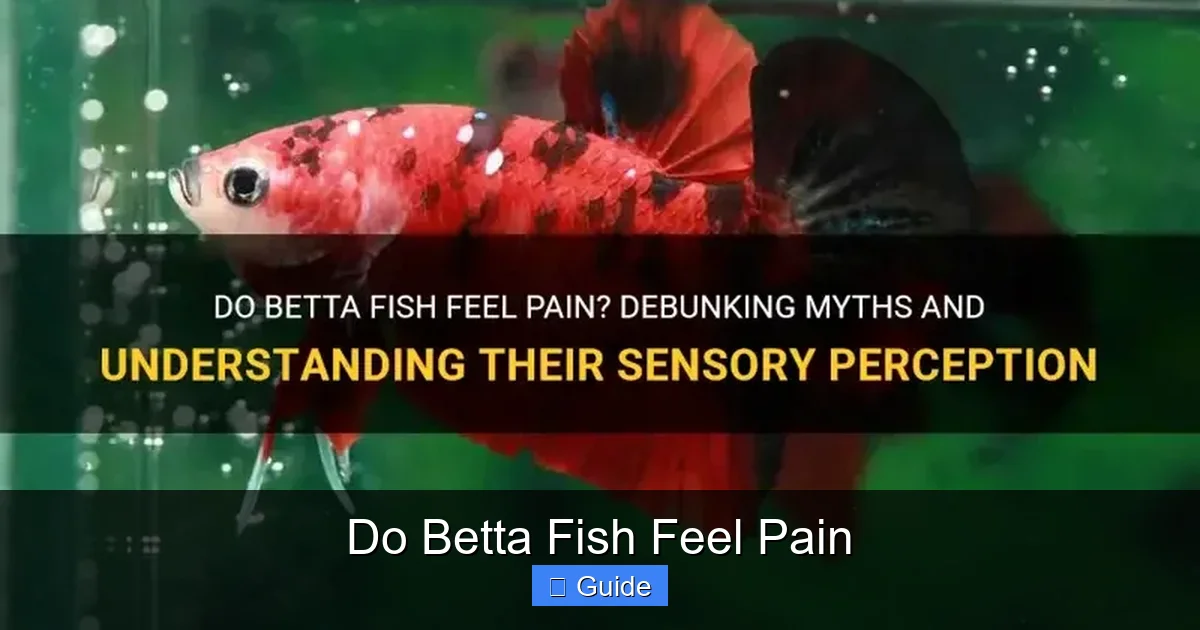
Yes, current scientific evidence strongly suggests betta fish can feel pain. They possess the necessary neurobiology—nociceptors and a centralized nervous system—to process noxious stimuli as an unpleasant sensation. This isn’t just reflex; it involves complex stress responses and behavioral changes. Understanding this shifts betta care from mere survival to ethical welfare, emphasizing enriched tanks, gentle handling, and proactive health management. Recognizing their capacity for pain is the first step toward becoming a truly responsible betta guardian.
Key Takeaways
- Betas have the biological hardware for pain: They possess nociceptors (pain receptors) and a brain structure capable of processing noxious stimuli beyond a simple reflex arc.
- Pain is more than reflex: Observable behaviors like lethargy, loss of appetite, and rubbing against objects (flinching) indicate a conscious, unpleasant experience, not just an automatic response.
- Chronic stress is a major pain amplifier: Poor water quality, small tanks, and barren environments cause prolonged stress, which lowers pain thresholds and exacerbates suffering from injuries or diseases.
- Ethical care is non-negotiable: If bettas feel pain, our duty extends beyond basic survival to providing an environment that minimizes physical harm and psychological distress.
- Practical care must evolve: This means using heaters/filters, providing plants and hiding spots, avoiding abrasive décor, and using proper, gentle techniques for health interventions.
- Myths persist but science is clear: The outdated “fish have a 3-second memory” or “they’re just decorative” myths are contradicted by decades of ichthyological research on fish sentience.
📑 Table of Contents
- The Burning Question in Every Betta Keeper’s Mind
- The Neurobiology of a Betta: Is the “Hardware” There?
- Beyond the Reflex: Evidence of a Conscious, Unpleasant Experience
- The Crucial Context: Chronic Stress as Pain’s Evil Twin
- From Knowledge to Action: Ethical Betta Care in Practice
- Debunking the Myths: Why the “Old School” Thinking is Wrong
- The Bottom Line: Becoming a Guardian, Not Just an Owner
The Burning Question in Every Betta Keeper’s Mind
You watch your betta, that vibrant, flowing jewel gliding through its aquatic world. You provide what you believe is a good home. But then you see it: a torn fin, a strange spot, or a moment of strange stillness. A knot forms in your stomach. The question surfaces, simple and profound: Do betta fish feel pain? It’s not just an academic curiosity for a fish enthusiast. It’s the cornerstone of ethics, the compass for daily care, and the key to understanding the silent world of your pet. For decades, the dominant narrative dismissed fish as simple, unfeeling creatures—little more than decorative, cold-blooded robots. But a tidal wave of modern science is rewriting that story, and betta fish, with their remarkable intelligence and sensitivity, are at the heart of this revolution.
This article will dive deep into the biology, the behavior, and the ethics surrounding betta fish pain perception. We will move beyond opinion and look at the hard evidence from neuroscience and animal behavior. We will translate that science into concrete, actionable advice for your tank. By the end, you won’t just have an answer; you’ll have a new philosophy of care, built on a foundation of compassion informed by fact.
The Neurobiology of a Betta: Is the “Hardware” There?
To feel pain, an organism needs the biological machinery. It’s not enough to have a reaction; there must be a pathway to experience a sensation as unpleasant. For years, critics argued that fish, including bettas, lacked this setup. They pointed to a supposedly primitive brain, devoid of a neocortex—the part of the human brain associated with higher consciousness. But this view is dangerously outdated and anthropocentric (human-centered). It assumes pain must be processed exactly like it is in mammals, which is a profound misunderstanding of evolutionary convergence.
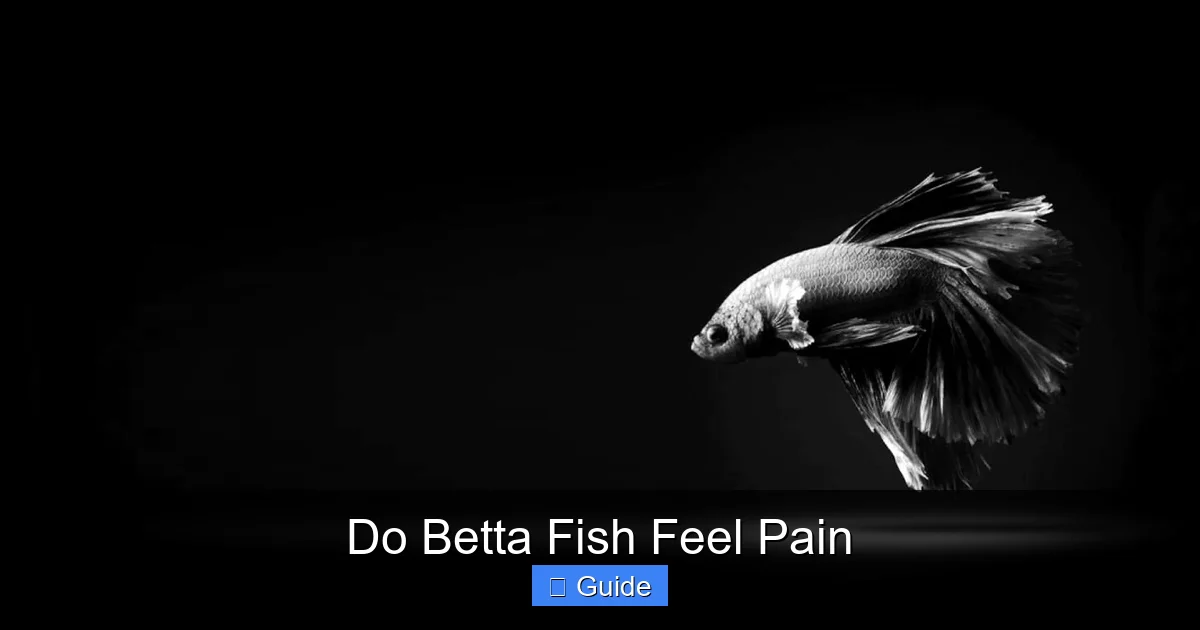
Visual guide about Do Betta Fish Feel Pain
Image source: bitesizevegan.org
Nociceptors: The First Alarm Bell
The first piece of hardware is the nociceptor. These are specialized nerve endings scattered throughout the body that detect potential or actual tissue damage—think extreme heat, crushing pressure, or corrosive chemicals. They are the body’s raw alarm system. Extensive research on fish species, from rainbow trout to common carp, has conclusively demonstrated the presence of nociceptors that are physiologically similar to those in mammals. While species-specific studies on *Betta splendens* are more limited, they are a member of the large, physiologically diverse teleost fish group. Given the evolutionary conservation of these basic pain-detection systems, it is scientifically sound to infer bettas possess nociceptors. When your betta flinches after brushing against a rough rock, that initial signal is a nociceptor firing.
The Nervous System Pathway: From Skin to Brain
A nociceptor firing is just a signal. For pain to be felt, that signal must travel to a central processing center—the brain. Bettas, like all bony fish, have a well-developed central nervous system with a clear brain and spinal cord. The signal travels along nerves to the fish’s brain. Critically, fish brains do have homologous (evolutionarily similar) structures to parts of the mammalian brain involved in pain processing, such as the telencephalon (involved in sensory integration and learning) and the diencephalon (which regulates stress and hormonal responses). The signal doesn’t just vanish; it is received and processed in regions that integrate sensory data with memory and internal state.
Beyond the Reflex: Evidence of a Conscious, Unpleasant Experience
This is the crux of the argument. A reflex is automatic and immediate—like pulling your hand from a hot stove before you even “feel” the burn. True pain perception involves an emotional, conscious experience of suffering. It changes behavior, motivation, and physiology for a period of time after the injury. So, what is the behavioral and physiological evidence in bettas and other fish?
Visual guide about Do Betta Fish Feel Pain
Image source: littlefish.net.au
The Behavioral Signature of Pain
When fish are subjected to a noxious stimulus (like a dilute acetic acid solution or a formalin injection), they exhibit a suite of behaviors that go far beyond a simple twitch. These include:
- Rubbing or Flinching: Repeatedly rubbing the affected area against tank walls or substrate. This is a deliberate attempt to alleviate the discomfort.
- Rocking and Swaying: A characteristic, rhythmic side-to-side motion seen in studies.
- Reduced Appetite: A classic sign of malaise. A fish in pain often stops eating, even its favorite foods.
- Lethargy and Listlessness: Hiding more, swimming less, and resting at the bottom, especially for a species like the betta, which is normally active and curious.
- Altered Swimming: Favoring a damaged fin, swimming awkwardly, or struggling to maintain buoyancy.
These are not random. They are goal-directed actions aimed at coping with a negative internal state. A betta with torn, ragged fins from fin rot will often hold them clamped close to its body, a clear sign of discomfort and an attempt to avoid further irritation.
The Physiological Proof: Stress Hormones and Brain Activity
Behavior is telling, but physiology removes doubt. Studies have measured elevated levels of stress hormones like cortisol in fish following a painful procedure. Their brain activity, observed through techniques like fMRI on related species, shows increased activity in pain-processing regions after injury. Furthermore, and most compellingly, these pain-related behaviors in fish are reduced by analgesic (pain-killing) drugs like morphine. If the behavior stops when you give a painkiller, it strongly implies the behavior was driven by pain. This is a cornerstone of modern pain research in all animals.
The Crucial Context: Chronic Stress as Pain’s Evil Twin
Even if we accept a betta can feel acute pain from a visible injury, what about the constant, low-grade suffering from a poor environment? This is where the concept of chronic stress becomes paramount for betta keepers. Chronic stress is not just “feeling a bit worried.” It is a sustained physiological state that wreaks havoc on the body and mind, and it dramatically lowers the threshold for pain perception.
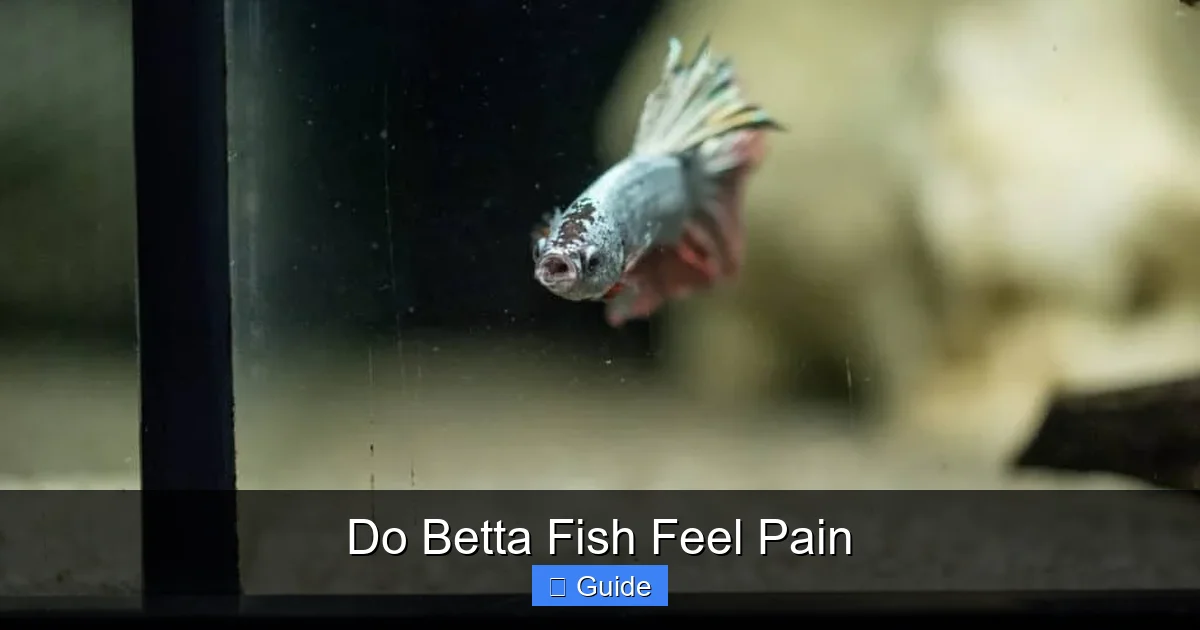
Visual guide about Do Betta Fish Feel Pain
Image source: aquariadise.com
The Toxicity of a Bad Tank
The classic “betta in a vase” or a small, unfiltered bowl is a factory of chronic stress. High ammonia and nitrite levels burn gills and skin. Fluctuating temperatures weaken the immune system. A lack of hiding places creates a constant state of anxiety as the fish feels exposed and vulnerable. This constant stress floods the body with cortisol. Over time, this:
- Suppresses the immune system, making the fish more susceptible to diseases like fin rot and dropsy, which are themselves painful.
- Depletes energy reserves, leading to lethargy and a reduced ability to cope with any additional stressors.
- Alters brain chemistry, making the fish more sensitive to painful stimuli. In essence, a chronically stressed betta is a betta that feels more pain, more acutely, from the same injury compared to a betta in a pristine, enriched tank.
The Enriched Tank as a Pain Buffer
Conversely, a properly sized heated tank (minimum 5 gallons, but larger is always better), with gentle filtration, live or silk plants, hiding spots like caves or PVC pipes, and a varied diet, does more than just keep a betta alive. It provides environmental predictability and control. This is a fundamental buffer against chronic stress. A betta that can retreat to a plant when startled, that has stable water parameters, and that can exhibit natural behaviors (bubble nest building, exploring) has a robust physiological baseline. If it does get a small tear or an infection, its system is better equipped to handle the associated pain without spiraling into crisis.
From Knowledge to Action: Ethical Betta Care in Practice
So, we’ve established the scientific consensus leans heavily toward betta fish having the capacity to feel pain. What does that mean for you, the caregiver? It means your responsibilities expand. This isn’t about feeling guilty; it’s about feeling empowered to make choices that directly improve your betta’s quality of life. Every aspect of care should be viewed through the lens of pain and stress minimization.
Tank Setup: It’s Not Just Decor, It’s Welfare
- Tank Size: A 5-gallon minimum is the absolute floor. A 10-gallon is a fantastic, manageable standard. More space means more stable water quality and more room to explore, which reduces stress-induced pain sensitivity.
- Heater & Filter: These are not optional. Stable temperatures (78-80°F / 25-27°C) prevent immune suppression. A gentle filter (like a sponge filter) keeps ammonia at zero, preventing the burning sensation of poor water quality on gills and skin.
- Substrate & Décor: Avoid sharp, abrasive gravel and decorations with jagged edges. Betta fins are delicate silk; a rough texture can cause constant micro-tears and irritation. Use soft sand or rounded gravel. Inspect all ornaments for sharp spots. Live plants (like Anubias, Java Fern) or silk plants are ideal. They provide gentle resting spots and hiding places, crucial for reducing anxiety.
Handling and Health Interventions: A Gentle Touch
Never scoop a betta up in a net recklessly. If you must net, use a soft, fine-mesh net and do so slowly, corralling rather than chasing. For health issues:
- Water changes: Use a gentle siphon. Match temperature and dechlorinate perfectly. A sudden temperature shock is a form of acute pain.
- Medication dips: If a dip is necessary for a severe fungal or bacterial infection, use the correct dosage, monitor closely, and limit time as directed. The stress of handling and the potential sting of the medication is a calculated risk to treat a more painful underlying condition.
- Fin clipping (for severe fin rot): This is a last-resort procedure that must be done under sedation (using a fish-safe sedative like clove oil) by a knowledgeable person or vet. Doing this to a conscious fish would be an act of cruelty, as fin tissue is highly innervated.
Feeding: More Than Just Food
A high-quality, varied diet (pellets, frozen or live daphnia, brine shrimp) supports immune function and overall health. A malnourished betta is a betta in a state of physiological deficit, more vulnerable to pain from any source. Avoid overfeeding, which fouls water and causes constipation—a painful condition.
Debunking the Myths: Why the “Old School” Thinking is Wrong
You will still encounter arguments that bettas (and all fish) don’t feel pain. These are almost always based on one of the following debunked ideas:
“Fish Have a 3-Second Memory”
This is a profound myth. Studies show fish can remember complex mazes, learned behaviors, and social interactions for months. Bettas can be trained to jump through hoops and recognize their keepers. A creature with no memory cannot associate a harmful stimulus with a negative outcome, a key component of pain learning.
“They’re Just Reflexes, Like a Knee Jerk”
As detailed above, the behavioral and pharmacological evidence (response to painkillers) clearly separates simple reflexes from the complex, prolonged behavioral suite indicative of pain. A knee jerk doesn’t make you avoid stairs for a week; a painful injury does.
“Their Brains Are Too Simple”
This is the “cortex argument.” Pain perception does not require a human-like neocortex. Different species have evolved different neural architectures to solve the same problem: detecting and avoiding harm. The relevant brain areas in fish are different but functionally analogous. Denying pain because the brain looks different is a failure of biological imagination.
The Bottom Line: Becoming a Guardian, Not Just an Owner
The question “Do betta fish feel pain?” leads us to a more important question: “What kind of relationship do I want with my betta?” The scientific evidence compels us to move from seeing bettas as disposable ornaments to recognizing them as sentient beings with subjective experiences. This is a privilege, not a burden. It means the vibrant flare of your betta’s gills isn’t just a genetic accident; it’s a sign of a life being lived with vitality. The gentle exploration of its planted tank isn’t just random movement; it’s curiosity in a safe space.
Your role transforms. You become an architect of well-being. You choose a tank that is a sanctuary, not a prison. You choose décor that is beautiful and safe. You handle your betta with the care you would give any creature you know can suffer. You observe its behavior not just for signs of disease, but for signs of contentment—a relaxed posture, active exploration, a bubbling nest. In doing so, you don’t just prevent pain; you foster joy. And that changes everything. The shimmering betta in your care isn’t just a pet. It’s a silent testament to the fact that compassion, once informed by knowledge, is the greatest filter of all.
Frequently Asked Questions
Do betta fish have brains?
Yes, betta fish have fully formed brains with specialized regions for processing senses, learning, memory, and stress. Their brain structure is different from mammals but is complex and capable of far more than simple reflexes.
If my betta flares at me, is it in pain?
Not necessarily. Flaring is a natural threat display, often a sign of stress or aggression, not direct pain. However, chronic stress from feeling constantly threatened lowers pain thresholds. A calm, unflaring betta in a well-decorated tank is a sign of lower stress and better welfare.
What’s the single most important thing I can do to prevent my betta from suffering?
Provide a properly sized, heated, filtered tank (minimum 5 gallons) with abundant, soft plants and hiding spots. This single step addresses the root causes of chronic stress—poor water quality, temperature instability, and lack of security—which is the primary amplifier of pain and disease.
Do bettas feel pain when their fins are clipped for fin rot?
Fin tissue is highly sensitive. Clipping a fin on a conscious betta would cause significant acute pain and stress. This procedure should only ever be performed by a veterinarian on a fish that is properly sedated (anesthetized) with a fish-safe agent like clove oil.
Is it cruel to keep a betta fish?
It is cruel to keep a betta in a small, cold, unfiltered bowl with no enrichment. It is an act of responsible guardianship to keep a betta in a spacious, heated, filtered, and planted aquarium where its natural behaviors can be expressed. The habitat determines the morality of the act.
My betta rubs against plants. Is it in pain?
This behavior, called “flashing” or “flitting,” can be a sign of irritation from parasites (like flukes) or poor water quality (burning gills/skin). It is a strong behavioral indicator of discomfort. You should immediately test water parameters and consider a gentle treatment for possible external parasites, as the fish is clearly trying to alleviate an unpleasant sensation.