Can Betta Fish Eat Koi Food
Betta fish can nibble koi food occasionally, but it shouldn’t become their main diet. Koi pellets are large, low‑protein, and contain ingredients that don’t match a betta’s natural needs. Use high‑quality betta‑specific foods as the staple and treat koi pellets only as an occasional supplement.
Key Takeaways
- Size matters: Koi pellets are often too big for a betta’s tiny mouth.
- Protein content: Betta fish need 30‑40% protein; most koi foods fall below that range.
- Digestive health: Over‑feeding koi food can cause constipation or bloating in bettas.
- Occasional treat: Small amounts of crushed koi pellets can be given safely once or twice a week.
- Primary diet: Stick to betta‑specific flakes, pellets, or frozen/live foods for optimal health.
- Watch water quality: Uneaten koi food can foul the tank quickly, especially in small betta setups.
- Tank mates: If you keep koi and bettas together, feed them separately to avoid competition and stress.
Quick Answers to Common Questions
Can a betta eat whole koi pellets?
No. Whole pellets are usually too large and low in protein for a betta. Crush and mix them with proper betta food if you want to offer a tiny taste.
How often can I give my betta koi food?
Limit it to once every 5‑7 days, and only a pinch of crushed pellets mixed with regular betta food.
Will koi food cause my betta to become constipated?
Yes, if fed in large amounts or too frequently. The extra carbs and low protein can slow digestion and lead to hard stools.
Is it safe to keep koi and bettas in the same tank?
Generally not recommended. Koi are large, active swimmers and can stress a small betta. If you do share a tank, feed each species separately.
What’s a better alternative to koi food for a betta?
High‑quality betta pellets, flakes, or frozen/live foods like brine shrimp and daphnia are far superior.
📑 Table of Contents
- Introduction: Why the Question Comes Up
- 1. Understanding Betta Nutrition
- 2. What’s Inside Koi Food?
- 3. Can Betta Fish Eat Koi Food? The Short Answer
- 4. How to Safely Offer Koi Food to Your Betta
- 5. When Koi Food Becomes a Problem
- 6. Alternatives and Complementary Foods
- Conclusion: Keep Your Betta Happy and Healthy
- Related Reading
Introduction: Why the Question Comes Up
Ever looked at a shiny bag of koi pellets and thought, “My betta looks hungry, can I just toss some of this in?” It’s a common curiosity. Betta owners often have more than one type of fish, or they pick up a bag of koi food while shopping for aquarium supplies. The bright colors and cheap price make koi pellets tempting, but are they really a good match for a delicate Siamese fighting fish?
In this article we’ll break down the biology of betta fish, compare the nutritional profiles of betta‑specific food and koi food, and give you clear, step‑by‑step guidelines on if, when, and how you can safely offer koi pellets to your betta. Think of it as a friendly chat over a cup of tea—no jargon, just practical advice you can use today.
1. Understanding Betta Nutrition
1.1 What a betta’s natural diet looks like
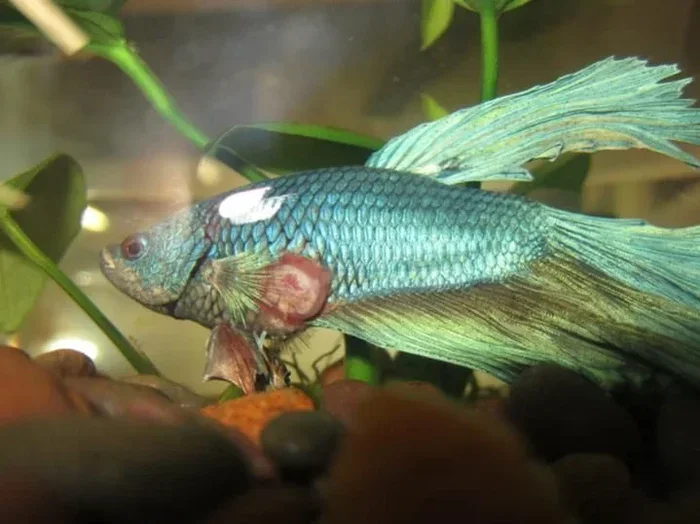
In the wild, Siamese fighting fish hunt insects, larvae, and tiny crustaceans that skim the water’s surface. Those prey items are high in protein (often 40‑50%) and low in carbohydrates. This high‑protein, low‑fat diet fuels their vibrant colors, aggressive temperament, and rapid growth.

Visual guide about Can Betta Fish Eat Koi Food
Image source: krishnaspecialityhospital.com
1.2 Commercial betta foods: what they contain
Most reputable betta foods are formulated to mimic that wild diet. They typically contain:
- 30‑40% animal‑based protein (fish meal, shrimp meal, or insect meal)
- Essential fatty acids for bright fins
- Vitamins and minerals (A, D, E, calcium, magnesium)
- Limited filler carbs like wheat or rice
Brands that specialize in betta pellets or flakes often add live or frozen treats such as daphnia, bloodworms, or brine shrimp to round out the menu.
2. What’s Inside Koi Food?
2.1 Typical ingredients
Koi are omnivorous bottom‑feeders. Their commercial pellets usually list:

Visual guide about Can Betta Fish Eat Koi Food
Image source: d3f6zr1897ea76.cloudfront.net
- Plant proteins (soy, wheat gluten)
- Grains and starches (corn, rice)
- Low‑level fish meal (often 10‑15%)
- Vegetable powders, algae, and vitamins
Because koi grow large and eat a lot, the formula is designed for slow, steady growth, not the rapid protein burst a betta needs.
2.2 Pellet size and texture
Koi pellets range from 2 mm for fry to 5‑6 mm for adults. Even the smallest pellets can be too big for a betta’s mouth, which is built to snap up tiny insects, not chew a grain‑based pellet.
3. Can Betta Fish Eat Koi Food? The Short Answer
The answer is “yes, but only as an occasional treat, and only if you prepare it correctly.” Here’s why:

Visual guide about Can Betta Fish Eat Koi Food
Image source: u-watch.jp
- Protein deficit: Most koi foods fall short of the 30‑40% protein level bettas require.
- Digestive mismatch: Excess carbs can cause constipation, a common problem in bettas fed inappropriate foods.
- Physical size: Large pellets can become a choking hazard.
If you crush the pellets into a fine powder, mix with a bit of betta‑specific food, and feed only a tiny pinch once or twice a week, you’ll avoid the major risks.
4. How to Safely Offer Koi Food to Your Betta
4.1 Preparing the pellets
- Crush thoroughly: Place a few pellets in a zip‑lock bag and roll a clean spoon over them until they become a fine dust.
- Soak briefly: Add a few drops of conditioned water and let the dust soften for 10‑15 seconds. This prevents the betta from inhaling dry particles.
- Mix with staple food: Combine the softened koi dust with a pea‑sized amount of high‑quality betta flakes or pellets. The betta food masks the taste and ensures enough protein.
4.2 Feeding schedule
Give the prepared mixture once every 5‑7 days. Offer no more than 2‑3 small bites. Remove any uneaten food after 2 minutes to keep the water clean.
4.3 Monitoring your betta
- Appetite: If your betta seems uninterested, stop offering koi food.
- Stool consistency: Soft, regular stools indicate good digestion. Hard, white stools suggest constipation—cut back on koi treats immediately.
- Fin health: Notice any frayed or ragged fins? Poor nutrition could be a factor.
5. When Koi Food Becomes a Problem
5.1 Over‑feeding and water quality
Even a small amount of uneaten koi pellets can cloud the water quickly, especially in a 2‑5 gallon betta tank. Cloudy water reduces oxygen and encourages harmful bacteria.
5.2 Long‑term health risks
Relying on koi food for weeks can lead to:
- Protein deficiency (slow growth, dull colors)
- Digestive upset (bloating, constipation)
- Weakened immune system (more prone to fungal or bacterial infections)
6. Alternatives and Complementary Foods
6.1 High‑quality betta staples
Choose foods that list “fish meal” or “shrimp meal” as the first ingredient. Brands that specialize in betta pellets, flakes, or freeze‑dried foods are ideal.
6.2 Live and frozen treats
Bloodworms, daphnia, brine shrimp, and micro‑worms are excellent protein boosts. Offer them 1‑2 times a week as a treat, similar to the occasional koi pellet.
6.3 Homemade options
You can blend boiled egg yolk (no seasoning), finely chopped boiled shrimp, or a tiny piece of soft fish meat into a paste. Mix with betta flakes for a balanced snack.
Conclusion: Keep Your Betta Happy and Healthy
In short, koi food is not toxic to bettas, but it isn’t a suitable staple. The biggest concerns are low protein, oversized pellets, and the risk of water fouling. By crushing the pellets, mixing them with proper betta food, and limiting the frequency, you can safely satisfy a curious betta without compromising health.
Remember, the cornerstone of a thriving betta is a diet that mirrors its wild prey: high‑protein, low‑carb, and served in bite‑size portions. Use koi food only as a tiny, occasional novelty, and keep an eye on your fish’s behavior and tank conditions. With the right balance, your betta will stay vibrant, active, and ready to show off those spectacular fins.
Related Reading
- Can a Betta Fish Eat Goldfish Food
- What Can Betta Fish Eat
- Can Koi Fish And Betta Fish Live Together
Frequently Asked Questions
Do betta fish need protein in every meal?
Yes. Betta fish require 30‑40% animal‑based protein daily to maintain their color, energy, and immune health.
Can I feed my betta koi food if I’m out of betta pellets?
Only as an emergency, very short‑term solution. Crush the pellets, soak them, and offer a tiny amount while you obtain proper betta food.
Will my betta recognize koi food as “food”?
Betas are opportunistic eaters and may try it, especially if it floats. However, they often ignore large or unfamiliar shapes.
How do I know if my betta is constipated?
Look for white, hard stools at the bottom of the tank, reduced appetite, and a bloated appearance. Adjust diet immediately.
Is it okay to feed koi food to other small fish?
Some small community fish can handle crushed koi pellets, but always check each species’ specific dietary needs first.
Can I use koi food as a base for a homemade betta diet?
Only if you supplement heavily with high‑protein ingredients (e.g., fish meal, shrimp). Pure koi food lacks the protein levels bettas need.