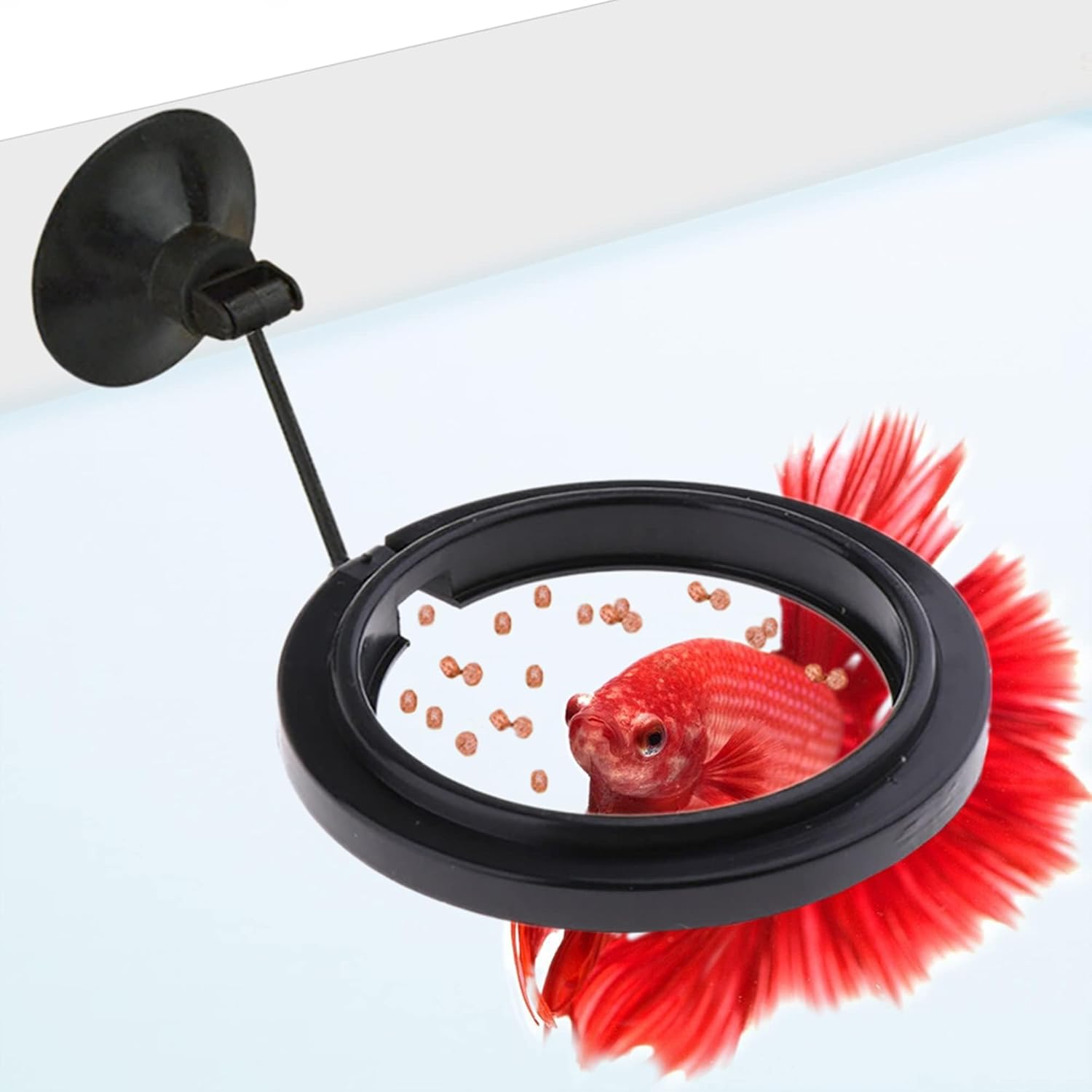
Will Betta Fish Fight Each Other or Live in Peace
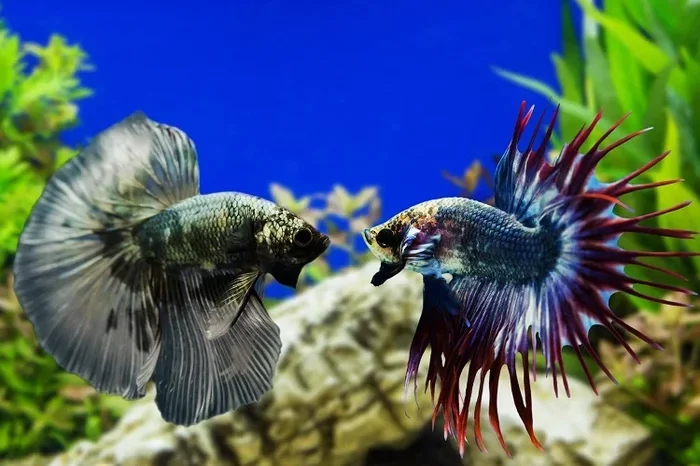
Will betta fish fight each other? Yes, male bettas are famously aggressive toward other males. However, with proper tank setup, careful tank mate selection, and enough space, they can live peacefully alongside certain fish. This guide explains their natural behavior, safe companions, and proven tips to prevent fights.
If you have ever watched a betta flare its gills, you know these fish can look intense. Many new owners ask the same question: will betta fish fight each other or live in peace? The short answer is that males usually fight other males, but the full picture depends on gender, tank setup, and chosen companions. Betta fish are beautiful, but they also have strong territorial instincts. Understanding those instincts helps you create a calm, healthy home.
This guide walks you through what drives aggression, which pairings work, and how to spot trouble early. You will learn simple steps to reduce conflict and build confidence in your tank choices. Whether you keep one betta or plan a community aquarium, the right knowledge makes a big difference.
Key Takeaways
- Male bettas fight each other: Never house two males together, as they will display and attack to defend territory.
- Females can coexist: Female bettas may form stable sororities if introduced properly and given plenty of space.
- Tank mates matter: Choose peaceful, fast-swimming fish that do not nip fins or compete for food.
- Environment prevents conflict: Plants, hiding spots, and a spacious tank reduce stress and aggression.
- Monitor early signs: Flaring, chasing, and fin damage signal trouble that needs quick action.
- Temperament varies: Each fish has a unique personality, so observe and adjust pairings carefully.
- Proper care lowers aggression: Stable water, regular feeding, and low stress help keep bettas calm.
📑 Table of Contents
- Why Will Betta Fish Fight Each Other
- Will Betta Fish Fight Other Species in a Community Tank
- Will Betta Fish Fight in the Same Tank With Other Bettas
- How to Stop Betta Fish Fights Before They Start
- When Will Betta Fish Fight Become a Serious Problem
- Choosing the Right Setup for Peaceful Betta Living
- Conclusion
Why Will Betta Fish Fight Each Other
Bettas come from shallow, slow-moving waters in Southeast Asia. In the wild, males guard small territories and build bubble nests to attract females. That natural behavior explains why will betta fish fight is such a common question. They are wired to defend space, especially against other males. When two males see each other, they often flare, spread their fins, and chase. This display can escalate quickly if they cannot escape.
Aggression is not constant. Some bettas are calm, while others are more intense. Age, breeding condition, and individual personality all play a role. A young male may test boundaries, while an older male may settle down. Even so, the risk of injury remains when two males share a small space. The safest rule is simple: keep one male per tank unless you have expert guidance and a very large, well-divided setup.
Signs of Aggression to Watch
You can usually spot tension before a real fight starts. Look for these common warning signs:
- Flaring gills: The fish puffs its gill cover to look larger.
- Fin spreading: Bettas extend their fins to appear more impressive and threatening.
- Chasing: One fish repeatedly pursues another around the tank.
- Hiding or stress: A subordinate fish may stay hidden, lose color, or stop eating.
- Fin damage: Torn or frayed fins often mean repeated attacks.
If you see these signs, act quickly. Add cover, reduce visibility between fish, or separate them if needed. Early intervention prevents injury and lowers stress for everyone in the tank.
Will Betta Fish Fight Other Species in a Community Tank
Many people want a colorful community tank, and bettas can fit that goal when chosen carefully. The question becomes: will betta fish fight other species? Often, the answer is no, if the tank mate is peaceful and not a threat. Bettas may chase fish that resemble rivals or that invade their space. They may also react to bright colors, long fins, or quick movements. Some fish nip fins, which can trigger retaliation.
The best tank mates are calm, streamlined, and able to swim away easily. Small schooling fish often work well because they keep moving and do not stare down the betta. Bottom dwellers can also be good choices, since they stay lower in the water column. Still, every tank is different. A betta with a relaxed personality may ignore tank mates completely. Another betta may claim the whole tank as its territory. Observation is the key to success.
Good Tank Mates to Consider
These companions are often compatible when the tank is large enough and properly decorated:
- Small tetras: Fast, peaceful fish that stay in groups.
- Rasboras: Gentle schooling fish that usually keep their distance.
- Corydoras catfish: Bottom dwellers that rarely bother surface fish.
- Small loaches: Some species stay peaceful and occupy lower areas.
- Snails and shrimp: Many bettas ignore them, though shrimp may be at risk if the betta is hungry or bold.
Avoid fish with very long fins, aggressive habits, or a tendency to nip. Also avoid species that compete directly for the same food or space. A balanced community reduces friction and gives each fish a chance to feel secure.
Will Betta Fish Fight in the Same Tank With Other Bettas
This is where caution matters most. Will betta fish fight in the same tank with other bettas? Males and males are a hard no. Males and females can work only in specific situations, usually for breeding or in very large, carefully managed setups. Females with females can sometimes live together, but even that requires planning. A sorority tank is not a guarantee of peace. It is a managed arrangement that depends on space, hiding spots, and group dynamics.
The main issue is territory. Bettas notice each other quickly, especially in clear water with few barriers. If one fish feels crowded, it may attack to defend its area. If the tank is too small, stress rises and conflicts increase. A larger tank with plants, wood, and rockwork gives fish more visual breaks and more room to avoid each other. That does not eliminate all risk, but it lowers it significantly.
Female Betta Sorority Basics
A sorority means keeping multiple female bettas together. This can work, but only with the right setup and careful introduction:
- Use a spacious tank: More swimming room reduces tension.
- Add plenty of cover: Plants and decorations break line of sight.
- Introduce at the same time: New additions can disrupt established groups.
- Watch for bullying: One fish may dominate feeding or hiding spots.
- Be ready to separate: If injuries or constant chasing appear, remove the aggressive fish.
Female bettas can be surprisingly bold. Some are mild, while others are quite assertive. Success depends on the individuals, not just the species. If you want the safest path, a single betta in a well-planted tank is often the simplest choice.
How to Stop Betta Fish Fights Before They Start
Prevention is easier than repair. If you are wondering will betta fish fight less when you change the environment, the answer is often yes. A calm tank starts with stable water, good filtration, and a layout that creates separate zones. Bettas feel more secure when they can explore without constant confrontation. They also need proper nutrition and a predictable routine. Stress from poor water or irregular feeding can make any fish more irritable.
Another helpful step is to reduce triggers. Clear glass walls can create constant reflections and direct sightlines. Plants, driftwood, and hardscape can soften those lines. If you keep a betta with other fish, make sure no one fish can corner another. Provide multiple feeding areas if needed, so competition stays low. Small adjustments often make a big difference in behavior.
Practical Setup Tips
Use these simple methods to create a calmer aquarium:
- Choose a larger tank: More space means fewer boundary disputes.
- Add live or silk plants: They soften the environment and offer shelter.
- Use driftwood or rockwork: These create natural visual barriers.
- Keep water clean and stable: Good maintenance supports calmer behavior.
- Feed consistently: Regular meals reduce competition and anxiety.
- Observe daily: Small changes in behavior tell you when to adjust the setup.
If you ever need to separate fish, move them gently and give them time to settle. A stressed fish may act aggressively simply because it feels unsafe. A secure environment helps each fish behave more naturally.
When Will Betta Fish Fight Become a Serious Problem
Some conflict is normal at first, especially when fish are new to a tank. Brief chasing or a few flares may settle once everyone knows the layout. The problem begins when aggression turns constant or physical. Will betta fish fight to the point of injury? In tight spaces or with incompatible pairings, yes. torn fins, hiding that lasts all day, loss of appetite, and visible wounds all signal that the situation is too stressful.
Health can decline quickly when a fish is bullied. A subordinate fish may stop eating or become prone to illness. The aggressor may also remain on high alert, which is exhausting and stressful. If you see injuries, test the water, improve cover, and consider separation. Sometimes the best solution is a second tank or a temporary divider. It is better to reset the setup than to wait for damage to worsen.
What to Do If a Fight Breaks Out
Take these steps if aggression becomes intense:
- Stay calm and observe: Note which fish is chasing and where it happens.
- Add cover: Plants and decorations can break direct sightlines.
- Reduce crowding: If the tank is small, upgrade or separate the fish.
- Check water quality: Poor conditions can increase irritability.
- Separate if needed: Use a divider or move one fish to another tank.
- Monitor recovery: Watch for healing fins, normal feeding, and relaxed movement.
Quick action protects both fish. A short conflict may pass, but repeated attacks usually mean the pairing or setup is wrong. Trust what you see and adjust early.
Choosing the Right Setup for Peaceful Betta Living
A peaceful tank is built, not guessed. If you want to avoid asking will betta fish fight in your home, start with a clear plan. Decide whether you want a single betta or a community. Choose a tank size that matches your goals. Then design the layout so fish can claim different areas without constant conflict. A well-thought-out environment supports better behavior and makes maintenance easier too.
It also helps to match the tank to the betta’s personality. Some bettas are bold and may dominate a small community. Others are gentle and may ignore neighbors entirely. There is no perfect formula, because each fish is an individual. That is why observation matters so much. The more you watch, the better your choices become. Over time, you will learn what works for your specific tank.
Quick Tips for Long-Term Harmony
- Start simple: One betta, clean water, and a few plants is a strong beginning.
- Add tank mates slowly: Give the betta time to settle before introducing new fish.
- Keep an eye on feeding: Make sure every fish gets enough food.
- Respect territory: If one area becomes a hotspot for chasing, rearrange the tank.
- Be willing to change plans: If a pairing fails, separate rather than force peace.
Good betta care is part setup, part observation, and part patience. When those pieces come together, you create a tank where beauty and calm can coexist.
Conclusion
So, will betta fish fight? Often, yes, especially when two males meet or when the tank is too small and too open. But that does not mean bettas cannot live in peaceful surroundings. With one male per tank, thoughtful tank mate choices, enough space, and plenty of cover, you can greatly reduce aggression. Female groups can work with careful management, and community tanks can succeed when the fish are compatible and the environment is balanced.
The best approach is to watch, learn, and adjust. Every betta has a personality, and every tank has its own rhythm. If you respond early to stress signals and build a secure habitat, you give your fish the best chance to thrive. In the end, a calm aquarium is not just easier on your fish. It is also more enjoyable for you to watch and care for every day.
Frequently Asked Questions
Will betta fish fight each other if they are males?
Yes, male bettas usually fight other males because they are territorial and defensive. You should keep only one male per tank unless you have a very large, carefully divided setup and strong experience.
Will betta fish fight other fish in a community tank?
Sometimes, but not always. Bettas may chase fish that look similar, invade their space, or nip fins. Peaceful, fast-moving tank mates with simple fins are usually safer choices.
Will betta fish fight females if they are kept together?
Female bettas can sometimes live together, but they may still bully one another. Success depends on tank size, hiding spots, group size, and the personalities of the individual fish.
Will betta fish fight if the tank is large enough?
A larger tank helps a lot, but it does not guarantee peace. Extra space lowers tension, yet aggressive individuals can still conflict if they feel crowded or threatened.
Will betta fish fight snails or shrimp?
Often they ignore them, but some bettas may attack shrimp or small invertebrates, especially if they are hungry or highly territorial. Snails are usually safer, though results vary by fish.
Will betta fish fight when they are first introduced to a tank?
They may show brief chasing or flaring while they adjust to the new space. If the aggression continues or causes injury, you should improve cover or separate the fish.