How to Care for White Opal Male Betta Fish
Taking care of a white opal male betta fish requires the right tank setup, clean water, proper diet, and consistent monitoring. These stunning fish are known for their iridescent white coloring and peaceful yet territorial nature. This guide covers everything you need to know to keep your white opal male betta fish happy, healthy, and thriving for years to come.
Caring for a white opal male betta fish is one of the most rewarding experiences a fish keeper can have. These fish are absolutely stunning, with their shimmering white scales and flowing fins that catch the light beautifully. But beauty alone doesn’t mean they’re easy to care for. Like all bettas, white opal males need specific conditions to truly thrive.
If you’re new to betta keeping or looking to improve your current setup, you’ve come to the right place. This guide walks you through everything you need to know about betta fish care for your white opal male. From tank setup to feeding schedules, we’ve got you covered.
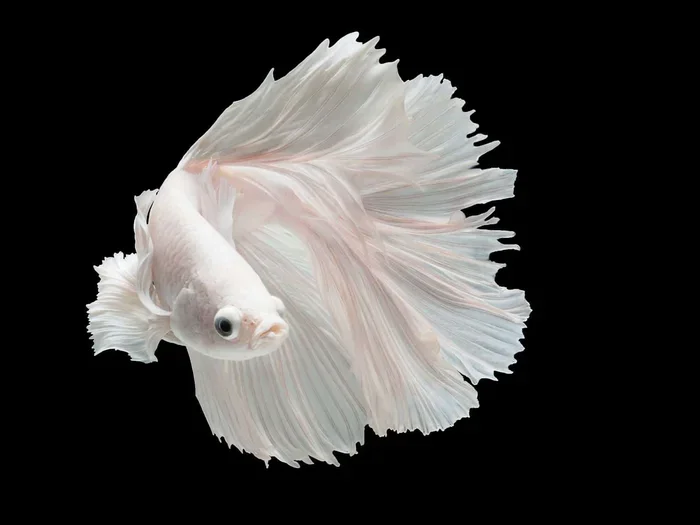
The white opal variety is especially popular because of its unique coloration. Unlike solid white bettas, opals display a mix of white, silver, and sometimes subtle blue or green hues that shift as the light changes. This makes every white opal male betta fish truly one of a kind. Let’s dive into how you can give yours the best life possible.
Key Takeaways
- Proper Tank Setup: A minimum 5-gallon tank with a heater and filter is essential for your white opal male betta fish.
- Water Quality Matters: Keep water temperature between 76-82°F and maintain a pH of 6.5-7.5 for optimal health.
- Balanced Diet: Feed high-quality pellets, frozen foods, and occasional treats to keep your opal betta nourished.
- Watch for Illness: Know the signs of common betta diseases and act quickly to treat them.
- Tank Mates Matter: Choose compatible companions carefully, as male bettas can be aggressive.
- Regular Maintenance: Perform weekly water changes and tank cleanings to prevent health issues.
📑 Table of Contents
- Understanding the White Opal Male Betta Fish
- Setting Up the Perfect Tank
- Water Parameters and Maintenance
- Feeding Your White Opal Male Betta Fish
- Common Health Issues and How to Prevent Them
- Tank Mates for Your White Opal Male Betta
- Enrichment and Daily Care Routine
- Breeding White Opal Male Bettas
- Final Thoughts
Understanding the White Opal Male Betta Fish
Before you set up a tank, it helps to understand what makes this variety special. The white opal betta is a color morph that carries a specific genetic trait. This trait causes a partial loss of pigmentation, creating that beautiful milky white base with iridescent highlights. Males are the more colorful of the sexes, with longer fins and more vivid opal patterns.
What Makes Opal Bettas Unique
Opal bettas belong to a group of fish known for their color-changing scales. The “opal” trait causes light to refract differently through the scales, creating a shimmering effect. This is why your fish might look slightly different colors depending on the lighting in the room.
Male white opal bettas tend to have more intense coloration than females. Their fins are longer, their bodies more streamlined, and their colors more vibrant. If you’re choosing a fish for display purposes, a healthy male opal will really stand out in any room.
Lifespan and Size Expectations
A well-cared-for white opal male betta fish can live between 3 and 5 years. Some fish even reach 5 years with excellent care. In terms of size, males typically grow to about 2.5 to 3 inches from nose to tail. That’s relatively small, which means you don’t need a massive tank, but you do need a properly maintained one.
Setting Up the Perfect Tank
The foundation of good betta fish care is the tank environment. Many people make the mistake of keeping bettas in tiny bowls or vases. While a betta can survive in a small container, it won’t thrive. Your white opal male betta fish deserves a proper home.
Tank Size and Shape
Aim for a minimum tank size of 5 gallons. This gives your fish enough room to swim and explore. Tanks smaller than 5 gallons can cause stress, which leads to health problems over time. A longer tank is better than a tall one, since bettas prefer to swim horizontally.
If you can go bigger, a 10-gallon tank is even better. It gives you more room for decorations, plants, and stable water parameters. The extra space also makes it easier to maintain consistent water quality.
Heating and Filtration
Betta fish are tropical fish, which means they need warm water. Install a small aquarium heater and keep the temperature between 76 and 82 degrees Fahrenheit. A betta fish temperature that’s too cold can make your fish sluggish and prone to illness. Too hot, and it can stress them out.
Filtration is also important, but bettas don’t like strong currents. Choose a filter with adjustable flow or sponge filter. A gentle flow keeps the water clean without making your fish work hard to swim against it.
Decorations and Plants
Add live or silk plants to give your betta places to rest and explore. Bettas love to hide and rest near plants. Avoid sharp plastic decorations that can tear their delicate fins. Driftwood and smooth rocks make great additions too.
If you’re new to the hobby, check out our guide on how to set up a fish tank for betta fish for step-by-step instructions on building the perfect home.
Water Parameters and Maintenance
Clean water is the single most important factor in keeping your white opal male betta fish healthy. Poor water quality is the leading cause of illness in bettas. Understanding and maintaining proper water parameters will go a long way in preventing problems.
Ideal Water Parameters
Here are the key water parameters you should monitor regularly:
- Temperature: 76-82°F (24-28°C)
- pH Level: 6.5-7.5 (neutral to slightly acidic)
- Ammonia: 0 ppm (toxic at any level)
- Nitrite: 0 ppm (toxic at any level)
- Nitrate: Below 20 ppm
- Water Hardness: 3-4 dGH (soft to moderately hard)
Water Changes and Cycling
Perform a 25-30% water change every week. This removes built-up toxins and keeps the environment fresh. Use a gravel vacuum to clean the substrate during water changes. Never replace all the water at once, as this can shock your fish and destroy beneficial bacteria.
Before adding any water to the tank, treat it with a water conditioner for betta fish. Tap water contains chlorine and chloramine, which are harmful to your fish. A good conditioner neutralizes these chemicals instantly.
If you’re unsure about the cycling process, read our article on how to cycle a fish tank for betta for a detailed walkthrough. Cycling your tank before adding your fish is crucial for long-term health.
Monitoring Water Quality
Invest in a liquid test kit to check your water parameters regularly. Test strips work in a pinch, but liquid kits are more accurate and reliable. Test the water at least once a week, or more often if you notice any changes in your fish’s behavior.
Feeding Your White Opal Male Betta Fish
Feeding is one of the most enjoyable parts of betta keeping, but it’s also where many people go wrong. Overfeeding is extremely common and can lead to serious health issues. Your white opal male betta fish needs a balanced diet to maintain its vibrant colors and strong immune system.
Best Foods for Opal Bettas
High-quality betta pellets should form the foundation of your fish’s diet. Look for pellets with a protein content of at least 35%. These provide the nutrients your fish needs to stay healthy and colorful.
Supplement their diet with frozen or live foods a few times a week. Good options include:
- Bloodworms
- Brine shrimp
- Daphnia
- Mosquito larvae
These foods add variety and extra protein to your betta’s diet. They also help enhance the iridescent opal coloring that makes these fish so beautiful.
Feeding Schedule and Portions
Feed your betta 2 to 3 pellets twice a day. That’s it. Many people feed too much, which leads to constipation, bloating, and poor water quality. If your fish spits out its food, it might be too large. Break pellets in half if needed.
Consider adding one fasting day per week. This helps your fish’s digestive system reset and prevents buildup in the gut. Skipping one feeding day won’t hurt your fish, and it can actually be beneficial for long-term health.
Common Health Issues and How to Prevent Them
Even with the best care, betta fish can sometimes get sick. Knowing the signs of common illnesses helps you catch problems early and treat them effectively. Prevention is always better than cure, but having a plan in place is just as important.
White Spot Disease (Ich)
White spot disease, also known as ich, is one of the most common fish diseases. It shows up as tiny white dots on the fins and body. This is caused by a parasitic infection and often results from poor water quality or sudden temperature changes.
To treat ich, gradually raise the water temperature to 82°F and add aquarium salt. You can also use medication specifically designed for ich. Our guide on how to cure white spots on betta fish has detailed treatment steps.
Fin Rot
Fin rot is a bacterial infection that causes the fins to look ragged and discolored. It’s usually caused by poor water quality or stress. To treat fin rot, improve water conditions immediately and consider using a broad-spectrum aquarium antibiotic if the infection is severe.
Constipation and Bloating
Overfeeding is the leading cause of constipation in bettas. Signs include a swollen belly, difficulty swimming, and lack of appetite. Feed your fish less and add daphnia to their diet as a natural laxative. Fasting for 1-2 days can also help clear things up.
Prevention Tips
The best way to keep your white opal male betta fish healthy is to prevent illness before it starts. Follow these simple steps:
- Maintain consistent water quality with weekly changes
- Keep the temperature stable within the ideal range
- Don’t overfeed your fish
- Quarantine new fish before adding them to the tank
- Remove uneaten food within 5 minutes of feeding
- Provide a stress-free environment with plenty of hiding spots
Tank Mates for Your White Opal Male Betta
One of the most common questions betta owners ask is whether their fish can live with other fish. The short answer is: it depends. Male bettas are known for their territorial behavior, especially toward other bettas. But with the right choices, your white opal male betta fish can have peaceful tank mates.
Good Tank Mates
Some fish and creatures that generally do well with bettas include:
- Corydoras catfish (small, peaceful bottom dwellers)
- Neon tetras (fast swimmers that stay out of the betta’s way)
- Mystery snails (clean the tank and don’t bother the betta)
- Amano shrimp (great algae eaters that are too large to be seen as food)
- Kuhli loaches (shy, peaceful fish that mind their own business)
Fish to Avoid
Avoid keeping your betta with fish that have bright colors or long fins. These can trigger aggression. Also avoid fin-nipping species like tiger barbs or serpae tetras. Male bettas should never be housed with other male bettas under any circumstances.
If you want to learn more about choosing compatible fish, our article on how to properly care for betta fish covers tank mate selection in more detail.
Enrichment and Daily Care Routine
Bettas are intelligent fish that benefit from enrichment and interaction. A simple daily routine keeps your fish healthy and mentally stimulated. It also gives you time to spot any potential problems early.
Daily Care Checklist
Here’s a quick daily routine to follow:
- Feed your betta the right amount in the morning and evening
- Observe your fish for any signs of illness or stress
- Check the heater and filter to make sure they’re working
- Remove any uneaten food after 5 minutes
- Spend a few minutes watching your fish swim and interact
Enrichment Ideas
Add a betta hammock or leaf perch near the surface. Bettas love to rest near the top of the tank. You can also introduce new decorations occasionally to keep their environment interesting. Some bettas even learn to recognize their owners and will swim to the front of the tank when they see you.
Handling your betta should be kept to a minimum. These fish are delicate, and excessive handling can cause stress. If you need to move your fish, use a soft net and work quickly.
Breeding White Opal Male Bettas
If you’re interested in breeding your white opal male betta fish, it’s an advanced undertaking that requires patience and preparation. Breeding bettas is not for beginners, but it can be incredibly rewarding if you’re willing to put in the effort.
Preparing for Breeding
First, you’ll need a healthy male and female. The female should be about the same size as the male and in good condition. Set up a separate breeding tank of at least 10 gallons with shallow water and a sponge filter.
Condition both fish with high-quality foods for 1-2 weeks before introducing them. Feed live or frozen foods like bloodworms and brine shrimp to bring them into breeding condition. You can find more details on this process in our guide on how to condition betta fish for breeding.
The Breeding Process
When the male is ready, he will build a bubble nest at the surface of the water. This is a sign that he’s prepared to breed. Introduce the female carefully and watch their interactions closely. If the female shows interest, they will embrace and the male will collect the eggs in his bubble nest.
After spawning, remove the female immediately. The male will take care of the eggs and fry on his own. The eggs will hatch within 24-48 hours, and the male will continue to guard the fry for several days.
Final Thoughts
Caring for a white opal male betta fish is a journey that combines patience, knowledge, and a genuine love for these beautiful creatures. By providing the right tank setup, maintaining clean water, feeding a balanced diet, and watching for signs of illness, you give your fish the best chance at a long and healthy life.
Remember that every betta is an individual. Your white opal male may have unique preferences and behaviors that you’ll learn to recognize over time. Pay attention to your fish, enjoy the process, and don’t be afraid to adjust your approach as you go. The reward of watching a thriving, colorful betta swim gracefully through a well-kept tank is something truly special.
If you’re just starting out or looking to improve your current setup, take things one step at a time. Start with the basics, build good habits, and expand your knowledge as you grow more confident. Your white opal male betta fish will thank you with vibrant colors, active behavior, and years of companionship.
Frequently Asked Questions
How big does a white opal male betta fish get?
White opal male bettas typically grow to about 2.5 to 3 inches in length. With proper care and a good diet, they reach their full size within 6 to 12 months. Their fins continue to grow and develop as they mature, making them even more impressive over time.
What is the lifespan of a white opal male betta fish?
A well-cared-for white opal male betta fish can live between 3 and 5 years. Some fish have been known to reach 5 years or slightly beyond with excellent water quality, proper diet, and a stress-free environment. Genetics also play a role in determining individual lifespan.
Can a white opal male betta fish live alone?
Yes, white opal male bettas do best when kept alone. Males are territorial and can become aggressive toward other bettas. They can coexist with certain peaceful tank mates, but they don’t need companions to be happy. In fact, many betta owners keep their males as solitary fish.
Why is my white opal betta losing color?
Color loss in a white opal betta can be caused by stress, poor water quality, illness, or inadequate diet. Check your water parameters first, then review your feeding routine. If the color loss persists, look for other signs of disease and consider treating the tank accordingly.
How often should I feed my white opal male betta fish?
Feed your betta twice a day, giving 2 to 3 pellets per feeding. Overfeeding is one of the most common mistakes betta owners make. Stick to a consistent schedule, remove uneaten food after 5 minutes, and include one fasting day per week for optimal digestive health.
Is the white opal betta a rare variety?
White opal bettas are somewhat uncommon compared to solid color varieties, but they are becoming more widely available through reputable breeders. Their unique opalescent coloring makes them a sought-after choice among betta enthusiasts. You may need to search a bit longer to find a quality specimen.