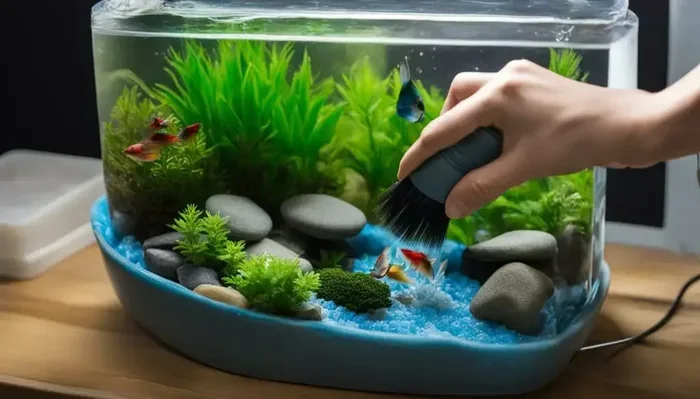
Why Do Betta Fish Stop Eating
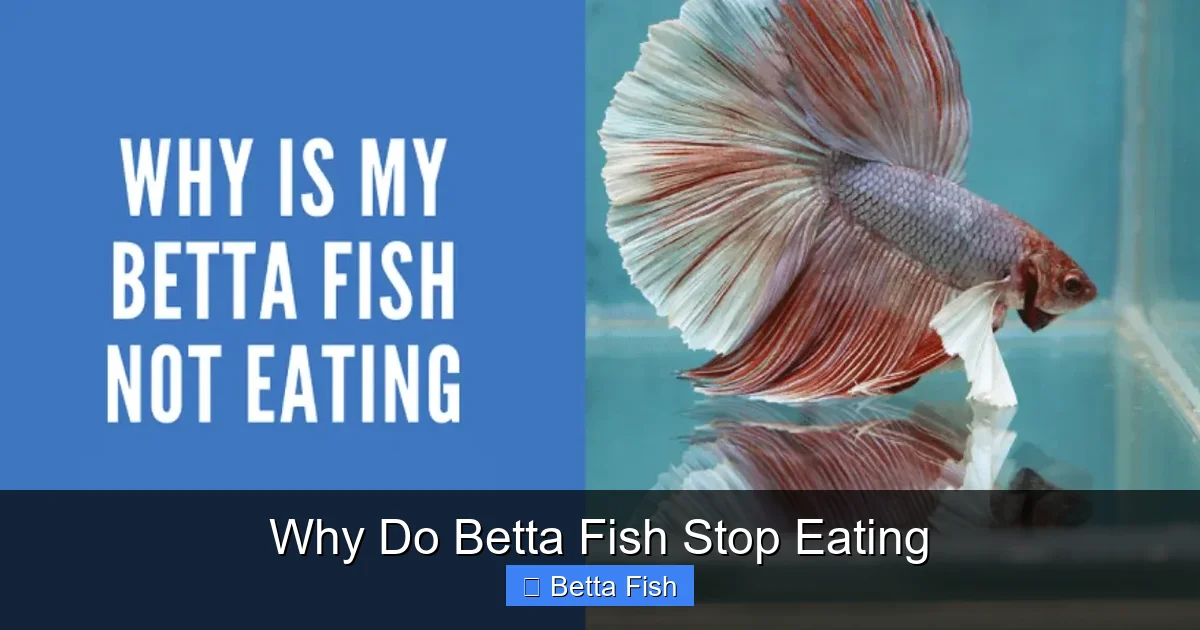
Betta fish stop eating for many reasons—stress, water problems, illness, or simple boredom. Identifying the root cause and adjusting tank conditions, diet, or medical care can restore their appetite fast.
Key Takeaways
- Understanding why do betta fish stop eating: Provides essential knowledge
📑 Table of Contents
Introduction
Betta fish are famous for their bright colors and dramatic flares, but one of the most worrying signs owners see is a sudden loss of appetite. When a normally enthusiastic eater starts ignoring food, it can feel like a red flag that something is terribly wrong. In this article we’ll walk through the most common reasons why do betta fish stop eating, how to spot the underlying issue, and what you can do right now to get your finned companion back to healthy feeding habits.
We’ll keep the tone friendly—think of it as a chat over coffee with a fellow hobbyist—while giving you clear, step‑by‑step advice. By the end you’ll know how to check water, adjust diet, reduce stress, and recognize when professional help is needed.
1. Water Quality – The Silent Appetite Killer
Why clean water matters
Betta fish are surprisingly sensitive to ammonia, nitrite, and nitrate spikes. Even a slight rise in ammonia (above 0 ppm) can irritate gills and make a betta feel too uncomfortable to eat. Likewise, high nitrate levels (over 20 ppm) can cause chronic stress, leading to a gradual loss of appetite.
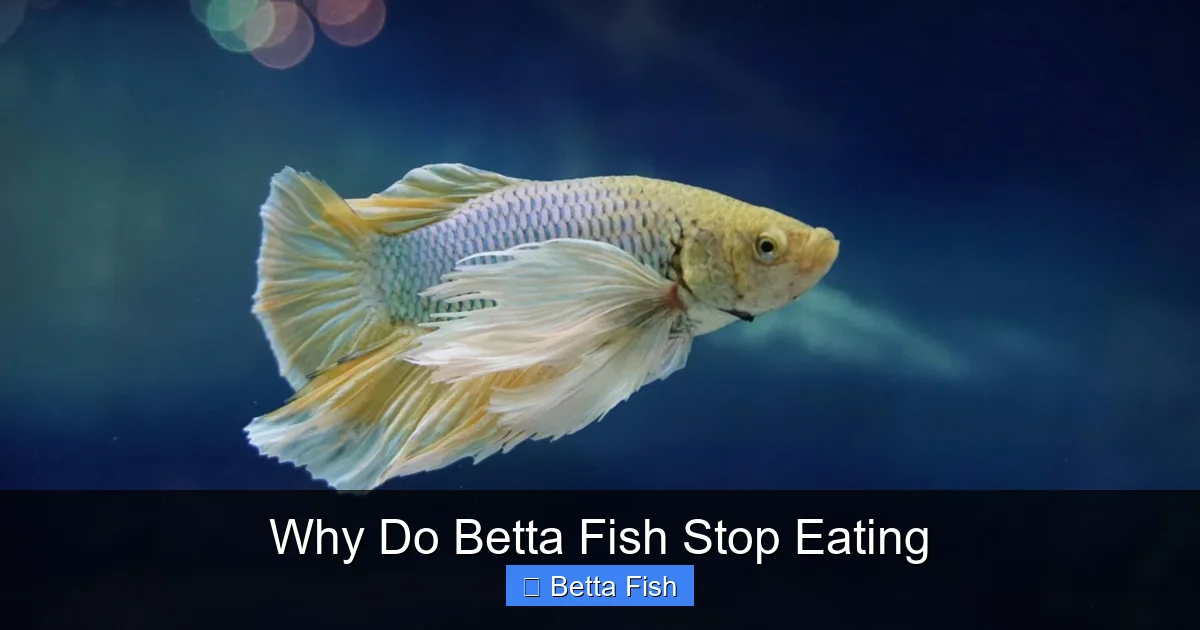
Visual guide about Why Do Betta Fish Stop Eating
Image source: fishkeepingadvice.com
How to test and fix water problems
- Test weekly: Use a liquid test kit to measure ammonia, nitrite, nitrate, and pH. Keep ammonia at 0 ppm, nitrite at 0 ppm, and nitrate below 20 ppm.
- Partial water changes: Swap out 25‑30 % of the water every 2‑3 days if parameters are off.
- Proper filtration: Even a small sponge filter helps keep waste suspended and broken down.
- Avoid over‑feeding: Uneaten food decomposes quickly, raising ammonia.
If you’ve noticed your betta stop eating, the first thing to do is test the water. A quick fix often restores appetite within a day.
2. Stress – The Unseen Enemy
Common stressors in a betta’s environment
Stress is a major reason why do betta fish stop eating. The following can stress a betta:
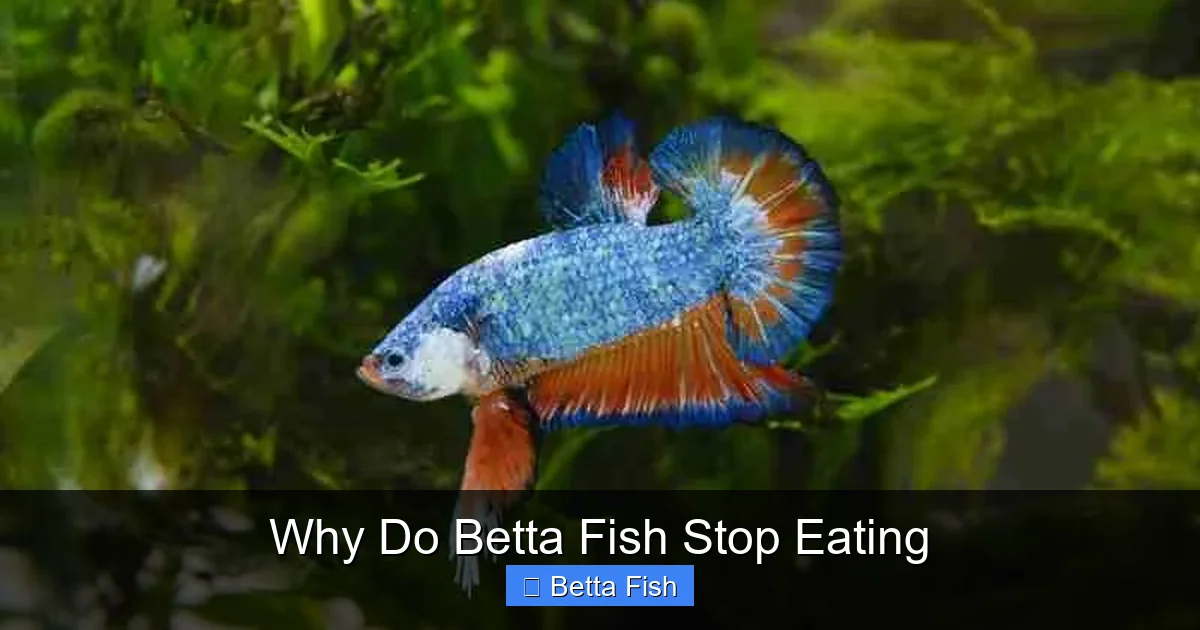
Visual guide about Why Do Betta Fish Stop Eating
Image source: fishkeepingwisdom.com
- Sudden temperature changes (more than 2‑3 °F).
- Frequent moving of the tank.
- Incompatible tank mates or reflective surfaces that trigger aggression.
- Loud vibrations, bright flashing lights, or constant tapping on the glass.
Creating a calm, betta‑friendly tank
Maintain a stable temperature between 76‑82 °F (see our guide on What Temperatures Do Betta Fish Like). Use a gentle aquarium heater and a reliable thermostat. Provide plenty of hiding spots—live plants, silk roots, or a small cave—to give your betta a place to retreat.
When you first introduce a new decoration, do it slowly, over a few days, to let the fish adjust.
3. Illness – When Health Takes Over Appetite
Typical diseases that cause a betta to refuse food
Illness often shows up first as a loss of appetite. Look for these warning signs:
Visual guide about Why Do Betta Fish Stop Eating
Image source: nicebettathailand.com
- Fin rot: Frayed, discolored fins that look ragged.
- Ich (white spots): Tiny white dots on the body.
- Swim‑bladder disorder: The fish floats upside down or stays at the bottom.
- Velvet disease: A gold‑brown dusting on the skin.
Basic home treatment steps
If you spot any of these signs, isolate the betta in a hospital tank with clean water and a low dose of aquarium salt (1 g per gallon). Increase water changes to 50 % daily for a few days. For fungal or bacterial infections, consider a broad‑spectrum medication like Maracyn or a natural remedy such as Indian almond leaves.
When in doubt, read more about How Do You Know If Your Betta Fish Is Dying to decide whether a vet visit is needed.
4. Diet Issues – Boredom or the Wrong Food
Why a monotonous menu can turn a betta off
Betta fish are carnivores that love protein. Feeding only one type of pellet for weeks can make them lose interest. Also, stale or low‑quality food loses its nutritional value and smell, which discourages eating.
Tips for a balanced, enticing diet
- Mix it up: Alternate high‑quality pellets with frozen or live foods like bloodworms, daphnia, or brine shrimp.
- Check freshness: Store pellets in an airtight container and discard any that are clumped or smell off.
- Proper portion size: Offer an amount that can be consumed in 2‑3 minutes, twice a day.
- Use a feeding stick: It lets you target the food directly to the mouth, reducing waste.
For a deeper dive into feeding basics, see our article on How Do You Feed A Betta Fish.
5. Environmental Changes – Moving, New Tank, or Seasonal Shifts
How transitions affect appetite
When you move a betta to a new tank, change the substrate, or even rearrange decorations, the fish can become anxious. Seasonal changes in daylight length can also impact feeding behavior; bettas may eat less during shorter days.
Making transitions smoother
- Acclimate slowly: Use the drip method for at least an hour when moving to a new tank.
- Keep lighting consistent: Use a timer to provide 10‑12 hours of gentle light daily.
- Maintain routine: Feed at the same times each day to give the fish a sense of security.
6. When to Seek Professional Help
Red flags that require a vet or experienced hobbyist
If your betta has not eaten for more than 48‑72 hours, shows rapid weight loss, or displays severe symptoms (gasping at the surface, clouded eyes, severe fin loss), it’s time to act.
What to bring to the vet
- Water sample in a sealed bag.
- Photos of the fish (close‑up of fins, eyes, and any spots).
- List of foods and medications you have tried.
Early intervention can save a betta’s life and often prevents long‑term damage.
Conclusion
Understanding why do betta fish stop eating is the first step toward keeping them healthy and happy. Most appetite issues stem from water quality, stress, illness, or a boring diet—each of which you can tackle with a few simple actions. Test your water, keep the environment stable, vary the menu, and watch for any signs of disease. If you’ve tried these fixes and your betta still refuses food, don’t hesitate to seek professional advice.
Remember, a betta’s refusal to eat is a signal, not a verdict. With careful observation and prompt care, most bettas bounce back stronger than ever, flashing their brilliant colors for you to enjoy.
Frequently Asked Questions
Why did my betta suddenly stop eating?
Sudden loss of appetite is usually linked to water quality issues, stress, or early signs of illness. Check parameters first, then look for visual symptoms.
How long can a betta go without food?
Healthy adult bettas can survive 5‑7 days without food, but a fast‑acting problem may appear within 24‑48 hours, so act quickly.
Can over‑feeding cause a betta to stop eating?
Yes. Excess food decays, raising ammonia levels and making the water unsafe, which often leads to a temporary loss of appetite.
Should I give my betta medication if it stops eating?
Only after you’ve identified a specific disease. Broad‑spectrum meds can mask symptoms and make diagnosis harder. Consult a vet first.
Is it normal for a betta to eat less during cooler months?
Betta metabolism slows down slightly in cooler water, so they may eat a bit less. Keep the temperature stable within the ideal range.
What can I do if my betta refuses all types of food?
Try offering live or frozen foods like brine shrimp, reduce water changes to improve water quality, and ensure the tank is stress‑free. If nothing works, seek professional help.