How Big Is a Newborn Betta Fish
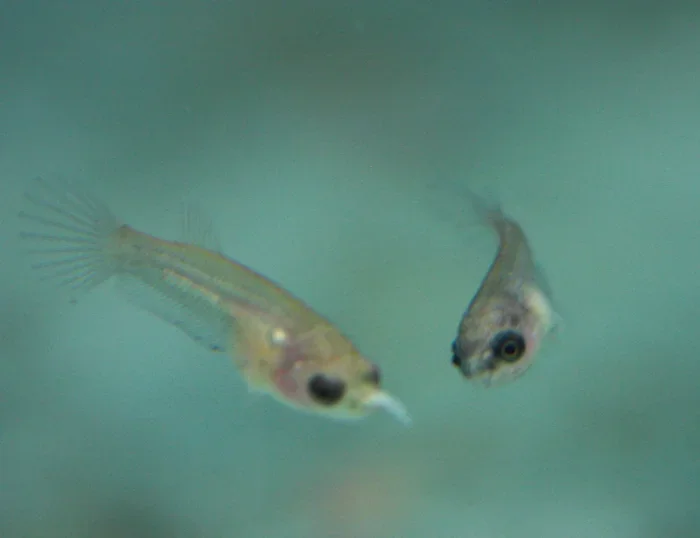
A newborn betta fish is incredibly tiny, measuring only about 0.2 to 0.3 inches (around 5 to 7 millimeters) at birth. These delicate baby bettas grow rapidly in their first few weeks, and understanding their initial size helps you provide the right care. Knowing how big is a newborn betta fish sets the foundation for healthy growth and a happy fish.
Key Takeaways
- Tiny at Birth: A newborn betta fish measures only about 0.2 to 0.3 inches, making them almost invisible to the naked eye.
- Rapid Early Growth: Baby bettas can double in size within the first few weeks of life with proper care.
- Right Tank Size Matters: A small, well-planned tank is essential for newborn bettas to stay safe and healthy.
- Special Feeding Needs: Newborn bettas need extremely small, live or frozen foods like baby brine shrimp.
- Water Quality Is Critical: Clean, stable water conditions help newborn bettas grow without stress or illness.
- Full Size Takes Months: It typically takes 4 to 6 months for a betta fish to reach its full adult size.
📑 Table of Contents
What Does a Newborn Betta Fish Look Like?
When a betta fish is first born, it is almost impossibly small. The newborn betta fish looks nothing like the vibrant, flowing adult you might picture. Instead, it appears as a tiny, translucent speck floating in the water. Its body is very thin, and you can barely see its fins. Most new betta owners are surprised by how small their fish really is at birth.
The color of a newborn betta is often pale or slightly transparent. You might notice a faint hint of color developing after the first week. The fins are short and undeveloped, folding close to the body. As days pass, the fins start to grow and the colors begin to show. Watching this transformation is one of the most rewarding parts of betta fish care.
How big is a newborn betta fish in practical terms? Think of a grain of rice. That is roughly the size of a freshly hatched betta. Because they are so small, they need very specific conditions to survive and grow properly.
Why Early Size Matters
The initial size of a newborn betta directly affects its care needs. A very small fish cannot eat large food particles. It also cannot swim strongly against water currents. This means you need to adjust your tank setup and feeding routine from day one. Paying attention to the betta fish size at birth helps you make smarter choices for your fish.
How Big Is a Newborn Betta Fish at Birth?
The exact size of a newborn betta fish varies slightly, but most fall within a very narrow range. On average, a baby betta measures between 0.2 and 0.3 inches, which is about 5 to 7 millimeters. Some may be slightly smaller or a bit larger depending on the parent fish and breeding conditions.
At this stage, the betta fry (that is what baby bettas are called) are extremely fragile. Their tiny bodies are still developing, and they rely on their yolk sac for nutrition for the first day or two. After that, they become free-swimming and start looking for food on their own.
Here are some quick facts about newborn betta size:
- Average length at birth: 0.2 to 0.3 inches (5 to 7 mm)
- Weight at birth: Less than a gram
- Eyes: Fully formed but very small
- Fins: Undeveloped, folded against the body
- Color: Pale, translucent, or faintly tinted
Understanding these measurements helps you set up the right environment. A tank that is too large can create strong currents that a tiny fish cannot handle. This is why choosing the right setup matters so much for newborn bettas.
How Does Newborn Size Compare to Adult Size?
An adult betta fish typically grows to about 2.5 to 3 inches in length. This means a newborn betta is roughly one-tenth the size of an adult. The growth rate is fast in the early weeks, but it takes several months to reach full size. If you want to learn more about how long bettas live and how their size changes over time, check out this guide on how long a betta fish life span really is.
Growth Stages of a Baby Betta Fish
The growth of a baby betta fish follows a clear pattern. Each stage comes with new needs and milestones. Tracking these stages helps you provide the best care at every step.
Stage 1: The First Week (Hatch to Free-Swimming)
During the first week, the newborn betta fish is still attached to its nesting site. It absorbs nutrients from its yolk sac. After about two to three days, it becomes free-swimming. At this point, the baby betta is still under 0.3 inches long. It is almost invisible without a magnifying glass.
During this stage, the fry does not need external feeding yet. However, the water quality in the tank must be pristine. Even small amounts of ammonia can harm these delicate creatures.
Stage 2: Weeks Two to Four (Early Growth)
By the second week, the baby betta fish starts eating small live foods. Its body begins to fill out, and you can start to see faint colors. The fins start growing, and the fish becomes slightly more active. At this point, the betta fish size has roughly doubled from birth.
This is also when you need to pay close attention to tank size. A tank that is too large creates problems for a tiny fish. For guidance on the right setup, see our article on how big of a fish tank for betta fish should be used at this stage.
Stage 3: Weeks Four to Eight (Rapid Growth)
The growth rate picks up significantly during weeks four through eight. The baby betta now measures about 0.5 to 0.75 inches. Colors become more vivid, and the fins grow longer. The fish starts to show its personality and swimming patterns.
Feeding becomes more important during this phase. You should offer a varied diet of high-quality small foods. Betta fish growth depends heavily on nutrition during these early weeks. A well-fed betta grows faster and healthier.
Stage 4: Months Two to Six (Approaching Adult Size)
By the second month, the betta fish is about 1 to 1.5 inches. It continues growing steadily. By month four or five, most bettas reach close to their full adult size. The colors are now fully developed, and the fins have their characteristic flowing shape.
During this stage, you can transition the fish to a standard-sized tank. A properly set up fish tank for betta fish gives your growing pet the space and stability it needs.
Setting Up the Right Tank for Newborn Betta Fish
A newborn betta fish needs a safe, controlled environment. The tank setup plays a huge role in how well the fish grows during its first weeks. Getting this right from the start makes a big difference.
Tank Size for Newborn Bettas
Many people wonder whether a newborn betta needs a large tank. The answer is no. In fact, a tank that is too big can be harmful. A small tank, around 1 to 3 gallons, is ideal for a newborn betta. The water stays warmer and more stable in a smaller volume. The fish can also find food more easily without swimming too far.
As the fish grows, you can gradually move it to a larger tank. By the time the betta reaches about 2 inches, a 5-gallon tank becomes appropriate. For more on this topic, you can read about what is the best tank size for a betta fish at different life stages.
Water Quality and Temperature
Clean water is essential for a newborn betta. These tiny fish are very sensitive to changes in water parameters. You should test the water regularly and keep ammonia and nitrite levels at zero. The temperature should stay between 78 and 80 degrees Fahrenheit.
Using a sponge filter on the lowest setting helps maintain water quality without creating strong currents. The betta fish water conditions directly affect growth rate and overall health. Poor water quality can stunt growth or lead to serious illness in newborn bettas.
Decorations and Hiding Spots
Newborn bettas need places to hide. Live plants like java moss or floating plants provide cover and reduce stress. Avoid decorations with sharp edges that could injure the tiny fish. A simple, clean setup works best for the first few weeks of a betta’s life.
Feeding Your Newborn Betta Fish
Feeding a newborn betta is one of the most important parts of care. Because the fish is so small, it needs food that is appropriately sized. The wrong food can go uneaten and pollute the water.
What to Feed Newborn Betta Fish
The best food for a newborn betta is live or frozen baby brine shrimp. These tiny organisms are the perfect size and packed with nutrients. You can also feed infusoria, which is a culture of microscopic organisms. Some breeders use commercially available fry food that is specifically designed for small fish.
Feed the baby betta several times a day in very small amounts. The goal is to offer as much food as the fish can eat in a few minutes. Overfeeding is a common mistake that can foul the water quickly.
How Often Should You Feed?
During the first two weeks, feed the newborn betta 3 to 4 times daily. As the fish grows and its body becomes more developed, you can reduce feedings to 2 times a day. Always remove any uneaten food after feeding to keep the water clean.
Proper feeding directly supports healthy betta fish growth. A well-fed newborn betta will grow faster, develop better color, and stay active. For tips on treating common health issues that can affect young bettas, see our guide on how to help a betta fish that is sick.
Common Mistakes to Avoid With Newborn Bettas
Raising a newborn betta fish comes with challenges. Many new owners make mistakes that can harm the fish during its most vulnerable stage. Avoiding these common errors sets your betta up for success.
Using a Tank That Is Too Large
The biggest mistake is putting a newborn betta in a large tank. A 10-gallon or 20-gallon tank creates currents that a tiny fish cannot fight against. The betta will struggle to swim and find food. Start with a small tank and upgrade as the fish grows.
Neglecting Water Quality
Newborn bettas are extremely sensitive to water changes. Even small spikes in ammonia can be fatal. Test the water daily during the first week and perform small water changes as needed. Clean, stable water is the foundation of healthy betta fish care.
Overfeeding
It is tempting to feed a newborn betta a lot because it seems always hungry. However, overfeeding leads to dirty water and health problems. Offer tiny amounts several times a day and remove leftovers promptly.
Skipping the Hiding Spots
Newborn bettas need places to hide to feel safe. Without hiding spots, the fish stays stressed, which slows growth and weakens the immune system. Add a few plants or small decorations to give your baby betta a sense of security.
When to Expect Your Betta to Reach Full Size
The growth journey of a betta fish is exciting to watch. Most bettas reach their full adult size within 4 to 6 months. However, the rate of growth depends on several factors, including diet, water quality, and tank conditions.
In the first month, the betta grows from about 0.3 inches to around 0.75 inches. By month three, it is typically close to 1.5 inches. The final growth push happens between months four and six, when the fish fills out and its fins reach full length.
If you want to understand the complete timeline of how long your betta will live and grow, explore our detailed article on how long a betta fish life span and what to expect at each stage.
How big is a newborn betta fish is just the starting point. With proper care, the right tank, and good nutrition, your tiny betta will grow into a healthy, colorful adult. The journey from a 0.2-inch speck to a 3-inch fish is a rewarding experience for any fish keeper.
Remember that every betta is different. Some grow faster, some slower. The key is to provide consistent, high-quality care from day one. Your patience and attention will pay off with a beautiful, thriving betta fish that brings joy to your home for years to come.
Frequently Asked Questions
How big is a newborn betta fish when it first hatches?
A newborn betta fish is about 0.2 to 0.3 inches long, roughly the size of a grain of rice. At this stage, the baby betta is translucent and very delicate, making it almost invisible to the naked eye.
How fast do newborn betta fish grow?
Newborn bettas grow rapidly in the first few weeks. They can double in size within the first month and reach near-adult size within 4 to 6 months. Feeding and water quality play a big role in their betta fish growth rate.
What size tank is best for a newborn betta fish?
A small tank of 1 to 3 gallons is ideal for a newborn betta. A tank that is too large creates strong currents that a tiny fish cannot handle. You can upgrade to a larger tank as the fish grows and becomes more active.
What should I feed a newborn betta fish?
The best food for a newborn betta is live or frozen baby brine shrimp. You can also use infusoria or commercially available fry food. Feed very small amounts 3 to 4 times a day during the first two weeks.
Can a newborn betta fish live in a bowl?
While a bowl can work for a very young betta, a small tank with a sponge filter is better. A tank provides more stable water conditions, which are critical for the health and survival of a newborn betta fish.
When will my newborn betta fish start showing color?
Most newborn bettas begin to show faint color around the second week of life. By one month, the colors become more visible, and by three to four months, the full adult coloration develops beautifully.