Is a Betta Fish Shrimp Treat
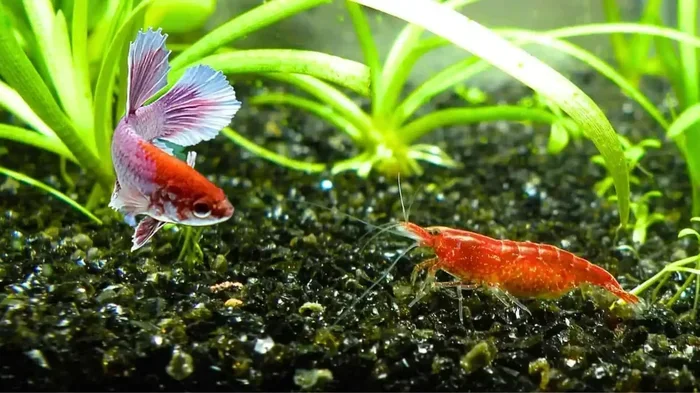
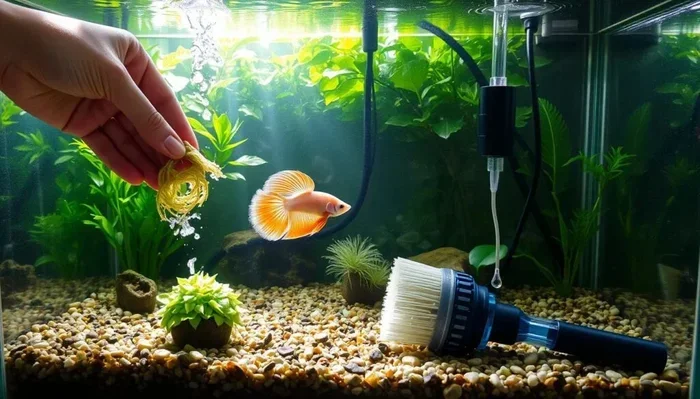
Yes, a betta fish shrimp treat can be a fantastic addition to your fish’s diet. Bettas love protein-rich foods, and shrimp provides essential nutrients that support betta fish health and vibrant colors. Whether you choose fresh, frozen, or dried shrimp, this treat offers variety and nutrition your betta will enjoy.
Many betta fish owners wonder whether offering a little shrimp is a smart move. The short answer is yes. Is a betta fish shrimp treat a good idea? Absolutely. Shrimp is one of the most natural and nutritious foods you can offer your betta. It mimics what they would eat in the wild and adds excitement to their daily meals.
Betta fish are natural hunters. They thrive on a diet rich in protein. In the wild, bettas hunt small insects, larvae, and tiny crustaceans like shrimp. Bringing shrimp into your home aquarium feeding routine connects your fish to their natural instincts. This makes mealtime more engaging and satisfying for your colorful companion.
But not all shrimp options are equal. Some are better than others. And knowing how often to feed shrimp matters just as much as what kind you choose. This guide covers everything you need to know about treating your betta to shrimp safely and responsibly.
Key Takeaways
- Shrimp is safe for betta fish: It makes an excellent occasional treat packed with protein and nutrients.
- Several shrimp types work well: Including brine shrimp, ghost shrimp, and dried shrimp varieties.
- Feed shrimp in moderation: Overfeeding can lead to health issues and tank water problems.
- Preparation matters: Always rinse and cut shrimp into small, manageable pieces before feeding.
- Watch for allergic or digestive reactions: Some bettas may have sensitivities to new foods.
- Shrimp can coexist with bettas: But careful tank setup is essential to prevent predation.
📑 Table of Contents
Can Betta Fish Eat Shrimp?
The simple answer is yes. Betta fish can eat shrimp without any problems. In fact, shrimp is one of the closest foods to what bettas eat in their natural habitat. Wild bettas live in warm, shallow waters across Southeast Asia. They hunt for small creatures, including tiny shrimp and insect larvae.
Shrimp provides high-quality protein that supports muscle growth, vibrant coloration, and overall energy levels. Bettas are carnivores by nature. Their digestive systems are built to process animal-based proteins. Shrimp fits this diet perfectly. It is one of the best betta fish treats you can offer.
However, shrimp should be an occasional treat, not a staple. A betta’s main diet should consist of high-quality pellets or flakes designed for their nutritional needs. Think of shrimp as a supplement that adds variety and excitement. Used correctly, it enhances your fish’s diet without replacing essential daily nutrition.
What Kind of Shrimp Can Betta Fish Eat?
Not all shrimp options are created equal. Here are the best types you can offer your betta:
- Brine shrimp: A favorite among betta keepers. Available live, frozen, or dried. Brine shrimp is packed with protein and is easy to digest.
- Ghost shrimp: Small and affordable. Many keepers use ghost shrimp as both tank mates and food. They are a natural choice for bettas.
- Dried shrimp: Convenient and long-lasting. Look for shrimp pellets or dried shrimp specifically made for tropical fish.
- Frozen shrimp: Rich in nutrients. Frozen options preserve more vitamins than freeze-dried varieties.
- Fresh shrimp: The most natural option. Just make sure to cook it lightly and remove the shell before feeding.
Each type has its benefits. Live brine shrimp激发 your betta’s hunting instincts. Frozen shrimp offers maximum nutrition. Dried shrimp is the easiest to store and portion. Choose based on what works best for your schedule and your fish’s preferences.
Benefits of Shrimp as a Betta Fish Treat
Adding shrimp to your betta’s diet offers several real advantages. Here is why many betta owners reach for shrimp as a go-to treat:
- High protein content: Shrimp is rich in protein, which bettas need for energy, growth, and tissue repair.
- Rich in nutrients: Shrimp contains essential vitamins and minerals like calcium, phosphorus, and B vitamins.
- Enhances coloration: The carotenoids in shrimp can help bring out the vivid reds, blues, and greens in your betta’s fins.
- Supports digestion: Shrimp is easy to break down and digest, making it gentle on your betta’s system.
- Stimulates natural behavior: Hunting and eating shrimp engages your betta’s predatory instincts, reducing boredom and stress.
- Variety in diet: Offering different foods prevents nutritional gaps and keeps your fish interested in mealtime.
These benefits make shrimp a standout choice among betta fish food options. It is not just a snack. It is a functional addition that supports your fish’s well-being in multiple ways. For more on what makes a good companion in the tank, check out what is a good tank mate for a betta fish to understand how different species interact.
How to Feed Shrimp to Your Betta Fish
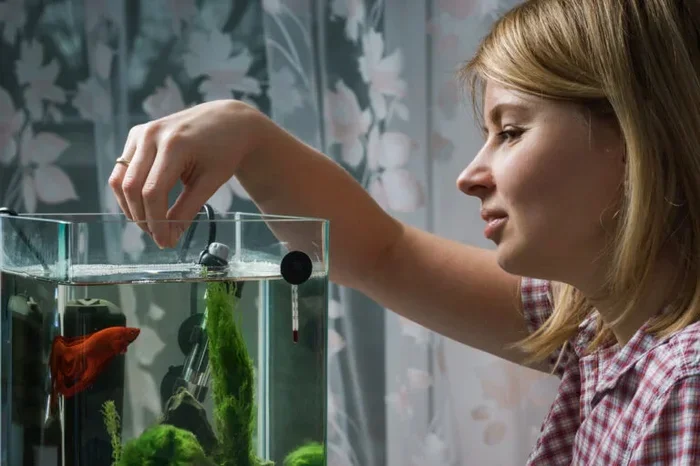
Feeding shrimp to your betta is simple, but doing it the right way makes all the difference. Proper preparation ensures your fish gets the full benefit without any risks.
Preparation Tips
Before you drop any shrimp into your tank, follow these steps:
- Rinse the shrimp thoroughly: This removes any bacteria, chemicals, or residue from processing. Use clean, dechlorinated water.
- Cut shrimp into small pieces: Bettas have small mouths. Cut shrimp into tiny, bite-sized portions to prevent choking.
- Thaw frozen shrimp properly: If using frozen shrimp, let it thaw at room temperature. Avoid using hot water, which can destroy nutrients.
- Remove shells and tails: Shells can be hard to digest. Always peel shrimp before offering it to your betta.
- Feed in small amounts: A piece or two is enough for one feeding session. You can always offer more if your fish finishes it quickly.
These simple steps keep feeding safe and effective. Clean preparation reduces the chance of introducing harmful bacteria into your aquarium. And cutting shrimp properly ensures your betta can eat comfortably without any struggle.
How Often Should You Feed Shrimp?
Shrimp should be treated as an occasional supplement, not a daily meal. A good rule of thumb is to offer shrimp two to three times per week. This gives your betta the nutritional benefits without overloading its diet.
Overfeeding is one of the most common mistakes betta owners make. Uneaten shrimp can decay quickly in warm water, polluting the tank and raising ammonia levels. Always remove any leftover shrimp after a few hours. Your betta’s health depends on a clean, well-maintained environment as much as it depends on good food.
For more guidance on maintaining a healthy feeding routine, read about how to treat a stressed betta fish since improper feeding can lead to stress and behavioral changes.
Shrimp as Part of a Balanced Betta Diet
Shrimp works best when it complements a well-rounded diet. Your betta needs more than just one food source to stay healthy and vibrant. Think of shrimp as one piece of the puzzle.
A balanced betta diet typically includes:
- High-quality betta pellets: These should form the foundation of your fish’s daily meals. Look for pellets with high protein content and minimal fillers.
- Betta flakes: A convenient option, though some bettas prefer pellets over flakes.
- Live or frozen foods: Bloodworms, daphnia, and brine shrimp all make excellent additions.
- Occasional treats like shrimp: This adds variety and keeps your betta excited about eating.
Rotating between these food types ensures your betta receives a broad spectrum of nutrients. No single food provides everything a betta needs. By combining pellets, frozen foods, and shrimp treats, you create a diet that supports long-term health, strong immunity, and brilliant colors.
If you are curious about what else bettas can eat, explore can I feed a betta fish piece of shrimp for more detailed feeding advice specific to shrimp portions.
Can Betta Fish and Shrimp Live Together?
This is a question many betta owners ask. The answer depends on several factors, including your betta’s temperament and the type of shrimp involved.
Understanding Betta Predatory Behavior
Betta fish are predators. Even well-fed bettas have a natural instinct to hunt small creatures. Shrimp, especially tiny species like cherry shrimp or ghost shrimp, can trigger this instinct. Some bettas will leave shrimp alone, while others will chase and eat them.
Here are some factors that influence whether your betta and shrimp can coexist:
- Betta personality: Some bettas are peaceful, while others are aggressive hunters. You cannot predict behavior with 100% certainty.
- Tank size: A larger tank gives shrimp more hiding spots and escape routes. A cramped tank increases the chances of shrimp being hunted.
- Shrimp species: Larger shrimp like Amano shrimp are harder for bettas to catch. Smaller species like cherry shrimp are more vulnerable.
- Availability of hiding places: Plants, caves, and decorations give shrimp places to hide and reduce encounters with your betta.
If you want to keep shrimp and bettas together, choose a larger tank with plenty of plants and decorations. This setup gives shrimp a better chance of survival. For more on compatible tank setups, visit can you put a betta fish with shrimp to learn about successful cohabitation strategies.
Some owners choose to keep shrimp as a separate food source rather than tank mates. This approach eliminates the risk entirely. You simply feed shrimp to your betta as a treat without worrying about it being eaten by your fish first.
Potential Risks and Things to Watch For
While shrimp is generally safe for bettas, there are a few risks to keep in mind. Being aware of these helps you avoid problems before they start.
Overfeeding is the biggest risk. Too much shrimp can cause digestive issues like bloating and constipation. Bettas have small stomachs. A piece of shrimp the size of their eye is plenty per feeding session. If you notice your betta refusing food or swimming abnormally after eating shrimp, skip the next few feedings and observe your fish closely.
Water quality can decline if uneaten shrimp is left to rot in the tank. Decomposing food releases ammonia, which is toxic to fish. Always remove uneaten food within a few hours. A good filter and regular water changes help maintain a healthy environment.
Allergic reactions are rare but possible. Some bettas may not tolerate shrimp well, especially if they have never eaten it before. Introduce shrimp slowly. Offer a tiny piece first and watch your fish for any signs of discomfort or unusual behavior over the next 24 hours.
Source matters too. Never feed wild-caught shrimp from unknown water sources. These can carry parasites and diseases that harm your betta. Stick to commercially prepared shrimp or shrimp from reputable aquarium suppliers. For more on identifying health issues related to diet, see how to treat ich on a betta fish, as poor diet can weaken your fish’s immune system and make it more susceptible to diseases.
Final Thoughts on Shrimp Treats for Betta Fish
So, is a betta fish shrimp treat worth it? The answer is a clear yes. Shrimp is a natural, protein-rich food that bettas love. It supports their health, enhances their colors, and provides mental stimulation through hunting behavior. Used as an occasional supplement to a balanced pellet-based diet, shrimp adds real value to your betta’s life.
Remember to feed shrimp in moderation, prepare it properly, and always monitor your fish after introducing any new food. Every betta is different. Some will go crazy for shrimp, while others may take a few tries before they accept it. Patience and observation are key.
Keeping your betta healthy and happy is the ultimate goal. A varied diet that includes the occasional shrimp treat is one of the simplest ways to support that goal. Your fish will thank you with vibrant colors, active swimming, and a healthy appetite. Treat your betta well, and it will reward you with years of beauty and companionship in your aquarium.
Frequently Asked Questions
Can betta fish eat dried shrimp?
Yes, betta fish can eat dried shrimp. Dried shrimp is a convenient option that stores well and provides good protein. Look for shrimp pellets or dried shrimp made specifically for tropical fish. Always soak dried shrimp in tank water for a few minutes before feeding to soften it.
How many pieces of shrimp should I feed my betta?
One to two small pieces per feeding session is plenty. Bettas have tiny stomachs, roughly the size of their eye. Overfeeding shrimp can lead to digestive problems and dirty tank water. Feed shrimp only two to three times per week as an occasional treat.
Is it safe to feed my betta live shrimp?
Yes, live shrimp is safe and highly beneficial. Live food stimulates natural hunting behavior and provides maximum nutrition. Brine shrimp and ghost shrimp are common live options. Just make sure the shrimp comes from a reputable source to avoid introducing diseases into your tank.
Can shrimp make my betta fish sick?
Shrimp rarely causes illness when fed properly. The main risks come from overfeeding or feeding shrimp from unreliable sources. Always rinse shrimp before feeding, remove uneaten portions, and introduce it slowly. If your betta shows signs of discomfort, stop feeding shrimp and monitor your fish closely.
What is the difference between brine shrimp and regular shrimp for bettas?
Brine shrimp are a specific species commonly used as fish food. They are smaller, easier to digest, and widely available in live, frozen, and dried forms. Regular shrimp refers to larger species that need to be cut into smaller pieces before feeding. Both are excellent protein sources for bettas.
Will my betta fish refuse pellets if I give it shrimp too often?
This is a real possibility. Bettas can become picky eaters if they receive too many treats. If your betta starts ignoring pellets in favor of shrimp, reduce treat frequency. Always prioritize a quality pellet or flake diet as the main food source and use shrimp as a supplement only.