Is Barometric Pressure Better Fishing Hifh Oe Low
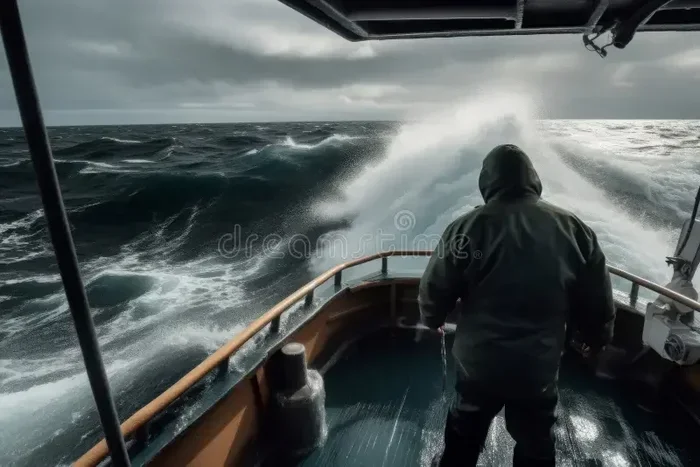
Barometric pressure is one of the biggest factors that decides whether your fishing trip will be a hit or a miss. Many anglers swear that fishing during low pressure brings more bites, while others catch their biggest fish under high pressure systems. Understanding how atmospheric pressure affects fish behavior helps you plan smarter trips and spend less time waiting. In this guide, we break down exactly when and why fish feed more actively based on pressure changes.
Fishing is one of those hobbies where tiny details can make a huge difference. You can have the best gear, the perfect spot, and a full tackle box. But if you ignore barometric pressure, you might be wasting your time. Air pressure changes are invisible, but fish feel them. They react in real time to shifts in the atmosphere, and smart anglers use this to their advantage.
If you have ever wondered why some days the fish are biting nonstop and other days they barely look at your bait, barometric pressure is usually the answer. Whether you fish saltwater or freshwater, understanding how high pressure and low pressure systems affect fish behavior will change the way you plan every trip. This article covers everything from the science behind it to practical tips you can use right away.
Key Takeaways
- Low pressure often triggers active feeding: Fish tend to move higher in the water column and hunt more aggressively before and during storms.
- High pressure can slow things down: Fish may become lethargic and hold deeper, but post-frontal high pressure can create excellent sight-fishing conditions.
- Falling pressure is the golden window: Many expert anglers target trips right before a storm when the barometer drops.
- Rising pressure after a storm can surprise you: Fish often feed heavily as conditions stabilize and settle.
- Barometric changes affect betta fish too: Even aquarium fish respond to pressure shifts, which can change their feeding patterns.
- Combine pressure reading with other factors: Wind, cloud cover, and water temperature all work together with air pressure to determine fish activity.
📑 Table of Contents
- What Is Barometric Pressure and Why Does It Matter for Fishing?
- Is Low Pressure Better for Fishing?
- Is High Pressure Better for Fishing?
- Falling vs. Rising Pressure: Which Is the Sweet Spot?
- How Water Conditions Interact with Barometric Pressure
- Common Mistakes Anglers Make With Barometric Pressure
- Expert Insights: How Top Anglers Use Pressure to Their Advantage
- Can Barometric Pressure Affect Betta Fish?
- Final Thoughts: Using Barometric Pressure to Catch More Fish
What Is Barometric Pressure and Why Does It Matter for Fishing?
Barometric pressure is the weight of the air pressing down on the Earth’s surface. We measure it with a tool called a barometer. When the numbers drop, a low pressure system is moving in, which usually means clouds, wind, and storms. When the numbers rise, a high pressure system settles in, which often brings clear skies and calm conditions.
Fish have swim bladders that help them control their buoyancy. Changes in air pressure affect the water column and how much effort fish need to stay at a certain depth. This is why fish feeding patterns shift so noticeably when the weather changes. A barometer reading is one of the simplest tools you can add to your fishing routine.
How Fish Sense Pressure Changes
Fish are incredibly sensitive to their environment. Their lateral lines detect even small shifts in water pressure. When atmospheric pressure drops, the water pressure above decreases slightly. This can make fish feel more comfortable moving upward to feed. Many anglers report that fish biting improves significantly just before a storm rolls in.
On the flip side, when high pressure pushes down hard on the water, fish may feel compressed and move deeper. They become less active and less willing to chase bait. But this does not mean you cannot catch fish in high pressure. It just means you need to adjust your approach.
Is Low Pressure Better for Fishing?
The short answer is that many anglers believe low pressure creates the best fishing conditions. Before and during a storm, fish often feed aggressively. They sense the coming change and try to pack in as much food as possible. This is why some of the best fishing trips happen right before a thunderstorm breaks.
During low pressure, fish tend to spread out and roam more freely. They are less likely to hold tight to structure and more likely to chase lures. If you want to maximize your chances, check the weather forecast before heading out. A dropping barometer is your signal to get to the water.
Why Fish Feed More Before Storms
There is a well-known pattern among experienced anglers. As pressure falls toward a storm, fish become hungrier. They know rough weather is coming and they need to fuel up. This feeding window can last anywhere from a few hours to a full day before the storm hits.
Here are some signs that low pressure is creating great fishing conditions:
- Fish are actively surfacing and breaking the water
- Baitfish are jumping and scattering near the top
- Your lure gets attacked within seconds of hitting the water
- Fish seem to be roaming open water instead of hiding
If you want to learn more about how pressure affects fish biting, check out our detailed guide on do fish bite better in high or low pressure. It covers the exact science behind these patterns.
Is High Pressure Better for Fishing?
High pressure gets a bad reputation among anglers. It is true that fish often go deeper and become less active during stable high pressure. But that does not mean high pressure fishing cannot be productive. In fact, some of the most consistent fishing happens under clear skies and high atmospheric pressure.
After a storm passes and high pressure moves in, the water clears up. Fish adjust to the new stable conditions and start feeding again. Many anglers call this the “post-frontal bite.” It can be incredibly strong, especially for sight-fishing species that rely on clear water to spot their prey.
How to Fish Successfully in High Pressure
When the barometer is high and the sky is clear, you need to think differently. Fish are holding deeper and being more selective. Here is what works:
- Use lighter lines and smaller lures to match the mood
- Fish deeper structure, drop-offs, and shaded areas
- Slow your retrieve way down. Fish are not in a rush
- Focus on early morning and late evening when light is softer
- Try finesse techniques like drop shots and Ned rigs
Patience is key during high pressure. The fish are still there, but they are not in a feeding frenzy. If you slow down and work your bait carefully, you will still get bites.
For tips on how pressure changes affect aquarium fish like bettas, read our article on do barometric pressure changes affect betta fish behavior.
Falling vs. Rising Pressure: Which Is the Sweet Spot?
Not all pressure changes are the same. The direction of the change matters just as much as the actual number on the barometer. Most anglers agree that falling pressure is the best time to fish. Fish sense the incoming weather change and start feeding heavily in preparation.
Rising pressure can also be productive, especially after a storm. As the weather stabilizes, fish settle into a rhythm and begin feeding again. But the peak feeding window usually happens during the transition from low to high pressure.
The Pressure Timeline Explained
Here is how a typical weather system affects fishing over several days:
| Phase | Pressure Trend | Fish Behavior | Fishing Success |
|---|---|---|---|
| Before Storm | Falling | Active feeding, aggressive | Excellent |
| During Storm | Low and steady | Less active, deep holding | Poor |
| After Storm | Rising | Recovering, feeding resumes | Good to Excellent |
| Stable High | High and steady | Lethargic, deep | Fair |
The best fishing often happens in two windows: right before the storm when pressure falls, and the day or two after when pressure rises again. If you can time your trips around these windows, you will see a big difference in your catch rate.
Many anglers also notice that fishing conditions improve after rain. For more on this, see our guide on is fishing better after rain.
How Water Conditions Interact with Barometric Pressure
Barometric pressure does not work alone. It combines with water temperature, clarity, wind, and current to create the overall fishing picture. A falling pressure system often brings wind and cloud cover, which can make fish more comfortable feeding in shallower water.
During high pressure, the water is usually calm and clear. This can make fish wary, especially in shallow lakes and rivers. They can see your line, your shadow, and your lure more easily. That is why many anglers prefer overcast days for sight fishing, even if the pressure is high.
Here are some quick tips for reading the full picture:
- Combine your barometer reading with a weather app for the full forecast
- Watch the wind direction. A falling barometer often brings shifting winds
- Note the water temperature. Fish feed more when it is in their comfort range
- Cloudy days during high pressure can still produce great results
Understanding how water conditions and pressure work together gives you a real edge. You will start to see patterns that other anglers miss.
Common Mistakes Anglers Make With Barometric Pressure
Even experienced fishermen sometimes make mistakes when it comes to reading the weather. Here are the most common ones to avoid:
Only Looking at the Current Pressure
The current barometer reading matters less than the trend. A high pressure of 30.20 today might feel great, but if it was 30.30 yesterday, fish are already adjusting to the drop. Always look at which direction the pressure is moving, not just where it stands.
Ignoring Local Effects
Barometric pressure affects different bodies of water differently. A large lake responds more slowly than a small pond. Coastal fishing involves saltwater pressure changes that behave differently than freshwater systems. Learn how your local fishing spot reacts to pressure shifts over time.
Giving Up Too Early During High Pressure
Just because the pressure is high does not mean you should go home. Some of the best bass fishing happens during stable high pressure when fish are locked onto structure. You just need to slow down and be precise with your presentations.
Forgetting About the Post-Frontal Bite
Many anglers pack up right after a storm passes. But the rising pressure that follows is often the best time to fish. Fish recover from the storm and start feeding aggressively. Do not leave the dock too early.
Expert Insights: How Top Anglers Use Pressure to Their Advantage
Professional tournament anglers spend a lot of time watching the barometer. They know that a pressure change can turn a slow day into a banner day, or vice versa. Many of them plan their trips around falling pressure windows and adjust their techniques based on the current system.
One common strategy among pros is to fish deeper during high pressure and shallower during low pressure. Another is to match their retrieve speed to the fish’s energy level. Fast retrieves work during falling pressure when fish are aggressive. Slow, subtle presentations work better during high pressure when fish are sluggish.
The best anglers also keep a fishing log. They note the barometer reading, the weather, and their catch rate for every trip. Over time, patterns emerge that are specific to their local waters. This kind of data-driven approach takes your fishing from guesswork to strategy.
Can Barometric Pressure Affect Betta Fish?
Since this site focuses on betta fish, it is worth mentioning that barometric pressure changes affect aquarium fish too. Betta fish are sensitive to their environment, and sudden pressure shifts can cause stress. You might notice your betta hiding more, eating less, or acting lethargic before a big storm.
If you keep bettas, you can help them by maintaining stable water conditions. Keep the tank at a consistent temperature and avoid sudden changes in lighting or noise during pressure shifts. Your betta will feel more secure and stay healthy.
For a deeper dive into how weather affects betta behavior, visit our article on do barometric pressure changes affect betta fish behavior.
Final Thoughts: Using Barometric Pressure to Catch More Fish
Barometric pressure is one of the most powerful tools in an angler’s toolkit. It costs nothing to check, requires no special gear beyond a basic barometer app, and it gives you a huge advantage over anglers who ignore it.
Whether you prefer fishing during low pressure when fish are aggressive, or high pressure when they are locked in structure, knowing what to expect helps you make better decisions. The key is to watch the trends, not just the numbers. Falling pressure is your best friend. Rising pressure after a storm is your second best. And stable high pressure just requires a little extra patience.
Next time you plan a fishing trip, take five minutes to check the barometer forecast. You might be surprised at how much it improves your results. Tight lines and happy fishing!
Frequently Asked Questions
What barometric pressure is best for fishing?
Most anglers agree that falling pressure is the best time to fish. Fish feed aggressively before a storm when the barometer drops. The sweet spot is usually between 29.80 and 30.20 inches of mercury, especially when the pressure is trending downward.
Do fish bite more in high or low pressure?
Fish tend to bite more actively in low pressure conditions, especially before and during storms. However, the post-frontal bite after a storm passes under rising high pressure can also be excellent. Low pressure generally triggers more aggressive feeding behavior.
How does barometric pressure affect fish behavior?
Changes in atmospheric pressure affect the water column and how fish use their swim bladders. Falling pressure makes fish more active and willing to feed. Rising pressure causes them to settle deeper and become more selective. Stable pressure leads to predictable but slower feeding patterns.
Is it good to fish when the barometer is falling?
Yes, a falling barometer is one of the best signals for fishing. Fish sense the incoming weather change and start feeding heavily to prepare. Many expert anglers consider the window before a storm to be the most productive time of the day.
Can barometric pressure affect betta fish in an aquarium?
Yes, betta fish are sensitive to pressure changes. Before a storm or weather shift, you might notice your betta becoming less active or hiding more. Maintaining stable tank conditions helps reduce stress caused by barometric pressure fluctuations.
What is the best barometer app for fishing?
Popular options include Barometer & Altimeter, WeatherPro, and MyRadar. These apps give you real-time pressure readings and forecasts. Many also send alerts when pressure is dropping, which is the perfect time to head to your favorite fishing spot.