Betta fish sometimes flop or lie motionless, mimicking death, and it’s usually a stress or health signal. Understanding the reasons—like water quality, temperature, or fear—helps you act quickly to keep your betta thriving.
Key Takeaways
- Play‑dead behavior is a stress response: Poor water, sudden changes, or predators can trigger it.
- Health issues often hide behind the flop: Illness, parasites, or injuries may be the real cause.
- Temperature matters: Betta fish love warm water; a drop can make them become lethargic.
- Observe other signs: Gasping, color loss, or lack of appetite confirm a problem.
- Quick fixes work: Clean water, proper diet, and a calm environment usually restore activity.
- Preventive care reduces episodes: Regular tank checks and proper tank mates keep bettas happy.
- When to seek help: If the fish stays motionless for more than a few minutes, consult a vet.
📑 Table of Contents
- Introduction: The Mysterious “Dead” Betta
- 1. What Does “Playing Dead” Really Look Like?
- 2. Common Triggers Behind the Behavior
- 3. How to Respond When You See a “Dead” Betta
- 4. Preventing Future “Play‑Dead” Episodes
- 5. When “Playing Dead” Means a Serious Problem
- Conclusion: Turn the “Dead” Moment into a Learning Opportunity
Introduction: The Mysterious “Dead” Betta
Imagine you’re watching your vibrant betta glide around the tank, then—suddenly—he drops to the bottom, floats on his side, and looks completely still. It can feel like a tiny tragedy, especially if you’re new to the hobby. This behavior is often called “playing dead,” and while it looks dramatic, it’s usually a warning sign rather than an actual death scene.
In this article we’ll unpack why do betta fish play dead, explore the most common triggers, and give you step‑by‑step tips to keep your fish lively. By the end, you’ll know exactly what to look for, how to fix the problem, and how to prevent future episodes.
1. What Does “Playing Dead” Really Look Like?
Typical posture and movement
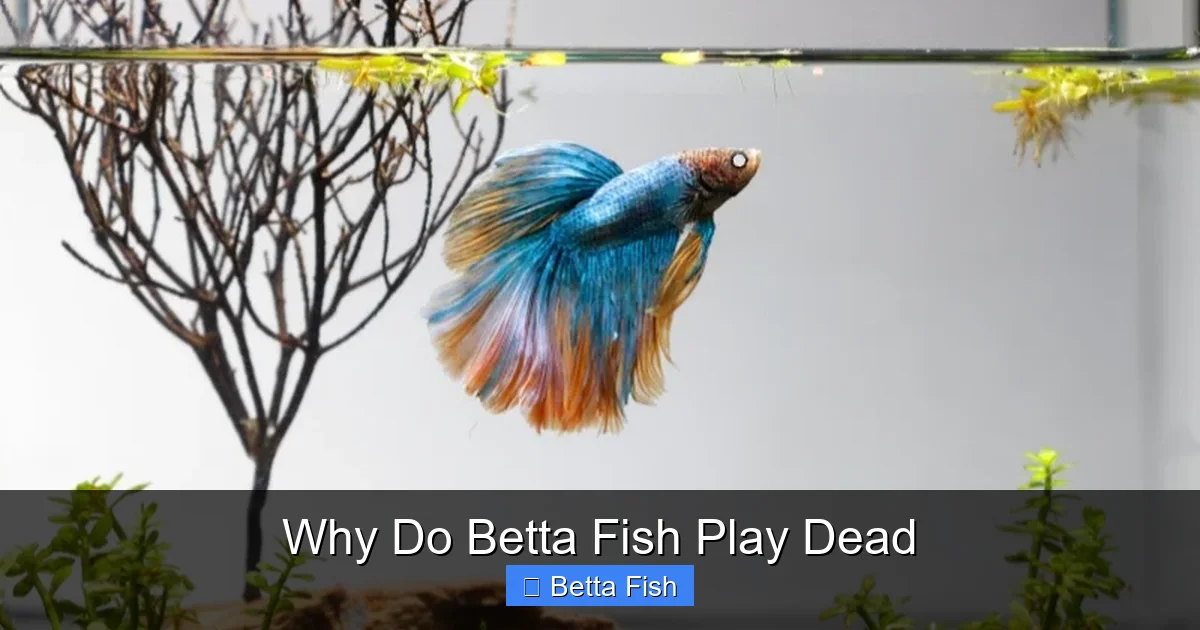
A betta that is “playing dead” often:
Visual guide about Why Do Betta Fish Play Dead
Image source: infishtank.com
- Lies flat on the tank bottom, belly up or side‑down.
- Shows little to no fin movement.
- May open and close its mouth slowly, as if gasping.
- Appears pale or loses its bright coloration.
This posture can last from a few seconds to several minutes. If it continues beyond a short period, it’s time to investigate.
How it differs from normal rest
Betta fish do rest, usually near the surface or on a leaf, but they remain alert and will quickly dart away if startled. A “play‑dead” betta is unresponsive and often stays at the very bottom, which is a red flag.
2. Common Triggers Behind the Behavior
Water quality problems
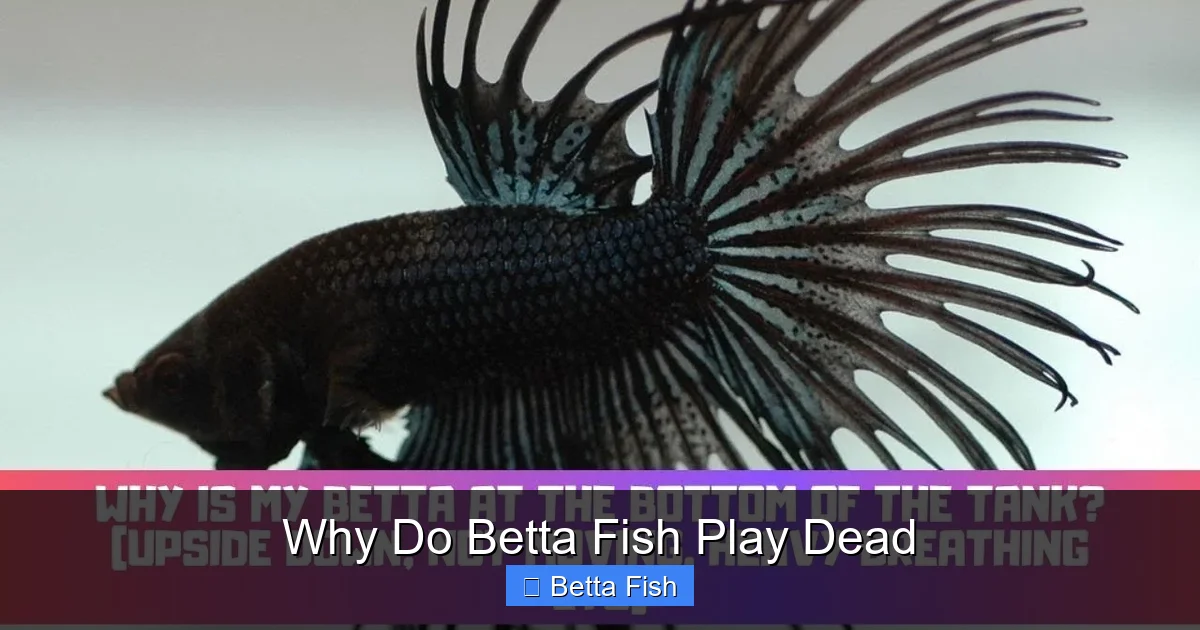
Bad water is the #1 cause of stress. High ammonia, nitrite spikes, or low dissolved oxygen can make a betta feel hopeless enough to flop. Test your water weekly and keep parameters in the ideal range (ammonia 0 ppm, nitrite 0 ppm, nitrate < 20 ppm, pH 6.5‑7.5).
Visual guide about Why Do Betta Fish Play Dead
Image source: i.ytimg.com
Temperature fluctuations
Betta fish are tropical and love warm water (78‑80°F / 25‑27°C). A sudden drop—perhaps from a room AC turning on—can cause a rapid slowdown. If you notice your heater cycling off, check the thermometer and consider a more stable heater.
Fear and predator cues
Even a reflection on the glass or a fast‑moving fish outside the tank can trigger a “freeze” response. In the wild, playing dead can deter predators, and captive bettas may use the same instinct.
Health issues
Parasites, bacterial infections, or internal organ problems can sap energy. Look for other signs like ragged fins, white spots, or a bloated belly. For a deeper dive on health checks, see How Do You Know If Your Betta Fish Is Dying.
Improper diet
Feeding low‑quality pellets or over‑feeding can lead to constipation, which makes a betta sluggish. A balanced diet of high‑protein pellets, occasional frozen foods, and proper feeding frequency keeps energy up.
3. How to Respond When You See a “Dead” Betta
Immediate actions
- Check water parameters: Use a test kit. If ammonia or nitrite is high, perform a partial water change (25‑30%).
- Raise the temperature: If it’s below 78°F, increase it slowly by 1‑2°F.
- Observe breathing: Rapid gill movement indicates low oxygen; add a gentle air stone.
- Gentle encouragement: Use a soft net to nudge the fish toward the surface; avoid stressing it further.
Long‑term fixes
After the immediate crisis, implement these habits:
Visual guide about Why Do Betta Fish Play Dead
Image source: bettacarefishguide.com
- Schedule weekly water changes (20‑30%).
- Maintain a stable temperature with a reliable heater.
- Feed a varied diet and remove uneaten food quickly.
- Provide hiding spots—like live plants or silk caves—to reduce fear.
4. Preventing Future “Play‑Dead” Episodes
Tank setup basics
A 5‑gal minimum tank with a gentle filter and a heater is ideal. Avoid small bowls; they cannot maintain stable conditions. Learn more about proper housing at Why Can Betta Fish Live In A Bowl.
Monitoring and maintenance schedule
Set a weekly calendar:
- Test water on Monday.
- Partial water change on Thursday.
- Inspect fish for signs of stress daily.
Understanding betta behavior
Betta fish are solitary by nature. Overcrowding or aggressive tank mates can cause chronic stress, leading to “playing dead.” For more on social dynamics, read Why Can Betta Fish Live Together.
5. When “Playing Dead” Means a Serious Problem
Signs that require veterinary help
If your betta remains motionless for over 10 minutes, shows loss of color, has torn fins, or develops a white spot, it may have a bacterial infection or internal issue. A vet experienced with fish can prescribe antibiotics or recommend supportive care.
Distinguishing between “playing dead” and true death
Gently touch the fish’s side; a live betta will give a slight twitch. If there’s no response, check for a faint heartbeat by looking at the gill movement. In true death, the gills are still and the body is limp.
Conclusion: Turn the “Dead” Moment into a Learning Opportunity
Seeing your betta flop and act like it’s dead can be scary, but it’s also a valuable signal that something in its environment needs attention. By checking water quality, temperature, diet, and stressors, you can often reverse the behavior within minutes. Consistent care and a well‑set‑up tank will dramatically reduce the chances of future episodes, keeping your beautiful fish vibrant and active for years to come.
Frequently Asked Questions
Why does my betta fish suddenly flop to the bottom?
Flopping often signals stress from poor water quality, temperature drops, or fear. Check parameters and temperature right away.
Is “playing dead” a sign of illness?
It can be. Look for additional symptoms like white spots, ragged fins, or loss of appetite. If they appear, seek veterinary advice.
Can feeding habits cause my betta to play dead?
Yes. Over‑feeding or low‑quality food can lead to constipation and lethargy. Feed small portions twice a day and include occasional frozen treats.
How long should I wait before intervening?
If the fish stays motionless for more than a minute, start checking water and temperature. Immediate action can prevent a serious problem.
Will adding more plants help reduce “play‑dead” behavior?
Plants provide hiding spots and improve water quality, which can lower stress. Silk or live plants are both good options.
Is it normal for bettas to rest at the bottom sometimes?
Occasional short rests are normal, but a betta that stays flat for long periods is likely stressed or ill and needs attention.

