Why Do Betta Fish Make Bubbles in Their Tank
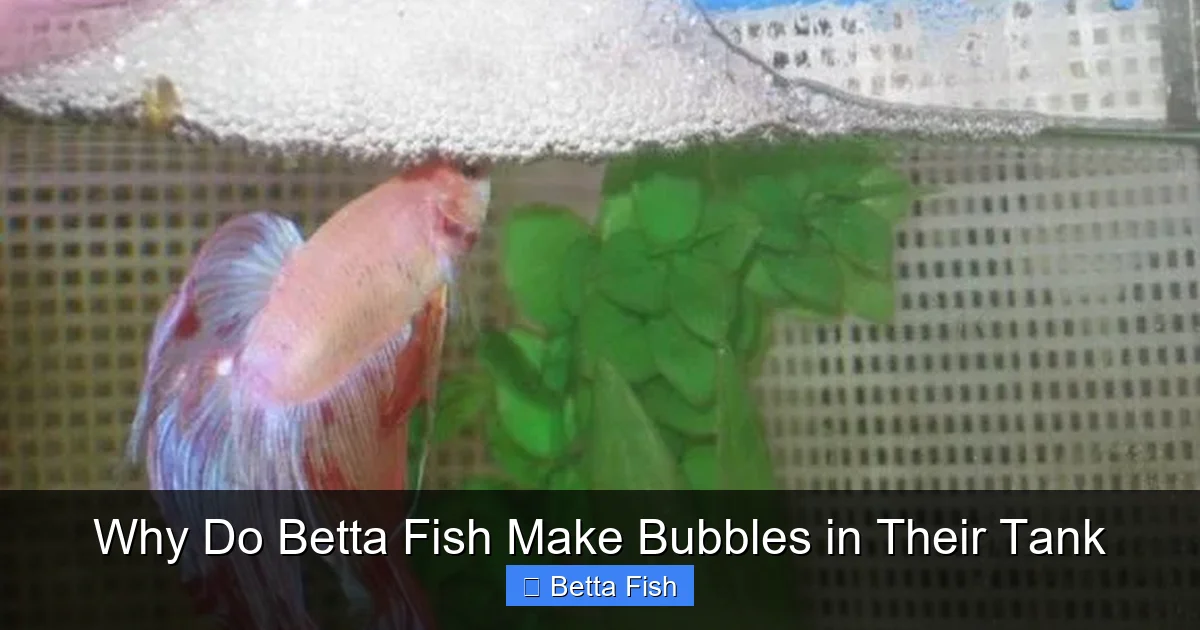
Betta fish create bubbles for a variety of reasons—from building bubble nests for breeding to simply getting oxygen. Understanding these behaviors helps you spot a healthy fish, improve tank conditions, and avoid common mistakes. Follow our guide to decode the bubbles and keep your betta thriving.
Key Takeaways
- Bubble nests are a natural breeding instinct. Males gather surface bubbles to protect eggs.
- Blowing bubbles can be a sign of good health. Active bubble‑blowing often means the fish is comfortable.
- Water quality and temperature matter. Poor parameters can cause excessive or absent bubbling.
- Tank décor influences bubbling. Plants, lids, and water flow affect how bubbles form and stay.
- Not all bubbles are a problem. Some are simply play or stress relief.
- Regular observation prevents issues. Spotting changes early helps you act before illness spreads.
- Proper tank setup supports natural behavior. A well‑filtered, heated, and spacious tank encourages healthy bubbling.
📑 Table of Contents
- Introduction: The Mystery of the Bubbles
- 1. The Science Behind Bubble‑Blowing
- 2. Bubble Nests: The Breeding Blueprint
- 3. Environmental Factors That Influence Bubbling
- 4. When Bubbles Signal Trouble
- 5. Practical Tips to Manage and Enjoy the Bubbles
- 6. The Bigger Picture: What Bubbles Tell You About Betta Wellness
- Conclusion
Introduction: The Mystery of the Bubbles
When you first bring a betta home, you might notice something curious: the fish swims to the surface, takes a deep breath, and blows a stream of tiny bubbles. Sometimes a whole cluster of bubbles gathers under a leaf or a piece of décor. It can be puzzling, especially for new owners who wonder if the bubbles mean “help me!” or “I’m ready to breed!”
Don’t worry—most of the time those bubbles are nothing to fear. In fact, they are a window into your betta’s natural instincts and the health of its environment. By learning why betta fish make bubbles in their tank, you’ll be able to create a happier home for your aquatic companion and avoid common pitfalls that lead to stress or disease.
1. The Science Behind Bubble‑Blowing
How Betta Gills Work
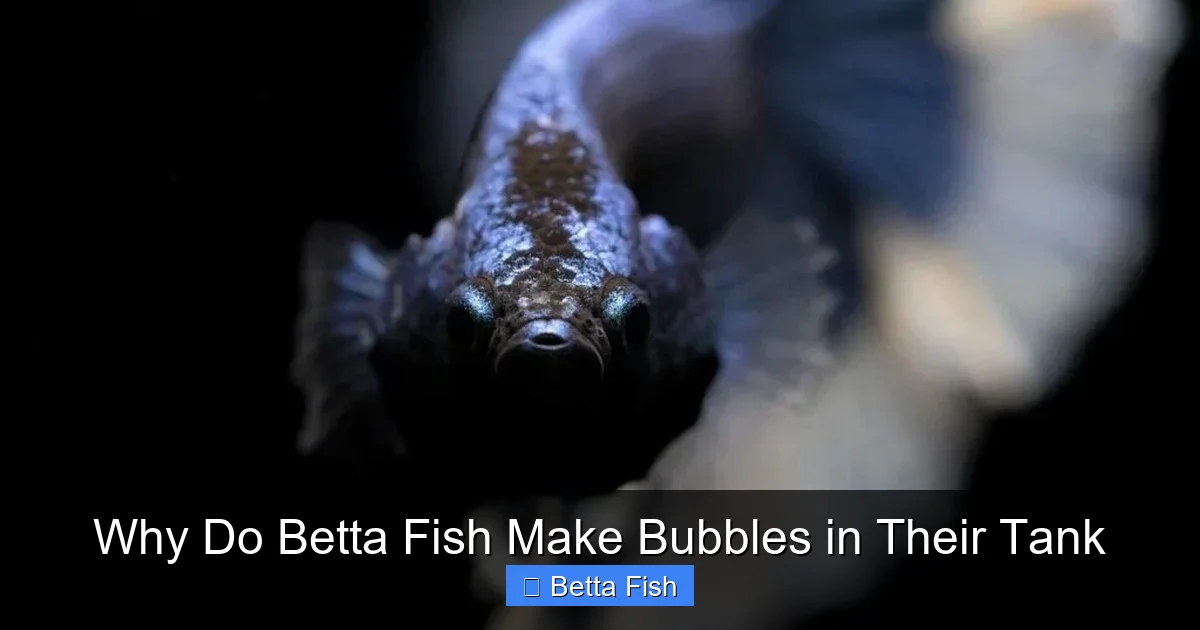
Betta fish, like all Betta splendens, are labyrinth fish. They possess a special organ called the labyrinth that allows them to gulp air from the surface and extract oxygen directly. This adaptation lets them survive in low‑oxygen waters in the wild, such as rice paddies and stagnant pools.
Visual guide about Why Do Betta Fish Make Bubbles in Their Tank
Image source: expertaquarist.com
When a betta takes a gulp, it releases excess air through its mouth, creating a stream of bubbles. This is completely normal and usually a sign that the fish is getting the oxygen it needs.
Why the Bubbles Appear on the Surface
Surface bubbles are lighter than water, so they float upward. Betta fish often aim the bubble stream toward the water’s surface because that is where the air is richest. If the water is warm and still, you’ll see larger, more visible bubbles; colder or moving water can break them apart quickly.
Link to Related Reading
For a deeper dive into the basics of bubble production, check out our article Why Do Betta Fish Make Bubbles, which explains the physiological reasons behind the behavior.
2. Bubble Nests: The Breeding Blueprint
What Is a Bubble Nest?
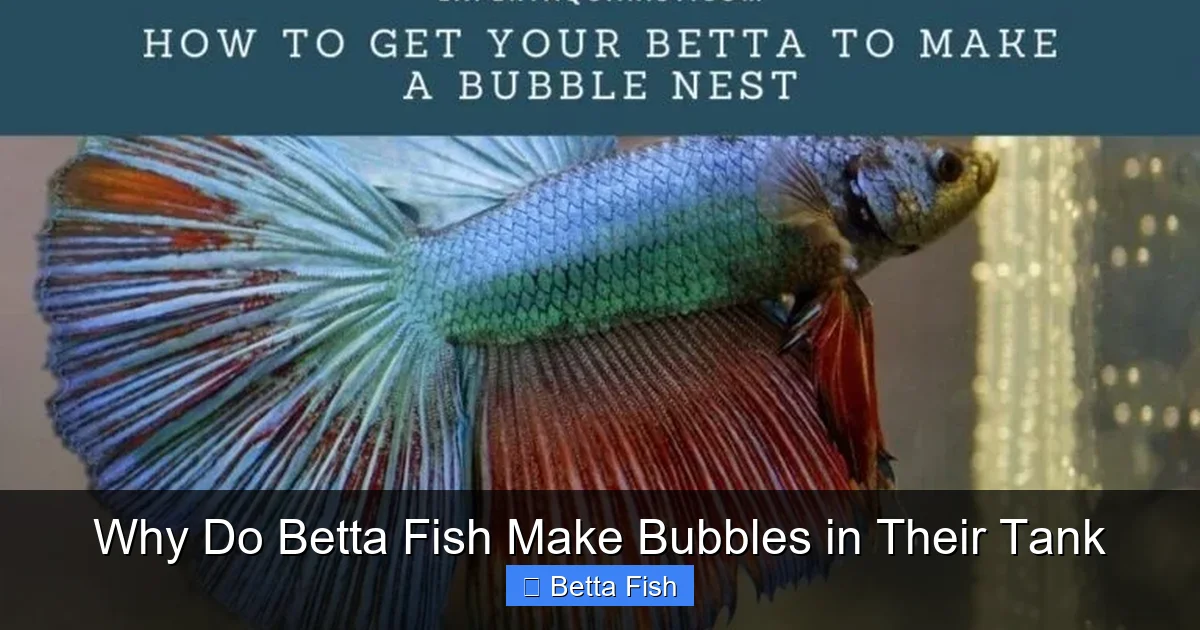
Male bettas are famous for building bubble nests—clusters of bubbles held together with saliva. These nests float near the water’s surface and act as a safe cradle for eggs after spawning. The male guards the nest, keeps it clean, and tends to the fry until they can swim on their own.
Visual guide about Why Do Betta Fish Make Bubbles in Their Tank
Image source: expertaquarist.com
When Do Betta Fish Start Building?
- Sexual maturity: Typically 4–6 months old.
- Temperature: Warm water (78‑82°F / 25‑28°C) encourages nesting.
- Daylight: Longer light periods (12‑14 hours) stimulate breeding hormones.
How to Encourage a Healthy Nest
Provide a calm surface, a lid or cover to keep the nest from being disturbed, and plenty of floating plants or a piece of smooth plastic as a base. A well‑filtered tank with gentle flow is ideal; too much current will break the bubbles apart.
Internal Link Example
If you’re curious about the exact steps to set up a breeding tank, read Why Do Betta Fish Make Bubble Nests for a step‑by‑step guide.
3. Environmental Factors That Influence Bubbling
Water Temperature
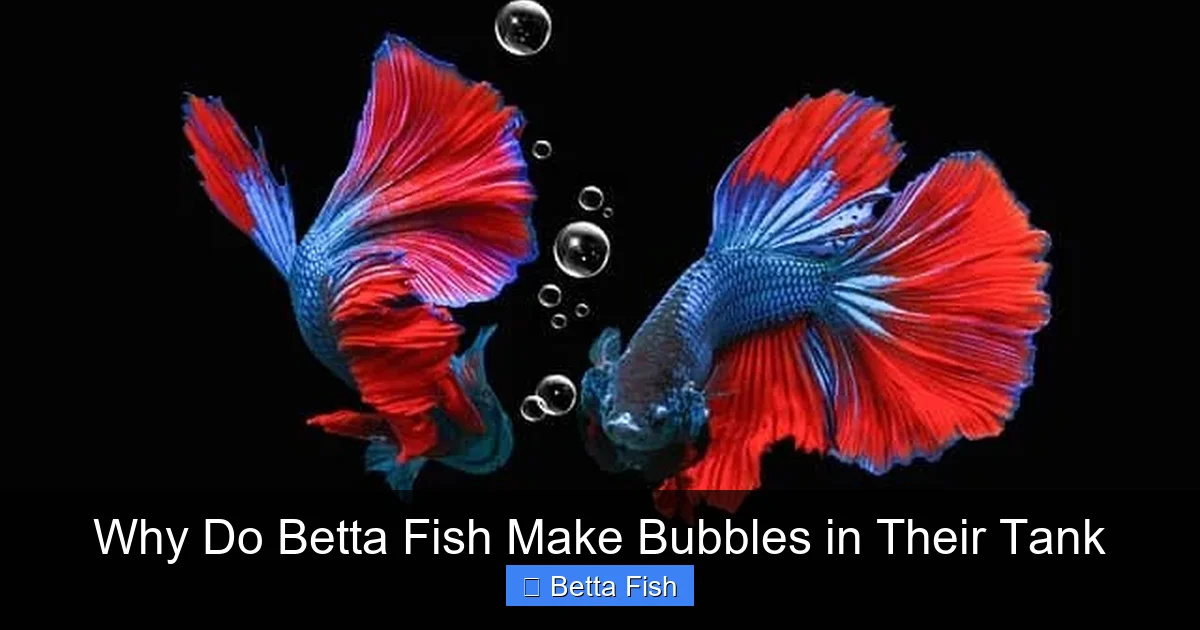
Betta fish thrive at 78‑82°F (25‑28°C). When water gets too cold, the fish may gulp more air, creating larger bubbles. Conversely, water that’s too warm reduces dissolved oxygen, prompting the fish to surface more often.
Visual guide about Why Do Betta Fish Make Bubbles in Their Tank
Image source: expertaquarist.com
Water Quality and Filtration
Good water quality means stable pH (6.5‑7.5), low ammonia, and proper nitrate levels. A well‑maintained filter provides oxygenation, which can reduce the need for surface gulping. However, be careful: strong currents can disrupt bubble nests.
Tank Size and Décor
Even though bettas can live in small containers, a 5‑gal tank gives them room to swim and build nests without feeling cramped. Adding floating leaves, live plants, or a piece of bark gives the fish a place to anchor bubbles.
Link to Tank Setup Advice
Learn more about the ideal tank environment in our guide What Do Betta Fish Like In Their Tank.
4. When Bubbles Signal Trouble
Excessive Bubble Production
If your betta is blowing a nonstop stream of bubbles, it could be a sign of low oxygen, high temperature, or poor water quality. Test the water and adjust the heater or filter as needed.
Absence of Bubbles
A healthy adult male will usually blow some bubbles each day. A sudden stop may indicate stress, illness, or that the fish is too comfortable and no longer needs extra oxygen. Observe other behaviors—loss of appetite, faded colors, or clamped fins—to determine if something is wrong.
Bubble‑Related Illnesses
Sometimes, a betta will develop a “bubble disease” where tiny gas bubbles form inside its body due to rapid temperature changes or nitrite spikes. This is rare but serious. If you notice the fish floating upside down or looking bloated, test the water immediately and perform a partial water change.
Helpful Checklist
- Test water temperature and adjust heater.
- Check ammonia, nitrite, nitrate levels.
- Ensure adequate surface agitation (but not a strong current).
- Observe feeding habits and overall activity.
5. Practical Tips to Manage and Enjoy the Bubbles
Tip 1: Provide a Lid or Cover
Betas love to blow bubbles, and a lid keeps them from escaping and protects the bubble nest from drafts.
Tip 2: Use Floating Plants
Plants like Salvinia or Duckweed give the fish a natural surface to attach bubbles. They also help absorb excess nutrients, improving water quality.
Tip 3: Adjust Filtration Flow
Choose a gentle sponge filter or a power filter with a diffuser. Too much flow will break nests; too little may reduce oxygen.
Tip 4: Keep the Heater Stable
Fluctuating temperatures cause the fish to gulp more air. Use a reliable heater and a thermostat to maintain a steady 80°F (27°C).
Tip 5: Observe and Record
Keep a simple log of bubble activity, feeding times, and water parameters. Patterns will help you spot issues early.
Link to Heater Advice
Need help choosing the right heater? Read Do Betta Fish Need A Heater In Their Tank for recommendations.
6. The Bigger Picture: What Bubbles Tell You About Betta Wellness
Behavioral Indicators
Bubble‑blowing is often accompanied by flaring, fin displays, and active swimming. These are signs of confidence and good health. A shy, still fish that never bubbles may be hiding stress.
Social Context
Male bettas are territorial. If you see a male blowing bubbles near a divider or near a female’s tank, he may be establishing dominance. In a community tank (rare for bettas), excessive bubbling can indicate competition.
Long‑Term Care
Regular water changes (20‑30% weekly), proper feeding (high‑quality betta pellets, occasional frozen or live foods), and a stable environment keep the fish’s bubbling behavior normal and balanced.
Conclusion
Understanding why betta fish make bubbles in their tank turns a simple curiosity into a valuable health check. Whether your betta is building a nest, gulping air for oxygen, or simply playing, the bubbles are a sign that the fish is interacting with its environment. By maintaining proper temperature, water quality, and tank décor, you give your betta the best chance to thrive and keep those fascinating bubbles coming.
So the next time you see a stream of bubbles rising to the surface, smile—your betta is speaking the language of the wild, and you’re right there to listen.
Frequently Asked Questions
Why does my betta fish blow bubbles continuously?
Continuous bubbling often means the water is low in oxygen or the temperature is too high. Check your heater and aeration, and perform a water test.
Do all betta fish build bubble nests?
Only male bettas build nests, and they do so primarily when they are ready to breed. Females may blow bubbles, but they don’t create nests.
Can bubbles indicate that my betta is sick?
Occasionally, excessive or absent bubbling can be a symptom of stress or disease, especially if other signs like clamped fins or loss of appetite appear.
How can I help my betta build a strong bubble nest?
Provide calm surface water, a lid to protect the nest, floating plants or a smooth surface for attachment, and keep the temperature around 80°F (27°C).
Is a filter necessary if my betta makes bubbles?
A gentle filter improves water quality and oxygen levels, reducing the need for the fish to surface for air. Choose a low‑flow sponge or hang‑on filter.
Do betta fish need a heater to bubble properly?
Yes, maintaining a stable temperature (78‑82°F) supports normal metabolism and bubble‑blowing behavior. Fluctuations can cause stress and irregular bubbling.