Can Betta Fish Live with White Cloud Mountain Minnows
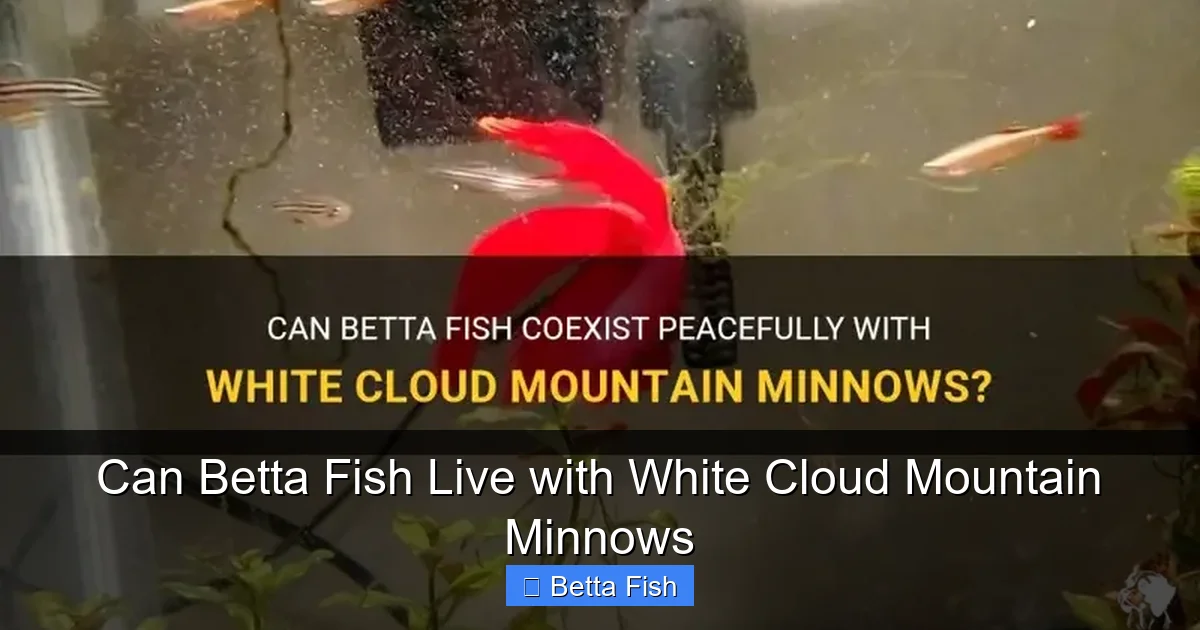
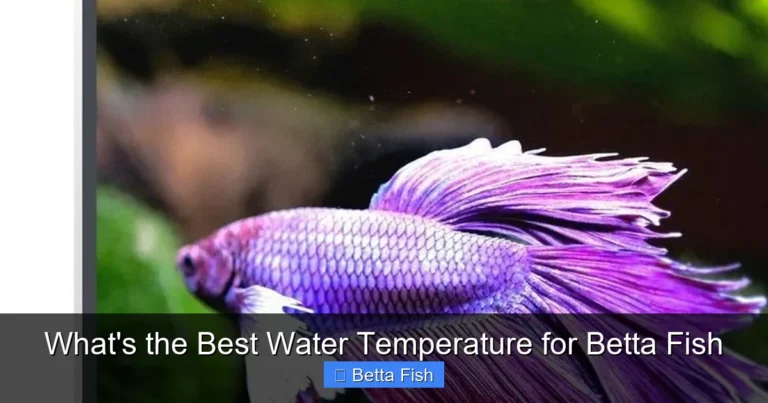
Can betta fish live with white cloud mountain minnows? Yes, they can be compatible tank mates under the right conditions. White cloud mountain minnows are peaceful, fast swimmers that prefer cooler water, making them one of the better options for betta community tanks. However, success depends on proper tank size, monitoring behavior, and understanding both species’ needs.
If you’re wondering whether your beautiful betta fish can share a tank with white cloud mountain minnows, you’re not alone. This is one of the most common questions aquarium hobbyists ask when looking to add some life to their betta’s home. The short answer is: yes, betta fish can live with white cloud mountain minnows, and many aquarists have successfully kept these two species together. But there’s a lot more to it than simply dropping both fish into the same tank and hoping for the best.
In this comprehensive guide, we’ll walk you through everything you need to know about keeping betta fish and white cloud mountain minnows together. We’ll cover compatibility factors, ideal tank setups, water parameters, potential problems, and expert tips to ensure both species thrive. Whether you’re a beginner or a seasoned fish keeper, this article will give you the confidence to create a peaceful, beautiful community aquarium that both your betta and minnows will love.
Key Takeaways
- Generally Compatible: White cloud mountain minnows are among the better tank mates for betta fish due to their peaceful nature and fast swimming speed.
- Temperature Overlap: Both species can thrive in the 72-79°F range, though white clouds prefer slightly cooler water than bettas.
- Tank Size Matters: A minimum 20-gallon tank is recommended to provide enough space and reduce territorial aggression from the betta.
- Keep Minnows in Schools: White clouds should be kept in groups of at least 6 to feel secure and display natural schooling behavior.
- Monitor Behavior: Always watch for signs of aggression from the betta or stress in the minnows during the first few weeks.
- Provide Hiding Spots: Plants, decorations, and driftwood give minnows places to retreat if the betta becomes territorial.
- Have a Backup Plan: Be prepared to separate fish if aggression occurs, as individual betta temperaments vary greatly.
📑 Table of Contents
- Understanding Betta Fish Temperament and Behavior
- All About White Cloud Mountain Minnows
- Compatibility Between Bettas and White Clouds
- Setting Up the Perfect Tank
- Introducing White Clouds to Your Betta Tank
- Monitoring and Maintaining Peace in Your Tank
- Alternative Tank Mates for Bettas
- Frequently Asked Questions About Bettas and White Clouds
- Conclusion
Understanding Betta Fish Temperament and Behavior
Why Bettas Have a Reputation for Aggression
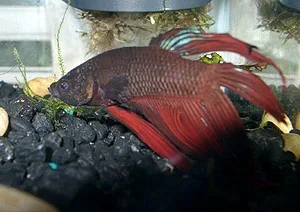
Betta fish, also known as Siamese fighting fish, are famous for their vibrant colors and flowing fins. Unfortunately, they’re also known for their aggressive tendencies, especially male bettas. In the wild, bettas are solitary creatures that defend their territory fiercely. Male bettas, in particular, will flare their gills, spread their fins, and attack other fish they perceive as threats or rivals.
However, not all bettas are created equal. Individual temperament varies significantly from fish to fish. Some bettas are relatively calm and tolerate tank mates well, while others are relentless hunters that will chase anything that moves. Female bettas tend to be less aggressive than males, but they can still display territorial behavior, especially in smaller tanks.
What Triggers Aggression in Bettas
Understanding what sets off your betta is crucial when introducing any tank mate. Bettas are most likely to attack fish that have bright colors, long flowing fins, or similar body shapes. They’re also more aggressive in cramped spaces where they can’t establish a proper territory. Fish that swim at the same level as the betta or move slowly are also more likely to become targets.
This is where white cloud mountain minnows actually have an advantage. They’re small, fast, and don’t have the flashy appearance that typically triggers a betta’s aggression. For more information about betta compatibility with other species, check out our guide on what other fish can live with betta fish.
All About White Cloud Mountain Minnows
Natural Habitat and Characteristics
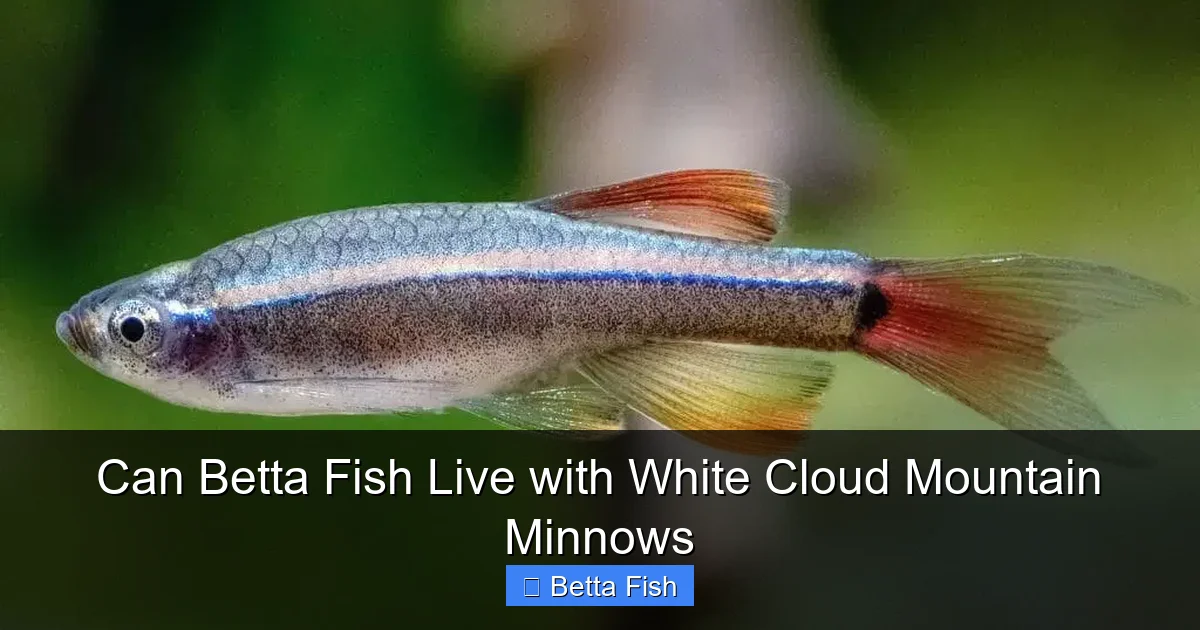
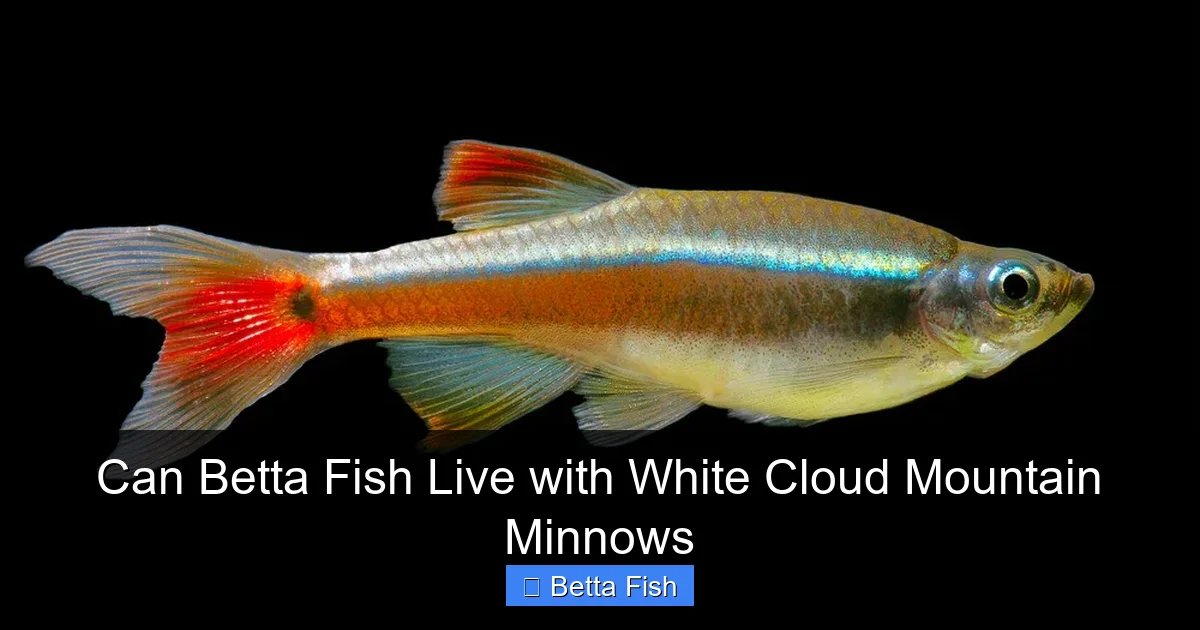
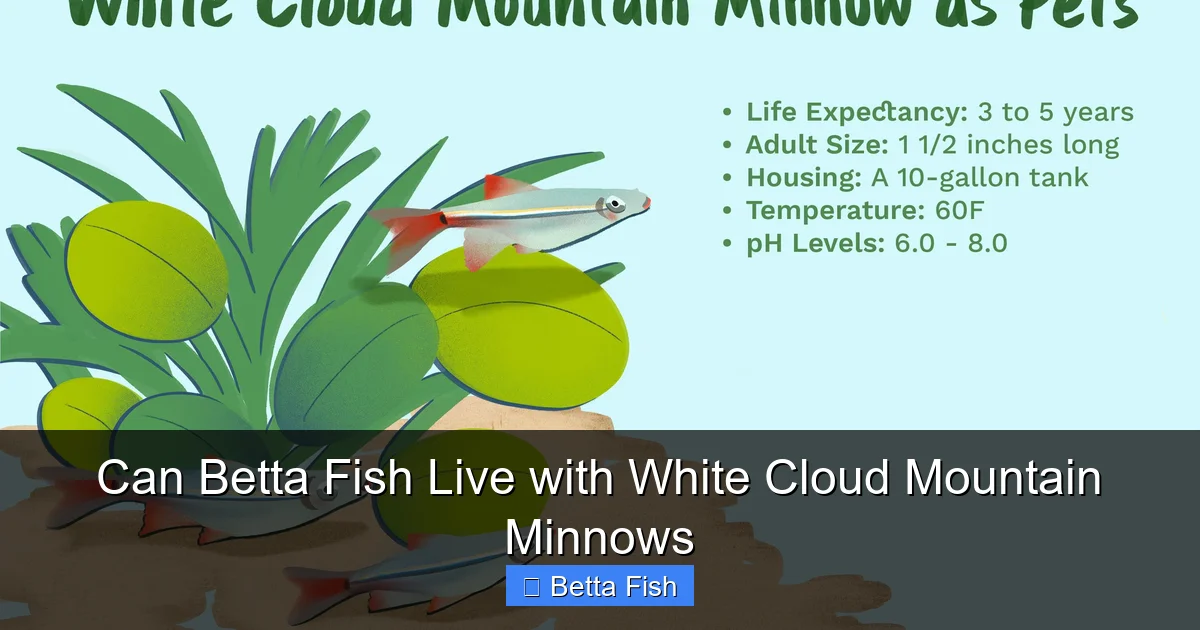
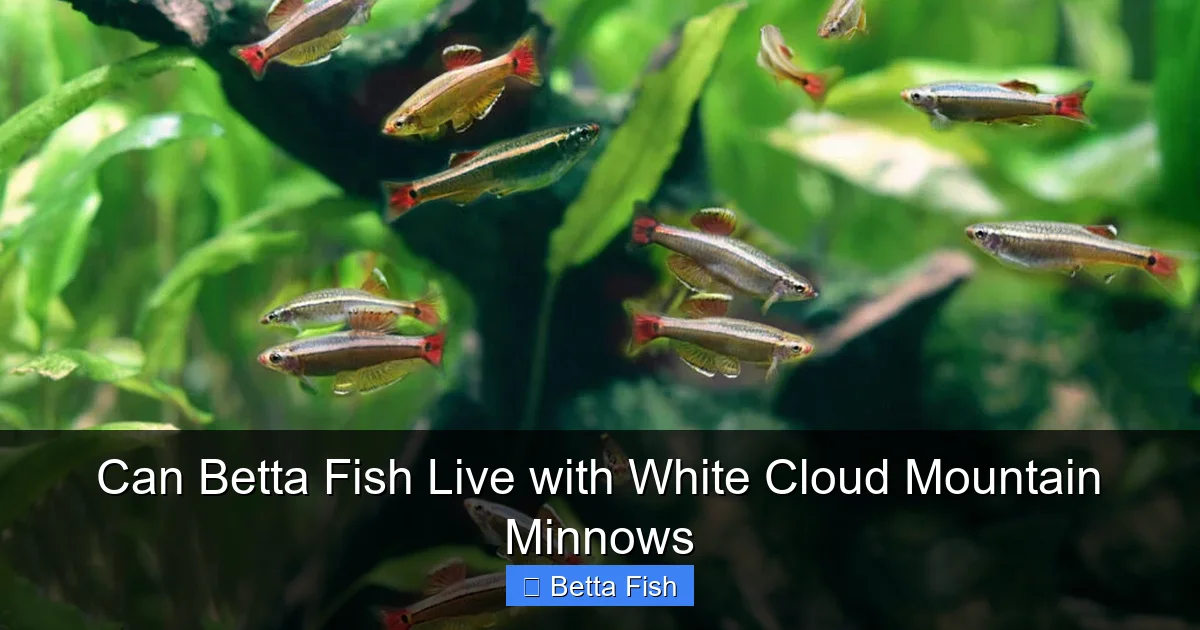
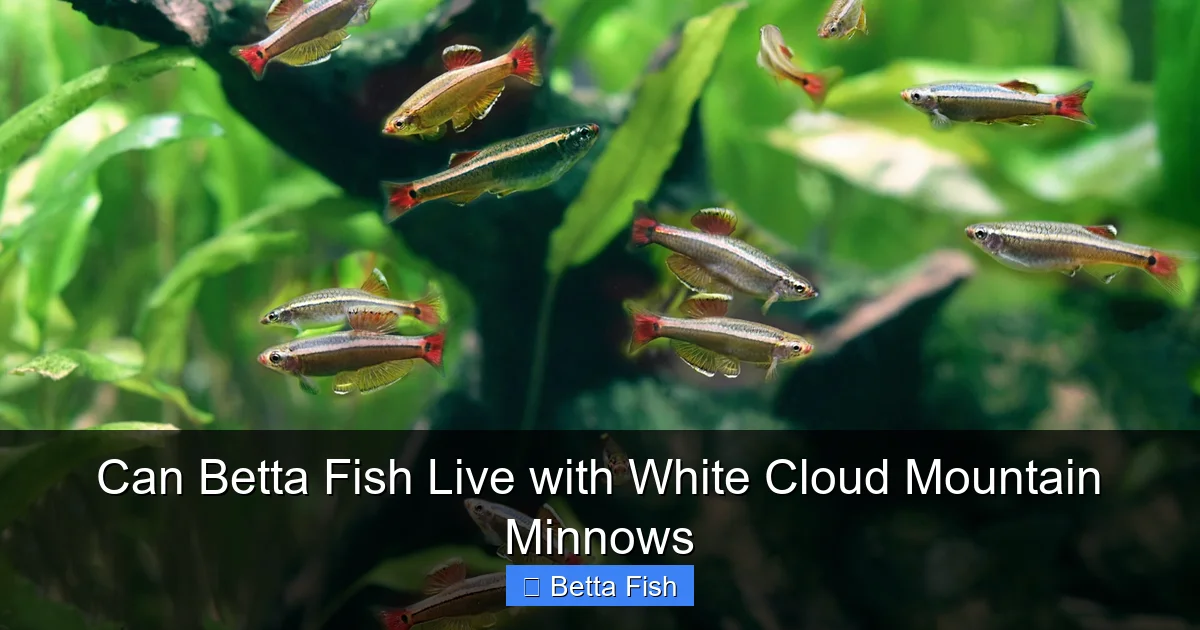
White cloud mountain minnows (Tanichthys albonubes) are small, hardy freshwater fish native to the mountain streams of China and Vietnam. They’re often called the “poor man’s neon tetra” because of their attractive coloration and affordable price. These little fish typically grow to about 1.5 inches in length and have a lifespan of 5-7 years with proper care.
What makes white clouds particularly interesting is their adaptability. They’re one of the few freshwater fish that can tolerate a wide range of water conditions, including cooler temperatures that many tropical fish can’t handle. They’re schooling fish by nature, which means they feel most comfortable and display their best colors when kept in groups of six or more.
Behavior and Temperament
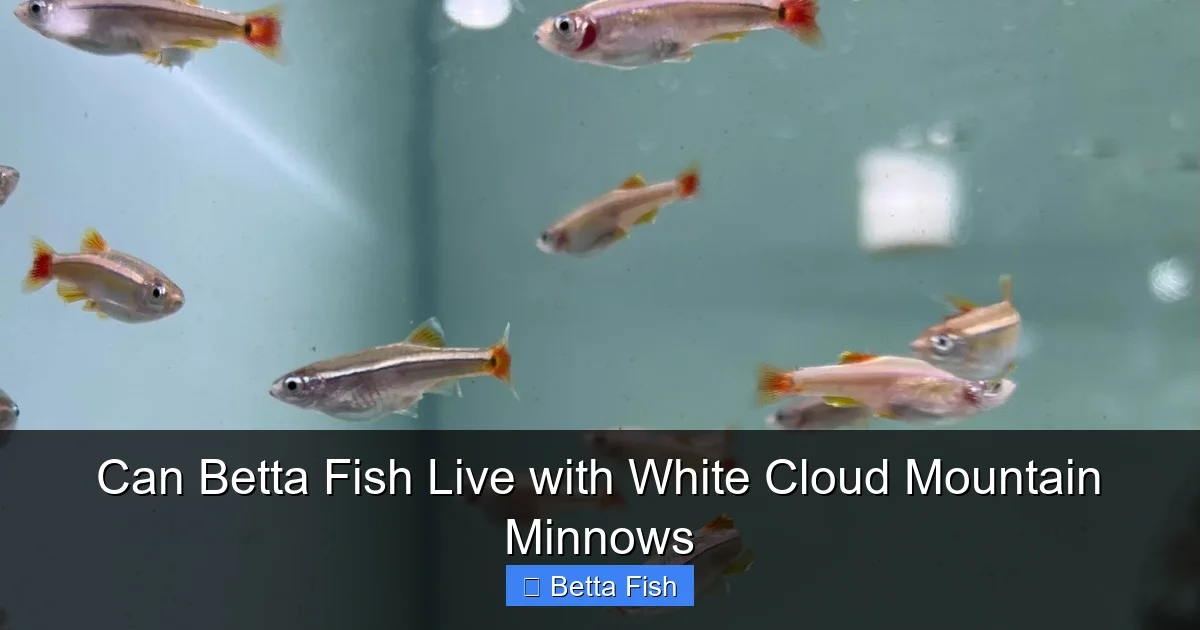
White cloud mountain minnows are incredibly peaceful fish. They’re active swimmers that tend to occupy the middle and upper levels of the tank, which actually complements the betta’s preferred territory near the surface. Their quick movements and small size make them difficult for bettas to catch or harass effectively.
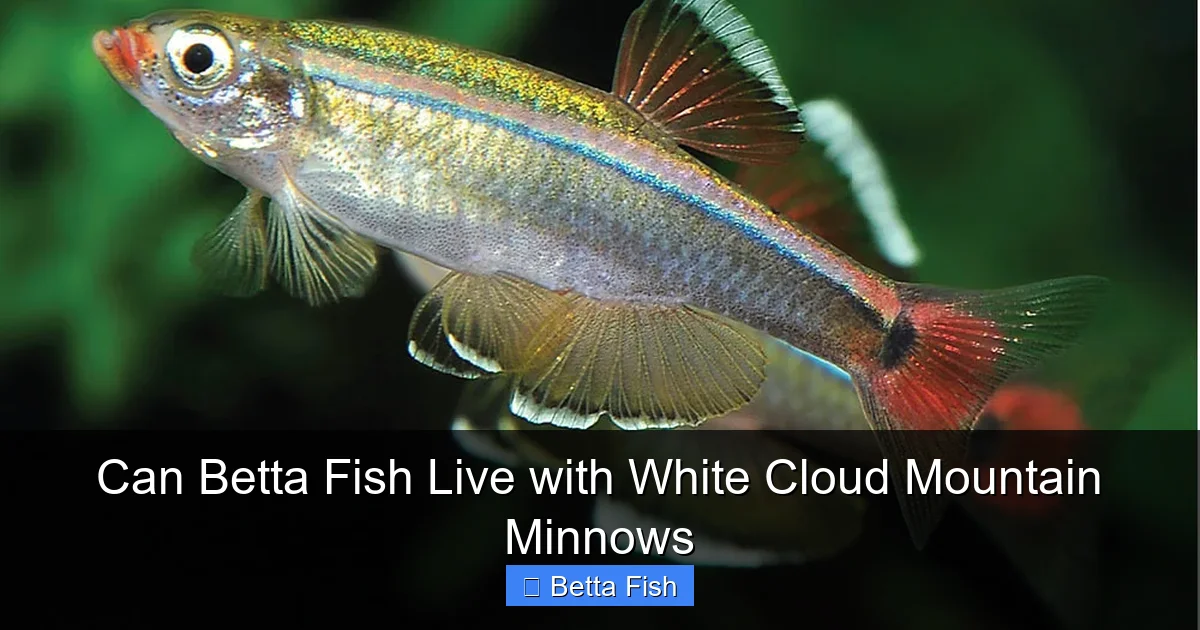
Unlike some other small fish, white clouds aren’t fin nippers. They won’t bother your betta’s beautiful flowing fins, which is a significant advantage. They’re also not shy to the point of hiding constantly—they’ll actively swim around the tank, creating a lively and dynamic environment.
Compatibility Between Bettas and White Clouds
Why This Pairing Often Works
The combination of betta fish and white cloud mountain minnows is one of the more successful community tank pairings in the aquarium hobby. There are several reasons why these two species tend to get along:
Visual guide about Can Betta Fish Live with White Cloud Mountain Minnows
Image source: cdn.realacas.com
- Different swimming zones: White clouds prefer the middle and upper areas, while bettas often claim specific territories throughout the tank
- Speed advantage: Minnows are much faster swimmers than bettas, making them hard to catch
- Non-threatening appearance: White clouds don’t have bright colors or long fins that trigger betta aggression
- Peaceful nature: Neither species is likely to initiate conflict
- Temperamental compatibility: Both species can adapt to similar water conditions
Potential Challenges to Watch For
While this pairing generally works well, it’s not without potential issues. Some bettas have extremely aggressive personalities and may chase or attack any fish that enters their territory. Young white clouds are particularly vulnerable because of their small size. Additionally, if the tank is too small, the betta may feel crowded and become more territorial.
It’s also worth noting that white clouds are cold-water fish that prefer temperatures around 64-72°F, while bettas thrive in warmer water around 76-82°F. Finding a compromise temperature is essential for the health of both species. For detailed information about keeping male bettas with other fish, visit our article on can a male betta live with other fish.
Setting Up the Perfect Tank
Tank Size and Shape
The size of your tank is perhaps the most critical factor in determining whether your betta and white clouds will coexist peacefully. A minimum of 20 gallons is strongly recommended for this combination. Larger tanks provide more space for each species to establish its territory and reduce the likelihood of confrontations.
Visual guide about Can Betta Fish Live with White Cloud Mountain Minnows
Image source: tropicalaquarium.com.au
Long tanks are preferable to tall ones because they provide more horizontal swimming space. White clouds are active swimmers that appreciate room to dart around, and a longer tank gives them plenty of space away from the betta’s territory. A 20-gallon long tank (30 inches in length) would be an excellent choice for this combination.
Water Parameters
Finding the right water parameters that satisfy both species requires some compromise. Here’s what you should aim for:
- Temperature: 72-79°F (a compromise between the minnows’ preference for cooler water and the betta’s preference for warmer water)
- pH: 6.5-7.5 (both species are adaptable within this range)
- Water hardness: 5-20 dGH
- Ammonia and nitrite: 0 ppm
- Nitrate: Below 20 ppm
Maintaining stable water parameters is crucial. Both species are sensitive to sudden changes, so regular water changes (25% weekly) and proper filtration are essential. A gentle filter is preferred since strong currents can stress both bettas and minnows.
Plants, Decorations, and Hiding Spots
A well-decorated tank is essential for reducing stress and providing escape routes for your minnows. Live plants are highly recommended because they improve water quality, provide natural hiding spots, and create a more natural environment. Good plant options include java fern, anubias, hornwort, and floating plants like frogbit or water lettuce.
Driftwood, rocks, and ceramic caves also provide important hiding spots. These decorations break up sight lines in the tank, which helps reduce territorial behavior from the betta. Make sure there are multiple hiding spots throughout the tank so minnows can escape if the betta becomes aggressive.
Introducing White Clouds to Your Betta Tank
The Proper Introduction Process
How you introduce the white clouds to your betta’s tank can significantly impact their long-term compatibility. Never just dump new fish into an established betta tank. Instead, follow this process:
Visual guide about Can Betta Fish Live with White Cloud Mountain Minnows
Image source: cdn.shopify.com
Step 1: Rearrange the tank decor before adding the minnows. This disrupts the betta’s established territory and makes the environment “new” for both species.
Step 2: Add the white clouds to the tank first, allowing them to explore and find hiding spots before the betta is introduced (if the betta is already in the tank, simply add the minnows after rearranging the decor).
Step 3: Monitor the tank closely for the first few hours and days. Watch for signs of aggression from the betta or stress in the minnows.
Step 4: Feed both species during observation periods. A well-fed betta is less likely to view tank mates as threats.
How Many White Clouds Should You Keep?
White cloud mountain minnows are schooling fish that need to be kept in groups to feel secure and display natural behaviors. A minimum of 6 white clouds is recommended, though 8-10 is even better. In smaller groups, minnows may become stressed, hide constantly, or display faded colors.
Keeping an adequate school also helps distribute any potential aggression from the betta. If your betta does chase one minnow, the others can swim away and regroup. A lone white cloud would be much more vulnerable to persistent harassment.
Monitoring and Maintaining Peace in Your Tank
Signs of Compatibility
After introducing white clouds to your betta tank, watch for these positive signs that indicate the pairing is working:
Visual guide about Can Betta Fish Live with White Cloud Mountain Minnows
Image source: thesprucepets.com
- Both species swim freely throughout the tank
- The betta doesn’t constantly chase or flare at the minnows
- White clouds display natural schooling behavior
- Both species eat normally during feeding time
- No fish show signs of stress (clamped fins, hiding constantly, loss of color)
Warning Signs of Incompatibility
Unfortunately, not all bettas will accept tank mates. Watch for these warning signs that indicate you may need to separate the fish:
- The betta relentlessly chases the minnows
- White clouds hide constantly and won’t come out to eat
- Any fish show signs of physical damage (torn fins, missing scales)
- The betta flares aggressively every time it sees the minnows
- Minnows display stress stripes or faded coloration
If you notice these signs, it’s best to separate the fish immediately. You can use a tank divider or move the betta to a separate container. Remember, the safety and well-being of your fish should always come first.
Feeding Both Species
Proper feeding is essential for maintaining peace in a community tank. Hungry fish are more likely to become aggressive or stressed. Both bettas and white clouds are omnivores, but they have slightly different dietary preferences.
Bettas thrive on high-protein foods like betta pellets, freeze-dried bloodworms, and brine shrimp. White clouds enjoy a more varied diet including flakes, small pellets, and live or frozen foods. Feed small amounts 1-2 times daily, making sure both species get adequate nutrition. During feeding time, you may need to ensure the betta doesn’t eat all the food before the minnows get their share.
Alternative Tank Mates for Bettas
Other Compatible Species
If white cloud mountain minnows don’t work out for your betta, there are several other species that can make excellent tank mates. Some popular options include:
Visual guide about Can Betta Fish Live with White Cloud Mountain Minnows
Image source: images-cdn.dashdigital.com
- Corydoras catfish: Peaceful bottom dwellers that stay out of the betta’s way
- Neon tetras: Small, fast schooling fish (though some bettas may chase them)
- Harlequin rasboras: Peaceful schooling fish with similar care requirements
- Kuhli loaches: Nocturnal bottom dwellers that are excellent tank cleaners
- Snails and shrimp: Invertebrates that generally coexist well with bettas
Each species has its own compatibility considerations, so research thoroughly before adding any new fish to your betta’s tank. For a comprehensive list of compatible species, check out our article on can betta fish live with shrimp.
Species to Avoid
Some fish should never be kept with bettas due to incompatibility issues. Avoid keeping bettas with:
- Other betta fish (especially males)
- Guppies (their bright colors and flowing fins trigger aggression)
- Goldfish (different temperature requirements and waste production)
- Aggressive or fin-nipping species like tiger barbs
- Large fish that may see the betta as food
Frequently Asked Questions About Bettas and White Clouds
Can I Keep Just One White Cloud with My Betta?
No, this is not recommended. White cloud mountain minnows are schooling fish that need to be kept in groups of at least 6 individuals. A single white cloud would be stressed, vulnerable to bullying, and unlikely to display natural behaviors. Always keep white clouds in proper schools for their health and well-being.
Visual guide about Can Betta Fish Live with White Cloud Mountain Minnows
Image source: setupfishtank.com
What Temperature Is Best for Both Species?
The ideal compromise temperature for keeping bettas and white clouds together is between 72-79°F. This range is slightly cooler than what bettas prefer but warmer than what white clouds prefer. Both species can adapt to this compromise range, though you should monitor them for any signs of temperature-related stress.
Do I Need a Heater for This Tank Setup?
Yes, you’ll likely need a heater to maintain the recommended temperature range of 72-79°F. While white clouds can tolerate cooler temperatures, most homes are too cold for bettas. A reliable aquarium heater with a thermostat will help maintain stable temperatures for both species.
Conclusion
So, can betta fish live with white cloud mountain minnows? The answer is a resounding yes—with proper planning and care. This combination can create a beautiful, dynamic aquarium that showcases the best qualities of both species. The key to success lies in providing adequate space, maintaining appropriate water parameters, and carefully monitoring the fish during the introduction period.
Visual guide about Can Betta Fish Live with White Cloud Mountain Minnows
Image source: setupfishtank.com
Remember that every betta has a unique personality. Some will welcome white clouds as tank mates, while others may never accept any companions. Always prioritize the safety and well-being of your fish, and be prepared to separate them if necessary. With patience, observation, and the right setup, you can enjoy a thriving community tank featuring both stunning bettas and lively white cloud mountain minnows.
If you’re considering adding white clouds to your betta tank, start with a properly sized aquarium, introduce the fish carefully, and watch for signs of compatibility. With the right approach, you’ll be rewarded with a peaceful, beautiful aquarium that brings joy for years to come.
Frequently Asked Questions
Can betta fish live with white cloud mountain minnows in a 10-gallon tank?
A 10-gallon tank is too small for this combination. White clouds need to be kept in schools of at least 6, and the betta needs adequate territory. A minimum of 20 gallons is recommended to provide enough space for both species to coexist peacefully.
Will my betta eat white cloud mountain minnows?
Adult white clouds are generally too large for bettas to eat. However, very young or juvenile minnows could potentially be seen as food. Always introduce minnows that are at least 1 inch in size to reduce this risk.
How many white cloud mountain minnows should I keep with my betta?
Keep at least 6 white cloud mountain minnows, though 8-10 is even better. They’re schooling fish that need groups to feel secure. A proper school also helps distribute any potential aggression from the betta.
Do white cloud mountain minnows need a heater?
White clouds can tolerate temperatures as low as 60°F, but when kept with bettas, you’ll need a heater to maintain the compromise range of 72-79°F. This temperature works well for both species.
What should I do if my betta attacks the white clouds?
Separate the fish immediately using a tank divider or by moving the betta to a separate container. Some bettas simply won’t accept tank mates regardless of the species. Always have a backup plan before introducing any new fish.
Can female bettas live with white cloud mountain minnows?
Yes, female bettas can also live with white cloud mountain minnows. Female bettas are generally less aggressive than males, which may increase the chances of successful cohabitation. However, individual temperament still varies, so monitor the tank closely.