Should You Keep Betta Fish Alone
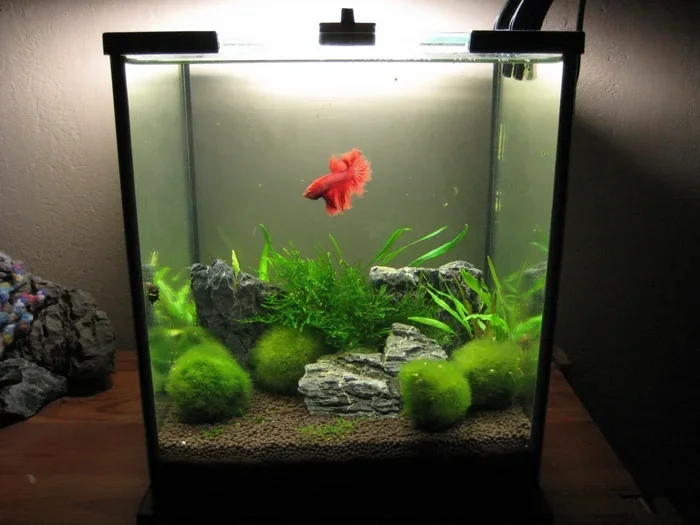
So, should you keep betta fish alone? The short answer is yes — most of the time. Betta fish are naturally solitary and territorial creatures, especially males. While some setups allow for carefully chosen tank mates, keeping your betta alone in a proper aquarium is often the safest and happiest choice for your fish.
You love your betta fish. You watch its flowing fins glide through the water. You want it to be happy. And that brings up the big question: should you keep betta fish alone?
It is a question every betta owner asks at some point. Maybe you want to add a little friend to the tank. Maybe someone told you bettas get lonely. Or maybe you just want to give your fish the best life possible.
The truth is, betta fish are not like most other pet fish. They have strong personalities and sharp instincts. Understanding what makes them tick is the first step toward making the right decision for your fish.
Key Takeaways
- Betta fish are solitary by nature: Their wild instincts make them territorial and prone to aggression, especially males.
- Male bettas should almost always be kept alone: Housing two males together leads to serious fights and stress.
- Female bettas can sometimes live together: A sorority setup works under specific conditions with enough space and hiding spots.
- Tank mates are possible but risky: Careful species selection and tank size matter enormously for success.
- A lonely betta is still better off alone: Betta fish do not need companionship the way humans do — they need a well-designed habitat.
- Tank setup is everything: Proper filtration, heating, and enrichment keep a solo betta thriving for years.
📑 Table of Contents
- Why Betta Fish Are Naturally Solitary
- Should You Keep a Male Betta Fish Alone?
- Can Female Betta Fish Live Together?
- When Tank Mates Might Work
- What Happens When You Keep Betta Fish Together
- How to Keep a Solo Betta Fish Happy
- Common Mistakes People Make About Betta Loneliness
- Final Thoughts: Should You Keep Betta Fish Alone?
Why Betta Fish Are Naturally Solitary
In the wild, bettas live in shallow rice paddies, marshes, and slow-moving streams in Southeast Asia. These environments are crowded with other fish, but bettas have carved out their own little territories. They defend these spaces fiercely.
Betta fish aggression is not random or mean-spirited. It is survival. A wild betta fights to protect its food, its nesting spot, and its right to reproduce. This instinct does not disappear in a home aquarium.
The Science Behind Betta Territoriality
Male bettas have evolved over thousands of years to be fiercely territorial. Their bright colors and long fins make them easy targets in the wild. To survive, they learned to fight off rivals and claim small patches of territory.
When two male bettas are placed in the same tank, the results are predictable. One will chase the other relentlessly. The stress leads to loss of color, clamped fins, and refusal to eat. In worst-case scenarios, the fish injure each other fatally.
This is why keeping two male betta fish together is one of the most common mistakes new fish owners make. It is not a matter of if they will fight — it is a matter of when.
Should You Keep a Male Betta Fish Alone?
The short answer is yes. A male betta fish should be kept alone in nearly all cases. Here is why:
- They are aggressive toward their own kind: Male bettas will attack other males on sight.
- They may harm other fish: Even peaceful species can become targets for a territorial betta.
- They thrive in solo setups: A well-planted, properly heated tank gives a male betta everything he needs.
- It removes the risk of injury: No fighting means no torn fins, lost scales, or infected wounds.
Some owners try keeping two male betta fish together using dividers. While this can work in some cases, it still causes stress. Fish on both sides often flare and chase, which takes a toll on their health over time.
Instead, invest in a good-sized tank with plenty of plants and hiding spots. Your male betta will be far happier exploring his own territory than glaring at a rival through glass.
Can Female Betta Fish Live Together?
Female bettas are a different story. They are generally less aggressive than males, but that does not mean they can just be tossed into a group tank.
A female betta sorority is possible, but it requires careful planning. You need at least five to six females in a tank of 20 gallons or larger. This spreads out aggression so no single fish becomes the constant target.
Setting Up a Betta Sorority
If you want to try housing multiple female bettas together, follow these guidelines:
- Start with a large tank: At least 20 gallons with plenty of room for each fish to claim space.
- Add dense plants and decorations: Hiding spots break up lines of sight and reduce confrontations.
- Introduce all females at once: Adding new fish later triggers territorial disputes.
- Watch for signs of stress: Clamped fins, hiding constantly, or loss of appetite means the setup is not working.
- Be ready to separate: Have a backup tank ready if one fish becomes too aggressive.
Even with perfect planning, a sorority can fall apart. Can you keep female betta fish together safely? Sometimes. But it takes experience, patience, and a willingness to intervene if things go wrong.
When Tank Mates Might Work
So you want to add some companions to your betta tank. That is understandable. A lonely-looking tank can feel boring, and some fish species genuinely do well alongside bettas.
The key is choosing the right tank mates for betta fish. Not every species will work, and even the best candidates need the right setup.
Best Tank Mates for Betta Fish
Here are some species that have a decent track record with bettas:
- Snails: Nerite snails and mystery snails are peaceful and do not bother bettas. They also help clean algae from the tank.
- Shrimp: Amano shrimp and cherry shrimp are small, hardy, and generally ignored by bettas.
- Corydoras catfish: These bottom-dwellers stay out of a betta’s way and add activity to the tank.
- Kuhli loaches: They are peaceful, shy, and tend to keep to themselves.
Species to Avoid
Some fish are a bad idea with bettas. Stay away from:
- Other bettas: Especially two males.
- Guppies: Their bright tails can trigger a betta’s aggression.
- Fish with long fins: Angelfish and male guppies can be mistaken for rival bettas.
- Fin nippers: Tiger barbs and serpae tetras will nip at a betta’s flowing fins.
Before adding any tank mate, research the species carefully. And remember, keeping a betta fish with other fish always carries some risk. Be prepared to separate them if needed.
What Happens When You Keep Betta Fish Together
What actually happens when you ignore the advice and house bettas together? The outcomes range from mild stress to death.
In most cases, one fish dominates and the other becomes a target. The subordinate fish stops eating, hides constantly, and loses its vibrant color. Over days or weeks, its immune system weakens, making it susceptible to disease.
Even if neither fish is seriously injured, chronic stress shortens their lifespan. A betta fish that lives in a stressful environment may only survive a year or two, compared to the five or more years a well-cared-for solo betta can enjoy.
Can you keep betta fish together without problems? In very rare cases, yes. But the risk is almost never worth the reward. Your fish will be safer and happier on its own.
How to Keep a Solo Betta Fish Happy
A solo betta does not have to be a boring betta. With the right setup, a single fish can live a rich, stimulating life.
Tank Size and Setup
A common myth says bettas thrive in tiny bowls. This is simply false. A 5-gallon tank is the minimum for a single betta. A 10-gallon tank is even better and gives you room for plants and décor.
Make sure your tank has:
- A gentle filter: Betta fish prefer calm water. A sponge filter works well.
- A heater: Keep the temperature between 76 and 82 degrees Fahrenheit.
- Live or silk plants: These give your betta places to explore and rest.
- A few hiding spots: Caves, driftwood, and leaf hammocks add enrichment.
Enrichment and Mental Stimulation
Your betta may be alone, but it does not have to be bored. Simple enrichment ideas include:
- Rotating tank decorations occasionally to create a “new” environment.
- Feeding a varied diet of pellets, frozen bloodworms, and brine shrimp.
- Training your betta to follow your finger or eat from your hand.
- Adding a mirror briefly (for a few minutes only) to let your betta flare — just make sure not to overdo it.
These activities keep your betta mentally engaged and can actually strengthen the bond between you and your fish.
Common Mistakes People Make About Betta Loneliness
Many well-meaning owners make mistakes when they think their betta needs a companion. Here are the most common ones:
Assuming All Fish Need Friends
Humans are social animals, but fish are not. A betta does not feel “lonely” the way a dog or a human would. What a betta does feel is stress when its territory is invaded. A properly set up solo tank is far better than a crowded community tank where your betta is constantly on edge.
Overcrowding the Tank
Some owners add too many fish to a small tank to keep their betta “company.” This leads to poor water quality, increased ammonia levels, and stressed fish on all sides. More fish does not equal more happiness for your betta.
Ignoring Warning Signs
If your betta is flaring at everything, hiding constantly, or showing faded colors, something is wrong. These are signs of stress, not boredom. Before adding tank mates, address the root cause — it might simply be an undersized or poorly decorated tank.
And if you are wondering whether your betta gets upset when you change things around, the answer is nuanced. Do betta fish get mad when you change their decorations? They may show temporary stress, but they adapt quickly. Just make changes gradually.
Final Thoughts: Should You Keep Betta Fish Alone?
So, should you keep betta fish alone? For the vast majority of fish owners, the answer is a clear yes. Betta fish are solitary creatures with strong territorial instincts. Keeping them alone in a well-planned, properly maintained tank gives them the best chance at a long, healthy, and happy life.
That does not mean your betta’s tank has to be dull. With the right setup, plants, and a little creativity, a solo betta tank can be one of the most beautiful and engaging displays in your home.
If you are considering adding tank mates, do your research thoroughly. Not every species works, and even the best pairings require careful monitoring. But if you want the safest, simplest, and most rewarding approach — let your betta be the only star of the show.
Your fish will thank you for it.
Frequently Asked Questions
Do betta fish get lonely if kept alone?
No, betta fish do not experience loneliness the way humans or social animals do. They are solitary by nature and actually prefer having their own territory. A well-set-up solo tank with plenty of enrichment keeps a betta perfectly happy.
Can I keep a male and female betta fish together?
It is possible but risky. Male and female bettas should only be kept together briefly for breeding purposes, under close supervision. Outside of breeding, they are likely to fight and injure each other. For most owners, keeping them separate is the safer choice.
What is the best tank size for a solo betta fish?
A 5-gallon tank is the minimum recommended size for a single betta. A 10-gallon tank or larger gives your fish more room to swim and explore, which supports better physical and mental health.
Can betta fish live with other fish species?
Yes, but it depends on the species and the tank setup. Peaceful bottom-dwellers like corydoras catfish and certain shrimp species are the best candidates. Always research compatibility carefully and monitor behavior closely when introducing new tank mates.
How do I know if my betta fish is stressed?
Common signs of stress include clamped fins, loss of color, hiding constantly, refusal to eat, and excessive flaring. If you notice these behaviors, check your water parameters, tank size, and décor to identify and remove the source of stress.
Is it cruel to keep a betta fish alone?
No, it is not cruel. Betta fish are solitary creatures in the wild and do not need companions. What they do need is a properly sized tank with clean water, appropriate temperature, and plenty of enrichment to keep them healthy and stimulated.