Why Do Betta Fish Breathe Air

Betta fish breathe air because they have a special labyrinth organ that lets them gulp oxygen from the surface. This adaptation helps them thrive in low‑oxygen waters, but it also means you must provide easy access to the water’s top.
Key Takeaways
- Labyrinth organ: Betta fish possess a unique breathing structure that extracts oxygen from air.
- Surface access: Always keep the water surface clear so your betta can gulp easily.
- Tank size matters: Even small tanks can work if they are well‑filtered and heated.
- Air pumps: An air stone isn’t required, but gentle surface agitation can help.
- Health indicator: Frequent gulping can signal low oxygen or water quality problems.
- Behavior link: Air‑breathing is tied to bubble‑nest building and territorial displays.
- Care tip: Regular water changes and proper temperature keep the labyrinth organ functioning optimally.
📑 Table of Contents
- Introduction: The Curious Case of the Gulping Betta
- The Labyrinth Organ: Nature’s Built‑In Oxygen Tank
- Why Surface Access Is Crucial
- Tank Setup Tips for Happy Air‑Breathing
- Air Breathing and Other Betta Behaviors
- Common Misconceptions and FAQs
- Practical Care Tips to Support Air Breathing
- Conclusion: Embrace the Air‑Breathing Wonder
Introduction: The Curious Case of the Gulping Betta
If you’ve ever watched a betta fish pause near the water’s surface and take a quick gulp, you’ve probably wondered, why do betta fish breathe air? The answer is both fascinating and practical for anyone who keeps these vibrant little warriors at home.
Betta fish, also known as Siamese fighting fish, are not like most aquarium fish that rely solely on gills. Their ability to breathe air directly from the surface gives them a survival edge in the shallow, warm waters of Southeast Asia where they originated. Understanding this unique respiratory system will help you create a healthier environment and avoid common mistakes that can stress or even kill your finned friend.
The Labyrinth Organ: Nature’s Built‑In Oxygen Tank
What Is the Labyrinth Organ?
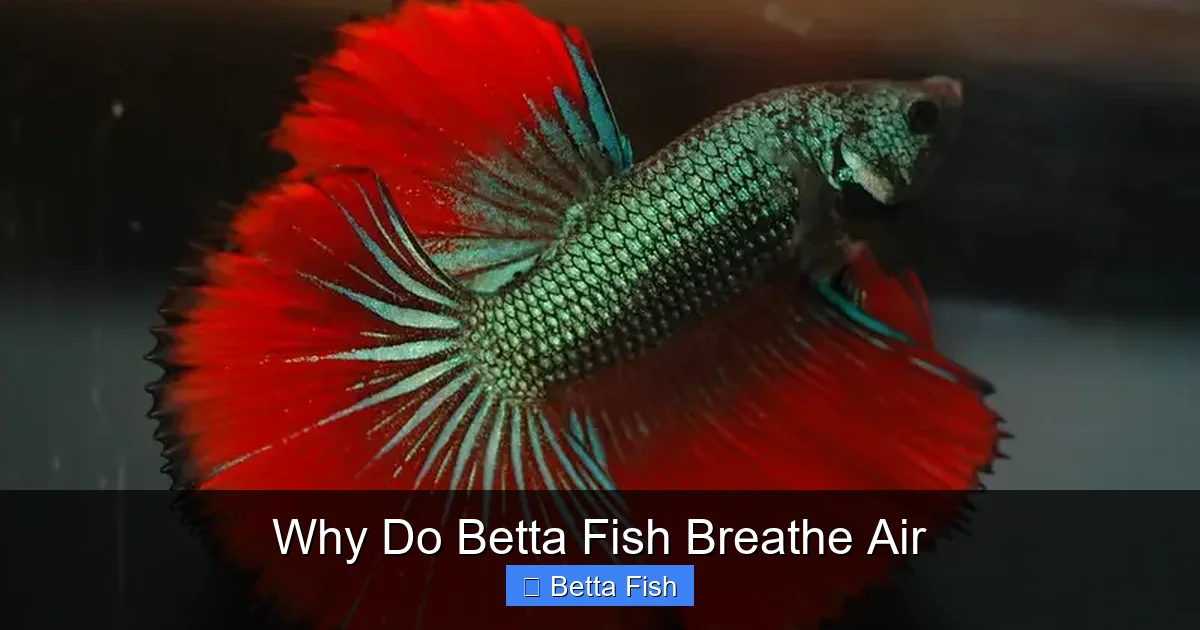
The labyrinth organ is a maze‑like structure located just above the gills. It is made of thin, highly vascularized tissue that can absorb oxygen straight from the air. When a betta surfaces and gulps, water is forced out of the mouth and the organ expands, pulling in a splash of air. The oxygen diffuses into the blood, while carbon dioxide is expelled when the fish exhales.

Visual guide about Why Do Betta Fish Breathe Air
Image source: petshun.com
How It Works Compared to Gills
Typical fish extract dissolved oxygen from water using gill filaments. This works well in well‑oxygenated streams, but in stagnant rice paddies the oxygen level can drop dramatically. The labyrinth organ acts like a backup generator, letting bettas survive where other fish would suffocate.
Evolutionary Advantage
In the wild, bettas often live in shallow, warm pools that can become hypoxic at night. Their ability to gulp air lets them stay active, hunt, and defend territory even when the water is barely breathable. This adaptation is why you’ll see bettas thriving in small bowls or even puddles—though a proper tank is still the best choice for a pet.
Why Surface Access Is Crucial
Keeping the Top of the Tank Clear
Because the labyrinth organ needs direct contact with air, any blockage at the surface—like a thick film of oil, algae, or a floating plant leaf—can make it hard for your betta to breathe. Regularly skim the water and use a gentle water change to keep the surface clean.
Visual guide about Why Do Betta Fish Breathe Air
Image source: bettafishworld.com
Temperature and Oxygen Solubility
Warmer water holds less dissolved oxygen. As you raise the temperature to the betta’s comfort zone (around 78‑80°F or 25‑27°C), the reliance on air breathing increases. This is why you’ll often see a betta taking more gulps in a heated tank.
Signs of Oxygen Stress
If your betta is repeatedly gulping, floating near the surface, or appears lethargic, it may be a sign that the water’s oxygen level is too low. Adding a gentle air stone or increasing surface agitation can help, but remember that bettas do not need an air pump if the tank is properly sized and filtered.
Tank Setup Tips for Happy Air‑Breathing
Size and Shape Matter
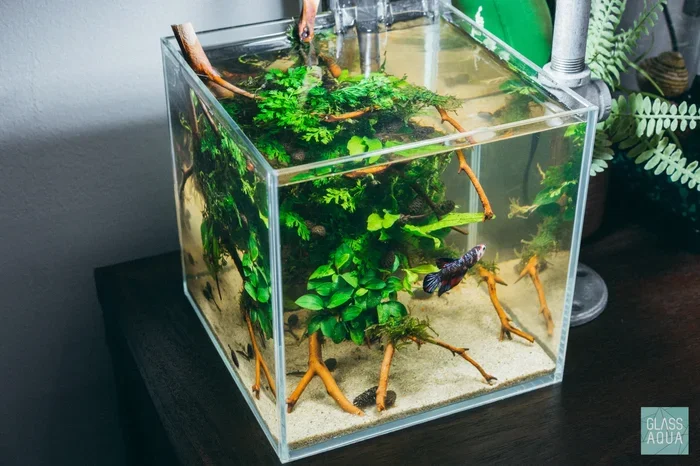
While bettas are often sold in tiny bowls, a 5‑gal tank gives them room to swim and a larger surface area for oxygen exchange. A wider tank provides more surface for the labyrinth organ to work with.

Visual guide about Why Do Betta Fish Breathe Air
Image source: infishtank.com
Filtration and Flow
A low‑flow filter is ideal. Strong currents can stress a betta and push water away from the surface, making it harder for them to gulp. Choose a filter with adjustable flow or use a sponge filter that creates gentle surface movement.
Plants and Décor
Live plants improve water quality and increase oxygen production during the day. However, avoid floating plants that completely cover the surface. Instead, use tall stems or rooted plants that leave a clear breathing lane.
Lighting and Temperature
Maintain a consistent temperature with an aquarium heater. Sudden drops can cause the fish to gasp more often. A 12‑hour light cycle mimics natural conditions and supports plant health.
Air Breathing and Other Betta Behaviors
Bubble Nest Building
When a male betta prepares to breed, he builds a bubble nest at the surface. The same air‑gasping behavior supplies the bubbles with oxygen, creating a safe cradle for the eggs. Learn more about this fascinating process in our guide on why betta fish make bubble nests.
Territorial Flaring
A betta’s flare display often includes rapid gulping as it puffs out its fins. The extra oxygen helps fuel the short burst of energy needed for the aggressive posturing.
Feeding and Air Breathing
After a big meal, a betta may gulp more often to aid digestion. The extra oxygen supports metabolic processes. If you notice excessive gulping after feeding, check that you’re not overfeeding.
Common Misconceptions and FAQs
Do Betta Fish Need an Air Pump?
Most bettas do fine without an air pump, as long as the tank has a decent surface area and the water is clean. An air stone can be helpful in heavily stocked tanks, but it’s not a requirement.
Can Betta Fish Live in a Bowl?
Technically they can survive, thanks to the labyrinth organ, but a bowl lacks filtration, stable temperature, and space. For a healthy, long‑lived betta, a proper aquarium is strongly recommended.
What If My Betta Stops Gulping?
Sudden cessation can indicate that the fish is unable to reach the surface—perhaps a plant is blocking the way—or that the water quality is so poor the fish is too weak to move. Check the surface, perform a water change, and monitor for other signs of stress.
Practical Care Tips to Support Air Breathing
- Regular water changes: Replace 25‑30% of the water weekly to keep oxygen levels high.
- Surface cleaning: Use a net or a surface skimmer to remove debris that could block the air.
- Temperature monitoring: Keep the heater set between 78‑80°F; use a reliable aquarium thermometer.
- Gentle filtration: Choose a filter with adjustable flow; avoid strong currents.
- Observe feeding habits: Feed small amounts 2‑3 times daily; remove uneaten food to prevent waste buildup.
Conclusion: Embrace the Air‑Breathing Wonder
Understanding why betta fish breathe air reveals the clever evolutionary tricks that let these tiny fighters thrive in challenging environments. By respecting their need for surface access, providing a stable, well‑filtered tank, and keeping an eye on their gulping patterns, you’ll enjoy a vibrant, healthy betta for years to come. Remember, the next time you see your betta pop its head up for a quick breath, it’s simply using an ancient survival skill that makes them such resilient and captivating pets.
Frequently Asked Questions
Why do betta fish need to gulp air?
Betta fish gulp air to fill their labyrinth organ with oxygen, especially when water oxygen levels are low or water is warm.
Can I keep a betta in a tank without a filter?
A filter is highly recommended. Without filtration, waste builds up quickly, reducing water quality and making the betta rely more on surface breathing, which can stress the fish.
Is it normal for a betta to breathe more at night?
Yes. Oxygen levels often drop at night, so a betta may gulp more frequently to meet its oxygen needs.
Should I add an air stone to my betta’s tank?
An air stone isn’t required if the tank is adequately sized and filtered, but gentle surface agitation can help increase oxygen exchange.
What does it mean if my betta stops making bubbles?
It could signal stress, poor water quality, or a health issue. Check temperature, clean the surface, and perform a water change.
Do bettas need a separate air pump for breeding?
During breeding, a male builds a bubble nest at the surface, and his natural gulping supplies the bubbles with oxygen. An extra air pump is not necessary.