How to Take Care of a Pet Betta Fish
Learning how to take care of a pet betta fish is easier than most people think. This guide covers everything you need to know, from setting up the right tank and maintaining clean water to feeding schedules and spotting early signs of illness. With the right knowledge and a little daily attention, your betta fish can live a happy and healthy life for years to come.
Betta fish are some of the most beautiful and fascinating pets you can keep at home. Their flowing fins, vibrant colors, and curious personalities make them a favorite among fish lovers. But here is the thing — many people underestimate what it takes to keep a betta truly healthy. If you want to learn how to take care of a pet betta fish the right way, you have come to the right place.
This guide walks you through every essential step. From choosing the right tank size to feeding schedules, water maintenance, and health monitoring, we cover it all. Whether you are a complete beginner or have had bettas before but want to improve your routine, this article will give you practical, actionable advice you can use today.
The truth is, betta fish care does not have to be complicated. With a few simple habits and the right setup, you can create a thriving home for your fish. Let us dive in.
Key Takeaways
- Proper tank setup matters: A minimum 5-gallon tank with a heater and filter creates the best environment for your betta.
- Water quality is critical: Regular water changes and testing keep ammonia and nitrite levels safe for your fish.
- Feeding should be consistent but moderate: Overfeeding is one of the most common mistakes new betta owners make.
- Watch for signs of stress and disease: Catching problems early makes treatment much easier and more effective.
- Avoid common mistakes: Small bowls without heaters, cold water, and aggressive tank mates can harm your betta.
- Betta fish can live 3-5 years with proper care: Good habits from day one set the foundation for a long, healthy life.
📑 Table of Contents
Why Proper Betta Fish Care Matters
Many people think betta fish are low-maintenance pets that can survive in tiny bowls. This is a myth that leads to unhappy fish and shortened lifespans. In reality, bettas are tropical fish that need warm, clean water and a well-maintained environment. When you provide the right conditions, your betta will display stunning colors, active swimming, and a healthy appetite.
Proper betta fish care directly impacts your fish’s quality of life and longevity. A well-cared-for betta can live between three and five years, sometimes even longer. The difference between a betta that thrives and one that struggles often comes down to the owner’s knowledge and daily habits.
The Truth About Betta Fish Lifespan
Most store-bought bettas live only one to two years because they are kept in poor conditions. Pet stores often sell them in small cups with no heater or filter. This is not a reflection of what bettas need — it is a reflection of lazy husbandry. When you invest in proper betta fish care, you give your fish the chance to live a full, natural life.
Setting Up the Perfect Tank for Your Betta
The foundation of good betta fish care starts with the right tank. Your fish’s home affects everything — from its mood to its immune system. Getting this step right makes every other aspect of care much easier.
Tank Size Requirements
Many people keep bettas in bowls or tanks smaller than 3 gallons. While a betta can survive in a small container, it will not thrive. The minimum recommended tank size is 5 gallons. A larger tank gives your fish room to swim, explore, and establish a comfortable territory. It also makes maintaining stable water parameters much easier.
- Minimum tank size: 5 gallons
- Ideal tank size: 10 gallons or larger
- Avoid: Bowls, vases, and tanks under 3 gallons
Heating and Filtration
Betta fish are tropical creatures. They need warm water between 76 and 82 degrees Fahrenheit. A small aquarium heater is essential for maintaining this temperature consistently. Without a heater, your betta can become stressed, lose its appetite, and develop diseases more easily.
A gentle filter is also important. Betta fish do not like strong currents, so choose a filter with an adjustable flow or add a sponge pre-filter to reduce water flow. The filter helps remove harmful toxins and keeps the water clean between water changes.
If you are unsure where to start, check out our guide on how to set up a fish tank for betta fish for step-by-step instructions.
Tank Decorations and Plants
Betta fish love places to hide and explore. Live plants like java fern, anubias, and amazon sword provide natural cover and help keep the water clean. Silk plants are a good alternative if you are worried about real plants being too delicate. Avoid sharp plastic decorations that can tear your betta’s long fins.
Feeding Your Betta Fish the Right Way
Feeding is one of the most important parts of how to take care of a pet betta fish. A proper diet keeps your fish energetic, colorful, and healthy. But feeding too much or the wrong food can cause serious problems.
What to Feed Your Betta
Betta fish are carnivores. They need a protein-rich diet to stay healthy. The best foods for bettas include:
- High-quality betta pellets: These should be the staple of your fish’s diet. Look for pellets with fish meal as the first ingredient.
- Frozen or live foods: Bloodworms, brine shrimp, and daphnia make excellent treats and provide variety.
- Freeze-dried foods: These are convenient and store well. Soak them before feeding to prevent digestive issues.
Feeding Schedule and Portions
Overfeeding is the number one mistake new betta owners make. Bettas have small stomachs, and uneaten food quickly pollutes the water. Follow this simple feeding guide:
- Feed your betta 2 to 3 pellets twice a day.
- Skip one feeding day per week to help with digestion.
- Treats like bloodworms should be given 2 to 3 times per week, not daily.
- Remove any uneaten food within 5 minutes of feeding.
Your betta’s belly should look slightly rounded after eating, not bloated or distended. If your fish stops eating, it could be a sign of stress or illness, which we will cover in the health section.
Water Quality and Maintenance
Clean water is the single most important factor in betta fish care. Poor water quality causes stress, disease, and early death. Understanding how to maintain proper water conditions will save you a lot of trouble down the road.
Water Parameters to Monitor
Betta fish need specific water conditions to stay healthy. Here are the key parameters to track:
| Parameter | Ideal Range | Acceptable Range |
|---|---|---|
| Temperature | 78-80°F | 76-82°F |
| pH Level | 6.5-7.5 | 6.0-8.0 |
| Ammonia | 0 ppm | 0 ppm (toxic at any level) |
| Nitrite | 0 ppm | 0 ppm (toxic at any level) |
| Nitrate | Under 20 ppm | Under 40 ppm |
Water Changes and Cleaning
Regular water changes are essential. For a 5-gallon tank, change 25-30% of the water every week. For larger tanks, a 20% weekly change works well. Always use a water conditioner to remove chlorine and chloramine from tap water before adding it to the tank.
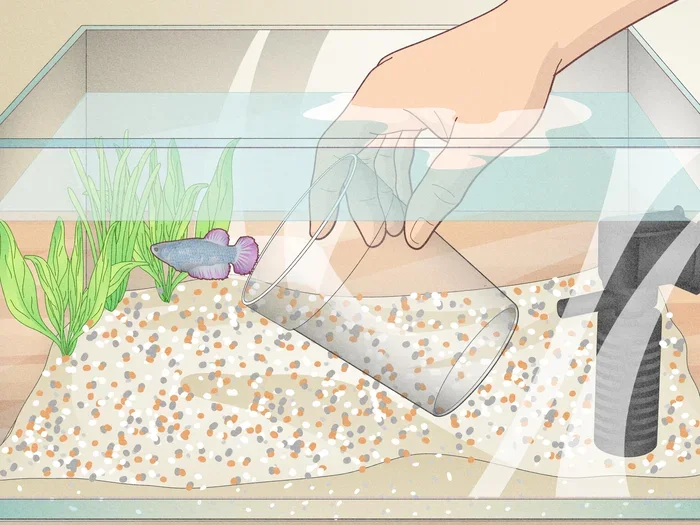
Use a gravel vacuum during water changes to remove debris from the substrate. This keeps the tank clean without disturbing the beneficial bacteria that help break down waste.
For more detailed guidance on water care, read our article on how to take care of betta fish water for tips on maintaining pristine water conditions.
Keeping Your Betta Fish Healthy
Prevention is always better than cure when it comes to how to care for a betta fish. A healthy environment, proper diet, and low stress levels go a long way in keeping your fish disease-free. But even with the best care, problems can sometimes arise.
Common Betta Fish Diseases
Here are the most common health issues betta fish face and what to look for:
- Fin rot: Frayed or discolored fins, often caused by poor water quality. Treat with water changes and, if needed, medication.
- Ich (white spot disease): Small white spots on the body and fins. Caused by sudden temperature drops. Raise the temperature slowly and use ich medication.
- Swim bladder disease: Difficulty swimming or floating upside down. Often caused by overfeeding. Fast your fish for 24 hours and feed a blanched pea.
- Fungal infections: White cotton-like growths on the body. Usually a sign of poor water conditions or injury.
Recognizing Stress in Your Betta
Stressed bettas show clear warning signs. Watch for these behaviors:
- Clamped fins (fins held close to the body)
- Loss of color or fading
- Hiding constantly or refusing to eat
- Rapid gilling or gasping at the surface
- Erratic swimming or rubbing against decorations
If you notice any of these signs, check your water parameters first. Poor water quality is the most common cause of stress. If the water is fine, look for other triggers like bright lights, loud noises, or aggressive tank neighbors.
For tips on calming a stressed fish, you can read our guide on how to treat a stressed betta fish.
Choosing Safe Tank Mates
Bettas can sometimes live with other fish, but careful selection is important. Good tank mates for bettas include corydoras catfish, kuhli loaches, and small tetras. Avoid fish with bright colors or long fins, as bettas may see them as rivals. Always monitor new tank mates closely for signs of aggression.
Common Mistakes to Avoid in Betta Fish Care
Even well-meaning owners make mistakes that can harm their bettas. Here are the most common errors and how to avoid them:
Mistake 1: Keeping Your Betta in a Tiny Bowl
A small bowl may look cute, but it is not a suitable home for a betta. Small volumes of water change temperature and chemistry rapidly, which stresses your fish. A 5-gallon tank or larger gives your betta a stable, comfortable environment.
Mistake 2: Skipping the Heater
Room temperature water is usually too cold for bettas. Without a heater, your fish’s metabolism slows down, leading to lethargy, poor appetite, and a weakened immune system. Invest in a reliable aquarium heater with a thermostat.
Mistake 3: Overfeeding
It is easy to overfeed a betta because they are enthusiastic eaters. Excess food rots in the tank and spikes ammonia levels. Stick to measured portions and remove leftovers promptly.
Mistake 4: Ignoring Water Changes
Even with a filter, waste builds up over time. Regular water changes are not optional — they are essential. Set a weekly reminder to keep your maintenance routine consistent.
Mistake 5: Using Harsh Cleaning Products
Never use soap, bleach, or household cleaners on your tank or decorations. Residue is toxic to fish. Use only aquarium-safe products and rinse items with tank water during cleaning.
Building a Bond With Your Betta Fish
One of the most rewarding parts of how to take care of a pet betta fish is the bond you can build over time. Bettas are intelligent fish that recognize their owners and respond to interaction. Here are some tips to strengthen your connection:
- Feed by hand: Once your betta is comfortable, try offering food from your fingers. This builds trust and makes feeding time a special moment.
- Talk to your fish: Bettas can hear vibrations through the water. Your voice becomes familiar and comforting to them.
- Observe daily: Spend a few minutes each day watching your betta. You will learn its normal behavior and notice changes quickly.
- Keep the environment calm: Avoid tapping on the glass or making sudden loud noises near the tank.
For more ideas on strengthening this bond, check out our article on how to grow a bond with your betta fish.
Conclusion
How to take care of a pet betta fish comes down to providing a clean, warm, and stable environment with proper nutrition and regular observation. The basics are simple — a good-sized tank, a heater, a gentle filter, consistent feeding, and weekly water changes. When you follow these principles, your betta fish will reward you with vibrant colors, active behavior, and years of companionship.
Remember that every betta is an individual with its own personality and preferences. Pay attention to your fish, learn its normal behavior, and adjust your care as needed. The effort you put in will be worth every moment when you watch your betta swim happily in its well-maintained home.
Start with the basics, stay consistent, and enjoy the journey of being a great betta fish owner. Your fish will thank you for it.
Frequently Asked Questions
How often should I change my betta fish water?
For a 5-gallon tank, change 25 to 30 percent of the water every week. Larger tanks may need less frequent changes, but weekly maintenance keeps water parameters stable and your betta healthy. Always use a water conditioner to treat tap water before adding it to the tank.
Can betta fish live in a bowl without a filter?
While bettas can survive in a bowl without a filter, they will be much healthier and happier in a filtered tank. A filter helps remove toxins and keeps the water cleaner for longer. If you use a bowl, you will need to do water changes more frequently, ideally every few days.
What is the best food for betta fish?
High-quality betta pellets should be the staple of your fish’s diet. Supplement with frozen or live foods like bloodworms and brine shrimp for variety and extra nutrition. Avoid feeding only flakes, as they lack the protein content bettas need and can cause digestive problems.
How can I tell if my betta fish is stressed?
Signs of stress include clamped fins, loss of color, hiding, refusal to eat, rapid gilling, and erratic swimming. The most common cause is poor water quality, so test your water parameters first. Other triggers include bright lights, loud noises, and aggressive tank mates.
Do betta fish need a heater?
Yes, betta fish are tropical and need warm water between 76 and 82 degrees Fahrenheit. A heater with a thermostat maintains a stable temperature and prevents harmful fluctuations. Room temperature water is usually too cold and can weaken your fish’s immune system over time.
How long do betta fish live with proper care?
With proper care, betta fish typically live between three and five years. Some well-cared-for bettas have been known to live even longer. The key factors are a clean tank, warm water, a balanced diet, and regular monitoring for signs of illness or stress.