Which Is Better Fish Oil or Salmon Oil
When it comes to your Betta fish, salmon oil is the clear winner over generic fish oil. Its superior DHA profile, lower contaminant risk, and natural suitability for carnivorous Bettas make it the safer, more effective choice for boosting fin health, vibrant color, and overall vitality. Always prioritize a high-quality, wild-caught salmon oil product formulated for pets.
As a dedicated Betta parent, you want nothing but the best for your vibrant, finned friend. You’ve heard about the wonders of omega-3 fatty acids for human health—boosting heart function, sharpening the mind, and reducing inflammation. Naturally, you wonder: can these same benefits translate to your Betta? And if so, which source is better: a standard fish oil or the seemingly more specific salmon oil? It’s a common point of confusion, and the answer isn’t as simple as “one is good, one is bad.” It’s about understanding what your Betta truly needs, the critical differences between these oils, and how to choose a product that is both safe and effective. Let’s dive deep into the kelp-choked waters of this topic to find the clear path for your siamese fighting fish.
First, a crucial disclaimer: this article is for informational purposes. Your Betta is a unique individual, and any significant change to diet or supplementation should be discussed with a veterinarian who specializes in aquatic animals. With that said, arming yourself with knowledge is the first step to making an impeccable choice for your pet’s wellness.
Key Takeaways
- Salmon oil is superior for Bettas: Its natural fatty acid profile, rich in DHA, aligns perfectly with a Betta’s carnivorous dietary needs for brain, eye, and fin health.
- Purity and safety are paramount: Salmon oil, especially from wild Alaskan sources, typically carries a lower risk of heavy metal and PCB contamination compared to mixed-species bulk fish oils.
- DHA to EPA ratio matters: Salmon oil provides a more favorable ratio of DHA to EPA, which is crucial for the structural health (fins, scales) and neurological function Bettas require.
- Cost reflects quality and sourcing: The higher price of salmon oil often indicates superior sourcing (wild vs. farmed) and more rigorous purification processes, which are worth the investment for your Betta’s health.
- Not all fish oils are created equal: “Fish oil” is a broad category; its quality, source species, and contaminant levels can vary wildly. You must research the specific product.
- Bettas have specific nutritional needs: As obligate carnivores, they are biologically designed to derive nutrients from animal sources like other fish, making salmon oil a more natural supplement than plant-based omega-3s.
- Consult an aquatic vet: For any health condition or persistent issues, a veterinarian specializing in fish should be your primary resource before starting any supplement regimen.
📑 Table of Contents
- Understanding Omega-3s: The Building Blocks of Betta Vitality
- Fish Oil vs. Salmon Oil: Demystifying the Labels
- Why a Betta’s Biology Demands the Best Source
- The Practical Guide: Choosing and Using Oil for Your Betta
- Addressing the Counterpoints: When Might Generic Fish Oil Be Considered?
- The Verdict: Making the Choice for Your Betta
Understanding Omega-3s: The Building Blocks of Betta Vitality
Before we compare fish oil and salmon oil, we need to understand what we’re actually comparing. The term “omega-3” refers to a family of essential fatty acids. For fish, and especially for our Bettas, the two most important members of this family are Eicosapentaenoic Acid (EPA) and Docosahexaenoic Acid (DHA). They are “essential” because the Betta’s body cannot produce sufficient amounts on its own; they must come from their diet.
What Do EPA and DHA Actually Do for a Betta?
Think of EPA and DHA as the master builders and maintenance crew for your Betta’s body. Their roles are distinct but intertwined.
- DHA (Docosahexaenoic Acid): This is the primary structural fat. It’s a major component of cell membranes, particularly in the brain, eyes, and nervous system. For your Betta, this translates to sharper neurological function, better vision, and critically, the integrity and regenerative capacity of those gorgeous, flowing fins and scales. DHA is the fat that helps build and repair tissue.
- EPA (Eicosapentaenoic Acid): This fatty acid is more of a regulator and manager. It’s a precursor to a class of hormones called eicosanoids, which have potent anti-inflammatory effects. EPA helps modulate the immune response and can reduce chronic, low-grade inflammation throughout the body.
An optimal omega-3 supplement for a Betta will provide a meaningful amount of both, with a particular emphasis on DHA for structural support.
Why Can’t Bettas Just Make Their Own?
Some animals, like cows or chickens, can convert shorter-chain plant-based omega-3s (like ALA from flaxseed) into the longer-chain, more bioactive EPA and DHA. Bettas, like many carnivorous fish, have a very limited ability to perform this conversion. Their digestive systems and metabolic pathways are evolved to receive pre-formed EPA and DHA directly from the tissues of other animals—namely, other fish and invertebrates. This is the core reason why the source of your omega-3 supplement matters so much. A plant-based oil is essentially useless for meeting a Betta’s true omega-3 requirements.
Fish Oil vs. Salmon Oil: Demystifying the Labels
This is where marketing can get tricky. “Fish oil” is a generic term. It’s a processed oil derived from the tissues of various fish. The specific species used can be a mystery—it might be from pollock, anchovy, sardine, menhaden, or a blend of many different fish, often sourced from large industrial fisheries. The quality, fatty acid profile, and contaminant load can vary dramatically from one batch to another and one brand to another.
Visual guide about Which Is Better Fish Oil or Salmon Oil
Image source: willner.com
Salmon oil, as the name implies, is derived exclusively from salmon species, most commonly Atlantic or Pacific (like Sockeye or Pink) salmon. This specificity is the first major advantage. Salmon are oily, fatty fish themselves, rich in omega-3s from their own diet of krill and smaller fish. Their oil has a naturally occurring and well-studied fatty acid profile.
The Fatty Acid Face-Off: Profiles and Ratios
Let’s look at the typical composition. These are approximate figures, as they vary by species, season, and diet.
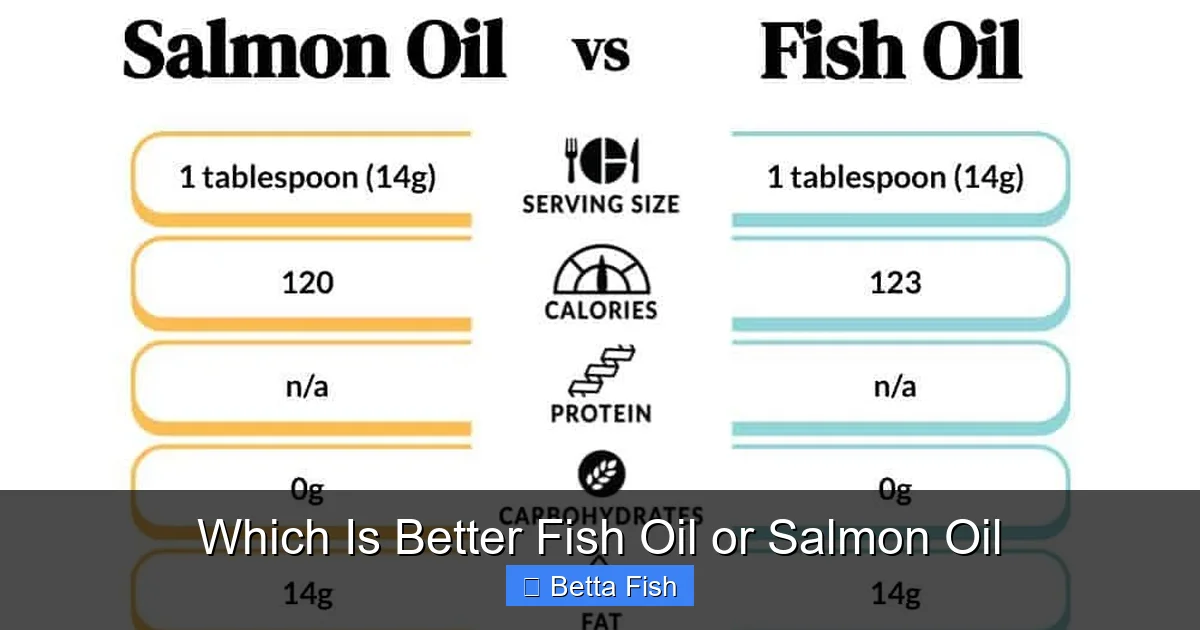
- Generic Fish Oil Blend: Often has a higher ratio of EPA to DHA. A common profile might be 180mg EPA to 120mg DHA per softgel (a 3:2 ratio). It’s not “bad,” but the DHA content is lower relative to EPA.
- Salmon Oil: Typically has a more balanced or even DHA-favoring ratio. Wild salmon oil often presents something closer to 120mg EPA to 150mg DHA (a ratio approaching 1:1.25). This higher DHA content is precisely what aligns with a Betta’s need for structural fats for fins, scales, and neural tissue.
For a Betta struggling with fin rot, torn fins, or simply lacking that brilliant, full finnage, that extra boost of DHA from salmon oil is not a trivial difference. It’s a targeted nutritional support.
The Contaminant Question: Heavy Metals, PCBs, and Dioxins
Here is the most critical safety consideration. All fish live in an environment where toxins bioaccumulate—they build up in the fatty tissues over time. Larger, longer-lived predatory fish (like shark, swordfish, king mackerel, some tuna) tend to have the highest levels of mercury, PCBs (polychlorinated biphenyls), and dioxins. These are neurotoxic and carcinogenic compounds we absolutely do not want to introduce to a small, sensitive Betta tank.
- Source Matters: Generic fish oils are often made from smaller, short-lived forage fish like anchovies and sardines. These are lower on the food chain and, in theory, accumulate fewer toxins. However, the lack of species specificity means you are trusting the manufacturer’s supply chain and purification process entirely.
- The Salmon Advantage: Wild salmon, particularly from pristine, cold waters like Alaska, are generally considered a “cleaner” source. They are not apex predators in the same way as some larger fish. Furthermore, reputable salmon oil producers often source from specific, monitored fisheries and employ advanced molecular distillation processes to remove any residual contaminants to near-zero levels. When you buy a salmon oil product labeled as “wild-caught” and “molecularly distilled”, you are getting a product with a vastly superior safety profile.
The takeaway: a high-quality, specific salmon oil from a trusted brand is inherently less of a contaminant gamble than an anonymous “fish oil” blend.
Why a Betta’s Biology Demands the Best Source
We’ve discussed EPA/DHA ratios and contaminants in general terms. Now, let’s connect that dots directly to Betta splendens physiology and common health goals.
Visual guide about Which Is Better Fish Oil or Salmon Oil
Image source: images.bodbot.com
The Carnivorous Gut and Nutrient Absorption
Bettas are not omnivores. They are obligate carnivores. Their short, simple digestive tract is designed for a diet high in animal protein and fat, and low in carbohydrates and plant matter. Their entire evolutionary history is tied to consuming insects, crustaceans, and other small aquatic creatures—all of which are rich in pre-formed, animal-based omega-3s. Introducing an omega-3 source that is plant-derived (flaxseed oil, which is ALA) is biologically inappropriate and largely ineffective. Even a generic fish oil from non-salmon species, while animal-based, may not provide the precise DHA:EPA balance that most closely mimics the natural prey diet of a Betta—which would include other oily fish and shrimp-like creatures.
Fins, Scales, and That Signature Sheen
What do we love most about Bettas? Their dramatic fins and iridescent colors. DHA is a fundamental component of cell membranes. For fin tissue to be strong, flexible, and able to regenerate after minor damage (from fin nipping, decor, or just daily activity), it needs robust cellular support from DHA. A deficiency or imbalance can lead to:
- Fragile, easily torn fins.
- Slow or incomplete fin regeneration.
- Dull, faded coloration. The vibrant reds, blues, and metallics of a Betta are influenced by diet, and healthy cell membranes supported by proper lipids contribute to that luminous sheen.
A salmon oil supplement, with its DHA-rich profile, directly supports these aesthetic and structural health goals that are so central to Betta ownership.
Inflammation and Immune Modulation
Bettas are prone to inflammatory conditions. Fin rot (often bacterial, but inflammation precedes infection), pop-eye, and internal stresses all involve inflammatory pathways. EPA’s role as an anti-inflammatory precursor is vital here. While both oils provide EPA, the synergistic effect of the balanced ratio in salmon oil, combined with its lower contaminant burden (toxins are pro-inflammatory), makes it a more holistic tool for supporting a calm, well-regulated immune response. A body dealing with low-level toxin stress from impurities is a body in a constant state of inflammatory alarm—the opposite of what we want.
The Practical Guide: Choosing and Using Oil for Your Betta
Okay, so salmon oil is theoretically better. How do you actually choose a product and use it safely?
Visual guide about Which Is Better Fish Oil or Salmon Oil
Image source: momswhothink.com
What to Look for on the Label: Decoding Quality
Do not just grab the first bottle of “Fish Oil” or “Salmon Oil” you see. You need to be a detective. Here is your checklist:
- Species Specificity: It must say “Salmon Oil” clearly. Avoid “Marine Lipid Oil” or “Fish Body Oil” without specification.
- Sourcing: Look for “Wild-Caught”. Farmed salmon can have higher levels of certain contaminants and a less optimal fatty acid profile due to their processed feed. Alaskan salmon is a gold standard due to pristine waters and strict fisheries management.
- Purity Processing: The label should state “Molecularly Distilled”. This is a purification technique that removes heavy metals, PCBs, and other toxins based on their boiling points, resulting in a much cleaner final product.
- Formulation for Pets: Ideally, buy a product specifically formulated for fish or aquarium pets. These will have appropriate dosing instructions and are less likely to contain additives like flavorings or preservatives that could harm your Betta. If using a human-grade supplement, ensure it is 100% pure oil with no added vitamins (especially vitamin E in excess) or flavors.
- Third-Party Testing: Reputable brands will have a batch number and often provide a Certificate of Analysis (COA) from an independent lab verifying purity and potency. Look for brands that are IFOS (International Fish Oil Standards) certified or have similar third-party verification.
Dosage: More is NOT Better
This is the most common and dangerous mistake. Omega-3s are fats, and adding too much fat to a Betta’s diet can lead to fatty liver disease, a serious and often fatal condition. Bettas have very small dietary fat requirements.
General Rule: For a standard liquid salmon oil product (like a pet-specific dropper bottle), a typical dose is 1 drop per 1-2 gallons of tank water, once or twice a week. For a Betta in a 5-gallon tank, this might mean 1 drop every 10-14 days. You are not feeding it directly; you are supplementing the water column where the Betta can absorb it through its gills and skin, and also via ingestion of the tiny amount that coats food.
Direct Feeding Method (More Precise): Mix 1 drop of salmon oil with a *pinch* (literally, a few grains) of high-quality frozen or pellet food (like brine shrimp or a premium Betta pellet). Let it sit for 2 minutes to absorb, then feed. This method delivers the oil directly with food, minimizes waste, and prevents oil slicks on the water surface. Start with once a week and observe.
Never add oil directly to the tank without emulsifying it first (mixing it with a small amount of water vigorously), as it will create a surface film that can suffocate your Betta and disrupt gas exchange.
Storage: Keep it Fresh, Keep it Safe
Omega-3 oils are highly perishable and oxidize (become rancid) quickly when exposed to heat, light, and air. Rancid oil is pro-inflammatory and toxic.
- Always store your salmon oil bottle in the refrigerator immediately after opening.
- Keep it in a dark glass bottle if possible, or in its original opaque container.
- Smell it before use. It should have a mild, clean, “fishy” smell. If it smells sharp, pungent, or “off” (like nail polish remorter or old paint), it is rancid. Discard it immediately.
- Note the “Best By” date. Do not use expired oil.
Addressing the Counterpoints: When Might Generic Fish Oil Be Considered?
To be fair, there are scenarios where a high-quality, verified generic fish oil might be acceptable.
- Extreme Cost Sensitivity: If budget is an absolute barrier, a small bottle of a reputable, IFOS-tested generic fish oil (from small fish like anchovies) is a far better choice than no supplement at all, provided you dose extremely conservatively (e.g., 1 drop per 5 gallons, once a month).
- Lack of Pet-Specific Salmon Oil: In some regions, finding a pet-formulated salmon oil is difficult. A human-grade, wild salmon oil (like from a trusted supplement brand) that is pure and molecularly distilled is a viable alternative, again with cautious dosing.
However, these are compromises. For the dedicated Betta keeper who wants to provide the most biologically appropriate, safest, and most effective omega-3 support, a certified, wild-caught, molecularly distilled salmon oil is the unequivocal recommendation. The slight premium in cost buys you peace of mind regarding contaminants and a fatty acid profile that is simply better suited to your Betta’s biology.
The Verdict: Making the Choice for Your Betta
So, which is better? Fish oil or salmon oil for your Betta fish?
The answer is salmon oil, but with crucial qualifiers.
It is better because:
- Its DHA-rich profile supports the fin integrity, scale health, and neurological function that are hallmarks of a thriving Betta.
- Wild salmon sources generally present a lower contaminant risk profile, and the specific product you choose must be molecularly distilled.
- It is a more biologically appropriate match for a carnivorous fish whose natural diet includes other oily fish.
- It allows for more targeted supplementation for common Betta issues like fin rot recovery and color enhancement.
The generic term “fish oil” is too vague. It could be an excellent product from pristine anchovies, or it could be a low-grade blend from questionable sources. The specificity and typical quality associated with “salmon oil” make it the safer, more reliable bet.
Your final action step: Research brands. Look for “Wild Alaskan Salmon Oil,” “Molecularly Distilled,” “For Pets,” and third-party testing seals. Start with an extremely low dose—once every two weeks—and watch your Betta closely for any changes in activity, appetite, or fin condition. Remember, the goal is subtle, long-term support, not a dramatic pharmaceutical effect. You are providing a foundational nutrient that should be part of a diet based on high-quality, protein-rich Betta pellets and occasional frozen or live foods.
Your Betta’s radiant colors and majestic fins are a direct reflection of its internal health. By choosing a pure, appropriate, and carefully dosed salmon oil supplement, you are investing in the very building blocks of that vitality. You’re not just adding an oil to the tank; you’re providing a specific piece of the nutritional puzzle that nature intended.
Frequently Asked Questions
Can I give my Betta the same fish oil I take for my health?
It is not recommended. Human fish oil supplements often contain high doses, added flavors, or preservatives that can be harmful to fish. The dosage is also wildly inappropriate and can lead to fatty liver disease. Always use a product specifically formulated for pets or follow extremely cautious, veterinarian-approved dilution guidelines for a pure, additive-free human oil.
Is salmon oil completely safe from all contaminants like mercury?
No oil is 100% free from all contaminants, but wild-caught, molecularly distilled salmon oil from reputable brands reduces these risks to negligible, safe levels. The distillation process removes heavy metals, PCBs, and dioxins. Always choose a brand that provides third-party testing results (like a COA) to verify purity for your specific batch.
How often should I actually supplement my Betta with salmon oil?
Less is more. A safe starting point is once every 10-14 days. You can use the direct feeding method: mix one drop with a tiny pinch of high-quality food, let it absorb, and feed. Observe your Betta. If fins look particularly torn or color seems faded, you might increase to once a week temporarily. Never exceed once daily, and always monitor for signs of distress or a oily film in the tank, which indicates overuse.
My Betta has fin rot. Can salmon oil cure it?
Salmon oil is a supportive supplement, not a cure. Fin rot is primarily a bacterial infection. The primary treatment is clean water, possible antibacterial medication (like kanamycin or furan-2), and addressing the root cause (poor water quality, injury). Salmon oil’s DHA can support fin tissue regeneration and its anti-inflammatory properties may aid the healing process, but it must be used alongside proper medical treatment and immaculate tank maintenance, not as a replacement.
Why is salmon oil so much more expensive than other fish oils?
The cost reflects sourcing (wild salmon fisheries are more expensive and regulated than industrial forage fish fleets), processing (molecular distillation is a costly but necessary step for purity), and the fact that it’s a more specific, value-added product. You are paying for a cleaner, more targeted supplement with a superior DHA profile that is better matched to your Betta’s needs.
Are there any plant-based omega-3s that work for Bettas?
No. Plant-based oils like flaxseed or hemp oil contain ALA (alpha-linolenic acid). As discussed, Bettas have a very limited ability to convert ALA into the essential EPA and DHA they require. These oils are biologically inappropriate and provide no meaningful benefit for meeting a Betta’s true omega-3 needs. Always stick to animal-based sources like fish or salmon oil.