The ideal water temperature for betta fish is between 78°F and 80°F (25.5°C – 26.7°C). As tropical fish, bettas require consistently warm water to thrive, not just survive. Using a reliable aquarium heater and thermometer is non-negotiable for their long-term health, vibrant colors, and active behavior. Fluctuations or cold water severely weaken their immune system.
You’ve probably seen them in tiny cups at the store, seemingly content in whatever water they’re in. But here’s the truth that separates betta fish keepers from betta fish *owners*: the single most critical piece of their environment isn’t the pretty plants or the fancy filter—it’s the temperature of their water. Getting the betta fish water temperature right isn’t a suggestion; it’s the foundation of their health, happiness, and lifespan. Let’s dive deep into the warm, wet world of your betta’s thermal needs.
Key Takeaways
- Ideal Range is 78-80°F: This tropical range mimics their native Southeast Asian waters, supporting optimal metabolism and immune function.
- Stability is Crucial: Sudden temperature swings of more than 2°F in 24 hours are extremely stressful and dangerous for bettas.
- A Heater is Mandatory: Unless you live in a consistently warm, stable climate, an adjustable aquarium heater with a thermostat is essential equipment.
- Always Use a Thermometer: Never guess. A stick-on or digital thermometer provides accurate, real-time readings to monitor your tank’s temperature.
- Acclimate Slowly to Temperature: When introducing a new betta or doing water changes, float the bag or ensure new water matches tank temp exactly to avoid shock.
- Cold Water Causes Major Health Issues: Temperatures below 75°F suppress the immune system, leading to diseases like fin rot, dropsy, and velvet.
- Tank Size Influences Stability: Smaller tanks (under 5 gallons) experience faster temperature fluctuations, making a quality heater even more critical.
📑 Table of Contents
- Why Temperature Isn’t Just a Number for Your Betta
- The Golden Rule: 78°F to 80°F (25.5°C – 26.7°C)
- Essential Equipment: Heater and Thermometer
- The Art of Acclimation: Avoiding Thermal Shock
- Common Temperature Mistakes & How to Fix Them
- Seasonal Adjustments and Long-Term Health
- Conclusion: Warmth is a Commitment
Why Temperature Isn’t Just a Number for Your Betta
Betta splendens, the scientific name for the familiar “Siamese fighting fish,” hails from the shallow, slow-moving rice paddies, canals, and floodplains of Thailand, Cambodia, and Vietnam. These are tropical environments. The water there is consistently warm, usually between 75°F and 85°F, with little daily or seasonal fluctuation. Your betta’s entire biology—its metabolism, digestion, immune response, and activity level—is evolutionarily tuned to this warm, stable climate. Think of it like this: you wouldn’t expect a human from a tropical island to thrive in an arctic climate without serious consequences. It’s the same for your fish.
The Metabolism Engine
A fish is cold-blooded, or ectothermic. This means its body temperature is the same as its surrounding water. The temperature directly controls the speed of its internal “engine.” In the correct warm range, a betta’s metabolism hums along efficiently. It digests food properly, converts nutrients into energy, and has the vitality to flare, explore, and build bubble nests. Drop that temperature just a few degrees, and everything slows down. Digestion can stall, leading to constipation and swim bladder issues. Energy levels plummet, turning your active fish into a listless, bottom-dwelling shadow of itself.
The Immune System Shield
This is the most urgent reason to maintain proper betta fish water temperature. A robust immune system operates best within a specific thermal window. When water is too cold, the betta’s immune response becomes sluggish and ineffective. Pathogens—bacteria, fungi, and parasites like Ich or velvet—that are always present in the tank water can now take hold with ease. What might have been a minor, quickly overcome infection becomes a full-blown, often fatal disease. Chronic cold stress is a silent killer, weakening the fish over weeks until it succumbs to something you might not even identify.
The Golden Rule: 78°F to 80°F (25.5°C – 26.7°C)
So, what is the magic number? After decades of collective hobbyist experience and biological study, the consensus is clear: aim for a stable 78°F to 80°F. This range is the sweet spot.
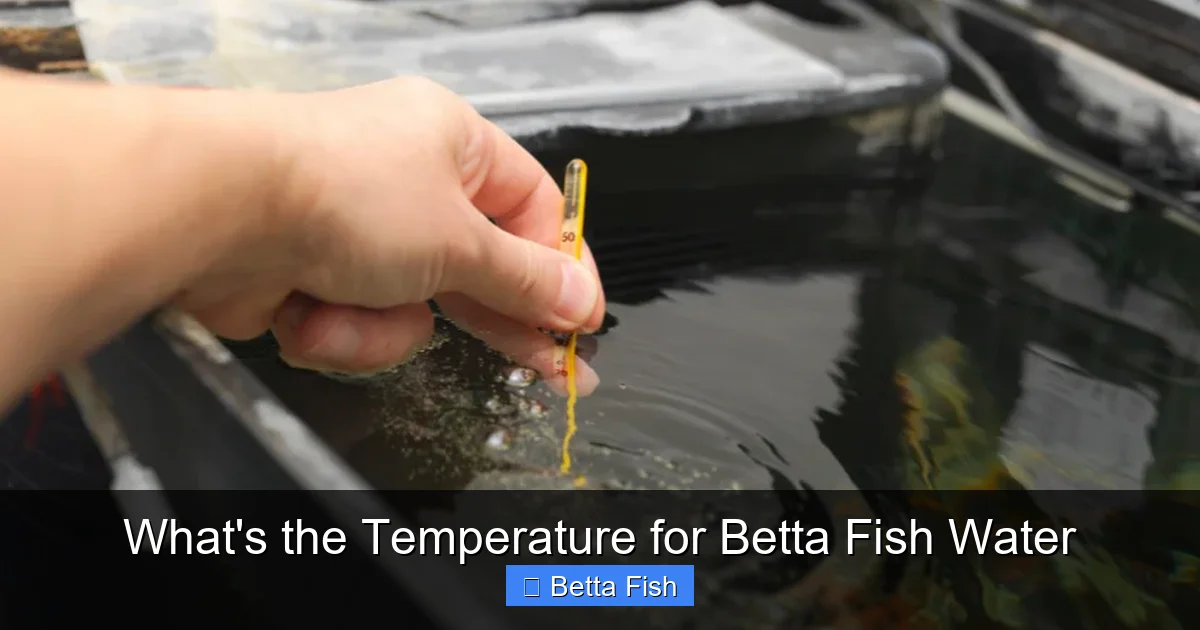
Visual guide about What’s the Temperature for Betta Fish Water
Image source: japanesefightingfish.org
- 78°F (25.5°C): The absolute minimum for long-term health. Some experienced keepers might run a tank at 78°F for a particularly sensitive or older betta, but for a vibrant, active adult, it’s on the cooler end of acceptable.
- 79°F – 80°F (26.1°C – 26.7°C): The optimal target. This is where you’ll see peak activity, the most brilliant color display, consistent bubble nesting behavior (in males), and the strongest immune function. It’s a comfortable, energetic temperature that aligns perfectly with their natural habitat.
- Above 82°F (27.8°C): Proceed with caution. While short-term spikes are survivable, sustained temperatures above 82°F increase the betta’s metabolic rate too high. This can lead to stress, accelerated aging, and reduced oxygen levels in the water (warm water holds less oxygen). It also speeds up the life cycles of many parasites and bacteria.
What About 82°F for Breeding?
You might hear that breeders spike the temperature to 82-84°F to induce spawning. This is a specific, temporary technique used in controlled conditions to mimic the warm, rainy season that triggers breeding in the wild. It is not a recommended long-term temperature for a community or display tank. The increased metabolic stress is not sustainable for a non-breeding betta.
Essential Equipment: Heater and Thermometer
You cannot maintain a stable betta fish water temperature without the right tools. Guesswork is a betta’s worst enemy.
Visual guide about What’s the Temperature for Betta Fish Water
Image source: japanesefightingfish.org
The Aquarium Heater: Your Non-Negotiable Tool
Unless your home is kept at a constant 78-80°F year-round with no drafts or temperature swings (which is rare), you need an aquarium heater. For a single betta in a 5-gallon tank, a 25-watt adjustable submersible heater is perfect. Key features to look for:
- Adjustability: Avoid preset “beta tank” heaters that you cannot calibrate. You need to set the exact temperature.
- Thermostat: It must have a built-in thermostat that turns the heater on and off to maintain the set point.
- Fully Submersible: These are safer and more efficient.
- Auto-Shutoff: A safety feature that turns the heater off if it’s removed from the water or if the water level drops too low.
Pro Tip: Place the heater near a water flow (like a filter outlet) to distribute the warm water evenly throughout the tank and prevent hot spots.
The Thermometer: Your Daily Check-In
The heater’s dial is not a reliable indicator of actual water temperature. You must verify it with an independent thermometer.
- Stick-on Liquid Crystal Thermometers: Affordable, easy to read, and stick to the outside of the tank. Place them on the side away from direct light for the most accurate reading.
- Digital Thermometers with a Probe: More accurate and precise. The probe sits in the water, and the digital display sits outside. These are excellent for double-checking.
- Floating Thermometers: Simple and effective, though they can be harder to read at a glance.
Check your thermometer daily. It takes two seconds and is the single best habit you can develop for betta health.
The Art of Acclimation: Avoiding Thermal Shock
Getting a new betta home? Doing a water change? How you handle temperature changes is critical. Thermal shock—a rapid, drastic change in temperature—can be immediately fatal or cause severe, long-term stress.
Visual guide about What’s the Temperature for Betta Fish Water
Image source: ouraquariumlife.com
The Float Method (For New Arrivals)
When you bring your betta home from the store (where it was likely in 72-74°F water), do not just dump it in your 80°F tank. Follow these steps:
- Turn off the lights in your tank to reduce stress.
- Float the sealed bag in your tank for 15-20 minutes to equalize the temperature.
- After floating, open the bag and roll down the sides to create a floating ring.
- Slowly add about 1/4 cup of your tank water to the bag every 5 minutes for 20-30 minutes. This acclimates the fish to your water parameters (pH, hardness) and confirms the temperature is stable.
- Using a net, gently transfer the betta to the tank. Discard the bag and its water.
Water Changes Done Right
For regular 25-50% water changes, the new water must be exactly the same temperature as the tank water. Use your thermometer to check both. The easiest way is to prepare the new water in the same room, let it sit for an hour to reach room temperature, and then adjust with a little warm or cool tap water as needed to match the tank. Never add cold tap water directly to a warm tank.
Common Temperature Mistakes & How to Fix Them
Even with good intentions, betta keepers make thermal errors. Here are the most frequent and how to avoid them.
Mistake 1: “My Room is Warm Enough”
This is the #1 reason for betta suffering. Room temperature (often 68-72°F) is far too cold. Even if your house feels warm, overnight or in a drafty spot, the tank temperature can plummet. The solution is always a dedicated heater. A 5-gallon tank without a heater in a 70°F room will likely hover around 72°F—dangerously low.
Mistake 2: Using a Heater That’s Too Large
A 100-watt heater in a 5-gallon tank is a recipe for disaster. It will overheat the water rapidly and cycle on/off violently, causing huge temperature swings. Always check the heater’s wattage rating for your tank size. A 25-watt heater is ideal for 2-10 gallons. A 50-watt is for 10-20 gallons.
Mistake 3: No Backup Plan
Heaters fail. It’s a fact of life. What happens on a cold winter night if your heater breaks? Have a plan. A small, battery-powered air pump can help, but the best backup is a simple blanket or towel. Wrap the tank tightly in a thick towel or fleece blanket to insulate it and slow heat loss. This can buy you 12-24 hours until you can replace the heater.
Mistake 4: Placing the Tank in a Bad Spot
Don’t put your betta’s tank in direct sunlight (it will overheat and cause algae). Don’t put it next to a heating vent, fireplace, or drafty window. Choose a location with stable ambient temperature, away from direct sun and drafts.
Seasonal Adjustments and Long-Term Health
Your job isn’t done after you set the heater to 79°F and forget it. Different seasons affect your home’s ambient temperature, and thus your tank’s stability.
Summer Considerations
If your home air conditioning is set very cold, or if your tank is in a sunny spot, the heater may not even turn on, but the ambient heat from the room can push your tank temperature into the danger zone (>82°F). Always use your thermometer. If the tank is getting too warm, you may need to run your air conditioning more, use a small fan to blow across the water surface (increases evaporation and cooling), or invest in a chiller for serious setups (rarely needed for a single betta).
Winter Considerations
This is the high-risk season. Your heater will work overtime. Ensure it’s fully submerged (most have a minimum water line). Check your thermometer twice daily during cold snaps to ensure it’s maintaining temperature. The tank insulation trick with a blanket becomes vital if you lose power.
The Lifespan Connection
Here’s the ultimate payoff for getting the betta fish water temperature perfect: a long, vibrant life. A betta kept in optimal conditions (78-80°F, clean water, proper diet) can easily live 4-6 years, sometimes longer. A betta chronically stressed by cold water might only live 1-2 years, succumbing to disease after disease. You are directly engineering the length and quality of your pet’s life with that thermostat setting.
Conclusion: Warmth is a Commitment
Understanding and maintaining the correct water temperature for your betta fish is the single most important act of care you can provide. It’s not complicated: get a quality heater sized for your tank, get a reliable thermometer, set it to 79°F, and check it daily. This simple routine creates the stable, warm environment your betta’s body expects. The reward is a fish that is brilliantly colored, energetically curious, and displays its beautiful personality. You’ll see flaring, bubble nests, and playful exploration. You’ll build a foundation that supports every other aspect of its care. Don’t let your betta shiver in the cold. Give it the tropical warmth it was born for, and watch it thrive.
Frequently Asked Questions
Can a betta fish survive without a heater?
Survive, possibly, for a short time in a very warm room. Thrive? No. Without a heater, the water will be too cold, suppressing the immune system and leading to chronic stress and disease. A heater is essential equipment for a healthy betta.
What are the signs my betta is too cold?
Look for lethargy (hanging at the bottom or corner), loss of vibrant color, clamped fins (held tightly against the body), loss of appetite, and increased susceptibility to diseases like fin rot or white spot (Ich).
Is 82°F too hot for a betta fish?
Sustained temperatures above 82°F are not ideal. While they can tolerate brief spikes, long-term high heat increases metabolic stress, reduces oxygen in the water, and can accelerate parasite life cycles. Stick to the 78-80°F target range for long-term health.
How do I safely lower my betta’s water temperature if it’s too hot?
First, ensure your heater is set correctly and functioning. Use your thermometer to confirm. If ambient room heat is the cause, you can float sealed bottles of chilled (not ice-cold) water in the tank temporarily, or use a small fan to blow across the water surface to encourage evaporative cooling.
What temperature should betta fish fry (babies) be kept at?
Betta fry require slightly warmer water to support their rapid growth, typically around 82-84°F. However, this requires meticulous water quality management and is part of specialized breeding care, not standard pet keeping.
My room is 75°F. Do I still need a heater for my betta?
Yes. A room at 75°F means your tank, without a heater, will likely be 74°F or lower—below the safe minimum. The heater’s job is to maintain a stable 78-80°F regardless of room temperature fluctuations.


