Which Is Better Fish Oil or Algae Oil
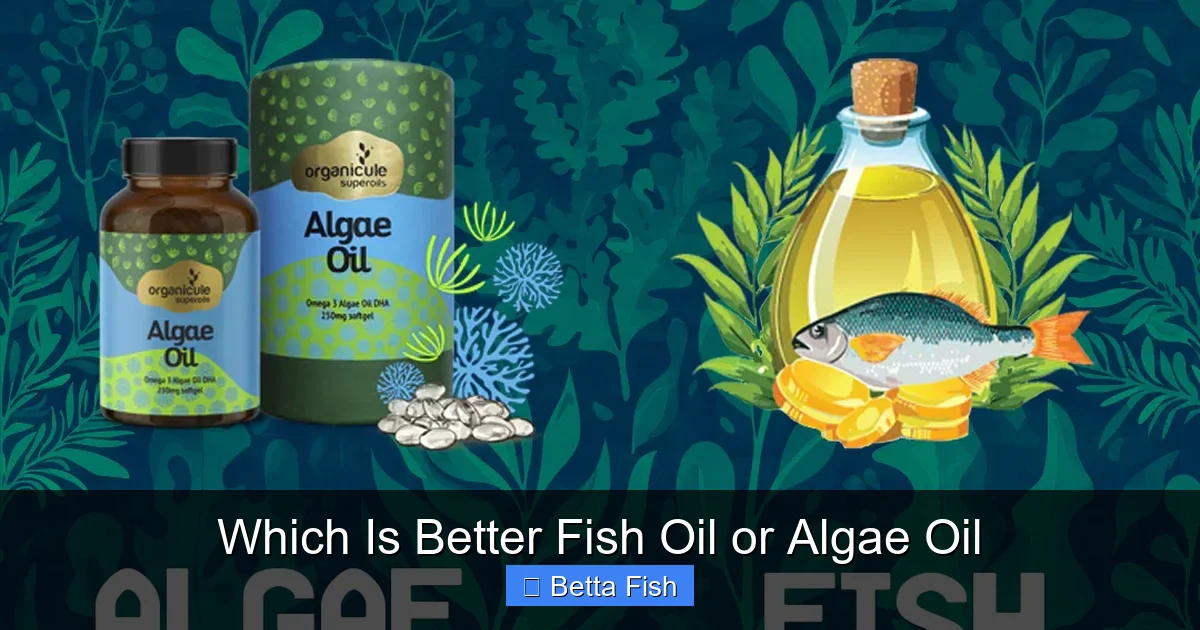
Algae oil is the original, vegan-friendly source of omega-3 fatty acids, as fish obtain their EPA and DHA by consuming algae. For those seeking a direct, contaminant-free, and plant-based supplement, algae oil is the superior and more sustainable choice. However, fish oil remains a widely available and often more affordable option for non-vegans seeking the same essential nutrients.
You’re standing in the supplement aisle, staring at two bottles. One is labeled “Fish Oil,” the other “Algal Oil.” Both promise heart health, brain boost, and glowing skin. But which one is actually better for you? It’s a fantastic question, and the answer isn’t as simple as “this one wins.” The truth is, both fish oil and algae oil are powerful sources of essential omega-3 fatty acids, but they come from completely different places—literally—and that difference shapes everything from their nutritional profile to their environmental impact and even their suitability for your personal lifestyle.
As someone who has navigated this choice for years, I get the confusion. You want the best for your body, but you also care about purity, sustainability, and maybe even aligning your supplements with your values. This isn’t about picking a winner in a fight; it’s about finding your perfect match. So, let’s pull these two contenders into the light, compare them side-by-side, and figure out which omega-3 source deserves a spot in your daily routine.
Key Takeaways
- Algae oil is the only vegan omega-3 source with both DHA and EPA.
- Opt for algae oil to reduce strain on ocean ecosystems.
- Algae oil avoids mercury and PCBs common in fish oil.
- Fish oil provides a more budget-friendly omega-3 option.
- Fish oil typically delivers more omega-3s per serving.
- Both oils offer similar DHA/EPA benefits for heart and brain health.
- Choose based on your diet, ethics, and budget priorities.
📑 Table of Contents
- Understanding the Contenders: What Are Fish Oil and Algae Oil?
- Nutritional Face-Off: EPA, DHA, and Bioavailability
- Environmental & Ethical Considerations: Beyond Your Health
- Health-Specific Considerations: Allergies, Purity, and More
- How to Choose: A Practical Decision-Making Guide
- Data Comparison: Fish Oil vs. Algae Oil at a Glance
- The Final Reel: Making Your Peace with the Choice
Understanding the Contenders: What Are Fish Oil and Algae Oil?
Before we dive into the ring, we need to know our fighters. At their core, both oils are chasing the same prize: the omega-3 fatty acids EPA (eicosapentaenoic acid) and DHA (docosahexaenoic acid). These are the “essential” fats your body can’t make on its own, so you must get them from food or supplements. But where they come from tells a very different story.
Fish Oil: The Traditional Powerhouse
Fish oil is exactly what it sounds like: oil extracted from the tissues of fatty fish like salmon, mackerel, sardines, and anchovies. These fish don’t actually produce omega-3s themselves. Instead, they accumulate them by eating microalgae, which are the original producers of EPA and DHA in the marine food chain. So, in a way, fish are middlemen. When you take fish oil, you’re getting the omega-3s that have been stored in the fish’s body. This source has been the gold standard for decades because, traditionally, it provides a high concentration of both EPA and DHA in a form your body can readily use.
Algae Oil: The Original Source, Direct to You
Algae oil (often called algal oil) cuts out the middleman—literally. It’s produced by cultivating specific strains of microalgae in controlled, closed systems (like fermentation tanks). These algae are the true producers of EPA and DHA in the ocean. By harvesting the oil directly from them, you’re getting omega-3s straight from the source. This makes algae oil the only plant-based, vegan source of both EPA and DHA. It’s a technology-driven, modern approach to an ancient nutrient.
Nutritional Face-Off: EPA, DHA, and Bioavailability
This is the core of the “which is better” question. We’re all here for the omega-3s, so let’s look at the numbers. The key metrics are the actual amounts of EPA and DHA per serving, and how well your body can absorb and use them.
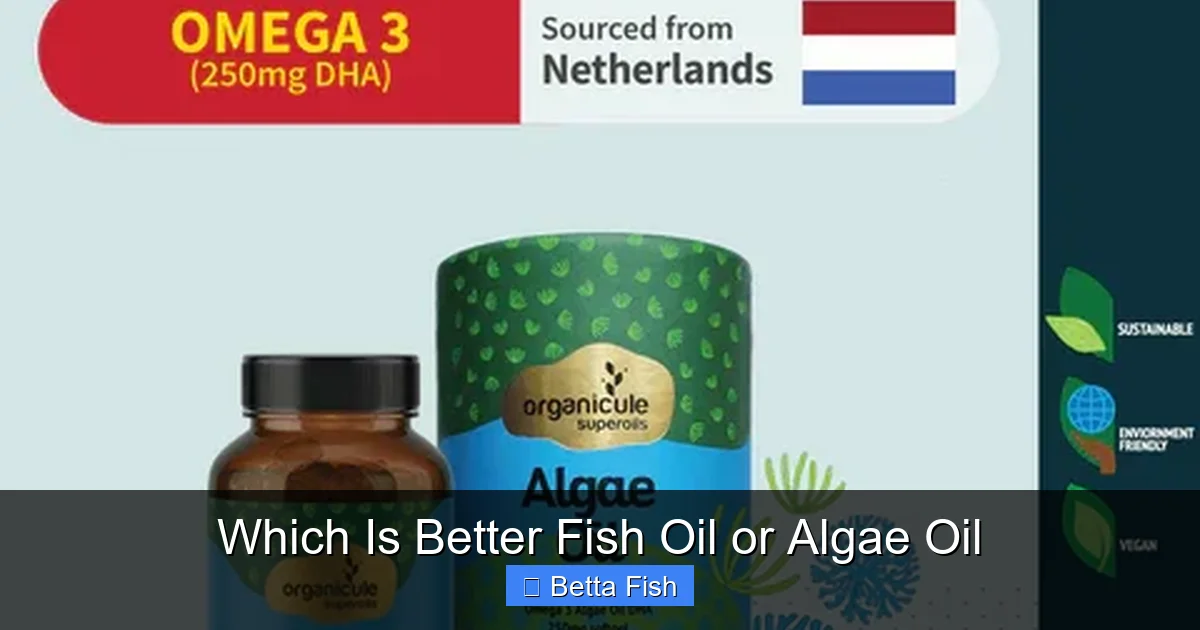
Visual guide about Which Is Better Fish Oil or Algae Oil
Image source: cdn.shopify.com
Historically, fish oil has held the crown for sheer potency. A standard fish oil softgel often provides 300-500mg of combined EPA and DHA. High-concentration versions can offer 800mg or even 1,000mg per capsule. Algae oil, because it’s a younger industry focused on purity and sustainability, has sometimes had lower concentrations. However, this gap is closing fast. Modern, premium algae oil supplements now regularly provide 300-500mg of combined EPA and DHA per serving, which is clinically effective for general health maintenance.
Bioavailability—how well your body absorbs the fats—is also crucial. Both oils deliver omega-3s in triglyceride (TG) or re-esterified triglyceride (rTG) forms, which are highly absorbable. Some fish oils are in ethyl ester (EE) form, which is less efficiently absorbed unless taken with a fatty meal. The best algae oils are typically in the natural TG form. So, for high-quality products from either source, bioavailability is comparable. The real difference lies in the EPA to DHA ratio and additional nutrients.
The EPA/DHA Ratio: Why It Matters
Fish oil tends to have a higher ratio of EPA to DHA, which some research suggests is particularly beneficial for managing inflammation (think joint health, cardiovascular support) and mood regulation. Algae oil often has a more balanced ratio or is slightly higher in DHA. DHA is critical for brain structure, cognitive function, and eye health. If your primary goal is prenatal support, infant development, or cognitive maintenance, a DHA-rich algae oil might be a fantastic direct choice. For general anti-inflammatory benefits, a higher-EPA fish oil has long been favored.
Environmental & Ethical Considerations: Beyond Your Health
Here’s where the paths diverge dramatically. Your choice can reflect your values about our planet and its creatures.

Visual guide about Which Is Better Fish Oil or Algae Oil
Image source: phytality.co.uk
The Sustainability of Fish Oil
The ocean is not an infinite warehouse. Overfishing is a real concern, and the process of catching billions of small forage fish (like sardines and anchovies) for oil can disrupt marine ecosystems. However, the industry has made strides. Look for fish oil certified by organizations like the Marine Stewardship Council (MSC) or Friend of the Sea. These certifications ensure the fish are sourced from sustainably managed fisheries that minimize bycatch and environmental damage. The quality of the fish stock and the fishing methods matter immensely. A poorly sourced fish oil has a significant ecological footprint.
The Clean, Green Promise of Algae Oil
Algae oil is inherently more sustainable. It’s grown in controlled, land-based tanks using water, sunlight (or artificial light), and nutrients. There’s no impact on wild fish populations, no bycatch of dolphins or turtles, and no risk of overharvesting. It’s a highly efficient, scalable, and predictable process with a minimal water and land footprint compared to industrial fishing. For the environmentally conscious consumer, algae oil offers a guilt-free omega-3 source. It’s the ultimate “vegan” omega-3 in every sense—no animals involved.
Health-Specific Considerations: Allergies, Purity, and More
Your personal health context is the most important factor. Let’s break down the deal-breakers.
Visual guide about Which Is Better Fish Oil or Algae Oil
Image source: cdn.shopify.com
Purity and Contaminant Risk
This is fish oil’s biggest Achilles’ heel. Our oceans are polluted. Fatty fish can accumulate mercury, PCBs (polychlorinated biphenyls), dioxins, and other toxins in their tissues. High-quality fish oil manufacturers go to great lengths to remove these through molecular distillation and other purification processes. You must choose brands that provide a Certificate of Analysis (COA) from a third-party lab (like IFOS, GOED, or Labdoor) proving their product is free from harmful levels of contaminants. Algae oil, grown in a controlled sterile environment, has a naturally lower risk of these marine-based pollutants from the start. It’s inherently a cleaner source.
Allergies and Dietary Restrictions
If you have a fish or shellfish allergy, fish oil is off the table. Even highly purified oils can trigger a reaction. Algae oil is completely hypoallergenic for those with fish allergies and is the undisputed champion for vegans, vegetarians, and anyone following a plant-based diet. It’s also suitable for those with religious or cultural dietary restrictions that prohibit animal products.
Digestive Tolerance and “Fish Burps”
Ah, the notorious fish burp. The reflux of fishy-tasting oil is a common complaint with some fish oils, often due to oxidation (rancidity) or the type of capsule. While many modern enteric-coated or lemon-flavored fish oils have solved this, it remains an issue for some. Algae oil is generally described as having a very mild, neutral taste and is far less likely to cause digestive upset or reflux.
How to Choose: A Practical Decision-Making Guide
Okay, so both have pros and cons. How do you decide? Here’s a simple flowchart based on your priorities.
- Choose Algae Oil If: You are vegan/vegetarian, have a fish allergy, are pregnant/nursing and want to avoid any potential marine contaminants, are environmentally focused, or have a sensitive stomach. You want a DHA-focused supplement.
- Choose Fish Oil If: You are not vegetarian, want a typically higher dose of EPA for specific anti-inflammatory needs, are on a tighter budget (generally, fish oil is less expensive per mg of omega-3), and you are diligent about choosing a highly purified, third-party tested brand from a sustainable source.
Pro Tip: Don’t just buy the cheapest bottle on the shelf. Read the label! Check for:
- Total EPA and DHA content per serving (not just “fish oil” or “algal oil” amount).
- Third-party certifications (IFOS, USP, NSF, GOED).
- Sustainability certifications (MSC for fish oil).
- Form: Look for “triglyceride form” (TG) or “re-esterified triglyceride” (rTG) for best absorption.
- Freshness: Check the “best by” date and look for “molecularly distilled” on fish oil. Rancid oil smells fishy and is harmful.
Data Comparison: Fish Oil vs. Algae Oil at a Glance
| Feature | Fish Oil | Algae Oil |
|---|---|---|
| Source | Fatty fish (salmon, sardines, etc.) | Microalgae (cultivated) |
| EPA/DHA Content | Typically higher, especially EPA. Wide range (300mg – 1000mg+ per serving). | Now comparable (300mg – 500mg+ per serving). Often more DHA-focused. |
| Bioavailability | High in TG/rTG form. Lower in EE form. | High, typically in natural TG form. |
| Purity & Contaminant Risk | Requires rigorous purification. Risk of mercury, PCBs if not well-processed. | Inherently low risk. Grown in controlled, clean environment. |
| Sustainability | Variable. Can be sustainable (MSC-certified) or contribute to overfishing. | Highly sustainable. No impact on wild fisheries. Land-based production. |
| Dietary Suitability | Not vegan/vegetarian. Not for fish allergies. | Vegan, vegetarian, hypoallergenic. Compatible with all diets. |
| Typical Cost | Generally lower cost per mg of omega-3. | Generally higher cost per mg of omega-3, but narrowing. |
| Digestive Tolerance | Can cause “fish burps” or reflux in some people. | Very mild, neutral taste. Low incidence of digestive upset. |
| Best For | Those seeking cost-effective, high-EPA support from a non-vegan source, who verify purity/sustainability. | Vegans/vegetarians, those with fish allergies, pregnant/nursing individuals, the environmentally conscious, those sensitive to fish taste. |
The Final Reel: Making Your Peace with the Choice
So, which is better? Fish oil or algae oil? The better choice is the one that aligns with your body, your values, and your health goals. There is no single, objective winner.
If your primary drivers are maximum cost-effectiveness and a high EPA dose for something like intense athletic recovery or specific inflammatory concerns, and you are comfortable vetting brands for purity and sustainability, a high-quality fish oil is a perfectly valid and effective choice. It’s the traditional path for a reason.
However, if you are vegan, have a fish allergy, are pregnant and want the cleanest possible source, are deeply committed to marine conservation, or simply can’t stand the idea of fish burps, then algae oil is not just a good alternative—it’s a superior choice for you. Its purity, ethical sourcing, and now comparable potency make it a powerhouse in its own right. The technology has advanced to the point where algae oil is no longer a “compromise”; it’s a first-class, direct-from-source omega-3.
My personal take? The future of omega-3s is algae. It’s cleaner, kinder to the planet, and inclusive of all diets. But if you choose fish oil, do so with awareness and respect—choose brands that are transparent about their sourcing and purification. Your health journey is yours alone. Whether you reach for a bottle from the sea or one from the tank, you’re making a smart move by prioritizing these essential fatty acids. That’s a win, no matter which bottle you pick.
Frequently Asked Questions
Which is better, fish oil or algae oil?
The “better” option depends on your needs. Fish oil is typically more affordable and widely studied, while algae oil is a pure, plant-based source ideal for vegetarians, vegans, and those with fish allergies, often with lower contamination risk.
What is the difference between fish oil and algae oil?
The primary difference is their source: fish oil comes from fatty fish, while algae oil is derived from marine algae. Algae oil is the original source of omega-3s in the ocean food chain, and fish accumulate them by eating algae.
Is algae oil better for vegetarians and vegans?
Yes, algae oil is the superior choice for vegetarians and vegans as it is a direct, plant-based source of DHA and EPA. Fish oil is an animal product and does not align with a plant-based diet.
Which is more sustainable, fish oil or algae oil?
Algae oil is generally considered more sustainable. Farming algae has a lower environmental impact and does not contribute to overfishing, whereas large-scale fish oil production can pressure marine ecosystems.
Does fish oil or algae oil have more omega-3s?
Both can be formulated to provide high, comparable levels of DHA and EPA. The total omega-3 content depends on the specific product’s concentration and serving size, not necessarily the source alone.
Are there fewer side effects with algae oil compared to fish oil?
Both can cause similar mild side effects like fishy aftertaste or digestive upset. However, algae oil often has a lower risk of containing environmental contaminants like mercury, which can be a concern with some fish oils.