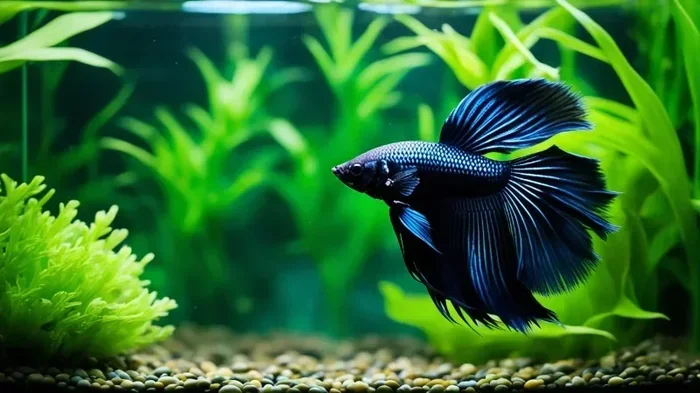
How to Breeding Betta Fish

Breeding betta fish requires the right tank setup, healthy breeding pair, and proper water conditions. This guide walks you through every step, from choosing a male and female betta fish to raising betta fish fry. You will learn proven betta fish breeding tips that help you get successful results at home.
Breeding betta fish is one of the most rewarding experiences for any fish keeper. If you have been watching your betta fish and wondering how to start the process, you are in the right place. This guide breaks down everything you need to know about betta fish breeding in simple, easy-to-follow steps.
Whether you are a beginner or have some experience, understanding the betta fish breeding process makes a big difference. You will learn how to pick the right pair, set up a proper breeding tank, and raise healthy betta fish fry. Let us dive in and explore how to make your betta fish breeding journey a success.
Key Takeaways
- Choose the right pair: A healthy male and female betta fish are essential for successful breeding.
- Prepare a dedicated breeding tank: A separate tank with the right temperature and setup prevents stress and improves spawning success.
- Condition the pair properly: Feeding high-quality betta fish food and maintaining warm water helps trigger breeding behavior.
- Watch for bubble nests: A male betta fish building a bubble nest is a clear sign he is ready to breed.
- Care for eggs and fry carefully: Removing the female after spawning and feeding fry properly ensures survival.
- Avoid common mistakes: Overcrowding, poor water quality, and wrong temperatures can ruin your betta fish breeding efforts.
📑 Table of Contents
Understanding Betta Fish Breeding Basics
Before you start, it helps to understand the basics of betta fish breeding. Bettas are bubble nest builders. The male betta fish creates a nest on the water surface using saliva and bubbles. When the female releases eggs, the male collects them and places them in the nest.
Knowing this natural behavior helps you set the right environment. Here are some key things to keep in mind:
- Betta fish breeding age: Both male and female bettas should be at least 4 to 6 months old. Breeding too early can cause health problems.
- Betta fish breeding conditions: Warm water around 78 to 80 degrees Fahrenheit works best. Stable conditions reduce stress.
- Betta fish pair selection: Choose fish with bright colors and active behavior. Healthy fish produce healthier offspring.
- Betta fish spawning: This is the actual act of egg release and fertilization. It usually happens in the early morning hours.
Understanding these basics gives you a strong foundation. You will feel more confident when you move to the next steps.
Preparing the Breeding Tank
A proper breeding tank is essential for successful betta fish breeding. You should never breed bettas in a community tank. The male betta fish can become aggressive, and other fish may harm the eggs or fry.
Tank Size and Setup
A 10-gallon tank works well for breeding. Fill it with about 5 to 6 inches of water. This depth gives the male enough space to build a bubble nest. Add a sponge filter to keep the water clean without creating strong currents that can disturb the nest.
If you are new to tank setup, check out our guide on how to set up a fish tank for betta fish for more detailed tips.
Water Temperature and Quality
Maintaining the right water temperature is critical. Use a heater to keep the water steady at 78 to 80 degrees Fahrenheit. Bettas are tropical fish and need warm water to trigger breeding behavior.
Clean water is equally important. Before adding your fish, make sure to prepare water for a betta fish properly. Use a gentle water conditioner to remove chlorine and heavy metals. Test the pH level, which should be between 6.5 and 7.0.
Here is a quick comparison of ideal breeding tank conditions:
| Parameter | Ideal Range |
|---|---|
| Temperature | 78 to 80 degrees Fahrenheit |
| pH Level | 6.5 to 7.0 |
| Tank Size | 10 gallons minimum |
| Water Depth | 5 to 6 inches |
| Filter Type | Sponge filter (gentle flow) |
| Lighting | Low to moderate |
Keep the tank dimly lit. Bright lights can stress the fish and make them less likely to breed. A few floating plants provide hiding spots and make the female feel safe.
Conditioning the Breeding Pair
Conditioning is one of the most important parts of betta fish breeding. This is the process of feeding the pair high-quality food for 1 to 2 weeks before introducing them. Conditioning gets the fish ready physically and boosts their breeding readiness.
What to Feed During Conditioning
Feed your bettas live or frozen foods. Bloodworms, brine shrimp, and daphnia are excellent choices. These foods are rich in protein and help the female produce healthy eggs. You can also use high-quality betta fish food pellets as a staple.
Feed small amounts 2 to 3 times a day. Overfeeding can dirty the water quickly, so remove any uneaten food after a few minutes.
How to Tell if Your Betta Fish Is Ready
The female betta fish will develop a white egg spot near her belly when she is ready. Her color may also become brighter. The male will start building a bubble nest, which is a strong sign he is prepared for breeding.
If you are unsure how to identify a female betta fish, read our guide on how to know female betta fish for clear visual clues.
Proper conditioning makes a huge difference. Fish that are well-fed and healthy will breed more successfully and produce stronger fry.
The Breeding Process Step by Step
Once your pair is conditioned and the tank is ready, it is time to introduce them. This is the exciting part of betta fish breeding. Follow these steps carefully for the best results.
Step 1: Introduce the Pair Slowly
Place the female in a clear container inside the breeding tank first. Let the male see her through the glass for a few hours. This helps both fish get used to each other without direct contact. Watch for signs of aggression from the male.
Step 2: Release the Female
After a few hours, release the female into the tank. The male will start flaring his fins and chasing the female gently. This is normal behavior. The male is showing interest and preparing to breed.
Do not worry if you see some chasing. It becomes a problem only if the male harms the female. If the female looks exhausted or has torn fins, remove her immediately.
Step 3: Watch for Spawning
The male will wrap his body around the female to collect the eggs. This is called spawning. The female will release eggs, and the male will fertilize them right away. After spawning, the male will place the eggs into the bubble nest.
Remove the female as soon as you see eggs in the nest. The male can become aggressive toward her after spawning. Keeping the female safe is important for her health and the success of the eggs.
If you want to learn more about conditioning bettas before breeding, see our article on how to condition betta fish for breeding.
Caring for Betta Fish Eggs and Fry
Once the eggs are in the bubble nest, the male betta fish takes over. He will guard the nest and retrieve any eggs that fall. This is a fascinating part of the betta fish breeding journey.
Egg Care
Do not disturb the tank during this phase. The male needs peace and quiet to care for the eggs. Eggs typically hatch within 24 to 48 hours. You may notice tiny white specks moving inside the nest — those are the developing fry.
Fry Care
After hatching, the fry will absorb their egg sacs for nutrition for the first 2 to 3 days. Once the egg sacs are gone, you need to feed them. Infusoria or liquid fry food works well for the first week. As they grow, you can introduce baby brine shrimp.
Keep the water clean by doing small water changes. Use a turkey baster to gently remove debris without sucking up the tiny fry. Maintain stable water temperature, as fry are very sensitive to changes.
For tips on keeping your betta fish healthy during this time, check out our guide on how to make your betta fish healthy again.
Common Mistakes in Betta Fish Breeding
Even experienced fish keepers make mistakes. Knowing what to avoid saves you time, money, and heartbreak. Here are the most common errors people make when trying to breed betta fish.
Skipping the Conditioning Phase
Some breeders rush into introducing the pair without proper conditioning. This leads to weak eggs and low hatching rates. Always spend at least 1 to 2 weeks conditioning the pair with rich, protein-based foods.
Using the Wrong Tank Size
A tank that is too small causes stress. A tank that is too large makes it hard for the male to maintain the bubble nest. Stick to a 10-gallon tank for the best results.
Ignoring Water Quality
Dirty water leads to disease and fungus on the eggs. Perform regular small water changes and keep the filter running gently. Poor water quality is one of the top reasons breeding attempts fail.
Leaving the Female Too Long
Some breeders leave the female in the tank after spawning. The male may attack her and cause serious injury. Always remove the female once eggs are visible in the bubble nest.
Feeding Fry the Wrong Food
Fry need very small food particles. Regular betta fish flakes are too big for them. Start with infusoria or liquid food, then move to baby brine shrimp as they grow.
Avoiding these mistakes will greatly improve your chances of successful betta fish breeding. Patience and attention to detail are your best tools.
Expert Tips for Successful Betta Fish Breeding
Here are some extra tips from experienced breeders that can help you get better results:
- Keep a log: Write down the date you introduced the pair, when spawning happened, and when eggs hatched. This helps you track patterns and improve over time.
- Use a breeding trap sparingly: Some breeders use a breeding trap to separate the female. However, traps can stress the fish. A clear container inside the tank works better.
- Watch the bubble nest: A large, thick bubble nest means the male is ready. A thin or scattered nest means he needs more time or better conditions.
- Be patient: Not every breeding attempt will be successful. Even experienced breeders face failed attempts. Learn from each experience and try again.
- Keep the lights low: Dim lighting encourages bubble nest building and makes the fish feel secure.
Breeding betta fish takes practice. Each attempt teaches you something new. The more you do it, the better you will get.
Conclusion
Betta fish breeding is a rewarding hobby that lets you witness the full life cycle of these beautiful fish. From preparing the breeding tank and conditioning the pair to watching the eggs hatch and raising the fry, every step is exciting. The key is to be patient, maintain clean water, and provide proper nutrition.
Remember that successful betta fish breeding comes from preparation and care. Follow the steps in this guide, avoid common mistakes, and you will be well on your way to raising healthy betta fish fry. Start small, learn as you go, and enjoy the process.
Frequently Asked Questions
How long does the betta fish breeding process take?
The entire process from conditioning to fry free-swimming takes about 4 to 6 weeks. Conditioning takes 1 to 2 weeks, spawning happens within a few days of introduction, and eggs hatch in 24 to 48 hours. Raising fry to free-swimming stage takes another 3 to 4 weeks.
Can I breed betta fish in a bowl?
It is not recommended. A bowl is too small and lacks proper filtration and heating. Use at least a 10-gallon tank with a sponge filter and heater set to 78 to 80 degrees Fahrenheit for the best results.
How many eggs does a female betta fish lay?
A female betta fish can lay anywhere from 30 to 500 eggs per spawning session. The number depends on her age, size, and overall health. Not all eggs will hatch, and not all fry will survive to adulthood.
Why is my male betta fish not building a bubble nest?
This can happen if the water temperature is too low, the male is too young, or he is not in good health. Make sure the water is warm, around 78 to 80 degrees Fahrenheit, and feed the male high-quality food to boost his condition.
When should I separate the female from the male after breeding?
Remove the female as soon as you see eggs in the bubble nest. The male can become aggressive toward her after spawning. Leaving her in the tank risks injury and stress to both fish.
What should I feed betta fish fry?
Start with infusoria or liquid fry food for the first week. After the fry absorb their egg sacs, introduce baby brine shrimp. As they grow larger, you can gradually switch to crushed betta fish flakes or small pellets.