Which Fish Can You Put with Bettas
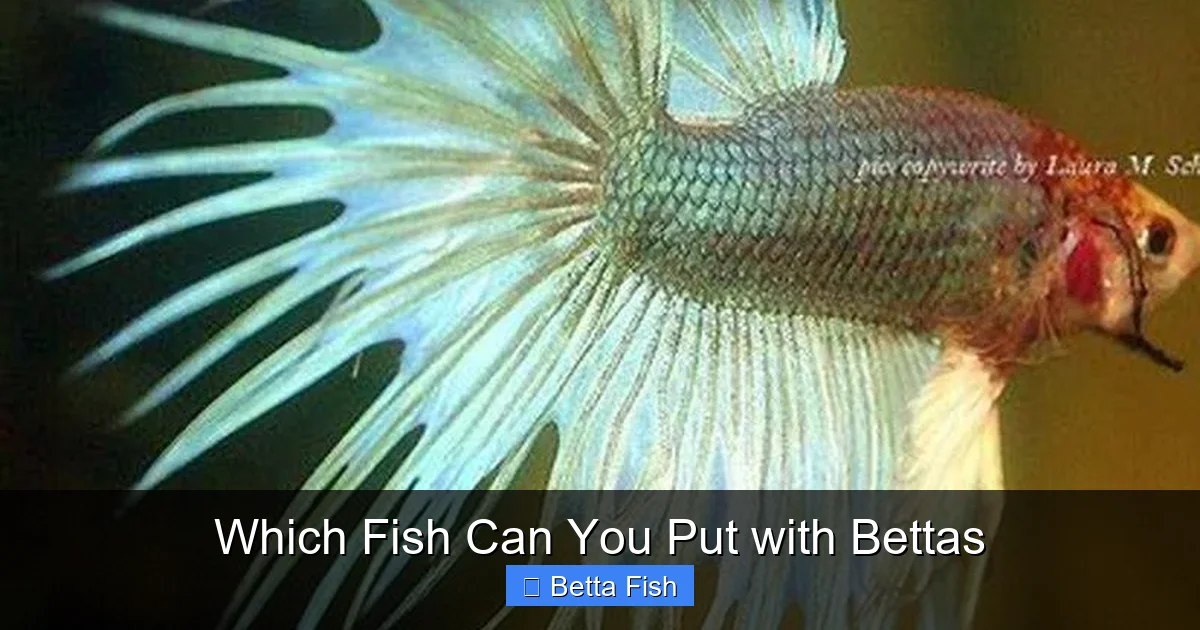
Choosing the right tank mates for your betta is crucial for a peaceful aquarium. While bettas are famously territorial, many peaceful, fast-moving, or heavily-finned fish can coexist with them. Success depends entirely on your individual betta’s temperament, a properly sized and decorated tank, and a careful introduction process. Always have a backup plan and observe interactions closely.
So, you’ve got a magnificent betta fish—a vibrant, flaring King of his little aquatic kingdom. You love watching him, but you can’t help but think your 5-gallon desktop tank looks a little lonely. The big question bubbles up: which fish can you put with bettas? It’s one of the most common questions in the aquarium hobby, and the answer isn’t a simple list of “yes” or “no” species. It’s a nuanced puzzle that depends on your betta’s unique personality, your tank setup, and your careful selection process. This guide will walk you through every step, transforming that lonely betta tank into a thriving, peaceful community.
First, let’s address the elephant in the room: the Siamese fighting fish’s reputation. Bettas (Betta splendens) were historically bred for aggression, and that stubborn streak is still in their DNA. A male betta will almost always attack another male betta. But when it comes to other species? That’s where things get interesting. A betta’s aggression is typically directed at fish that look like him—long, flowing fins and bright colors—or fish that invade his perceived territory. By understanding these triggers, we can strategically choose companions that are unlikely to provoke a flare-up. Think of it not as finding a “friend” for your betta, but finding tank mates that are essentially invisible or uninteresting to him.
Key Takeaways
- Your Betta’s Personality is Key: Some bettas are aggressive, others are docile. You must observe your specific fish before adding any companions.
- Tank Size is Non-Negotiable: A minimum of 10 gallons is strongly recommended for any community tank with a betta; more space reduces aggression and stress.
- Target the Right Traits: Look for tank mates that are peaceful, fast-swimming, occupy different tank levels, or have defensive traits (like schooling or spines).
- Avoid Fins and Colors: Never house bettas with fish that have long, flowing fins (like guppies) or bright, flashy colors, as these trigger their aggression.
- Plants and Hiding Spots are Essential: A well-planted tank with driftwood, caves, and vertical structures breaks line-of-sight and provides escape routes for potential targets.
- Introduction Order Matters: Add the betta to a established, peaceful community last, or use a divider method for first introductions.
- Be Prepared to Separate: Always have a separate “hospital” tank ready. If aggression occurs, you must be able to remove the injured or bullied fish immediately.
📑 Table of Contents
Understanding Your Betta’s Temperament
Before you even think about another fish, you need to become an expert on your own betta. Is he a laid-back dude who flares at his own reflection but ignores your hand in the tank? Or is he a paranoid ninja who attacks anything that moves near his bubble nest? You must observe him in his current environment for at least a week.
The “Betta Personality Test”
How does he react when you:
- Move a clean finger slowly along the glass? A curious betta will investigate. An aggressive one will flare and charge.
- Introduce a new object (like a clean plant or decoration)? A confident betta will explore. A stressed one will hide or attack.
- See his own reflection? Some flaring is normal, but if he spends hours constantly flaring and exhausting himself, he may be overly aggressive or stressed.
This baseline is your most important tool. A peaceful betta opens up a world of possibilities. A highly aggressive one means you should probably keep him solo. There’s no shame in a single-species tank; for many bettas, it’s the safest and kindest choice.
The Perfect Tank Setup: Your Foundation for Success
You could have the most peaceful betta in the world, but if you cram him into a bare 2.5-gallon tank with a neon tetra, it’s a recipe for disaster. The environment is 50% of the equation when deciding which fish can you put with bettas. Space is the ultimate stress reducer.
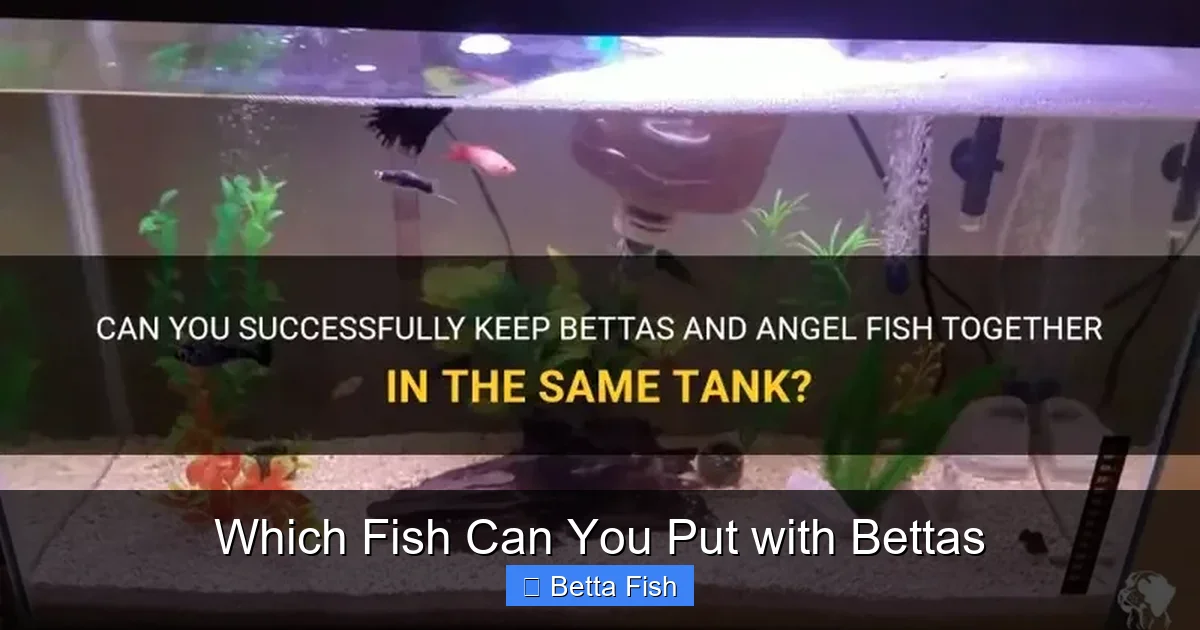
Visual guide about Which Fish Can You Put with Bettas
Image source: petshun.com
Tank Size: The Golden Rule
Forget the tiny “betta bowls.” A true community tank with a betta requires a minimum of 10 gallons. Ideally, aim for 15-20 gallons. Why? More horizontal swimming space means territories overlap less. In a large tank, a betta can claim a section while other fish use different areas. In a small tank, there is no “other area”—it’s all his, and he will defend it relentlessly. A larger volume of water also means more stable water parameters and dilution of any aggression-induced stress hormones.
The Art of Aquascaping for Peace
Your tank must be a labyrinth, not an arena. The goal is to break the line of sight constantly. Use:
- Live Plants: Java fern, Anubias, Amazon swords, and floating plants like frogbit or red root floaters are perfect. They create dense forests and surface cover.
- Driftwood &> Rocks: Create caves, tunnels, and overhangs. A betta loves to rest under a piece of driftwood.
- Vertical Structures: Betta fish are labyrinth fish; they like to rest near the surface. Tall plants or a vertical piece of slate give him a perch while other fish swim below.
- Substrate: A dark substrate (sand or dark gravel) can feel more natural and reduce stress compared to bright gravel.
A well-decorated tank isn’t just pretty—it’s a critical tool for managing betta behavior by providing endless hiding spots and visual barriers.
Top Tank Mate Candidates: The “Safe” List
Now for the fun part. Which fish actually have a good chance of cohabiting with your betta? The best candidates share these traits: they are peaceful, fast-moving (so they can dart away if chased), occupy a different level of the tank (bottom or mid-water), or are schooling fish that are too much of a confusing mob to single out. Here are the most reliable, beginner-friendly options.
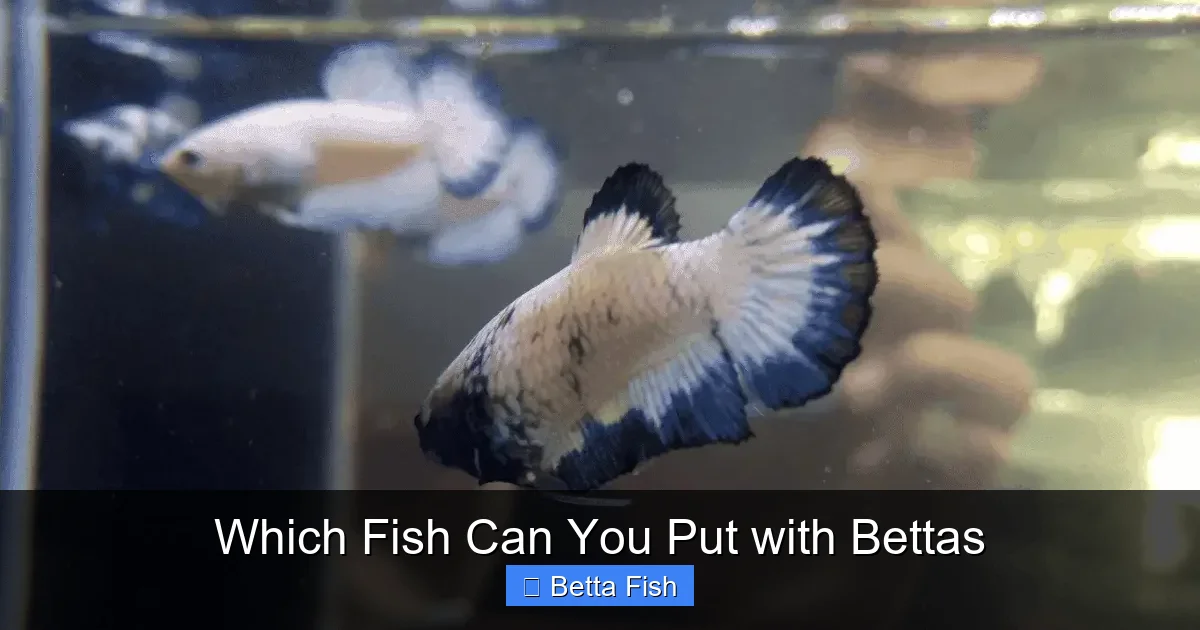
Visual guide about Which Fish Can You Put with Bettas
Image source: petfishonline.com
1. The Shoaling Wonders: Rasboras & Danios
Schools of small, active, hyper fish are arguably the best betta companions. Their constant, erratic movement is more like a shimmering, confusing cloud than an individual target. They stay primarily in the middle to upper tank levels.
- Harlequin Rasboras (Trigonostigma heteromorpha): A classic choice. Their orange and black markings are beautiful, they are peaceful, and they school beautifully in groups of 6-8. Size: 2 inches.
- Celestial Pearl Danios (Danio margaritatus): Also called “galaxy rasboras.” Tiny, sparkly, and active. They prefer cooler water (72-78°F), which can be a great match for many bettas. Keep in groups of 8+. Size: 1 inch.
- Chili Rasboras (Boraras brigittae): Super tiny, bright red fish. Their minuscule size makes them less of a threat in a betta’s eyes. Need a heavily planted tank. Groups of 10+. Size: 0.6 inches.
- Zebra Danios (Danio rerio): Very active and hardy. Their speed is their defense. Some bettas may still chase them, but they are almost impossible to catch. Prefer slightly cooler water. Groups of 6+. Size: 2 inches.
2. The Peaceful Bottom Dwellers
Fish that stick to the substrate occupy a completely different world from a betta, who lives near the top. This vertical separation is a huge advantage.
- Kuhli Loaches (Pangio kuhlii): Eel-like, nocturnal, and utterly peaceful. They burrow in the substrate and are rarely seen during the day. A fascinating addition. Keep in groups of 3-5. Size: 3-4 inches.
- Corydoras Catfish (“Cories”): The quintessential community bottom feeder. These little “armored catfish” are social, active, and hilarious to watch as they sift through sand. They must be kept in groups (6 is ideal). Species like the Pygmy Cory (Corydoras pygmaeus) are perfect for smaller tanks. Size: 1-3 inches depending on species.
- Otocinclus Catfish (“Otos”): The dedicated algae eater. These tiny, suckermouth catfish are gentle and stay in groups, clinging to glass and leaves. They are sensitive to water quality and need established tanks with algae. Groups of 6+. Size: 1.5 inches.
3. The “Invisible” Specials: Shrimp & Snails
These aren’t fish, but they make fantastic, low-maintenance tank mates that often go completely ignored by bettas.
- Amano Shrimp (Caridina multidentata): The best shrimp choice. They are large (2+ inches), have a translucent, camouflaged appearance, and are excellent algae cleaners. They are quick enough to evade a curious betta.
- Ghost Shrimp / Glass Shrimp (Palaemonetes spp.): Completely clear and small. They are essentially invisible to a betta unless they move right in front of his face. Great for a “clean-up crew.”
- Nerite Snails: The perfect snail. They have a tough, patterned shell (unlike the smooth, betta-tempting apple snail), they do not reproduce in freshwater, and they are amazing at cleaning algae off glass and decor. They are completely impervious to betta attacks.
- Mystery/Apple Snails (Caution): These have a smooth, round shell that can look like a giant egg to a betta—a trigger for flipping and attacking. Only try with a very, very peaceful betta and a large tank.
Fish to Avoid: The “Never” List
Just as important as knowing the good guys is knowing the bad guys. These species are almost guaranteed to cause problems, stress, injury, or death.
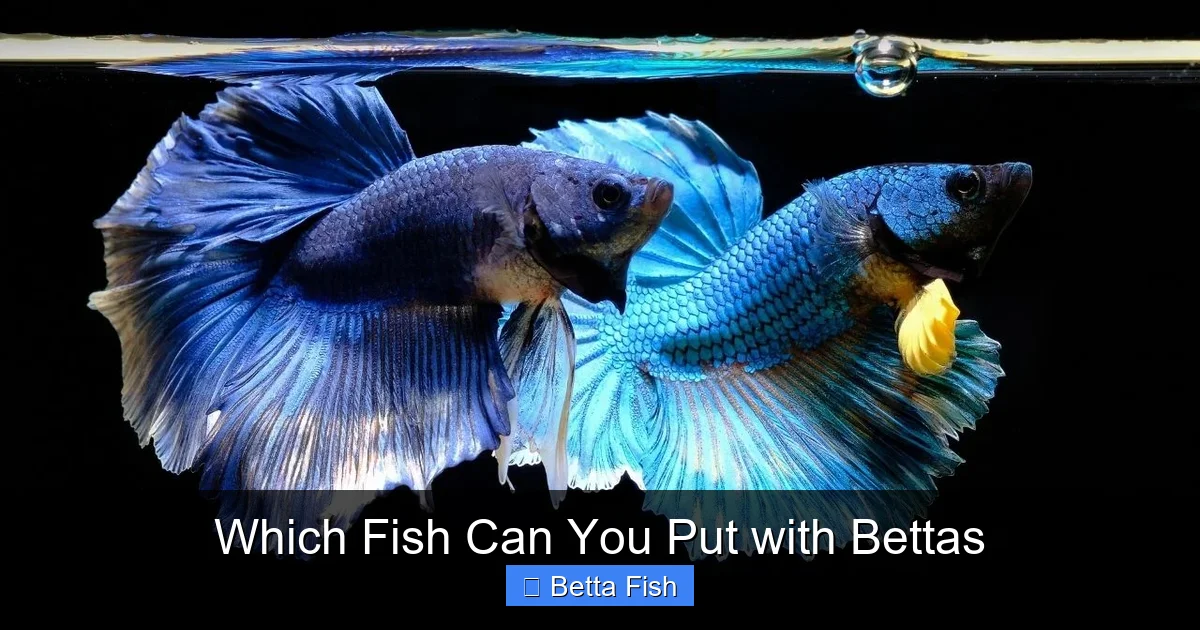
Visual guide about Which Fish Can You Put with Bettas
Image source: acuariopets.com
1. Fins & Flair: The Betta’s Mirror Image
Any fish with long, flowing, elaborate fins is a target. Your betta will see it as a rival male and attack relentlessly.
- Fancy Guppies: Their huge, colorful caudal fins are like a red flag to a betta. Even a peaceful betta may nip them to shreds.
- Male Siamese Fighting Fish: This is the #1 rule. Never, ever house two male bettas together. A divider is the only safe option for multiple bettas.
- Fancy Goldfish: Their long fins and different temperature requirements (goldfish are coldwater) make them a terrible match.
- Betta Splendens Hybrids: Fish like the “Halfmoon Plakat” may still have enough finnage to trigger aggression.
2. Bright & Flashy: Color Triggers
Bettas are attracted to and threatened by bright colors, especially reds and blues, which are dominant in their own coloration.
- Male Gouramis (Dwarf, Honey, Pearl): These are close relatives of the betta and often have similar body shapes and colors. They will likely spar constantly.
- Fantail Guppies (even females): While females have shorter fins, some still have color patterns that can trigger a betta.
- Some Tetras: Neon tetras, with their bright blue and red stripe, can be risky. Some bettas ignore them; others will relentlessly chase them. This is a “test with caution” species.
3. Fin-Nippers & Bullies
Some fish are simply not compatible due to their own temperaments.
- Tiger Barbs: Famous fin-nippers. They will harass a betta’s long fins mercilessly.
- Most Cichlids: Even “peaceful” cichlids like the Bolivian ram are territorial and can be too bold for a betta.
- Aggressive Danios: While zebra danios are usually okay, larger, more boisterous danio species can be too much.
- Bristlenose Plecos (Caution): While generally peaceful, some can grow large and have a sucker mouth that might latch onto a betta’s slime coat out of curiosity. A clown pleco is a better, smaller alternative.
The Introduction Process: A Delicate Dance
You have a peaceful betta, a 15-gallon jungle of a tank, and a school of harlequin rasboras. Now what? Rushing the introduction is the number one reason community tanks with bettas fail. You must follow a careful protocol.
Step 1: Quarantine Your New Fish
Never add new fish directly from the store bag to your main tank. They could carry diseases. Use a separate hospital/quarantine tank for 2-4 weeks and observe them for signs of illness (ich, velvet, fin rot). Treat if necessary.
Step 2: Rearrange the Tank (The “Reset” Method)
Before adding the new fish, do a major rearrangement of your main tank. Move all the decorations, plants, and driftwood to new positions. This disrupts any established territory your betta has claimed. When you add the new fish, the betta will see the tank as “new” and will be less likely to defend a specific spot aggressively.
Step 3: The Acclimation & First Glimpse
Add the new fish to the tank using the drip acclimation method to equalize water parameters. Once they are in, do not drop the betta in. Instead, use a clear divider or a breeding box to place the betta *into* the main tank, but separated from the others. Let them see each other for 24-48 hours. Watch for constant, intense flaring from the betta. If he flares once and then ignores them, that’s a good sign. If he is obsessed, the plan may need to change.
Step 4: Monitor, Monitor, Monitor
For the first week, keep a very close eye. Watch for:
- The betta chasing other fish relentlessly (not just a few investigative flares).
- Other fish hiding constantly and not coming out to eat.
- Any fish with torn fins or missing scales.
Be prepared to separate at a moment’s notice. Have that hospital tank ready. Sometimes, even with all the right steps, personalities just don’t click, and that’s okay. Your betta’s safety and well-being come first.
Long-Term Care & Troubleshooting
Assuming the first week goes well, your work isn’t over. Maintaining harmony requires ongoing diligence.
Feeding Time: Preventing Aggression
Bettas can become food-aggressive. During feedings, target-feed your betta first with his pellets or frozen food. Then, scatter high-quality sinking pellets or wafers for your bottom dwellers (cories, loaches) and use a feeding ring for your mid-water schoolers. This ensures everyone gets enough to eat without the betta seeing the other fish as competition for his meal.
When Things Go Wrong: A Backup Plan
If aggression flares up days or weeks later (often triggered by a new fish spawning, a change in water parameters, or just a betta having a bad mood), act immediately. Use a net to catch the victim or the aggressor and move it to the hospital tank. You can then try re-introducing after a few days with more visual barriers, but be realistic. Some bettas just cannot live with others. Keeping him solo may be the kindest, most stable long-term solution.
Signs of a Happy Community
What does success look like? Your betta patrols his territory but largely ignores his tank mates. The other fish swim freely in all levels of the tank, come out to eat enthusiastically, and display normal schooling or shoaling behaviors. There is minimal hiding, no physical damage, and water parameters remain stable. It’s a beautiful, balanced ecosystem you’ve created.
Conclusion: Patience and Observation are Everything
So, which fish can you put with bettas? The most accurate answer is: the right fish, in the right tank, with the right betta. There is no universal, foolproof list. The stellar candidates—harlequin rasboras, celestial pearl danios, kuhli loaches, corydoras, amano shrimp, and nerite snails—provide the highest probability of success because they check all the boxes: they are peaceful, they have different needs or behaviors, and they are fast or well-defended. But your individual betta has the final vote.
Start with the perfect environment: a spacious, heavily planted 10+ gallon tank. Know your betta’s personality through careful observation. Choose tank mates from the “safe” lists that match your tank’s temperature and parameters. Introduce them slowly and methodically. And above all, be a vigilant guardian. The reward is a stunning, dynamic community where your betta’s flowing fins are just one breathtaking element in a much larger, peaceful world. It’s a challenge, but for the patient aquarist, there’s no greater joy than creating a true aquatic harmony.
Frequently Asked Questions
Can I put a female betta with other fish?
Yes, female bettas are generally less aggressive than males and can often be kept in sororities (groups of 4-6 females) in a large, heavily planted tank. They can also sometimes be housed with the same peaceful community mates as males, but their individual temperaments still vary. The same rules of tank size and careful introduction apply.
What is the absolute minimum tank size for a betta with tank mates?
While a single betta can survive in 5 gallons, for any community tank, 10 gallons is the strong, non-negotiable minimum. This provides enough horizontal space for territories to form and reduces the constant stress of proximity. More space is always better.
Are neon tetras safe with bettas?
Neon tetras are a high-risk, high-reward choice. Their bright blue and red colors can trigger a betta’s aggression. Some bettas completely ignore them, while others will chase them to exhaustion. If you attempt it, use a large, heavily planted tank (20+ gallons) with a school of 12+ neon tetras to dilute the betta’s focus. Have a backup plan ready.
Can I put snails or shrimp with my betta?
Yes, and they are often the easiest and safest companions. Nerite snails are excellent because of their hard, patterned shells and algae-eating habits. Amano shrimp and ghost shrimp are great due to their size, speed, and camouflage. Avoid slow-moving, soft-bodied shrimp like cherry shrimp, as a curious betta may see them as a snack.
My betta is flaring at his new tank mate constantly. What do I do?
Constant, obsessive flaring is a major red flag. First, ensure the tank is large enough and has plenty of hiding places. If the behavior persists for more than 24-48 hours after introduction, you must separate them using a divider or a hospital tank. Some bettas simply will not tolerate tank mates, and forcing the issue leads to stress, injury, or death.
What should I do if my betta attacks another fish?
Act immediately. Use a net to remove the injured or bullied fish to a separate hospital tank. Assess the betta’s behavior. If he continues to attack other fish upon reintroduction, he must be permanently housed alone. The injured fish needs its own recovery tank with pristine water and possibly medication for fin rot or stress.