What Breed of Betta Fish Has Big Eyes
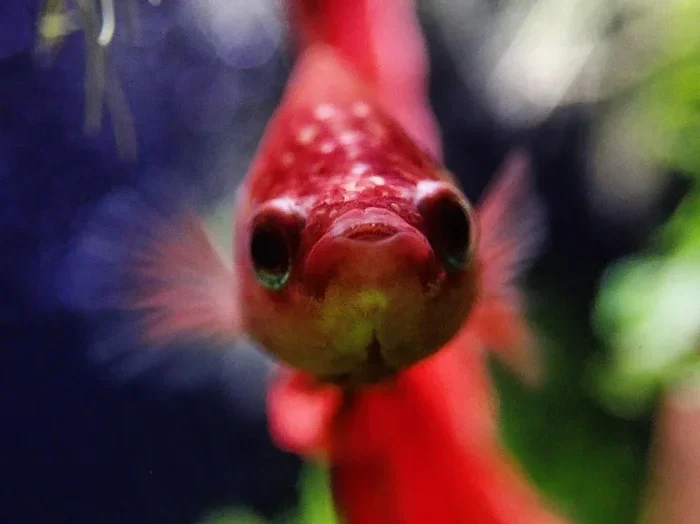
The what breed of betta fish has big eyes question leads us to some fascinating varieties. Big-eyed bettas like the Elephant Ear, Dumbo, and Giant Betta stand out with their stunning, oversized eyes. These breeds share similar care needs but each has unique traits that make them special additions to any aquarium.
If you have ever walked past a pet store aquarium and thought, “Wow, that betta fish has huge eyes,” you are not alone. The what breed of betta fish has big eyes question comes up often among fish keepers. Big-eyed bettas are some of the most eye-catching fish you can find in a home aquarium. Their large, expressive eyes give them a unique look that sets them apart from standard betta fish.
In this guide, we will explore the specific breeds of betta fish known for their big eyes. We will look at what makes their eyes so prominent, how to care for them, and which breeds you should consider adding to your tank. Whether you are a beginner or a seasoned fish keeper, this guide covers everything you need to know.
Key Takeaways
- Big Eye Betta Breeds Exist: Several betta fish breeds naturally have larger eyes, including Elephant Ear and Dumbo varieties.
- Appearance Varies by Breed: Each big-eyed betta type has distinct features that set it apart from standard bettas.
- Care Requirements Are Similar: Most big-eyed bettas need warm water, clean tanks, and proper tank mates.
- Tank Size Matters: Choosing the right tank setup helps big-eyed bettas thrive and display their best features.
- Health Signs to Watch: Big eyes can sometimes signal health issues, so knowing normal vs. abnormal is important.
- Tank Mates Need Careful Selection: Not all fish can live peacefully with big-eyed bettas.
📑 Table of Contents
- Understanding Betta Fish Breeds and Eye Size
- Top Betta Fish Breeds Known for Big Eyes
- What Makes a Betta Fish’s Eyes Look Big
- Caring for Betta Fish with Big Eyes
- Health Issues That Affect Big-Eyed Betta Fish
- How to Choose the Right Big-Eyed Betta for Your Tank
- Common Mistakes People Make with Big-Eyed Bettas
- Final Thoughts on Big-Eyed Betta Fish Breeds
Understanding Betta Fish Breeds and Eye Size
Betta fish come in many shapes, sizes, and colors. But not all bettas have the same eye size. Some breeds naturally develop larger eyes than others. This can be due to genetics, selective breeding, or even the shape of their head.
The big eye betta is not one single breed. Instead, it is a term that describes several betta types that share one standout feature: unusually large eyes. These fish often look more cartoon-like compared to standard bettas, which gives them a special charm.
Selective breeding plays a huge role in creating these unique fish. Breeders choose fish with the biggest, most expressive eyes and pair them together over many generations. The result? Stunning fish that really stand out in a crowd.
Why Eye Size Matters in Betta Fish
Eye size in betta fish is not just about looks. It can also be a sign of health. Bright, clear, and slightly large eyes often mean a fish is healthy and well-cared for. On the other hand, cloudy or swollen eyes can signal illness. So when you are looking at betta fish breeds, pay attention to both the size and the clarity of the eyes.
Big-eyed bettas also tend to have a more rounded head shape. This gives them a cute, almost baby-like appearance that many fish keepers find irresistible. If you love unique-looking fish, these breeds are worth exploring.
Top Betta Fish Breeds Known for Big Eyes
So, what breed of betta fish has big eyes? Let us dive into the most popular breeds that are known for their large, expressive peepers.
Elephant Ear Betta
The Elephant Ear betta is one of the most well-known big-eyed breeds. This fish gets its name from the large, fan-like pectoral fins that resemble elephant ears. But it is the eyes that really catch your attention. They are proportionally large and sit forward on the head, giving the fish a curious, alert look.
Elephant Ear bettas come in many color variations. You can find them in shades of blue, red, purple, and even multicolor patterns. Their big eyes combined with flowing fins make them a real showstopper in any tank.
Dumbo Betta
The Dumbo betta is another breed that fits the big eye betta description perfectly. Named after the famous cartoon elephant, this fish has oversized pectoral fins that look like little wings. But just like the Elephant Ear, the Dumbo betta has notably large eyes that add to its charming appearance.
Dumbo bettas are often more playful in their movements. They tend to explore their tank more actively, and their big eyes help them spot food and tank mates easily. They are a great choice for anyone who wants a betta that looks both unique and lively.
Giant Betta
Giant bettas are not just big-eyed, they are big everything. These fish can grow up to 3 to 4 inches long, which is significantly larger than the average betta. Their eyes are also proportionally larger, which makes them look even more impressive.
Giant bettas need more space than standard bettas. They are active swimmers and appreciate a tank with room to move. If you are considering a giant betta, make sure you have the right setup ready. Check out what kind of tank a betta fish needs to get started on the right foot.
Crowntail and Plakat Bettas with Large Eyes
While not specifically bred for big eyes, some Crowntail and Plakat bettas naturally have larger-than-average eyes. These breeds are known for their long, flowing fins and sleek body shape. When combined with big eyes, they create a striking visual contrast.
Crowntail bettas have spiky, crown-like fins that draw the eye upward, while their big eyes draw attention downward. Plakat bettas have a more streamlined body, which makes their eyes appear even more prominent. Both breeds are popular choices for fish keepers who want a betta with a bold look.
What Makes a Betta Fish’s Eyes Look Big
Not all bettas with big eyes are the same breed. Sometimes, what looks like a “big eye” is actually a combination of factors. Let us look at what gives certain bettas that extra-large eye appearance.
Genetics and Selective Breeding
Genetics is the biggest factor in eye size. Just like how some dogs have bigger eyes than others, betta fish inherit eye size from their parents. Breeders who focus on creating fancy betta fish with specific traits often select for larger eyes over time.
This process takes many generations. A breeder might start with fish that have slightly above-average eyes and continue selecting the biggest-eyed offspring. Over time, this produces a line of fish where big eyes are a consistent trait.
Head Shape and Body Structure
The shape of a betta’s head also affects how big its eyes appear. Fish with rounder, wider heads tend to have eyes that look bigger in proportion. This is why breeds like the Elephant Ear and Dumbo often have such prominent eyes, their head shape naturally makes the eyes stand out.
Body size matters too. A smaller fish with big eyes will look even more exaggerated than a larger fish with the same eye size. This is part of what makes giant bettas so visually interesting.
Color and Pattern Contrast
Believe it or not, color plays a role in how big a betta’s eyes appear. Fish with light-colored eyes or high-contrast patterns around the eyes tend to draw more attention to them. A white or silver betta with dark, large eyes will look like it has even bigger peepers than a dark-colored fish with the same eye size.
Caring for Betta Fish with Big Eyes
Big-eyed bettas are beautiful, but they do need special attention. Their large eyes can sometimes make them more sensitive to their environment. Here is how you can keep your big-eyed betta happy and healthy.
Water Quality and Parameters
Clean water is essential for all betta fish, but it is especially important for big-eyed breeds. Their large eyes can be more sensitive to poor water conditions. Always keep the water temperature between 76 and 82 degrees Fahrenheit. Use a gentle filter to avoid strong currents that can stress your fish.
Regular water changes are a must. Aim for a 25 percent water change every week. This helps remove toxins and keeps the water fresh. For more tips on the best water setup, check out this guide on what type of water for a betta fish.
Tank Setup for Big-Eyed Bettas
Big-eyed bettas do best in tanks that are at least 5 gallons. A larger tank gives them room to swim and explore, which keeps them healthy and active. Avoid sharp decorations that could injure their big eyes. Soft plants and smooth rocks are the best choices.
Lighting should be moderate. Too much bright light can cause stress, especially for fish with large, sensitive eyes. A gentle LED light that mimics natural daylight works well for most big-eyed betta breeds.
Feeding Tips for Big-Eyed Bettas
Big-eyed bettas are visual feeders. They rely on their large eyes to spot food in the tank. This means they often have an easier time finding pellets and flakes than fish that rely more on smell. However, you should still offer a varied diet to keep them healthy.
Feed your betta 2 to 3 small meals per day. Include a mix of high-quality pellets, frozen bloodworms, and occasional live food. Avoid overfeeding, as this can lead to health problems that affect the eyes and overall body condition.
Tank Mates for Big-Eyed Bettas
Choosing the right tank mates is important for any betta, but it is especially important for big-eyed varieties. Their large eyes make them more vulnerable to harassment from aggressive fish. Stick to peaceful species that will not nip at their fins or bother their eyes.
Good tank mates include small, non-aggressive fish like corydoras, neon tetras, and snails. For a full list of compatible fish, visit what types of fish can live with a male betta. Avoid fish that are too flashy or fin-nippy, as they can cause stress and even eye injuries.
Health Issues That Affect Big-Eyed Betta Fish
Big-eyed bettas are generally healthy fish, but their prominent eyes can make them more susceptible to certain issues. Knowing what to watch for can help you catch problems early.
Eye Infections and Cloudy Eye
Cloudy eye is one of the most common health issues in betta fish. It causes the eyes to look milky or hazy. This can be caused by poor water quality, bacterial infections, or physical injury. Big-eyed bettas may be more prone to this because their larger eyes are more exposed.
If you notice cloudy eyes, test your water parameters immediately. Do a partial water change and consider using a water conditioner. If the cloudiness does not clear up within a few days, you may need to treat the fish with aquarium-safe medication.
Eye Injuries from Tank Decorations
Because big-eyed bettas have eyes that protrude more than usual, they are at a higher risk of eye injuries. Sharp tank decorations, rough gravel, or even aggressive tank mates can cause damage. Always choose smooth, rounded decorations and soft substrate for your betta tank.
If your betta gets an eye injury, separate it from other fish and monitor the wound closely. Most minor eye injuries heal on their own with clean water and proper care. For more information on betta health and lifespan, read about the betta fish lifespan and what factors influence it.
Pop Eye Condition
Pop eye is a condition where one or both eyes bulge outward more than normal. While some betta breeds naturally have slightly bulging eyes, pop eye is a sign of infection or fluid buildup. It requires immediate attention and often aquarium salt treatment or medication.
Prevention is the best approach. Keep water parameters stable, avoid sudden temperature changes, and feed a balanced diet. A healthy big-eyed betta should have clear, bright eyes that are proportionally sized for its breed.
How to Choose the Right Big-Eyed Betta for Your Tank
Choosing a big-eyed betta is exciting, but it helps to know what to look for. Not every fish labeled as a big-eyed breed will actually have the traits you want. Here is how to make the best choice.
What to Look For When Buying
When shopping for a big-eyed betta, look for fish with clear, bright eyes. The eyes should be proportionally large but not swollen. Avoid fish with cloudy, discolored, or receding eyes, as these can be signs of illness or poor care.
Check the fish’s body condition as well. A healthy big-eyed betta should have a sleek, streamlined body with vibrant colors. The fins should be intact and free from tears or fraying. Active movement is another good sign that the fish is in good health.
Best Places to Find Big-Eyed Betta Fish
Specialty fish stores are your best bet for finding rare big-eyed breeds. Online breeders also offer a wider selection, including hard-to-find varieties like the Giant Betta or premium Dumbo breeds. Always buy from reputable sources to ensure you are getting a healthy fish.
When buying online, read reviews and ask the seller about the fish’s care history. A good breeder will be happy to share details about the fish’s parents, tank conditions, and feeding routine.
Common Mistakes People Make with Big-Eyed Bettas
Even experienced fish keepers can make mistakes when caring for big-eyed bettas. Here are the most common ones to avoid.
- Overcrowding the tank: Big-eyed bettas need space. Too many fish or decorations can stress them and increase the risk of eye injuries.
- Using harsh lighting: Bright lights can cause stress and make big eyes even more sensitive. Stick with gentle, moderate lighting.
- Ignoring water changes: Poor water quality is the number one cause of eye problems in bettas. Stay consistent with your maintenance schedule.
- Choosing aggressive tank mates: Fin-nipping or aggressive fish can injure the delicate eyes of big-eyed bettas. Always choose peaceful companions.
- Overfeeding: Excess food fouls the water quickly, which affects eye health. Feed small amounts 2 to 3 times a day.
Final Thoughts on Big-Eyed Betta Fish Breeds
The what breed of betta fish has big eyes question opens up a world of fascinating possibilities. From the Elephant Ear to the Dumbo and Giant betta, these breeds bring something truly special to the aquarium hobby. Their big, expressive eyes make them stand out, and their care needs are manageable for most fish keepers.
If you are ready to add a big-eyed betta to your collection, start with a healthy fish from a reputable source. Set up the right tank with clean water, gentle lighting, and peaceful tank mates. With proper care, your big-eyed betta will reward you with years of beauty and enjoyment.
Remember, every betta fish is unique. Even within the same breed, individual fish can have different eye sizes, colors, and personalities. Take your time, observe your fish, and enjoy the journey of keeping these stunning creatures. For more betta care tips and breed guides, explore our other articles on betta fish types and care.
Frequently Asked Questions
What is the most common breed of betta fish with big eyes?
The Elephant Ear betta and Dumbo betta are the most common breeds known for their big eyes. Both breeds have been selectively bred for larger, more expressive eyes combined with oversized pectoral fins. Their unique appearance makes them favorites among betta enthusiasts.
Are big-eyed betta fish more prone to health problems?
Big-eyed bettas can be slightly more prone to eye-related issues like cloudy eye or pop eye because their eyes are more exposed. However, with proper care, clean water, and a safe tank setup, they are just as healthy as standard bettas. Regular water changes and gentle tank decorations go a long way in preventing eye problems.
Can big-eyed betta fish live with other fish?
Yes, big-eyed bettas can live with peaceful tank mates like corydoras, neon tetras, and snails. However, you should avoid aggressive or fin-nipping fish that could injure their large, sensitive eyes. Always research compatibility before adding new fish to your betta tank.
How big do giant betta fish get compared to regular bettas?
Giant bettas can grow up to 3 to 4 inches long, which is significantly larger than the average betta that reaches about 2 to 3 inches. Their larger body size also means proportionally bigger eyes. They need a larger tank and more space to swim comfortably.
Do big-eyed betta fish need special lighting?
Big-eyed bettas do best with moderate, gentle lighting. Their large eyes are more sensitive to bright light, so harsh lighting can cause stress. A soft LED light that mimics natural daylight is ideal. Avoid placing the tank in direct sunlight, as this can cause temperature spikes and algae growth.
Is it easy to breed big-eyed betta fish at home?
Breeding big-eyed bettas is possible but requires patience and experience. You need to select fish with the desired eye size and body traits, maintain pristine water conditions, and provide a proper breeding setup. For beginners, it is best to start with standard betta breeding before attempting to breed specialty big-eyed varieties.
=== CONCLUSION ===
The what breed of betta fish has big eyes topic reveals a wonderful world of unique and beautiful fish. Whether you choose an Elephant Ear, Dumbo, Giant, or any other big-eyed variety, you are adding a stunning centerpiece to your aquarium. These fish are not just visually striking, they also have personalities that make them a joy to watch and care for.
Remember to focus on water quality, tank setup, and proper feeding to keep your big-eyed betta healthy and happy. With the right care, your betta will thrive and bring you years of enjoyment. Start your big-eyed betta journey today, and you will quickly see why these fish have captured the hearts of aquarists around the world.