Where to Find Betta Fish in the Wild
Betta fish, the vibrant jewels of the aquarium trade, are native to the shallow, warm waters of Southeast Asia. In the wild, they inhabit rice paddies, slow-moving streams, and peat swamps in countries like Thailand, Cambodia, and Vietnam. These fish are masters of survival, breathing air thanks to a unique labyrinth organ and building bubble nests. Their populations face serious threats from habitat destruction and pollution, making responsible observation and conservation crucial. Understanding their natural behaviors and ecosystems helps us appreciate these complex creatures beyond the glass tank.
Key Takeaways
- Native Range: Wild bettas are found exclusively in the tropical freshwater ecosystems of Southeast Asia, primarily in Thailand, Cambodia, Vietnam, Laos, and parts of Malaysia and Indonesia.
- Preferred Habitat: They thrive in shallow, slow-moving or stagnant waters with dense vegetation, such as rice paddies, ditches, peat swamps, and the margins of forest streams.
- Remarkable Adaptations: Wild bettas possess a labyrinth organ for breathing atmospheric air and are paternal bubble nesters, with males building and guarding floating nests.
- Significant Threats: Their wild populations are threatened by habitat loss (drainage, deforestation), agricultural pollution (pesticides, fertilizers), and the illegal pet trade.
- Legal Protection: Many wild betta species are protected; collecting them from the wild without permits is often illegal and ecologically harmful.
- Observation Ethics: If seeking them in the wild, observe from a distance without disturbing the habitat, never collect live specimens, and support local conservation efforts.
- Conservation Connection: Appreciating bettas in their natural setting fosters support for protecting their fragile ecosystems, which benefit countless other species.
📑 Table of Contents
Introduction: Beyond the Glass Box
When you picture a betta fish, you likely imagine a solitary, flamboyant creature floating elegantly in a small, ornate tank on a desk. Their brilliant blues, fiery reds, and flowing fins have made them iconic in the aquarium world. But this image is a world away from the reality of where to find betta fish in the wild. The betta, specifically the species Betta splendens (the “Siamese fighting fish”), is not a creature of glass and gravel. It is a native son of the steaming, verdant tropics, a hardy survivor forged in some of the most challenging freshwater environments on Earth. To truly understand these fascinating fish, we must journey to the muddy ditches, flooded rice fields, and shadowy peat swamps of Southeast Asia, where their wild story began.
This article is your field guide to the natural world of the betta. We will map their geographic range, dive into the specifics of their habitats, and uncover the incredible biological adaptations that allow them to thrive where many fish would perish. Most importantly, we will discuss the sobering conservation challenges they face and how, as admirers, we can ethically connect with their wild legacy. Forget everything you know about bettas in captivity; it’s time to explore the untamed waters that shaped them.
The Native Range: A Southeast Asian Story
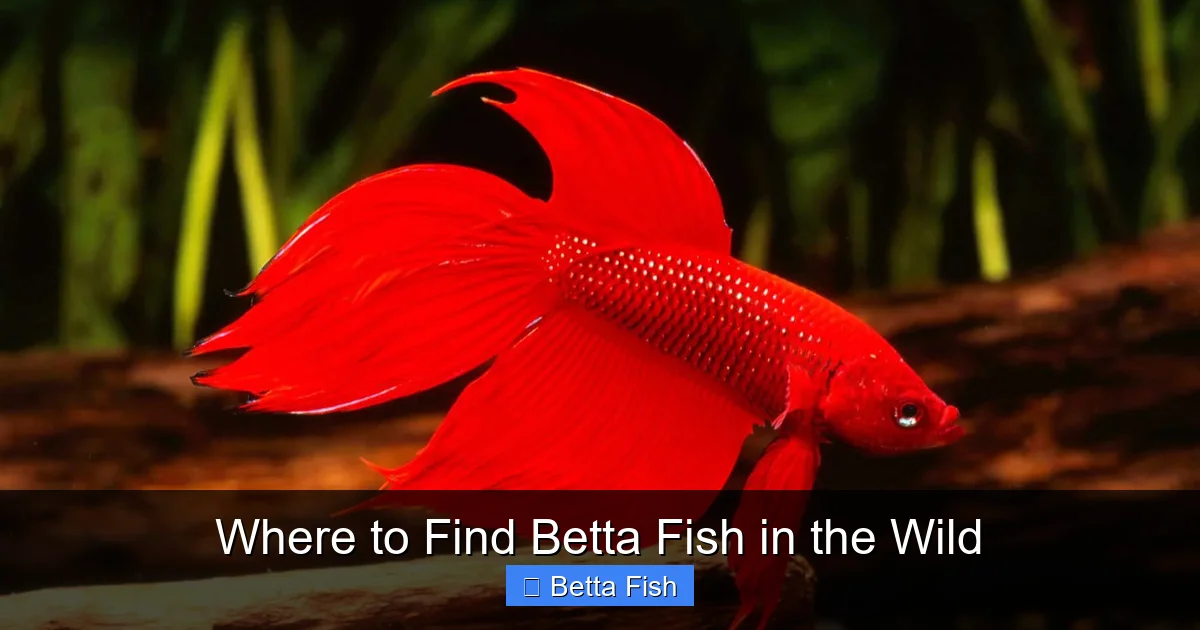
The answer to where to find betta fish in the wild begins with a map of Southeast Asia. The historical and native range of the wild Betta splendens is surprisingly concentrated, centered around the Chao Phraya and Mekong River basins. This isn’t a fish found across the vast continent; it is a specialist of a specific tropical belt.
Visual guide about Where to Find Betta Fish in the Wild
Image source: fishlaboratory.com
Core Countries: The Heart of Betta Territory
The undisputed epicenter is Thailand. Here, in the central plains around Bangkok and the lowlands of the Chao Phraya River, wild bettas are most abundant. The famous “wild type” bettas often available to dedicated hobbyists trace their origins to Thai provinces like Chachoengsao, Chonburi, and Rayong. Moving east, they are native to parts of Cambodia, particularly in the Mekong River floodplains and associated waterways. Their range extends into the southern reaches of Vietnam, notably in the Mekong Delta region. Smaller, isolated populations or related Betta species are also found in Laos and the extreme southern tip of Myanmar.
A Note on Related Species
It’s crucial to distinguish the common betta (Betta splendens) from the wider Betta genus. Over 70 species of wild bettas exist, many with tiny, hyper-localized ranges in Malaysia, Indonesia, and Sumatra. When we discuss “where to find betta fish in the wild” in the general sense, we’re most often referring to the habitat of B. splendens. However, the ecological principles for other species are similar: shallow, warm, vegetated, often acidic waters. The confusion sometimes arises because pet stores label many colorful hybrids simply as “betta fish,” but their wild ancestors are from the core Thai-Cambodian-Vietnamese region.
Habitat Deep Dive: The Perfect Storm of Conditions
You won’t find wild bettas in rushing rivers or deep, clear lakes. Their preferred environments are a very specific cocktail of physical and chemical conditions. Understanding this habitat is key to knowing where to find betta fish in the wild. They are creatures of the floodplain and the marginal zone.
Visual guide about Where to Find Betta Fish in the Wild
Image source: buildyouraquarium.com
Water Body Types: The Classic Trifecta
Three habitat types are synonymous with wild bettas:
- Rice Paddies and Irrigation Canals: This is the iconic image. During the rainy season, flooded rice fields become vast, shallow networks of still or slow-moving water. The water is warm, often tinted brown by silt, and choked with aquatic plants and algae. These man-made wetlands have, ironically, become a significant habitat for bettas, though modern agricultural practices now threaten them.
- Peat Swamp Forests: This is the primeval, acidic habitat. In forested areas, rainwater collects in depressions filled with decaying plant matter (peat). The water is darkly stained “tea-colored” (like a strong black tea) from tannins, very soft, low in minerals, and can be surprisingly cool under the canopy. The pH can be as low as 4.0-5.0. These swamps are biodiversity hotspots and the evolutionary cradle for many wild betta populations.
- Slow-Moving Stream and River Margins: Bettas avoid strong currents. They will be found in the still backwaters, oxbow lakes, and muddy edges of lowland rivers where the flow is negligible and dense emergent vegetation (like reeds and water hyacinth) provides cover.
The Non-Negotiables: Water Parameters
Every successful betta habitat shares these traits:
- Temperature: Consistently warm, typically between 24°C to 30°C (75°F to 86°F). They are tropical fish through and through.
- Depth: Shallow. Often less than 30 cm (12 inches) deep. This allows them to easily reach the surface to gulp air with their labyrinth organ.
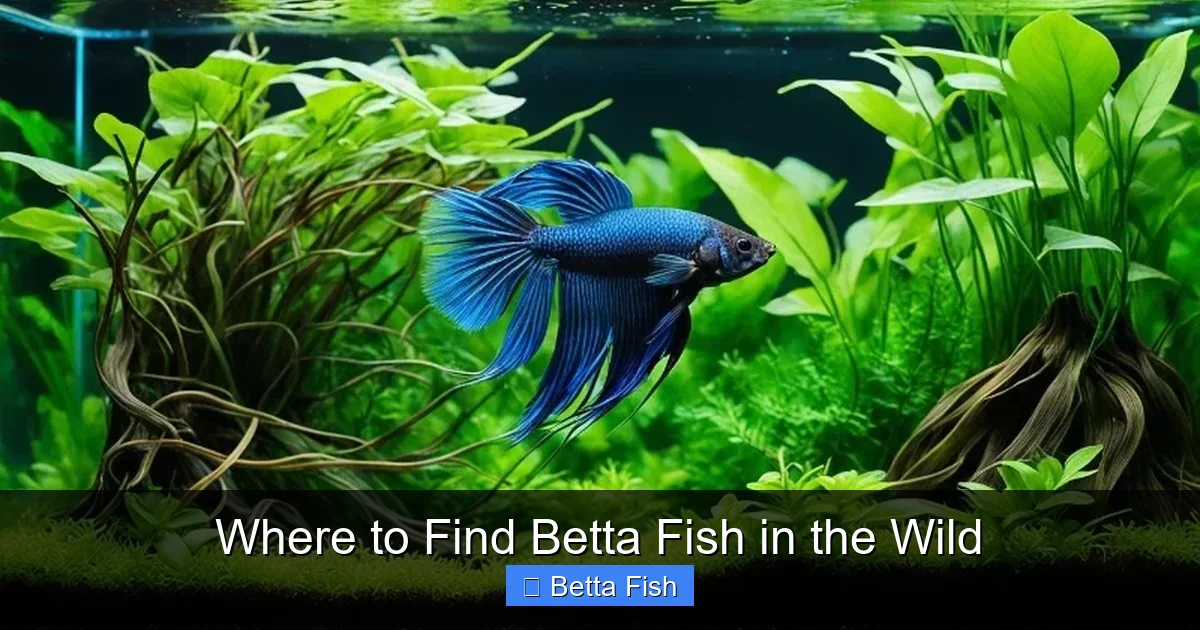
- Vegetation: Dense, both submerged and floating. Plants like Cryptocoryne, Vallisneria, water lettuce, and duckweed provide critical hiding spots from predators, surfaces for building bubble nests, and sources of insect prey.
- Water Quality: Often poor by aquarium standards. They tolerate high levels of organic decay, low dissolved oxygen (hence their air-breathing ability), and soft, acidic water. This tolerance is an adaptation, not a preference for pollution.
Behavior and Adaptations: Surviving the Wild
Knowing where to find betta fish in the wild is only half the story. The other half is understanding *why* they are there and how they survive. Their behavior and physiology are a masterclass in adaptation to their niche.
Visual guide about Where to Find Betta Fish in the Wild
Image source: qwikbetta.com
The Labyrinth Organ: A Breath of Fresh Air
The single most important adaptation for wild bettas is the labyrinth organ. This specialized structure, derived from the first gill arch, allows them to breathe atmospheric air directly. In their stagnant, often oxygen-poor habitats, this is a life-saving trait. You will frequently see a wild betta rise to the surface, take a quick gulp of air, and dart back down. This ability means they can survive in conditions that would suffocate most other fish, and it’s why you sometimes see them in tiny puddles during the dry season.
The Bubble Nest: A Father’s Duty
Male bettas are paternal bubble-nesters. When ready to spawn, the male selects a sheltered spot under an overhanging leaf or among dense plants. He gulps air and blows a cluster of mucus-coated bubbles that float on the surface. This nest is his construction project and nursery. After a courtship dance and egg release, the male carefully places the fertilized eggs into the bubbles, fiercely guards the nest from predators (even the female, who is chased away), and tends to it, repairing it, and retrieving any falling eggs. This behavior is intrinsically linked to their surface-dwelling, still-water habitat.
Territoriality and Diet
Males are highly territorial over their small patch of prime real estate—a good nest site with cover and food. Fights are usually displays (flaring gills, fin spreading) rather than to the death, as in cramped aquarium fights. In the vast wild, they have space to avoid each other. Their diet is carnivorous: insects that fall on the water’s surface, mosquito larvae, tiny crustaceans, and zooplankton. They are ambush predators, using their excellent vision to spot prey against the bright sky.
Threats and Conservation: A Fragile Future
The same adaptations that allow bettas to survive harsh natural conditions make them surprisingly vulnerable to human-induced changes. The answer to where to find betta fish in the wild is increasingly becoming “nowhere” in many historically populated areas.
Habitat Loss and Degradation
The primary threat is the destruction of their habitat.
- Agricultural Intensification: Traditional, small-scale rice farming with its seasonal flooding created ideal betta habitat. Modern, high-yield rice farming often involves permanent deep flooding, heavy pesticide/fertilizer use, and drainage of marginal lands, destroying the shallow, weedy edges bettas need.
- Palm Oil and Plantations: In parts of Southeast Asia, vast peat swamp forests—prime betta habitat—are being drained and burned for oil palm and pulpwood plantations. This is catastrophic, eliminating entire ecosystems.
- Urbanization and Pollution: As cities expand, wetlands are filled in. Runoff carries chemicals, trash, and sediment into waterways, degrading water quality far beyond what even hardy bettas can tolerate.
The Pet Trade and Wild Collection
While most bettas in the global trade are captive-bred (a multi-million dollar industry in Thailand), there is a niche market for “wild” bettas, prized for their natural, often less-flashy colors and hardiness. Unregulated collection can deplete local populations, especially for rare color morphs. Furthermore, the release of unwanted pet bettas into non-native environments (like in parts of the USA or Australia) poses a threat to local aquatic ecosystems through competition and disease transmission, though they rarely establish large populations in temperate climates.
Conservation Status and Efforts
Betta splendens is currently listed as “Vulnerable” on the IUCN Red List of Threatened Species, a shocking assessment for a fish so common in pet stores. This designation reflects its declining wild populations. Conservation is often localized. In Thailand, there are projects promoting “betta-friendly” rice farming that maintains field margins. Ecotourism initiatives teach visitors how to spot bettas responsibly, providing an economic incentive for locals to protect wetlands. Protecting peat swamps is a massive, multinational challenge tied to climate change (peat stores vast amounts of carbon).
How to (Responsibly) Find Them in the Wild
For the dedicated aquarist or naturalist, the allure of seeing a betta in its natural element is powerful. If you are in Southeast Asia and wish to attempt this, it must be done with the utmost respect and legality. Here is your ethical guide.
When and Where to Look
The best time is during the rainy season (roughly May to October), when habitats are fully flooded and bettas are actively breeding and displaying. Look in the early morning or late afternoon when they are most likely to be at the surface.
- Thailand: Focus on the central plains outside Bangkok. The provinces of Samut Prakan, Chachoengsao, and areas around the Bang Pakong River are famous. Look in the ditches and slow edges of canals bordering rice fields. **Do not trespass on private farmland.** Public roads and bridges often offer views into these systems.
- Cambodia: The floodplains around Tonle Sap Lake and the Mekong River near Phnom Penh have suitable habitats. Hiring a local, knowledgeable guide is highly recommended.
- Vietnam: The Mekong Delta, with its intricate canal systems, holds potential. Again, a guided tour is the best approach.
The Ethical Observer’s Checklist
Your goal is to observe, not disturb. Follow these rules strictly:
- Never collect. It is often illegal without special permits. You are removing individuals from fragile populations and disrupting the ecosystem.
- Do not alter the habitat. Do not move plants, rocks, or debris. Do not use nets or rods that could harm fish or other wildlife.
- Minimize disturbance. Move slowly and quietly along the bank. Avoid casting shadows on the water. Use binoculars for a better view without approaching.
- Respect private property. Observe only from public rights-of-way. Never enter a rice paddy or private pond without explicit permission.
- Leave no trace. Pack out all trash. Do not introduce any foreign substances (like sunscreen) into the water.
- Support local conservation. If you take a guided tour, choose one operated by a reputable company or conservation NGO that gives back to the community and habitat protection.
What You’ll Actually See
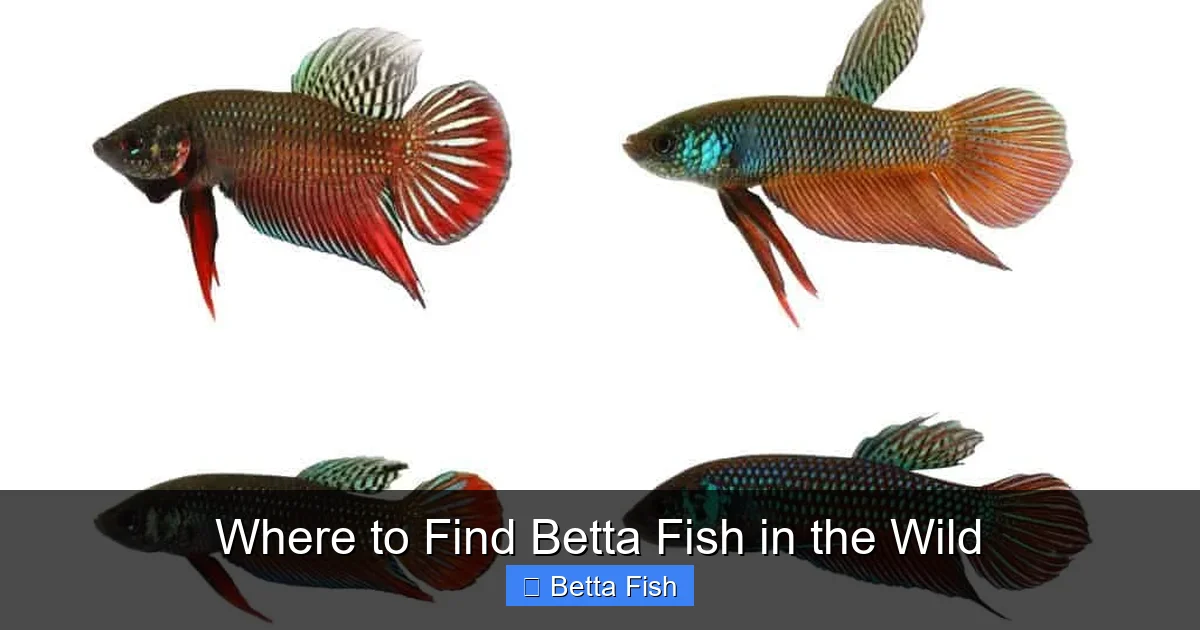
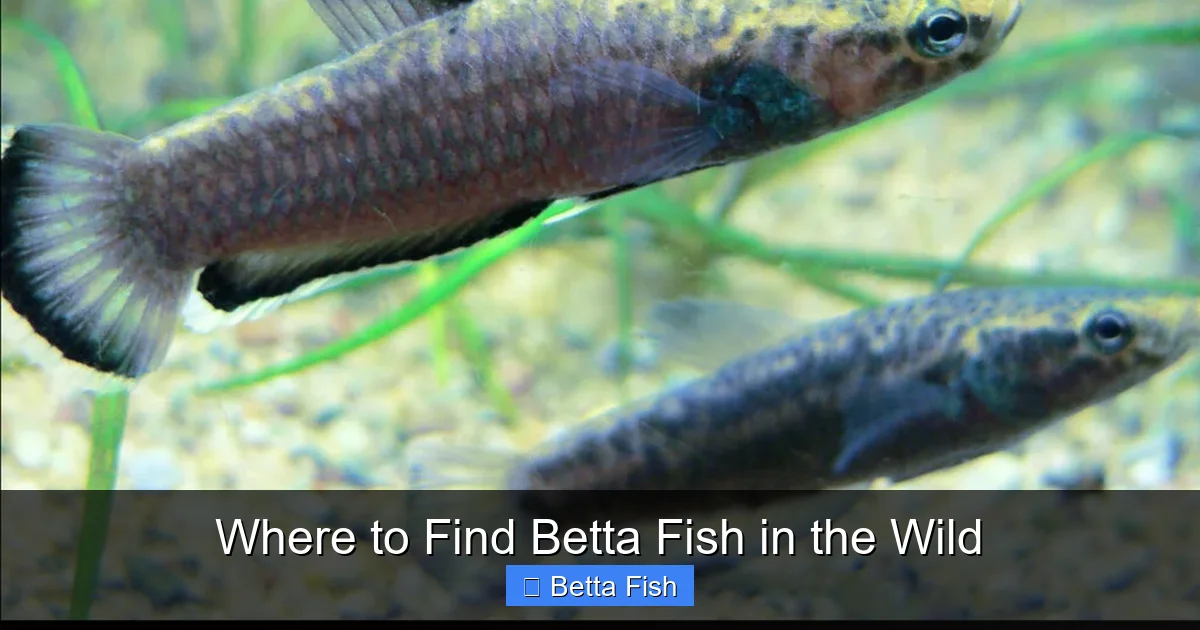
Manage your expectations. A wild male Betta splendens is not the long-finned, neon-blue creature from the pet store. It will be shorter-finned, with a more robust, torpedo-shaped body. Colors are typically more subdued: muted reds, browns, blues, and greens, often with subtle iridescent scales. They may look like a common, wild-type fish until you see the characteristic flaring or the male tending a tiny bubble nest under a leaf. Females are even plainer, with much shorter fins. The thrill is in the context—seeing this iconic animal in the exact environment that shaped its entire biology.
Conclusion: A Call to Wild Appreciation
The question of where to find betta fish in the wild leads us to a deeper understanding of a creature far more complex and resilient than its captive image suggests. The shallow, warm, vegetated waters of Southeast Asia are not just a location on a map; they are the crucible that forged the betta’s legendary air-breathing ability, its paternal instincts, and its territorial spirit. These habitats are beautiful, biodiverse, and incredibly fragile.
As global citizens and betta enthusiasts, our role has shifted. We can appreciate the wild betta not by seeking to own one, but by championing the preservation of its home. This means supporting sustainable agriculture that protects wetlands, donating to organizations fighting peatland destruction, and being vocal about the “Vulnerable” status of a fish many assume is infinite. The next time you see a betta in your aquarium, let it be a window into those murky, magical swamps and paddies. Let it remind you of the wild heart that still beats, even in the most domesticated of fish, and inspire you to protect the wild places that all creatures call home.
Frequently Asked Questions
Are wild betta fish the same as the ones sold in pet stores?
No. Pet store bettas are almost exclusively captive-bred hybrids of Betta splendens, selectively bred for extreme colors and fin types over generations. Wild bettas have shorter fins, more subdued natural coloration (though still beautiful), and are hardier due to their natural environment.
Is it legal to catch and keep a wild betta fish?
In most of their native range, collecting wild bettas without specific permits is illegal. They are protected as a vulnerable species. Even where legal, it is ecologically irresponsible and can harm local populations. Always appreciate them in the wild without removing them.
What is the best time of year to spot wild bettas in their natural habitat?
The rainy season (typically May to October) is ideal. During this time, rice paddies and swamps are fully flooded, providing maximum habitat. Bettas are also more active and visible, engaging in breeding behaviors like nest-building and courtship displays.
Do wild male betta fish fight each other as aggressively as pet store bettas?
They are still territorial, but wild fights are usually brief displays of flaring and chasing rather than the prolonged, injurious battles often forced in tiny store cups. In the vast wild, they have space to avoid each other, and fights are typically over nest sites or mates, not arbitrary confinement.
What are the biggest dangers facing wild betta populations right now?
The top threats are habitat destruction from intensive rice farming, palm oil plantations (draining peat swamps), and urban pollution. Pesticide runoff from agriculture is particularly devastating, as it poisons their food sources and directly harms the fish.
How can someone who doesn’t travel to Southeast Asia help protect wild bettas?
You can support conservation organizations focused on Southeast Asian wetland preservation. Be an informed consumer—research companies linked to deforestation for palm oil. Most importantly, spread awareness about the “Vulnerable” IUCN status of the wild betta, challenging the misconception that they are an unlimited resource.