Where to Find Betta Fish
Finding the perfect betta fish means knowing where to look. Your main options are local pet stores, big-box retailers, dedicated online breeders, and specialty aquarium shops. Each source has significant differences in fish health, price, and ethical considerations. Prioritize reputable breeders and specialty stores that prioritize fish welfare over convenience or rock-bottom prices to set your new pet up for a long, healthy life.
So, you’ve decided to bring a betta fish into your life. You’ve read about their fascinating personalities, their stunning flowing fins, and their relatively straightforward care needs. You’ve set up (or are planning) the perfect aquarium with a heater, a gentle filter, and plenty of hiding spots. There’s just one crucial step left: where to find betta fish. This seemingly simple question has a profound impact on the health, temperament, and lifespan of your new aquatic companion. The journey to find a betta is more than a purchase; it’s your first act of responsible pet ownership.
The world of betta sourcing is vast and varied, from the brightly lit aisles of a major pet store chain to the dedicated websites of small-scale breeders across the country. The path you choose will determine if you bring home a vibrant, curious fish that thrives for years, or a stressed, potentially sickly animal from a mass-breeding operation. This guide will navigate you through every option, stripping away the marketing and giving you the unvarnished truth about where to find betta fish. We’ll explore the pros and cons, the red flags to avoid, and the questions you must ask to ensure your new betta has the best possible start in your care.
Key Takeaways
- Local & Big-Box Stores are convenient but risky: Fish often come from large breeding farms with poor conditions, leading to higher rates of disease and stress. Inspect tanks meticulously before buying.
- Specialty Aquarium Shops are the gold standard locally: They source from quality breeders, have knowledgeable staff, and maintain better tank conditions, offering healthier, hardier bettas.
- Reputable Online Breeders offer the best selection and health: You can find specific colors, fin types, and healthy genetics. Shipping is stressful but done correctly by experts, and fish arrive in excellent condition.
- Betta Fish Rescue is a compassionate option: Rescuing a betta from a shelter or rehoming site gives a fish a second chance. It requires patience for potential health or behavioral recovery.
- Never buy a betta in a cup or tiny vase: These are signs of neglectful retail practices. A healthy betta should be housed in a filtered, heated tank of at least 2.5 gallons at the point of sale.
- Always quarantine a new betta: Regardless of source, a 2-4 week quarantine tank is non-negotiable to prevent introducing disease to your established aquarium and to observe the new fish’s health.
- Ask questions and trust your gut: A good seller will happily answer questions about the fish’s age, origin, and health history. Evasive answers or dirty tanks are major red flags.
📑 Table of Contents
- The Local Landscape: Pet Stores and Big-Box Retailers
- The Online Frontier: Breeding, Shipping, and Selection
- The Specialty Aquarium Shop: The Ideal Middle Ground
- Betta Fish Rescue: A Second Chance at Life
- The Ultimate Checklist: What to Look For, No Matter Where You Find Betta Fish
- Bringing Your Betta Home: The Critical First Steps
The Local Landscape: Pet Stores and Big-Box Retailers
For many first-time betta owners, the most obvious place to look is the local pet store. This category broadly includes two types: the independent, often family-owned pet shop and the large, national “big-box” retailers like PetSmart, Petco, or large chain stores. While they both fall under “local,” the experience and quality can differ dramatically.
The Independent Local Pet Shop
A truly good, independent local pet shop can be a treasure. These stores often have a passionate owner who is a serious aquarist themselves. Their fish inventory is usually smaller, meaning better oversight. They might source from local breeders or smaller regional distributors who prioritize quality over quantity.
What to look for: Clean, well-maintained tanks with no dead fish or excessive algae. Tanks should have filtration and, ideally, heating for the bettas (though many stores keep them at room temperature, which is a point of concern). The staff should be able to answer specific questions about the bettas’ care. The bettas themselves should be active, alert, and housed individually in containers that provide at least a gallon of clean water—not tiny, dirty cups.
The reality: These gems are becoming rarer. Many local shops still rely on the same wholesale distributors that supply the big boxes, meaning the fish may have the same mass-breeding farm origins. However, the shop’s care *after* arrival makes a huge difference. A healthy fish brought into a clean, well-managed store has a much better chance than one neglected in a cup for weeks.
The Big-Box Pet Store: Convenience vs. Consequence
This is the most common source for new betta owners. The appeal is undeniable: you’re already buying food and supplies, so why not pick up a fish? They are cheap, often priced between $3 and $10. However, this low price tag comes with a hidden cost, typically paid by the fish.
Bettas in these stores almost universally come from large-scale commercial breeding farms, primarily in Thailand. These operations prioritize high-volume production of vibrant colors and long fins. Fish are bred, packaged in tiny bags with just enough water to keep them alive, and shipped globally. The journey is incredibly stressful. Upon arrival at the distribution center and then the retail store, bettas are often placed in small, unheated plastic cups or bowls. They may sit for days or weeks in these conditions, with sporadic water changes. This leads to:
- High Stress & Weakened Immune Systems: Chronic stress from poor conditions makes them susceptible to diseases like fin rot, ich, and velvet.
- Injury: Long, flowing fins are easily torn on cup edges or by aggressive tankmates in the holding system.
- Poor Genetics: Overemphasis on extreme fin types (like the giant “king” bettas or extremely long halfmoons) can come with inherent health problems like spinal deformities or shortened lifespans.
If you must buy from a big-box store: It is an absolute must to be a meticulous inspector. Do not just point at a colorful one. Choose a store known for better animal care. Look for a betta in a clean cup with clear water (not cloudy or full of debris). The fish should be upright, with fully extended fins (a clamped, hiding betta is stressed or sick), and be alert to your presence. Its body should be intact, without white spots (ich), fuzzy growths (fungus), or ripped, blackened fin edges (fin rot). Ask the staff when the fish arrived and if they know its age. Be prepared for a potential quarantine and treatment period.
The Online Frontier: Breeding, Shipping, and Selection
The internet has revolutionized the betta world, connecting buyers directly with dedicated breeders across the country and globe. This is where you find the highest quality, healthiest, and most ethically sourced bettas, but it requires more research and patience.

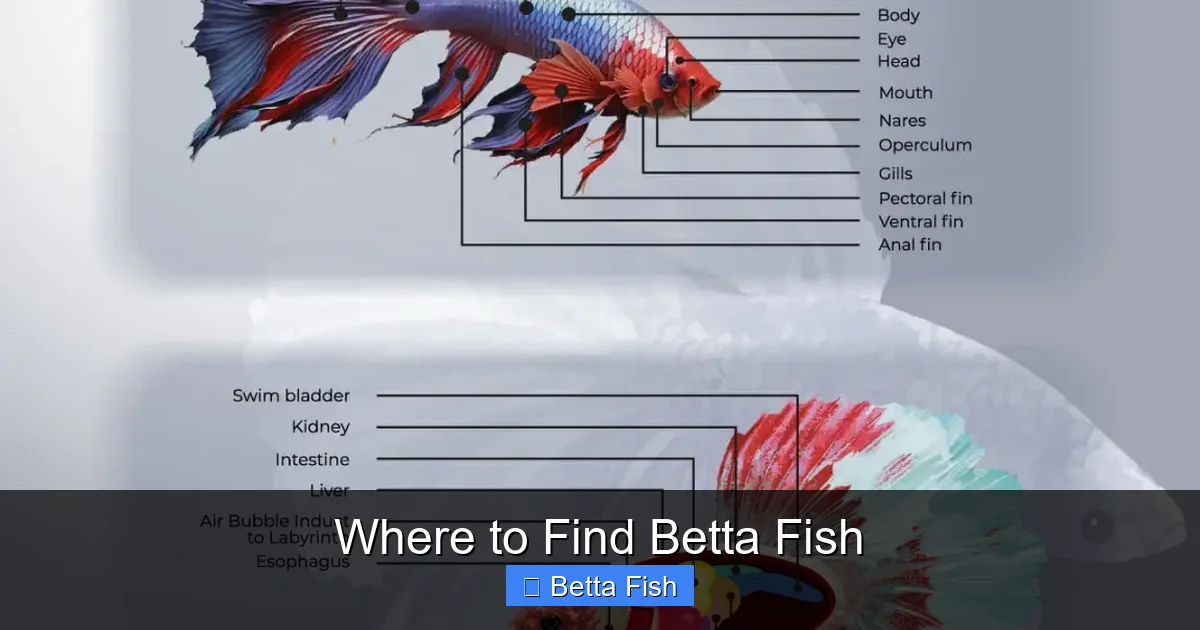
Visual guide about Where to Find Betta Fish
Image source: aquariadise.com
Why Buy From an Online Breeder?
Reputable online breeders are hobbyists first, business people second. They keep their breeding stock in pristine, heated, filtered conditions—often in individual 2.5+ gallon tanks. They breed for health, vigor, and conformation to breed standards, not just the most extreme fins. They carefully select and pair their breeders, resulting in stronger genetics. You are buying a fish that has lived its entire life in excellent care up to the point of shipment.
The selection is unparalleled. Want a specific color pattern like a “Mustard Gas” or a “Koi”? A particular fin type like a perfect halfmoon plakat or a delicate delta? You can find breeders who specialize in these. You can also often get detailed information about the fish’s lineage, age, and personality.
The Shipping Process: Demystified
The idea of shipping a live animal can be terrifying. However, professional betta breeders have perfected the process. Bettas are labyrinth fish, meaning they breathe atmospheric air. They can survive in very small amounts of water for extended periods, as long as the water is clean and oxygenated.
On shipping day, the breeder will fast the betta for 24-48 hours to keep the water clean. The fish is gently placed in a small, clean bag with just enough water to cover it, which is then filled with pure oxygen and sealed. This bag is placed inside a second bag for leakage protection, then into an insulated shipping box with heat or cold packs depending on the weather. The goal is a 1-2 day transit. Reputable breeders only ship on Mondays or Tuesdays to avoid the fish sitting in a warehouse over the weekend. They have a 100% live arrival guarantee and will work with you if an issue arises.
How to Find a Reputable Online Breeder
This is the most critical part. A “breeder” online could be anyone from a world-class expert to someone just breeding their pet for a few extra dollars. Here’s your vetting checklist:
- Website & Presentation: Look for a professional website with clear information about their breeding philosophy, photos/videos of their fish in their *home tanks* (not just studio shots), and details on their husbandry practices (water changes, feeding, tank size).
- Health Guarantees: They should offer a live arrival guarantee and a health guarantee for a set period (e.g., 7-14 days). Read the terms.
- Transparency: They should be willing to answer questions. Ask about their quarantine process for new stock, what they feed, and common health issues they see. Their answers should be detailed and honest.
- Community Reputation: Search for the breeder’s name on forums like Fishlore, Bettas4Ever, or Reddit’s r/bettafish. See what other experienced keepers say. Are there consistent complaints about sick fish or poor communication?
- No “Wholesale” or “Lot” Sales: True breeders sell individual, named fish. If they are selling “lots” of random fish cheaply, they are likely a reseller or a low-quality breeder.
- Price Point: Quality costs money. Expect to pay anywhere from $40 to $150+ for a high-quality betta from a top breeder. A $15 shipped betta is almost certainly from a low-ethics operation.
The Specialty Aquarium Shop: The Ideal Middle Ground
If you want the hands-on experience of seeing and choosing a fish in person but with the quality and ethics of an online breeder, seek out a dedicated, high-end aquarium shop. These are not the pet store chains. These are stores where the owner’s life revolves around fishkeeping.

Visual guide about Where to Find Betta Fish
Image source: aquariadise.com
These shops often have direct relationships with a handful of trusted, high-quality breeders—sometimes local, sometimes across the country. They import fish specifically for their store, and they provide excellent care upon arrival. You’ll find bettas housed in pristine, heated, filtered systems, often in 2.5 or 5-gallon tanks with dividers. The staff are experts who can tell you about the individual fish’s personality and specific needs.
The price will be higher than a big-box store ($30-$80+), reflecting the quality of the fish and the superior husbandry. This is, for most people, the absolute best place to find a betta fish. You get the assurance of seeing the healthy animal in person, the expertise of the staff, and the knowledge that you’re supporting a business that cares deeply about animal welfare. Use online reviews and local aquarium club recommendations to find these hidden gems in your area.
Betta Fish Rescue: A Second Chance at Life
An often-overlooked avenue for finding a betta is rescue. This isn’t for everyone, as rescue bettas frequently come with health challenges (fin rot, constipation, swim bladder issues) or behavioral trauma from previous neglect. However, for those with patience, experience, and compassion, it is an incredibly rewarding way to provide a loving home to a fish in desperate need.
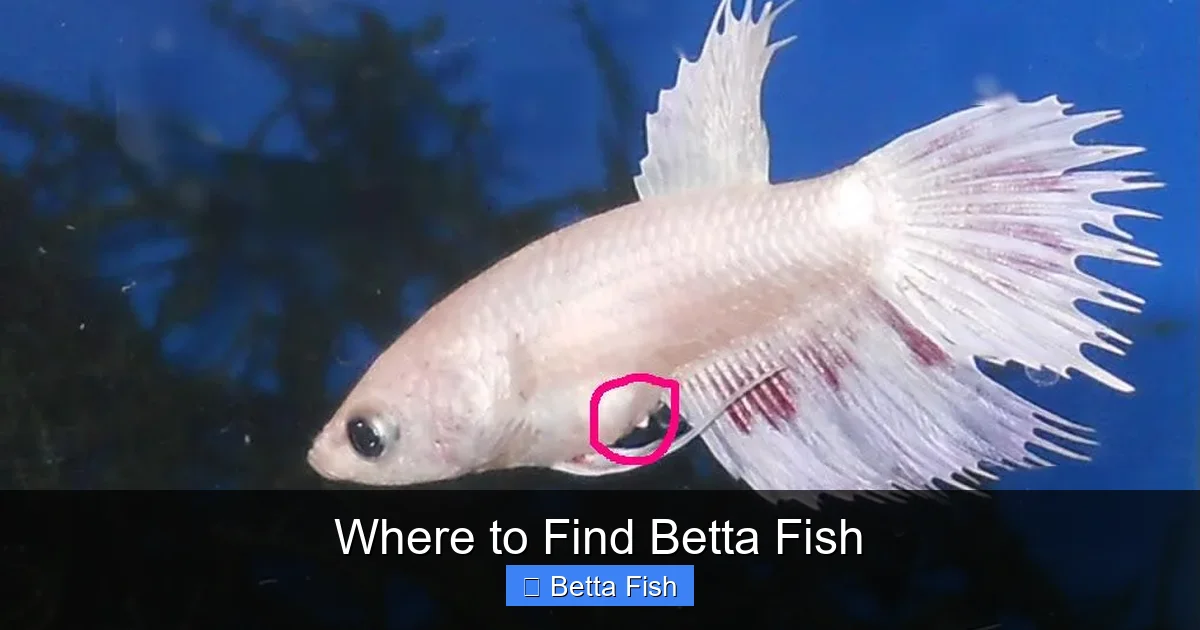
Visual guide about Where to Find Betta Fish
Image source: home.adelphi.edu
Where to find rescues:
- Local Animal Shelters & Humane Societies: Increasingly, these organizations take in “exotic” pets, including bettas abandoned in cups at their front doors. Call and ask if they have a small animal or “exotics” intake.
- Dedicated Fish Rescue Organizations: Groups like the Betta Fish Rescue network (a loose affiliation of volunteers) and other local fish rescues on Facebook or dedicated websites exist solely to rehabilitate and rehome fish.
- Online Rehoming Platforms: Websites like Craigslist, Facebook Marketplace, or specific fish-keeping forums have “rehoming” sections. People often give away bettas they no longer want. Extreme caution is required here: You are taking a fish from an unknown source with an unknown health history. It is essentially an automatic quarantine case.
The Rescue Commitment: You must be prepared to set up a dedicated quarantine hospital tank immediately. The betta may need medications (like antibiotics or antifungals), high-quality food, and incredibly clean, warm water to recover. There will be no guarantee of personality or perfect fins. The reward is transforming a neglected animal into a confident, beautiful pet. It’s a profound act of advocacy.
The Ultimate Checklist: What to Look For, No Matter Where You Find Betta Fish
Armed with the knowledge of *where* to look, your final decision hinges on *what* you see in front of you. This inspection checklist is universal.
The Visual Health Inspection
When you look at a betta, do so from above and from the side. A healthy betta should:
- Float or swim purposefully: It should be curious, maybe flaring at its reflection or your finger. It should not be listlessly sitting on the bottom, gasping at the surface (unless the water is very warm and oxygen-poor), or swimming in frantic, uncontrolled circles (a sign of swim bladder disorder or neurological issues).
- Have intact, flowing fins: Fins should be whole, without tears, blackening (necrosis), or fuzzy white edges (fungus). Clamped fins (held tightly against the body) are a sign of severe stress or illness.
- Display vibrant, even color: While some bettas darken with age or stress, the color should be rich and even. Faded, dull, or patchy color can indicate illness or poor genetics.
- Have clear, bright eyes: Cloudy, bulging, or pop-eye (exophthalmia) are signs of serious infection or injury.
- Have a intact, undamaged body: Look for any missing scales, sores, lumps, or raised scales (signs of dropsy). The body should be streamlined and torpedo-shaped, not bloated or emaciated.
The Environmental Red Flags
The fish’s environment is a direct reflection of the seller’s care. Walk away if you see:
- Dirty, cloudy water: This is the #1 sign of neglect. Ammonia and nitrite burn are common in such conditions.
- Dead or dying fish in other tanks: One sick fish can be bad luck. Multiple is a systemic problem.
- Overcrowding: Bettas should be housed singly. If you see multiple bettas in one community tank or container, they are at constant risk of injury and stress.
- No filtration or heating visible: While bettas can survive in still water, a healthy retail environment provides filtration. Heating is critical for their metabolism and immune function.
- The “cup of death” display: Rows of small plastic cups with minimal water, often stacked. This is the epitome of unethical retail practice. Do not support it.
The Questions You Must Ask
A confident, ethical seller will welcome your questions. Ask:
- “How long has this specific fish been here?” A fish that just arrived is under immense stress and may be incubating disease. A fish that has been in the store for a few weeks in good care is a safer bet.
- “Can you tell me about its feeding routine?” They should be feeding a high-quality pellet or frozen food. If they say “it hasn’t eaten” or “we feed flakes,” be wary.
- “What is your return/exchange policy for sick fish?” A good store will stand behind their animals. A policy of “all sales final” is a huge red flag.
- (To breeders): “What is your quarantine process for new breeding stock?” This is non-negotiable. Any responsible breeder quarantines all new fish for at least 30 days to prevent disease transmission to their entire stock.
Bringing Your Betta Home: The Critical First Steps
You’ve found your betta! You’ve paid, and you have a bag or cup in hand. The journey isn’t over. What you do next is perhaps more important than where you bought the fish.
The Mandatory Quarantine Tank
This cannot be stressed enough. You must set up a separate quarantine tank before you even pick up your new betta. This is a simple, bare-bottom tank (5 gallons is ideal, 2.5 is the minimum) with a heater, a gentle sponge filter, and some hiding places like a terracotta pot or plastic plants. It has no substrate to make cleaning easier. Its sole purpose is to house the new fish for 2-4 weeks.
Why is this so vital? You are introducing a biological wildcard into your main tank. Even a seemingly healthy betta can be carrying parasites (like internal worms) or bacterial infections that are asymptomatic until stress triggers an outbreak. That outbreak will then decimate your entire, established aquarium community. Quarantine allows you to:
- Observe the betta for any signs of disease that weren’t visible at the store.
- Treat any issues (like mild fin rot or constipation) in a controlled environment without risking other fish.
- Allow the betta to de-stress and acclimate to your water parameters and feeding routine.
- Ensure it is eating well and behaving normally before introducing it to its permanent home.
The Acclimation Process
Once home, do not just dump the fish in. Float the sealed bag in the quarantine tank for 15-20 minutes to equalize temperature. Then, open the bag and slowly add small amounts of water from the quarantine tank to the bag over the next 30-45 minutes. This slowly acclimates the fish to your water chemistry (pH, hardness). Finally, use a net to gently transfer the betta to the quarantine tank, discarding the bag and its old, possibly ammonia-laden water. Do not pour the bag water into your tank.
Observe and Nourish
For the first few days in quarantine, keep the lights low and minimize disturbances. Offer small amounts of high-quality food (soaked pellets, frozen daphnia or bloodworms) once or twice a day. Watch for normal behavior: active exploration, quick darting to the surface for air (normal for bettas), and eager eating. Any deviation—clamped fins, lethargy, loss of appetite, spots, fuzzy growths—should be researched immediately and treated. Common first ailments from store-bought bettas are often fungal or bacterial infections due to prior poor water quality.
Frequently Asked Questions
Is it better to buy a betta fish online or in person?
For guaranteed health and quality, buying from a reputable online breeder or high-end specialty shop is superior. In-person at a big-box store carries a high risk of getting a stressed or sick fish. The best local aquarium shop can be an excellent in-person option if you can find one.
How much should I expect to pay for a healthy betta?
Price is a strong indicator of quality. Mass-produced bettas from big-box stores cost $3-$15. From a good local specialty shop, expect $30-$60. From a top-tier, dedicated online breeder, prices range from $50 to $200+ for show-quality fish. Remember, you are paying for better genetics, superior husbandry, and a healthier start.
What is the single biggest red flag when looking for a betta?
The biggest red flag is seeing a betta housed in a tiny, dirty cup or vase with no filtration or heating. This indicates the seller views bettas as disposable decorations, not living creatures with complex needs, and the fish has almost certainly suffered significant stress and potential injury.
Should I feel bad about not rescuing a betta from a cup?
It’s important to understand that buying a betta from a cup directly funds the cycle of neglect. These cups are provided by the stores to display fish bought from commercial farms. The most effective way to change the system is to refuse to participate in it. By choosing ethical sources, you vote with your dollars for better industry practices. Rescue is a separate, compassionate choice for fish already in need.
How long should I quarantine a new betta?
A minimum of 2 weeks, with 4 weeks being the gold standard. This allows enough time to observe for common illnesses like ich (which has a lifecycle) or internal parasites, and to ensure the fish is eating robustly and displaying normal behavior before adding it to your main display tank.
Can I put a new betta directly into my main aquarium?
You should never, under any circumstances, add a new betta (or any new fish) directly to your established aquarium. The risk of introducing a devastating disease or parasite is far too high. A quarantine tank is an essential piece of equipment for any responsible fish keeper, especially for a betta, which is often stressed and immunocompromised from its prior conditions.