Where to Buy Daphnia for Betta Fish

Daphnia is a nutritional superfood for betta fish, promoting vibrant color, digestion, and breeding vitality. You can source it from local fish stores, reputable online retailers, or by culturing your own. Always prioritize quality indicators like active movement, proper sizing, and reputable suppliers to ensure your betta gets safe, nutrient-rich meals.
So, you’ve got a magnificent betta fish, with fins flowing like silk and colors that could make a rainbow jealous. You want to give him the absolute best, right? You’ve heard the whispers in the betta-keeping community: “Feed daphnia!” It’s the holy grail of betta foods, the secret weapon for boosting color, improving digestion, and even getting those beautiful females to swell with eggs. But then you hit the wall. Where do you even buy daphnia for betta fish? It’s not on the shelf at the big pet store next to the flakes. This tiny, shrimp-like crustaceian feels like a specialty item, and navigating the sourcing can be confusing. Don’t worry. By the end of this guide, you’ll know exactly where to look, what to buy, and how to make this incredible food a seamless part of your betta’s weekly menu.
Think of this article as your personal roadmap. We’ll cut through the noise and explore every legitimate avenue for acquiring high-quality daphnia. From the friendly local fish store around the corner to the vast digital marketplace of the internet, and even the rewarding path of raising your own, we’ll cover it all. We’ll talk about the critical differences between live, frozen, and powdered forms, because not all daphnia is created equal. Most importantly, we’ll arm you with the knowledge to identify top-tier daphnia from questionable sources, ensuring every little crustacean that vanishes into your betta’s elaborate tank is safe, nutritious, and truly beneficial. Your betta’s health journey starts with the right food source, and we’re here to point you in the perfect direction.
Key Takeaways
- Daphnia is a near-perfect food: It’s packed with protein, aids digestion, enhances color, and can even stimulate breeding behavior in bettas.
- Three main forms are available: Live daphnia is the gold standard, frozen is a convenient and nutritious backup, and powdered is a practical staple with some trade-offs.
- You have three primary sourcing options: Local fish stores offer immediacy, online retailers provide variety and bulk deals, and home culturing offers ultimate freshness and cost savings.
- Quality is non-negotiable: Look for active, appropriately sized daphnia from suppliers who guarantee parasite-free cultures and proper packaging.
- Proper storage is critical: Live cultures need aeration and cool temperatures, frozen daphnia must stay frozen, and powder requires a cool, dry place to prevent clumping and nutrient loss.
- Feed responsibly: Daphnia should be a staple, not the only food. Rinse before feeding, offer small amounts, and vary with other high-quality foods for a balanced diet.
📑 Table of Contents
- The Unmatched Benefits of Daphnia for Betta Fish
- Understanding the Different Types of Daphnia Available
- Where to Buy Daphnia: Your Complete Sourcing Guide
- How to Identify High-Quality Daphnia: What to Look For
- Proper Storage and Feeding Techniques for Maximum Benefit
- Conclusion: Your Betta’s Path to Vibrant Health
The Unmatched Benefits of Daphnia for Betta Fish
Before we dive into the “where,” let’s quickly solidify the “why.” Understanding why daphnia is so special will help you make smarter buying decisions. It’s not just another protein source; it’s a functional food with properties that directly combat common betta ailments.
Nature’s Digestive Aid and Color Enhancer
Betta fish are carnivores with a short, simple digestive tract. In the wild, their diet consists mainly of insects, larvae, and tiny crustaceans like daphnia. This natural food is packed with roughage and chitin (from their exoskeleton). Chitin is a fiber that acts as a gentle scrub brush inside your betta’s gut, promoting healthy digestion and preventing constipation—a common issue that can lead to serious problems like swim bladder disorder. A regular dose of daphnia keeps things moving smoothly. Furthermore, daphnia is rich in carotenoids and other pigments. When your betta consumes these, they are deposited in the skin and fins, resulting in more vibrant, intense reds, blues, and greens. It’s a natural color boost without any artificial additives.
A Complete Nutritional Profile
Daphnia is often called “water fleas,” but they are nutritional powerhouses. They are approximately 50% protein, providing essential amino acids for muscle maintenance and fin growth. They contain vital lipids for energy, vitamins (especially B-complex), and minerals like calcium and magnesium. They also have a high moisture content, which helps with hydration. This well-rounded profile makes them an excellent staple food, closer to a betta’s natural diet than any processed pellet or flake.
The Breeding Boost
For betta breeders, daphnia is non-negotiable. Conditioning a pair for spawning requires a diet exceptionally rich in protein and nutrients to develop healthy eggs and milt. Live daphnia, in particular, triggers a strong predatory response and provides a burst of energy. The improved condition from a daphnia-rich diet leads to larger, more viable spawns and healthier, more vigorous parents. Many breeders feed almost exclusively high-quality live or frozen daphnia in the weeks leading up to a planned spawn.
Understanding the Different Types of Daphnia Available
You won’t just walk into a store and see “daphnia” on a label. You’ll encounter it in three primary forms, each with significant pros and cons. Your best choice depends on your priorities: absolute peak nutrition, convenience, or cost-effectiveness.
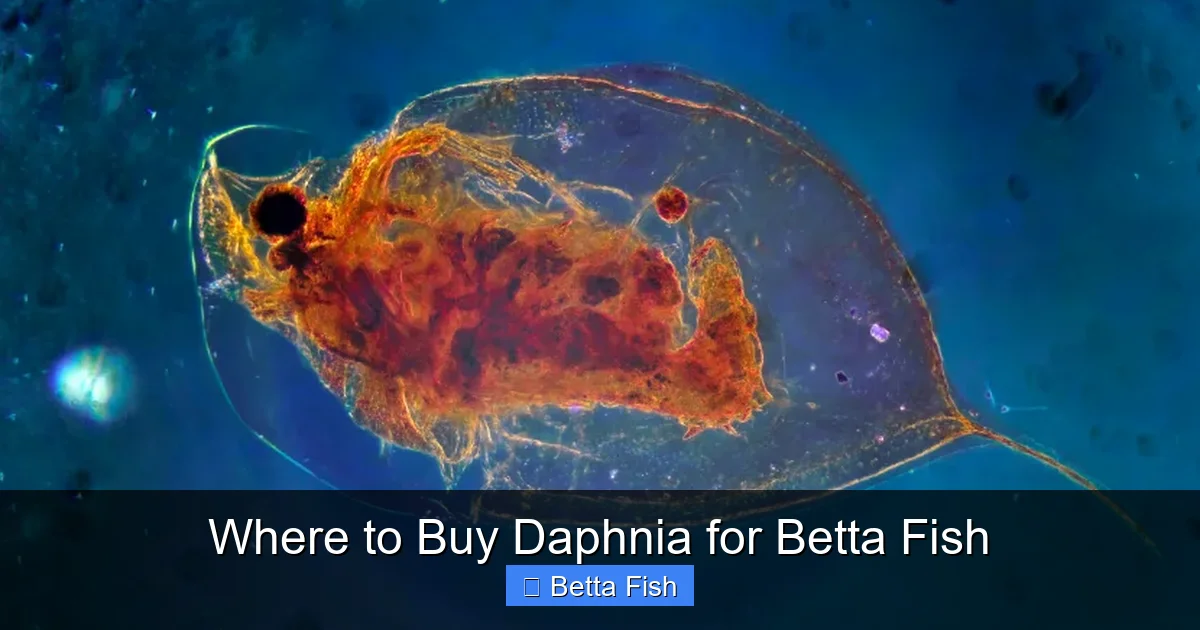
Visual guide about Where to Buy Daphnia for Betta Fish
Image source: japanesefightingfish.org
Live Daphnia: The Gold Standard
This is the real deal—swimming, active, freshly harvested daphnia. It’s the most nutritionally complete form because it’s alive. The movement triggers your betta’s natural hunting instincts, providing essential mental stimulation and exercise. Live daphnia also contains the highest levels of beneficial enzymes and probiotics that are lost during processing. For a picky eater, a few wriggling live daphnia are often irresistible. It’s the preferred food for conditioning breeding pairs.
Cons: It has a very short shelf life (hours to a couple of days). You must store it properly (cool, aerated) and use it quickly. Buying small quantities frequently can be expensive and inconvenient. There’s also a slight risk of introducing pathogens if the culture isn’t pristine, though reputable suppliers maintain clean, controlled cultures.
Frozen Daphnia: The Convenient Powerhouse
Frozen daphnia is harvested from clean cultures, quickly frozen (often in individual cubes or flat packs), and preserved. This process locks in most of the nutrients, making it an excellent alternative to live. It’s nearly as nutritious, much more convenient, and has a long freezer shelf life (6-12 months). You can break off a small cube, thaw it in a cup of tank water, rinse, and feed. It’s less messy than live and eliminates the risk of live daphnia dying and fouling your tank if uneaten.
Cons: The freezing process kills the live movement, so it doesn’t provide the same hunting stimulation. Some delicate vitamins may degrade slightly over time in the freezer. You must remember to thaw it, which adds a small step to feeding time.
Powdered Daphnia: The Practical Staple
Powdered daphnia is made from dried, ground daphnia. It’s essentially a high-protein supplement you sprinkle onto your betta’s regular food or mix into a gel food. It’s incredibly shelf-stable, very affordable in bulk, and easy to store. It’s a fantastic way to boost the nutritional profile of a base diet of pellets.
Cons: It lacks moisture and the chitinous exoskeletons are broken down, so it doesn’t aid digestion in the same way. It doesn’t provide hunting stimulation. Some bettas may be less enthusiastic about a powder that simply settles on the water surface or their food. Quality can vary wildly; some products are mostly fillers.
Where to Buy Daphnia: Your Complete Sourcing Guide
Now, to the heart of the matter. Here are your three main avenues, explored in detail.

Visual guide about Where to Buy Daphnia for Betta Fish
Image source: japanesefightingfish.org
Local Fish Stores (LFS) and Aquarium Shops
This is the most straightforward option. A well-stocked, knowledgeable local fish store (not a big-box retailer) is often the best first stop.
- What they typically carry: Usually frozen daphnia in small cubes or blister packs. Some larger or specialty stores may carry live daphnia in small containers, especially if they cater to breeders.
- Pros: Immediate gratification. No shipping wait or risk of thawing. You can see the product. You can ask the staff about the supplier and get personalized advice. You support a local business.
- Cons: Limited selection (often only frozen). Prices are usually higher than online due to smaller quantities and overhead. Stock can be inconsistent. Not all LFSs carry it at all.
- Pro Tip: Call ahead. Ask, “Do you carry frozen daphnia, and what brand?” If they say “yes,” ask if it’s 100% daphnia without fillers like brine shrimp or plankton. Build a relationship with the store owner; they might special-order a case for you or alert you when a fresh shipment arrives.
Online Retailers and Specialized Suppliers
The internet opens up a world of options, from massive marketplaces to niche breeders. This is where you’ll find the greatest variety and often the best prices.
- Major Online Marketplaces (Amazon, eBay): You’ll find all three forms here. The advantage is fast shipping (if Prime) and buyer reviews. Be extremely cautious. Read reviews meticulously, specifically looking for comments about product freshness, accurate sizing (important for bettas!), and lack of mold/filler in frozen cubes. Check the seller’s rating. A product with hundreds of reviews averaging 4+ stars is generally a safe bet. Look for brands that specialize in aquatic foods.
- Specialized Aquarium Food Websites: This is often the best route. Companies like Hikari, San Francisco Bay Brand, or smaller boutique breeders sell direct. Their products are consistent, high-quality, and their websites offer detailed information. You can buy in bulk (cases of frozen cubes, large bags of powder), which drives down the per-serving cost. Shipping is usually fast and temperature-controlled for frozen goods.
- Live Food Culturing Supply Companies: These are the gold standard for live daphnia. They sell starter cultures, cultured daphnia in larger volumes, and all the supplies (containers, air pumps, yeast) to grow your own. Examples include cultures from reputable sellers on Etsy or dedicated aquaculture sites. This is the path for enthusiasts and breeders.
- Pros: Vast selection. Competitive pricing, especially on bulk. Access to premium brands and live cultures not available locally. Detailed product specs and nutritional info online.
- Cons: Shipping costs, especially for frozen items requiring cold packs. Risk of package delays/thawing in transit (choose reputable shippers with guarantees). Can’t inspect product before purchase. Overwhelming number of choices.
- Pro Tip: For frozen daphnia online, always choose the fastest shipping option. Order on a Monday or Tuesday to avoid weekend warehouse delays. Check the seller’s policy on thawed products—reputable ones will replace a shipment that arrives thawed. For powder, buy from sites that specialize in fish food to avoid filler products.
Home Culturing: The Ultimate DIY Solution
For the dedicated betta keeper, culturing your own daphnia is the pinnacle. You purchase a small starter culture (often 500ml to 1 liter) from an online supplier and grow it in a separate tank or large container.
- The Setup: You need a container (a 5-10 gallon tank or large plastic tub), an air stone with gentle aeration (daphnia dislike strong currents), a light source, and a food source (yeast, spirulina powder, or specialized daphnia culture media).
- Pros: Unlimited supply of the freshest, most nutritious live food. Extremely cost-effective after the initial investment. You control the water parameters and food, ensuring a pristine, parasite-free culture. It’s a fascinating hobby in itself. You can harvest daily.
- Cons: Requires initial time, space, and equipment investment. There’s a learning curve—cultures can crash if water parameters are wrong or if you overfeed/underfeed. You must maintain the culture, performing regular water changes. It’s not “set it and forget it.”
- Pro Tip: Start with a culture from a highly reputable breeder. Research “daphnia culturing for bettas” thoroughly. Begin with a small container to learn before scaling up. Have a backup food source (frozen daphnia) in case your culture has a hiccup. The rewards, however, are immense for serious keepers.
How to Identify High-Quality Daphnia: What to Look For
Not all daphnia is equal. Low-quality or poorly handled daphnia can be useless or even harmful. Here is your checklist for any purchase, regardless of source.
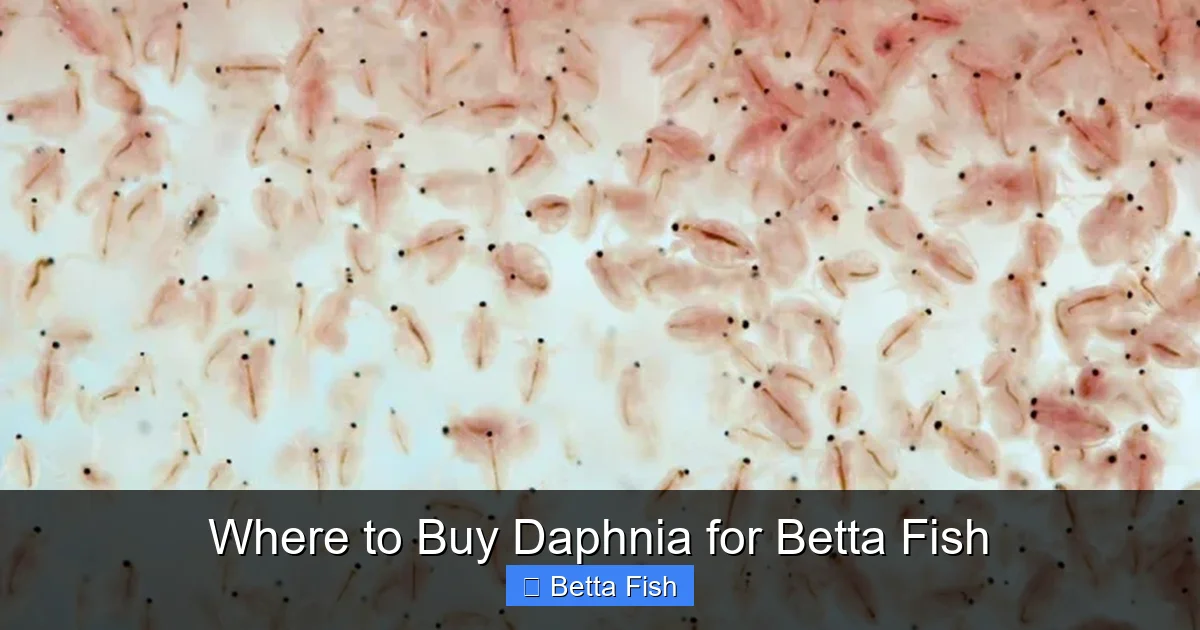
Visual guide about Where to Buy Daphnia for Betta Fish
Image source: bettacarefishguide.com
For Live Daphnia
When you receive or buy it, the daphnia should be active, swimming vigorously in a clean, clear water. There should be no foul odor (it should smell slightly earthy or like clean water). The container should not be filled with dead daphnia at the bottom. The daphnia themselves should be a healthy, translucent white to light green color, not brown or black. Size matters for bettas—you want “small” or “juvenile” daphnia (like Daphnia magna or Moina), which are about the size of your betta’s eye or smaller. Large adult daphnia can be difficult for some bettas to eat and may carry a harder shell.
For Frozen Daphnia
The packaging should be solidly frozen with no ice crystals or signs of thawing and refreezing (which creates large, solid blocks of ice). The cube or slab should be uniform in color, a consistent off-white or light tan. There should be no excessive white freezer burn spots. When you break off a piece, you should see distinct, small daphnia shapes, not a homogenous paste or a mix of large, obvious brine shrimp. Smell it after thawing—it should have a mild, “seafood” smell, not a strong, rancid, or ammonia-like odor.
For Powdered Daphnia
Open the bag. The powder should be fine, dry, and free-flowing. It should not be clumped or damp, which indicates moisture exposure and spoilage. The color should be a consistent light brown or beige. It should not have a lot of very fine dust (which can cloud water) or large, visible chunks. Smell it; it should have a neutral, slightly fishy smell, not a sour or chemical odor. Check the ingredient list—it should say “100% daphnia” or “daphnia magna.” Avoid products with a long list of fillers, binders, or other crustaceans as the first ingredient.
Supplier Reputation is Everything. A known, specialized brand with a history of quality is always preferable to an unknown, generic product. In the online world, this means reading reviews not just for stars, but for content about the specific issues above.
Proper Storage and Feeding Techniques for Maximum Benefit
Buying great daphnia is only half the battle. How you store and feed it determines if your betta gets the full benefit.
Storing Your Investment
Live: Store the container in the coolest part of your home (not the fridge, which can kill them). A basement or air-conditioned room is ideal. Use an air pump with a single, gentle bubble to provide oxygen without creating a current that will exhaust them. Use within 24-48 hours of arrival for peak activity.
Frozen: Keep it in the freezer. Once you break a cube, reseal the bag tightly to prevent freezer burn. Use within 6-12 months. Never refreeze thawed daphnia.
Powder: Store in a cool, dry, dark place (a cupboard away from the stove). Ensure the bag is sealed airtight after each use. A vacuum sealer is a great investment for large bulk purchases. Use within the “best by” date, typically 1-2 years.
Feeding Like a Pro
Rinse is a Must: For live and frozen daphnia, always rinse them in a cup of clean, dechlorinated water (your tank water is perfect) before adding to the betta tank. This removes any preservatives, debris, or excess nutrients from the packaging water that could foul your aquarium.
Portion Control: A betta’s stomach is about the size of its eye. Offer a pinch (3-5 large or 8-10 small daphnia) once or twice a day as a supplement to a base of high-quality pellets. For conditioning, you can offer a slightly larger portion once daily. Remove any uneaten daphnia after 10-15 minutes with a net or turkey baster to prevent water quality issues.
Vary the Diet: Daphnia is a superstar, but it shouldn’t be the only food. A good betta diet rotates between high-quality pellets, frozen foods (bloodworms, brine shrimp, daphnia), and occasional live foods. This ensures a broad spectrum of nutrients.
The Power of Gut-Loading (Advanced): If you’re culturing live daphnia or have access to very fresh live ones, you can “gut-load” them 12-24 hours before feeding. This means feeding the daphnia a nutrient-rich food like spirulina powder or a specialized gut-loading diet. This supercharges the daphnia’s nutritional content, making them an even more potent meal for your betta.
Conclusion: Your Betta’s Path to Vibrant Health
Knowing where to buy daphnia for betta fish is the first step in unlocking a new level of care for your aquatic companion. The path you choose—local convenience, online variety, or the self-sufficient culturing route—depends on your lifestyle, budget, and commitment level. There is no single “wrong” source, only sources of varying quality. The universal rule is this: prioritize reputable suppliers who specialize in aquatic life. A cheap, unknown bag of powder or a frozen cube from an obscure seller is not worth the risk to your betta’s health. Invest in quality from the start.
Incorporate daphnia into your feeding regimen consistently, but not exclusively. Watch your betta’s response—the improved color, the enthusiastic feeding, the solid waste (a sign of good digestion). You are providing a food that aligns with millions of years of evolutionary diet. You are preventing common ailments before they start. You are giving your betta the vibrant, active life it deserves. So take this guide, find your trusted source, and start offering this amazing superfood. Your betta’s next gorgeous, flowing fin display will be thanks in part to the humble, powerful daphnia.
Frequently Asked Questions
Can I feed my betta only daphnia?
No. While daphnia is exceptionally nutritious, it should be part of a varied diet. Relying solely on one food can lead to nutritional deficiencies over time. Use high-quality betta pellets as a daily base and supplement with daphnia 2-3 times per week for optimal health.
Is live daphnia really worth the hassle compared to frozen?
For most keepers, high-quality frozen daphnia is an excellent, convenient, and nearly equally nutritious staple. Live daphnia offers superior stimulation and peak enzyme activity, making it ideal for picky eaters, conditioning breeding pairs, or if you have easy access to a fresh, reliable source. The hassle factor is the main trade-off.
How long does frozen daphnia last in the freezer?
When stored properly in a sealed, airtight bag to prevent freezer burn, frozen daphnia will retain its nutritional value and safety for 6-12 months. For best quality, try to use it within 6 months. Always thaw a portion in a separate cup of tank water and never refreeze leftovers.
Can daphnia carry diseases or parasites that harm my betta?
Yes, if sourced from an unclean culture. This is why buying from reputable, specialized suppliers is crucial. Established companies maintain pathogen-free, controlled cultures. Home-cultured daphnia from a trusted starter culture is generally very safe. Always rinse any live or frozen daphnia in clean water before adding it to your betta’s tank.
Should I try to culture my own daphnia?
Culturing is highly rewarding and cost-effective if you have the space, time, and interest. It’s recommended for serious hobbyists, breeders, or those with multiple fish. If you have just one or two bettas and want convenience, buying frozen or powdered from a trusted online source is simpler and more practical.
What size of daphnia is best for a betta fish?
Small to medium-sized daphnia are ideal. Look for species like Daphnia magna or Moina macrocopa. The daphnia should be no larger than the size of your betta’s eye. This ensures easy consumption and digestion. Some suppliers specifically label their product as “small” or “juvenile” for bettas and fry.