Where to Buy Betta Fish with Plant
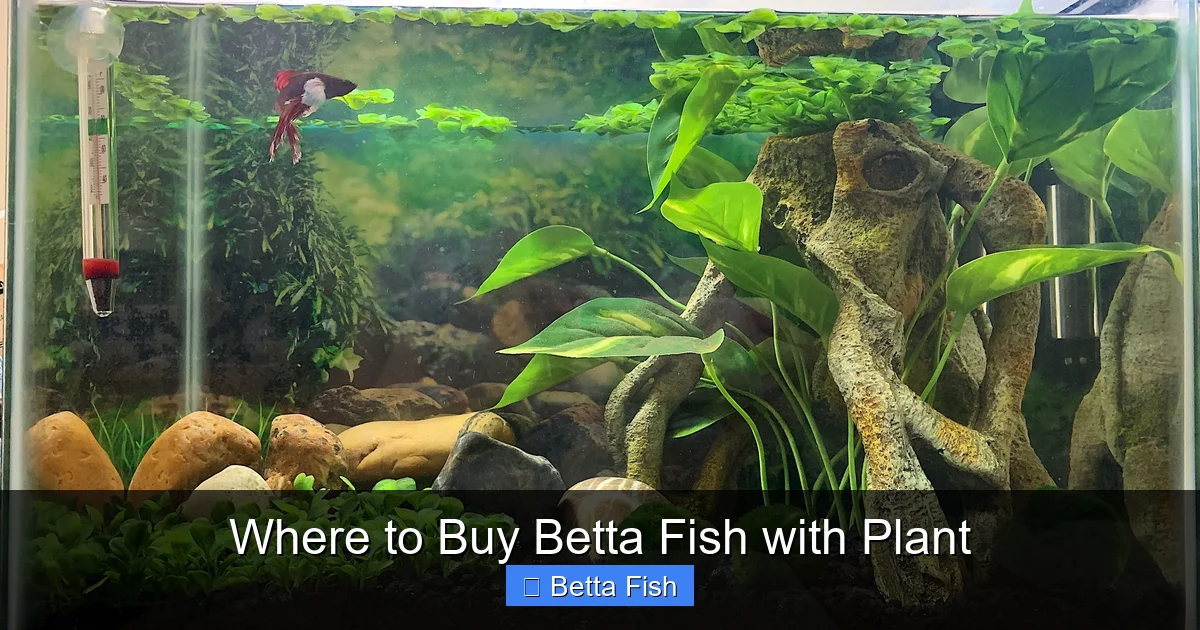
Finding a betta fish already paired with a suitable plant is a fantastic way to start your aquarium journey. This article explores the top sources, from dedicated local fish stores to vetted online retailers, emphasizing the importance of both betta health and appropriate plant selection. We provide practical advice on what to look for to ensure your new aquatic companion thrives in its planted environment from day one.
Key Takeaways
- Local Fish Stores (LFS) are often the best first stop: They offer expert advice, allow you to see the betta and plant setup in person, and typically prioritize fish health over mass quantity.
- Reputable online retailers provide convenience and variety: Specialized online stores ship healthy bettas and plants directly, but you must research their policies, reviews, and shipping practices thoroughly.
- The “plant” can be live or high-quality artificial: Live plants offer water quality benefits and enrichment, while silk plants are safer than plastic. The choice depends on your experience level and commitment.
- Assessing the betta’s health is non-negotiable: Look for vibrant color, intact fins, active swimming, and clear eyes. Avoid any betta with clamped fins, frayed edges, or lethargy, regardless of how nice the plant looks.
- Plant choice matters for betta well-being: Soft, broad-leaved plants like Anubias or Java Fern provide ideal resting spots. Avoid sharp or rough decorations that can damage delicate betta fins.
- Acclimation and setup are critical after purchase: Properly cycling the tank, drip-acclimating your betta, and monitoring water parameters are essential steps for success, whether you buy a combo or separately.
- Beware of big-box stores for specialized needs: While convenient, pet chains often keep bettas in poor conditions and may offer inappropriate plant pairings. Scrutiny is required if you choose this route.
📑 Table of Contents
- Introduction: The Perfect Pairing
- Why Bettas and Plants Are a Match Made in Aquarium Heaven
- Option 1: Your Local Fish Store (LFS) – The Gold Standard
- Option 2: Reputable Online Retailers – Convenience with Caution
- Option 3: Specialty Breeders and Aquascapers – For the Enthusiast
- Option 4: Big-Box Pet Stores – Proceed with Extreme Caution
- What to Look For: Your Pre-Purchase Checklist
- Setting Up for Success After the Purchase
- Conclusion: Your Journey Starts with a Smart Choice
Introduction: The Perfect Pairing
There’s something truly special about the image of a betta fish, with its flowing fins and curious personality, gently exploring a planted aquascape. The vibrant green of a living plant against the sapphire or crimson of a betta isn’t just beautiful—it’s a cornerstone of good fish welfare. Buying a betta fish with a plant isn’t just an aesthetic choice; it’s a proactive step toward providing a stimulating, healthy, and naturalistic home. But where exactly do you find these pre-paired setups that set you up for success? The answer isn’t as simple as a single store. It requires understanding the different avenues available and knowing what red flags to avoid. This guide will walk you through every credible option, from your neighborhood aquarium shop to your laptop screen, ensuring you bring home a thriving betta and a suitable plant companion.
The trend toward “ Bettas with plants” reflects a broader shift in fishkeeping away from barren bowls and toward ecologically sound micro-habitats. A appropriate plant offers a betta a place to rest near the water’s surface, reduces stress by breaking up lines of sight, and can even improve water quality. However, not all plants are created equal, and not all sellers prioritize the betta’s long-term health. Your goal is to find a source where both the fish and the plant are cared for correctly, and where you receive honest guidance. Let’s dive into the best places to make this important purchase.
Why Bettas and Plants Are a Match Made in Aquarium Heaven
Before we talk about where to buy, it’s crucial to understand the ‘why.’ This knowledge will help you evaluate any setup you’re considering. Betta splendens, native to the shallow, vegetated waters of Southeast Asia, are evolutionarily adapted to live among dense plants and leaf litter. In captivity, replicating this environment is key to their physical and mental health.
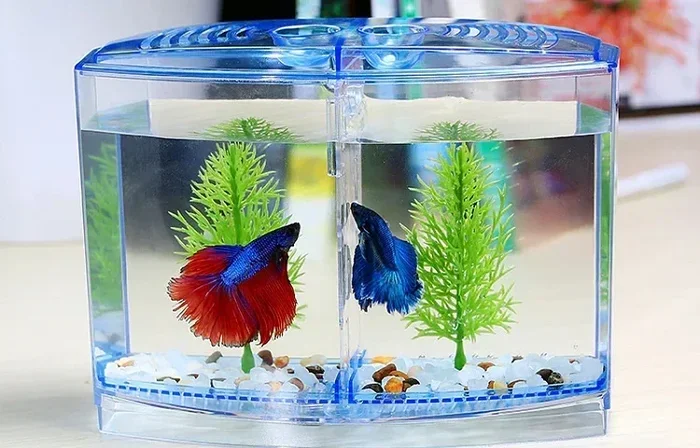
Visual guide about Where to Buy Betta Fish with Plant
Image source: i.pinimg.com
The Benefits of a Planted Betta Home
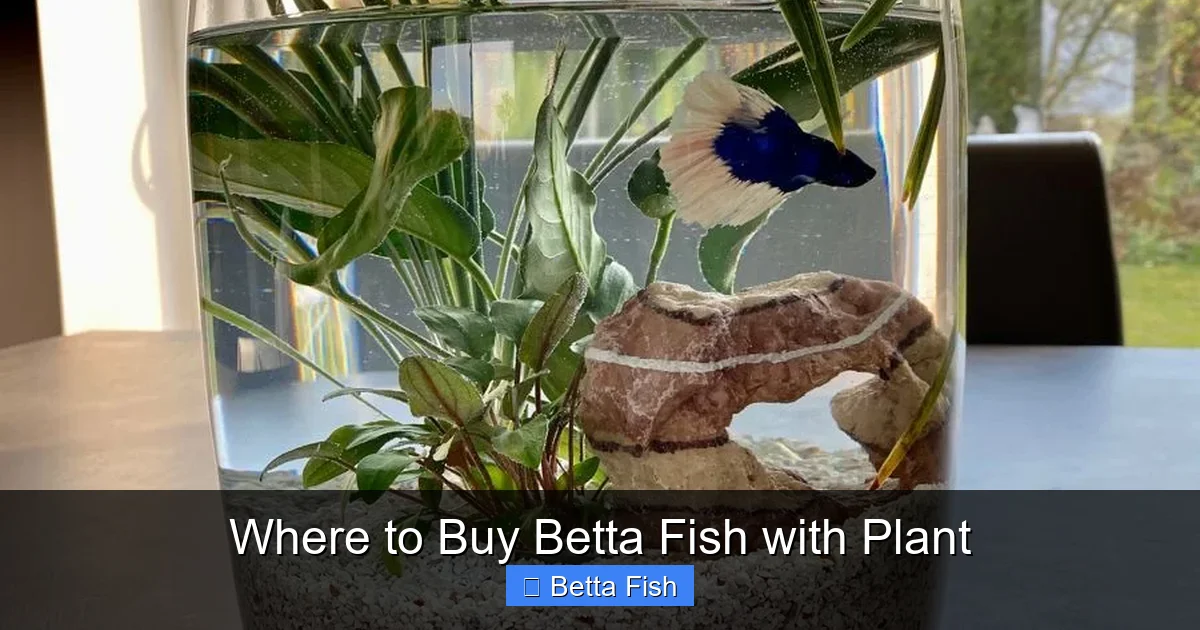
Stress Reduction: A betta in a bare tank has nowhere to hide and may become bored or stressed, leading to lethargy or aggressive behavior. Plants provide cover and break up the open space, making the betta feel secure. Physical Welfare: Betta fins are delicate and can easily tear on sharp decorations. Soft, live plants or silk foliage offer gentle surfaces for the betta to rest and navigate without injury. Water Quality: Live plants act as natural filters, absorbing ammonia, nitrates, and phosphates from the water, complementing your filtration system and making water changes more effective. Enrichment: Plants create a dynamic environment. Bettas will explore, rest on broad leaves, and even build bubble nests among stems, exhibiting more natural behaviors.
Live vs. Artificial: The Great Debate
When you see a “betta with plant” combo, the plant is often one of two things. Live Plants (like Anubias, Java Fern, Marimo Moss Balls, or floating plants like Salvinia) are the gold standard. They offer all the benefits listed above and create a truly living ecosystem. However, they require adequate lighting and some basic care. High-Quality Silk Plants are a fantastic, foolproof alternative. They are completely safe (no sharp edges), require no lighting or nutrients, and provide excellent visual barriers and resting spots. Plastic Plants should be avoided. Even those labeled “soft” often have rigid stems and sharp tips that can slice a betta’s flowing fins, leading to infections. A reputable seller will never pair a betta with a cheap plastic plant.
Option 1: Your Local Fish Store (LFS) – The Gold Standard
If you have a dedicated, well-run local fish store in your area, this should be your first and primary destination. The LFS is more than a retailer; it’s a resource. The staff are usually passionate aquarists who keep fish themselves and understand the nuanced needs of species like the betta.
Visual guide about Where to Buy Betta Fish with Plant
Image source: i.pinimg.com
What to Look For in a Quality LFS
Walk in and observe. Betta Display: Are the bettas in clean, heated containers? Are they in cups or, ideally, in filtered, heated community tanks? Are the water parameters being tested? Do the fish look vibrant, with full, undamaged fins? Plant Health: Are the live plants healthy-looking, with no melting leaves or algae overgrowth? Are they stored correctly (some require specific lighting or submersion)? Staff Knowledge: Ask a simple question: “Which of these bettas do you think would do best with a Java Fern?” Their answer will tell you everything. A good store will discuss the betta’s temperament, the plant’s needs, and tank setup. They should be willing to explain why a certain pairing works.
The Hands-On Advantage
The LFS allows you to see the exact fish and plant you’ll take home. You can select a betta with a personality you like—one that’s curious and active. You can inspect the plant for pests, snails, or damage. You can physically feel a silk plant’s softness. This level of inspection is impossible with online shopping. Furthermore, you can often get a pre-cycled tank or substrate recommendation on the spot. Many LFS will also offer a short health guarantee (e.g., 24-48 hours) if you notify them of an issue, which is a significant safety net.
Option 2: Reputable Online Retailers – Convenience with Caution
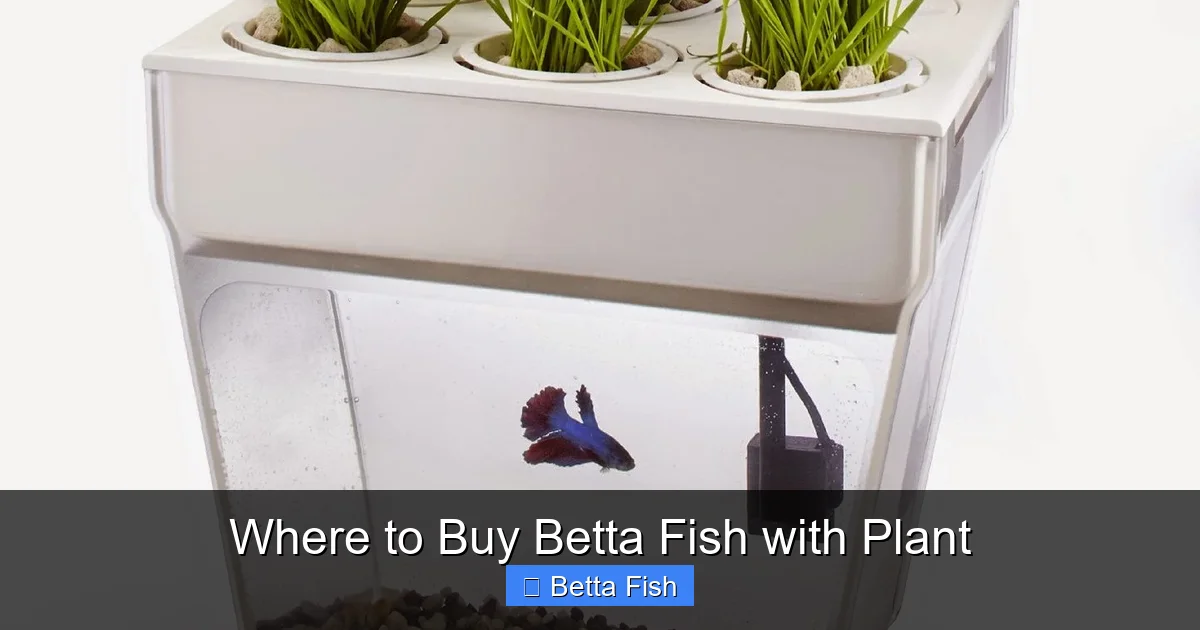
The internet has revolutionized fishkeeping, giving hobbyists access to breeders and stores across the country. Buying a betta with a plant online can be incredibly convenient and open up a world of specialty varieties (like halfmoon or plakat bettas) and rare live plants. However, the risk is higher, so due diligence is paramount.
Visual guide about Where to Buy Betta Fish with Plant
Image source: 2.bp.blogspot.com
Identifying a Trustworthy Online Store
Start with research. Look for stores with extensive, detailed websites that explain their husbandry practices, shipping policies, and guarantees. Key indicators include: Shipping Policies: They should ship overnight or 1-2 day, with a live arrival guarantee (e.g., 100% refund or replacement if fish arrive dead). They must use proper insulation, heat/cold packs, and oxygenation. Customer Reviews: Search for honest reviews on forums like Reddit (r/bettafish), Fishlore, or AquariaCentral. Look for patterns—do people consistently report healthy arrivals? Transparency: They should post photos/videos of their stock and packing process. Do they show the fish in clean, well-maintained displays? Specialization: Stores that focus solely on live plants or solely on bettas are often better at their niche than giant marketplaces selling everything. Examples of well-regarded online entities include dedicated betta breeders on sites like Aquabid (with extreme caution) or specialty aquarium plant retailers that also offer betta combos.
The Shipping Process & What to Expect
When you order a “betta with plant” combo online, it’s usually shipped separately. The betta will arrive in a small, sealed bag with oxygen and water, inside a insulated box. The plant will be either bare-root (for live plants) or separately packaged. You must be home to receive the box immediately. Do not let it sit on your porch. Upon arrival, do not open the bag in the box. Float the sealed betta bag in your prepared, heated, cycled tank for 15-20 minutes to equalize temperature, then carefully open it and allow the betta to swim out (or use a cup). The plant can be added according to its type (rinsed and tied to driftwood/anchor for live plants, placed directly for silk). Online buying requires absolute readiness—your tank must be fully cycled and heated before the fish ships.
Option 3: Specialty Breeders and Aquascapers – For the Enthusiast
This is the premium tier. Specialty betta breeders focus on specific color, fin, and genetic lines. Professional aquascapers create stunning, balanced planted tanks. Some of these experts offer “grab-and-go” packages: a hand-picked, high-quality betta placed into a small, pre-planted nano tank or jar. These are often sold through social media (Instagram, Facebook groups) or personal websites.
The Pros and Cons of Going Premium
Pros: You get an exceptional, often show-quality betta. The plant selection is curated for aesthetic harmony and suitability. The entire setup is designed by an expert, so the plant choices are guaranteed betta-safe and visually cohesive. It’s a work of art. Cons: The cost is significantly higher—think $100-$300+ for a small, complete aquascape with a premium betta. Availability is limited and often by waitlist. Shipping is extremely high-stakes due to the investment. How to Vet Them: This is crucial. Ask for references. See a portfolio of their past work. Do they have a track record of healthy shipments? What is their replacement policy? A legitimate breeder/aquascaper will be proud to share their methods and customer experiences. Never send payment via non-traceable means (like Venmo or Cash App to a personal account); use PayPal Goods & Services for buyer protection.
Option 4: Big-Box Pet Stores – Proceed with Extreme Caution
We’d be remiss not to mention the most visible option: large chain pet stores. While convenient and often having everything you need in one trip, they are generally the least recommended source for a healthy betta with a proper plant.
The Common Pitfalls
Poor Betta Husbandry: Bettas are often kept in small, unheated cups on shelves with dirty water. This leads to high stress, disease (like fin rot or ich), and fin damage. The betta you see may already be compromised. Inappropriate Plant Pairings: The “plant” sold with a betta in these stores is frequently a cheap, sharp plastic plant cut to fit a small cup. This is a recipe for fin tears. Lack of Expertise: Staff are typically not aquatics specialists and cannot provide accurate advice on betta care or compatible plants. Limited Selection: You’ll almost never find a live plant paired with a betta for sale; it’s always a plastic ornament.
If You Must Shop Here…
If you find yourself at a big-box store, you can still make a decent choice with intense scrutiny. Inspect the Betta Container: Is the water relatively clean? Is the betta active and responsive to your finger near the glass? Are its fins full and undamaged? Ignore the Included “Plant”: Do not use the plastic plant that comes with the betta cup. Plan to purchase a separate, soft silk plant or a live plant (like a Marimo moss ball) from their aquarium aisle, and inspect it for sharp edges. Ask About Returns: Know their sick fish return policy. Many major chains have a 14-day return window with a receipt, which is a minimum safety net.
What to Look For: Your Pre-Purchase Checklist
Regardless of where you shop, your personal inspection checklist is your most important tool. This is the moment you assess the future health of your pet.
Evaluating the Betta Fish
- Activity: The betta should be swimming calmly, exploring, or responding to movement. Lethargy (sitting on the bottom, not moving) is a major red flag.
- Fins: Fins should be full, flowing (for long-finned varieties), and undamaged. No black edges, fraying, rips, or clumping (which can indicate fin rot or poor water quality).
- Body: No visible sores, bumps, or white spots (ich). The body should be smooth and streamlined, not bloated (which can indicate constipation or dropsy).
- Eyes: Clear and protruding. Cloudy or sunken eyes are signs of disease.
- Gills: Should not be constantly flared or red (a sign of poor water quality or infection).
- Color: Vibrant and even. Faded color can be a sign of stress, illness, or poor genetics.
Choosing the Right Plant
- For Live Plants: Look for firm, green leaves without holes or excessive melting. For plants like Anubias or Java Fern, ensure the rhizome (the thick stem where roots grow) is intact and not buried in the substrate (they must be attached to wood/rock). Avoid plants with hitchhiking pests like bladder snails (unless you want them).
- For Silk Plants: Run your finger over the leaves and stems. They must be soft and pliable. Bend the stems—they should be flexible, not rigid plastic. The base should be weighted or have a suction cup to stay down.
- Size Appropriateness: The plant should fit the tank you have. A large Amazon Sword in a 2.5-gallon tank will overcrowd it. For a small betta tank (5 gallons), choose smaller, slower-growing plants or a single statement plant.
- Safety First: No sharp edges, points, or rough textures anywhere. This is the single most important factor for betta fin health.
Setting Up for Success After the Purchase
Bringing your betta and plant home is just the beginning. The next 24-48 hours are critical for their survival and adjustment.
The Non-Negotiable: Tank Cycling
You must have a fully cycled tank before introducing your betta. The nitrogen cycle establishes beneficial bacteria that process toxic fish waste. A cycled tank has zero ammonia and zero nitrite, and low, stable nitrates. If you put a betta into an uncycled tank, it will be poisoned by its own waste and likely die within days. Use a liquid test kit (like API Freshwater Master Test Kit) to confirm your cycle is complete. This process takes 4-6 weeks. Do not skip it.
The Acclimation Process
Once your cycled, heated (to 78-80°F), and filtered tank is ready, acclimate your betta slowly. Float the unopened bag in the tank for 15-20 minutes to equalize temperature. Then, open the bag and roll down the sides to create a floating ring. Add a small cup of tank water to the bag. Wait 15 minutes. Repeat 2-3 times. This slowly introduces the betta to your tank’s water chemistry (pH, hardness). Finally, use a net to gently transfer the betta from the bag to the tank. Discard the bag water—it contains the shipping water, which may have high ammonia. Do not dump the betta in. For the plant, simply rinse it (if live) in a bucket of dechlorinated water to remove any shipping contaminants and place it in the tank.
Initial Monitoring
For the first week, monitor your betta closely. It may hide for a day or two, which is normal. Ensure it is eating (offer small, high-quality pellets or frozen foods). Observe for any signs of stress (clamped fins, rapid breathing, rubbing on objects). Test your water parameters daily for the first week to ensure the cycle remains stable, especially after adding the betta. The live plant will help, but it does not replace a cycled filter.
Conclusion: Your Journey Starts with a Smart Choice
Choosing where to buy your betta fish with a plant is the first and most significant decision in your betta-keeping journey. It sets the precedent for your pet’s long-term health and your enjoyment of the hobby. The clear winner for most people, especially first-time owners, is a reputable Local Fish Store. The ability to see the fish, get trusted advice, and support a local business is invaluable. If that’s not an option, a thoroughly vetted online retailer is a strong second choice, provided you are prepared for the shipping process and have your tank fully cycled in advance. Avoid the temptation of convenience at big-box stores, where the betta’s welfare is often an afterthought.
Remember, you are not just buying a fish and a decoration. You are adopting a living creature with specific needs. By prioritizing sources that value both betta health and appropriate, safe plantings, you are committing to a higher standard of care. You are creating an environment where your betta can display its brilliant colors, build its bubble nest, and live a enriched, stress-free life. That beautiful, planted tank you envision starts with that first, informed purchase. Take your time, ask questions, and bring home a thriving pair that will bring you joy for years to come.
Frequently Asked Questions
Can I use any plant from a pet store with my betta?
No. Only use plants labeled as safe for aquariums. Avoid any plastic plants, as their edges are often sharp and can tear betta fins. Opt for live plants (like Anubias or Java Fern) or specifically labeled silk plants, which have soft, flexible leaves.
Is it better to buy the betta and plant separately?
Often, yes. Buying separately from a trusted LFS allows you to choose the healthiest individual betta and the safest, most appropriate plant for your specific tank size and setup. Pre-paired combos from reputable sources are convenient, but ensure both components meet the quality standards outlined in this guide.
How much more expensive is a betta with a live plant vs. a plastic one?
The cost varies widely. A basic betta in a cup with a cheap plastic plant might be $5-$10. A betta from an LFS with a healthy, potted live plant (like a Java Fern) might be $15-$30. A premium online combo with a show-quality betta and a curated live plant selection can range from $40 to over $100. The price reflects the quality of the betta, the type of plant, and the seller’s expertise.
What is drip acclimation and is it necessary?
Drip acclimation is a slow method of introducing your new betta to your tank water. After floating the bag to equalize temperature, you set up a siphon (airline tubing) from your tank to the bag, allowing tank water to drip in slowly over 1-2 hours. This gently adjusts the betta to your tank’s pH and chemistry. It is highly recommended, especially for bettas shipped from online retailers, as shipping water parameters can differ significantly from your home tank.
What is the most common mistake people make after buying a betta with a plant?
The most common and fatal mistake is putting the betta into an uncycled tank. The “betta with plant” does not mean the tank is cycled. The nitrogen cycle must be fully established (4-6 weeks) before adding any fish. The second most common mistake is using the sharp plastic plant that sometimes comes with betta cups, which leads to fin damage and infection.
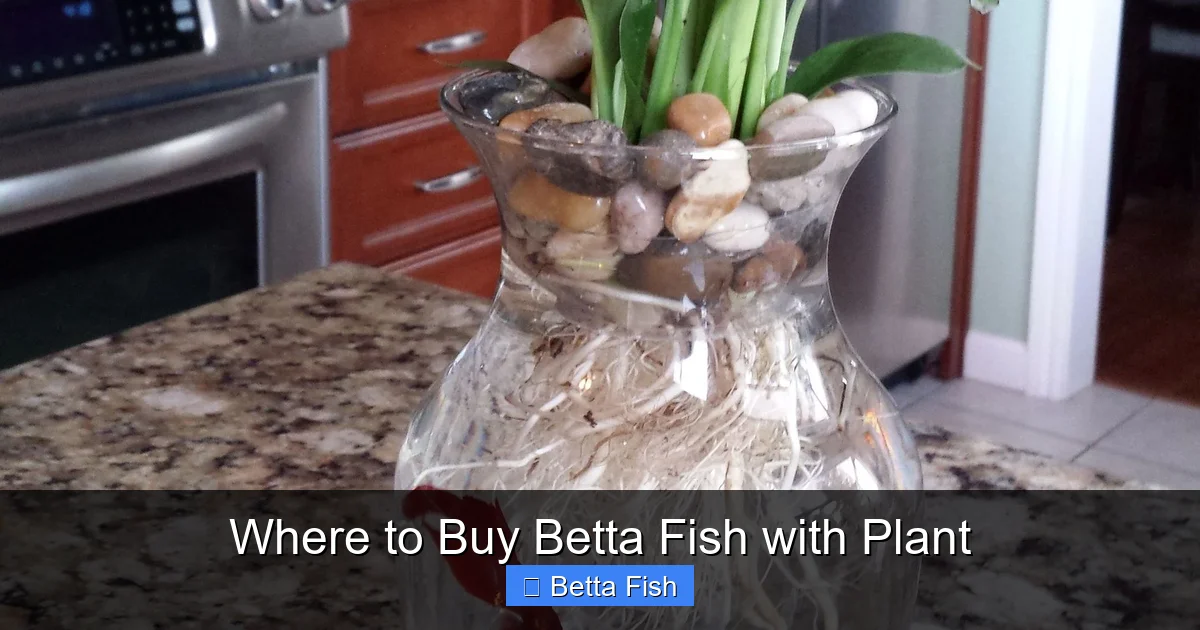
Can I keep a betta with a plant in a bowl or vase?
No. While a small vase with a plant (like a peace lily) is a common marketing gimmick, it is an unsuitable and often lethal environment for a betta. Bettas need heated, filtered water with a stable cycle, a minimum of 5 gallons of space, and surface access to breathe. A small bowl lacks the volume for stable water parameters and cannot properly support a filter or heater. Always use a filtered, heated aquarium of at least 5 gallons.