Is There a Certain Way to Breed Betta Fish
Yes, there is a specific way to breed betta fish, and getting the details right makes all the difference. Breeding betta fish requires the right tank setup, careful water conditions, and a healthy male and female pair. This guide walks you through every step, from choosing your fish to raising healthy betta fry.
Breeding betta fish can feel overwhelming at first. There are so many things to consider, from tank size to water temperature. But here is the good news. Breeding betta fish is not as hard as it looks once you know the right steps.
Many people think betta fish will just breed on their own. That is not true. You need to create the right environment and conditions. This guide breaks it all down in simple steps. Whether you are a beginner or have some experience, you will find useful tips here. Let us walk through the process together.
Key Takeaways
- Proper tank setup is essential: A separate breeding tank with the right size and conditions helps betta fish breed safely.
- Water temperature matters a lot: Keeping the water at the ideal range encourages spawning and keeps both fish healthy.
- Male betta fish build bubble nests: This is a key sign of readiness and plays a big role in the breeding process.
- Feeding the right diet boosts success: High-quality food prepares both fish for breeding and keeps them in top condition.
- Betta fry need special care: Separate tanks and proper feeding help the young fish grow strong and survive.
- Know the signs of a healthy pair: Color, behavior, and activity levels tell you if your fish are ready to breed.
- Patience is key: Rushing the process can stress the fish and lower your chances of success.
📑 Table of Contents
Understanding Betta Fish Breeding Basics
Before you start, you need to understand how betta fish reproduce. Male and female bettas behave differently during breeding. The male builds a bubble nest at the surface. This nest holds the eggs once the female lays them. Without a healthy bubble nest, breeding will not work.
Betta fish breeding works best when both fish are healthy and mature. A male betta fish should be at least 4 to 6 months old. A female betta fish should be around the same age. Younger fish may not be ready, and older fish may have trouble spawning.
Choosing the Right Pair
Not all betta fish pairs will get along. You need to pick a healthy male and a healthy female. Look for bright colors and active behavior. Avoid fish that look dull or lethargic. A healthy betta fish will have vibrant fins and clear eyes.
It helps to condition the pair before breeding. Feed them high-quality food for about two weeks. This prepares their bodies for spawning. You can use live or frozen food to boost their health.
Setting Up the Breeding Tank
The breeding tank is the most important part of the process. You cannot use a regular tank without changes. Betta fish need a specific setup to feel safe and ready to breed.
A tank between 5 and 10 gallons works well for breeding. Make sure the tank has a lid. Betta fish jump, and you do not want your fish escaping during this sensitive time. Best tank size for a betta fish for breeding is around 10 gallons. This gives enough room without making the fish feel too exposed.
Water Conditions for Breeding
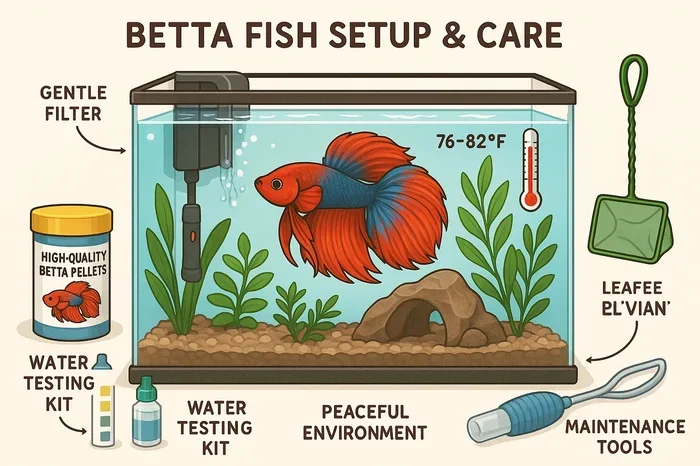
Water quality is critical when you want to breed betta fish. The water should be clean and free of chlorine. Use a water conditioner to remove harmful chemicals. Keep the water temperature steady between 78 and 82 degrees Fahrenheit.
Here are the key water parameters to watch:
- Temperature: 78 to 82 degrees Fahrenheit
- pH level: Between 6.5 and 7.0
- Ammonia: 0 ppm
- Nitrite: 0 ppm
- Nitrate: Below 20 ppm
Use a heater and a thermometer to keep the temperature stable. Sudden changes in temperature can stress the fish and ruin the breeding attempt. Best temperature for a betta fish tank during breeding is around 80 degrees Fahrenheit. This range encourages spawning and keeps both fish comfortable.
Adding Plants and Hiding Spots
Betta fish feel safer in a tank with plants and hiding spots. Add live or silk plants to the breeding tank. The female needs places to hide if the male becomes aggressive. Java moss and floating plants work great. They also help the baby fish feel secure after hatching.
Avoid sharp or rough plants. Betta fins are delicate and can tear easily. Soft silk plants are a safer choice. You can also add a sponge filter to keep the water clean without creating too much current.
The Breeding Process Step by Step
Now that your tank is ready, it is time to introduce the pair. This is a delicate step. Go slow and watch their behavior closely.
Introducing the Male and Female
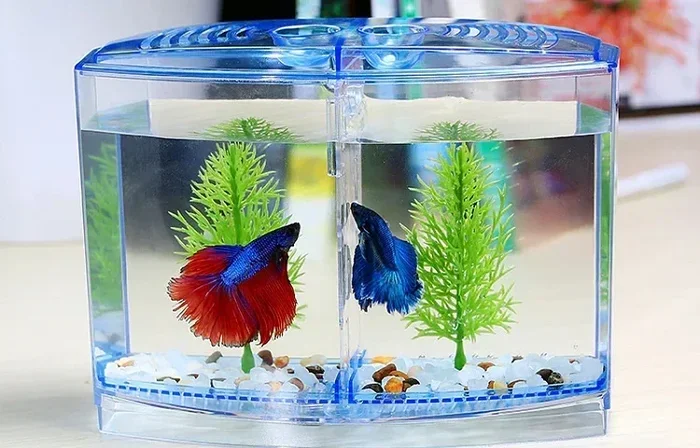
Place the female in a clear container inside the breeding tank first. Let the male see her through the glass for a day or two. This helps them get used to each other. After a day, release the female into the tank.
Watch how they interact. Some chasing is normal. But if the male bites the female or causes injuries, separate them right away. You do not want either fish to get hurt. A healthy breeding session should look like a gentle dance between the pair.
Bubble Nest Building
The male betta will start building a bubble nest at the surface. This is one of the most exciting signs that breeding is working. The nest looks like a cluster of tiny bubbles stuck together.
A strong bubble nest means the male is ready. If the nest falls apart or the male stops building, check the water conditions. Sometimes stress or poor water quality stops the process. Be patient and let the fish do their thing.
Spawning and Egg Laying
When the pair is ready, the male will wrap his body around the female. She will release eggs, and the male will fertilize them right away. This process can happen several times over a few hours. The male will collect the eggs and place them in the bubble nest.
After spawning, remove the female from the tank. The male becomes protective of the eggs and may hurt the female if she stays. Let the male care for the eggs alone. He will guard the nest and pick up any eggs that fall.
Caring for Betta Fry
Once the eggs hatch, you have betta fry on your hands. These tiny fish need special care to survive. The male will continue to protect them for a few days. He will pick up any fry that fall and return them to the nest.
After about two to three days, the fry will start swimming freely. At this point, remove the male from the tank. He may start eating the fry if he stays too long. This sounds harsh, but it is natural betta fish behavior.
Feeding Betta Fry
Betta fry need very small food. Infusoria or liquid fry food works well for the first week. After that, you can introduce baby brine shrimp. Feed them small amounts several times a day. Clean water is just as important as food for growing fry.
Keep the water temperature stable. Use a gentle sponge filter to maintain water quality. What to feed a betta fish changes as they grow. Fry need protein-rich food to develop properly and grow strong.
Raising Healthy Fry
It takes time for betta fry to grow. You will start to see color and fin development after a few weeks. Keep the tank clean and watch for any signs of illness. Remove any dead fry immediately to keep the water clean.
As the fry grow, you can move them to a larger tank. By the time they are about 8 weeks old, they will look like small versions of adult bettas. At this stage, you can start thinking about separating them into individual containers.
Common Mistakes to Avoid
Many beginners make mistakes when trying to breed betta fish. Avoiding these common errors will save you time and frustration.
- Skipping the conditioning phase: Feeding the pair well before breeding improves success rates.
- Using a tank that is too small: A cramped tank stresses the fish and lowers breeding chances.
- Ignoring water changes: Dirty water leads to illness and failed spawning attempts.
- Leaving the female in too long: The male can become aggressive and harm the female.
- Overfeeding the fry: Too much food fouls the water quickly. Feed small amounts often.
- Not having a backup plan: Sometimes breeding does not work the first time. Stay patient and try again.
One mistake that trips up many new breeders is using soap or chemicals to clean the tank. Never use soap. It is toxic to fish and can kill your entire colony. Stick to plain water and gentle cleaning methods.
Tips for Breeding Success
Success in breeding betta fish comes down to preparation and patience. Here are some tips that experienced breeders swear by.
- Start with healthy fish. Choose a male and female with bright colors and active behavior. Healthy fish breed more successfully.
- Set up the tank in advance. Do not wait until the day you introduce the pair. The tank needs time to cycle and stabilize.
- Monitor water parameters daily. Test the water every day. Quick changes in ammonia or pH can ruin a breeding attempt.
- Feed a varied diet. Offer a mix of live, frozen, and high-quality dry food. Variety keeps the fish in top breeding condition.
- Stay calm and patient. Stress affects betta fish behavior. A calm environment leads to better results.
- Learn from each attempt. Even if breeding does not work the first time, you will learn something valuable for next time.
If you want to dive deeper into the topic, check out our guide on how to breed betta fish in a bowl. It covers a specific setup that works well for smaller spaces.
Also, keeping the right temperature for a betta fish tank is critical during breeding. You can learn more about ideal conditions in our article on the best temperature for a betta fish tank.
Finally, after breeding, you may wonder what to do with extra fish. If you are not ready to keep them all, our guide on what to do with a betta fish you do not want offers helpful advice.
Final Thoughts on Breeding Betta Fish
Breeding betta fish is a rewarding experience. It takes patience, the right setup, and a little knowledge. But when you see those tiny fry swimming in the tank, it is all worth it. Follow the steps in this guide, stay consistent with care, and give your fish the best chance to succeed.
Remember, every breeding attempt teaches you something new. Do not get discouraged if the first try does not go perfectly. Keep learning, keep improving, and enjoy the process. With the right approach, you will be breeding healthy betta fish in no time.
Frequently Asked Questions
Can I breed betta fish in a small bowl?
You can, but a small bowl is not ideal. A tank of at least 5 gallons gives the fish more room and better water stability. Larger tanks make the breeding process smoother and safer for both the adult fish and the fry.
How long does it take for betta fish to breed?
The entire process from introduction to hatching takes about 2 to 4 weeks. Conditioning the pair takes around two weeks. The actual spawning can happen within a few days after introduction, and eggs hatch in about 24 to 48 hours.
Why is my male betta not building a bubble nest?
A male betta may not build a bubble nest if the water conditions are off or if he feels stressed. Check the temperature and pH levels. Make sure the tank is calm and quiet. Sometimes it just takes time for the fish to feel ready.
What should I feed betta fry?
Feed betta fry infusoria or liquid fry food for the first week. After that, introduce baby brine shrimp. As they grow, you can offer finely crushed flake food. Always feed small amounts several times a day to keep the water clean.
Can I breed two male betta fish together?
No. Two male betta fish will fight, and it can be fatal. Always breed one male with one female. Remove the female after spawning to keep her safe from the male’s protective aggression.
How do I know if my betta fish is ready to breed?
A ready betta fish will show bright colors, active behavior, and the male will start building a bubble nest. The female should have a visible egg spot on her underside. Both fish should be healthy and at least 4 to 6 months old.
=== CONCLUSION ===
Breeding betta fish follows a clear process when you know what to do. From setting up the right tank to caring for the fry, every step matters. Keep the water clean, feed the fish well, and give them a stress-free environment. With patience and attention to detail, you can successfully breed betta fish at home. Start with healthy fish, follow the steps in this guide, and enjoy watching your betta family grow.