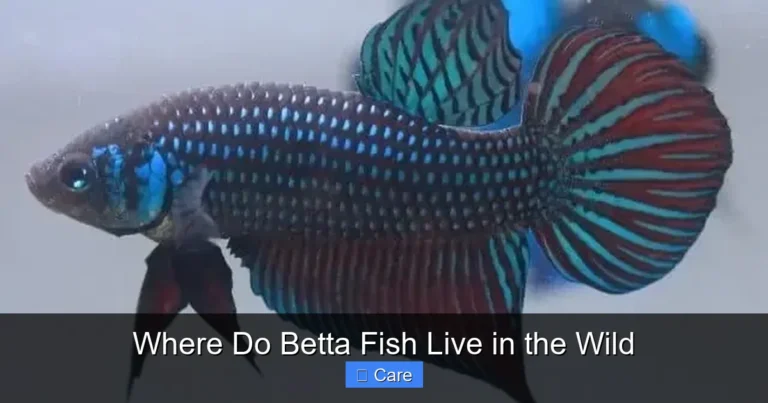
Where Does a Betta Fish Live in the Wild and at Home
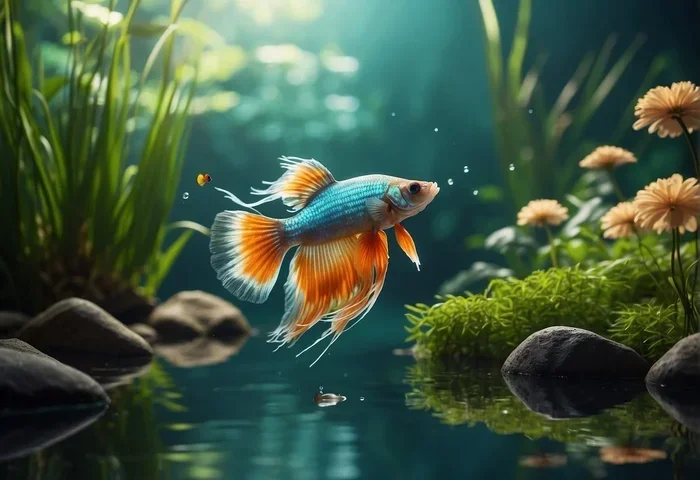
Where does a betta fish live depends on whether you look at their natural home or your living room. In the wild, these colorful fish thrive in shallow, warm waters across Southeast Asia. At home, they need a properly sized tank with clean, heated water to stay healthy and active. Understanding both environments helps you give your betta the best life possible.
Key Takeaways
- Natural Habitat: Wild bettas live in shallow rice paddies, slow-moving streams, and marshy areas with warm, standing water.
- Tank Size Matters: A single betta needs at least 5 gallons of water to swim comfortably and stay healthy.
- Water Temperature: Keep the water between 76 and 82 degrees Fahrenheit to mimic their tropical home.
- Filtration and Flow: Bettas prefer calm water, so use a gentle filter that does not create strong currents.
- Plants and Hiding Spots: Live or soft artificial plants give bettas places to rest and feel secure.
- Water Quality: Clean, dechlorinated water with stable pH levels prevents stress and disease.
- Companionship Choices: Bettas can live alone or with careful tank mates, but never with aggressive or fin-nipping fish.
📑 Table of Contents
Where Does a Betta Fish Live in the Wild
Bettas have a fascinating story that starts long before they became popular pets. If you wonder where does a betta fish live in nature, the answer takes you to warm, shallow waters in Southeast Asia. These fish are native to countries like Thailand, Cambodia, Vietnam, and Laos. They thrive in places where water is calm, warm, and full of cover.
Wild bettas often live in rice paddies, slow-moving streams, and flooded grasslands. They also use small ponds and marshy areas during the rainy season. The water in these places is usually soft and slightly acidic. It stays warm because of the tropical climate. Plants, roots, and leaf litter give bettas plenty of hiding spots.
These natural settings shape everything about how bettas behave. They are used to spaces with lots of cover and gentle water movement. They also know how to survive in water that changes with the seasons. That is why bettas can breathe air from the surface. They have a special organ called a labyrinth that lets them gulp oxygen when water levels drop.
Shallow Water and Seasonal Changes
One of the most important things to understand is that wild bettas do not live in deep, open water. They prefer shallow areas where sunlight reaches the bottom. These shallow zones warm up quickly and support lots of tiny insects and plankton. Bettas eat small creatures and organic bits they find among the plants.
Seasonal rain and dry periods also affect where does a betta fish live in the wild. When the dry season comes, some pools shrink. Bettas adapt by staying in the remaining water and using their labyrinth organ more often. When the rains return, they spread into new flooded areas. This ability to adjust is part of what makes them so resilient.
What the Wild Environment Teaches Us
The wild habitat gives us clear clues about good home care. Bettas like warmth, cover, and calm water. They also do best when the water is clean but not blasted by strong flow. If you keep these ideas in mind, you can build a tank that feels more natural to your fish.
It also helps to remember that bettas are not built for cold or harsh conditions. They need steady warmth and stable water. Sudden changes can stress them out fast. That is why a thoughtful setup matters so much, whether you are a new owner or an experienced one.
Where Does a Betta Fish Live at Home
When people ask where does a betta fish live in a home setting, they usually picture a small bowl or a tiny tank. That image is common, but it is not ideal. Bettas can survive in small spaces for a while, but they do not thrive there. A better home gives them room to swim, explore, and rest.
A good home setup starts with enough space. A tank that holds at least 5 gallons is a much better choice than a tiny container. More water means more stability. It also gives your betta a chance to move around naturally. In a larger tank, the water temperature stays steadier and the water quality is easier to manage.
Home environments should also mimic the calm, planted feel of their natural habitat. That does not mean you need a jungle in your living room. It simply means adding gentle cover and keeping the water comfortable. A few live or soft artificial plants, a smooth cave, and a quiet filter can make a big difference.
Tank Size and Shape
Tank size is one of the biggest factors in long-term betta health. Small containers may look cute, but they limit movement and make water conditions harder to control. A rectangular tank is usually better than a tall, narrow one because it gives more surface area. More surface area helps with oxygen exchange and gives your betta easier access to the top.
If you are choosing a home for your betta, think about swimming room first. A wider tank often works better than a fancy-shaped one. Bettas appreciate horizontal space where they can patrol their territory. They also like clear lines of sight so they can feel secure in their space.
Heating and Temperature Control
Warmth is essential. Bettas come from tropical areas, so they prefer water that stays in a steady warm range. A good aquarium heater helps maintain that comfort. Without heat, bettas can become sluggish and more prone to illness. Temperature swings are especially stressful, so consistency matters just as much as the right range.
You should also place the tank away from drafts, direct sunlight, and sudden temperature changes. A spot near a window may seem nice, but sunlight can heat the water too much or encourage algae growth. A stable indoor location is usually the safest choice.
Water Conditions and Habitat Setup
Good water is the foundation of a healthy betta home. When people think about where does a betta fish live, they often focus on the tank itself and forget the water inside it. The truth is that water quality affects everything. It influences energy, appetite, fin health, and overall comfort.
Bettas do best in clean water that is free from harmful chemicals. Tap water usually needs treatment before it goes into the tank. A water conditioner can neutralize chlorine and chloramine. It is also smart to test the water regularly so you know the pH and other basics stay in a safe range.
Filtration is important too, but bettas do not like strong currents. A gentle filter keeps the water moving enough to stay healthy without pushing your fish around. If the flow feels too intense, you can adjust it or add a baffle to soften it. The goal is clean water with a calm feel.
Plants, Decor, and Resting Spots
Plants and decor help create a natural-looking habitat. Live plants can improve the tank environment by offering shelter and helping the water stay balanced. Soft artificial plants work well too, as long as they do not tear delicate fins. Smooth rocks, driftwood, and simple hiding spots give your betta places to explore and rest.
Bettas also enjoy resting near the surface. In the wild, they often pause among roots or stems while breathing air. At home, they may rest on a leaf or near the top of the water. Adding a broad leaf or a quiet corner can make the tank feel more comfortable.
Lighting and Day-Night Rhythm
Lighting helps set a healthy rhythm. Bettas do not need bright light all day. A regular cycle of light and darkness works best. Too much light can stress them or encourage unwanted algae. Too little light can make the tank feel empty and unnatural. A balanced schedule helps your betta stay active during the day and rest at night.
If you use live plants, they may need more light than a betta alone. In that case, you can choose low-light plants and keep the schedule moderate. The main goal is to create a calm, predictable environment that supports both fish and plants.
Common Home Mistakes and Better Choices
Many new betta owners want to do the right thing, but some common habits can cause problems. One of the biggest mistakes is choosing a tank that is too small. Another is assuming bettas live happily in cold water or still water with no filtration. These ideas come from old myths, not from what bettas actually need.
It also helps to avoid overdecorating. A tank packed with sharp objects or tight spaces can stress a betta out. The best setup leaves room to swim while still offering shelter. Simple, clean, and gentle is usually better than busy and crowded.
Feeding and Routine Care
A healthy habitat is only part of good care. Feeding matters too. Bettas are carnivorous by nature, so they do best on a varied diet made for bettas. Overfeeding can pollute the water quickly, especially in smaller tanks. Feed small amounts and watch how your fish responds.
Routine care keeps the habitat stable. Partial water changes help remove waste and refresh the tank. Cleaning the glass, checking the filter, and testing the water on a regular schedule can prevent small problems from becoming big ones. A steady routine gives your betta a safer, calmer home.
Quick Tips for a Better Betta Home
- Start with at least a 5-gallon tank for one betta.
- Use a gentle heater to keep water warm and steady.
- Choose a low-flow filter that keeps water clean without strong currents.
- Add soft plants or smooth decor for cover and resting spots.
- Treat tap water before using it in the tank.
- Keep a regular light schedule and avoid sudden temperature changes.
- Watch your betta daily for signs of stress, lethargy, or fin damage.
Betta Fish Habitat Comparisons
It can help to compare different setups side by side. Not all homes are equal, and the right choice depends on comfort, stability, and space. The table below shows how common options stack up when you think about where does a betta fish live best.
| Setup | Space | Water Stability | Comfort Level | Best For |
| Small bowl | Very limited | Low | Poor long-term | Short-term display only |
| 5-gallon tank | Moderate | Good | Much better | One betta with simple care |
| 10-gallon tank | Generous | Very good | High | Active betta with plants and decor |
| Filtered community tank | Variable | Good with care | Depends on mates | Careful tank mate selection |
| Heated planted tank | Flexible | Excellent | High | Natural-style habitat |
This comparison shows why space and stability matter so much. A larger, heated, and gently filtered tank usually gives a betta a much better life than a tiny container. It also makes routine care easier, which helps the fish stay healthy over time.
Living Well With a Betta at Home
A betta’s home is more than a tank. It is the whole environment you create around it. That includes noise, traffic, and how often the fish gets disturbed. Bettas can be shy or bold depending on their personality, but they all appreciate calm surroundings. A quiet spot with gentle care usually works best.
You can also make the habitat more enriching by observing your betta and adjusting as needed. Some bettas like to patrol the front of the tank. Others prefer to stay near plants or resting spots. If your fish seems stressed, try reducing flow, adding cover, or simplifying the setup. Small changes can make a big difference.
If you ever want to learn more about suitable tank conditions, you may find it helpful to read about whether a betta fish can live in a filtered tank or how bettas handle tap water. Those topics connect closely to habitat quality and can guide your setup choices.
When to Reevaluate the Setup
Even a good tank may need adjustments over time. If your betta loses color, hides constantly, clamps its fins, or swims oddly, take a closer look at the habitat. Check the temperature, water quality, filter flow, and decor. Sometimes the answer is as simple as a water change or a small setup tweak.
It is also wise to think about the tank’s long-term fit. A betta that grows more active may appreciate more space. A tank that once felt fine may need better filtration or more cover later. Watching your fish closely helps you respond before small issues become serious.
Expert Insights for a Natural Feel
Experienced keepers often say the best betta homes balance simplicity with comfort. You do not need a complicated aquarium to do well. You do need clean water, steady warmth, enough room, and a calm environment. Those basics create a habitat that feels closer to the places where bettas naturally live.
Another helpful idea is to think in terms of behavior, not just appearance. If your betta can swim, rest, explore, and breathe comfortably, the habitat is probably working. A beautiful tank is nice, but a functional one matters more. When form and function work together, your betta gets the best of both.
Conclusion
So, where does a betta fish live? In the wild, it lives in warm, shallow, plant-filled waters that change with the seasons. At home, it lives best in a stable, clean, and gently filtered tank with enough space to swim and rest. The more your setup reflects those needs, the happier and healthier your betta is likely to be.
A good betta habitat is not about fancy gear or perfect aesthetics. It is about giving your fish the basics it needs every day. Warm water, clean conditions, calm flow, and safe cover go a long way. When you build around those essentials, you create a home that supports your betta’s natural behavior and long-term well-being.
If you take one thing from this guide, let it be this: think of your betta’s home as a living environment, not just a container. Choose wisely, observe often, and make small improvements when needed. That approach will help your betta feel secure, active, and comfortable in the place you provide.
Frequently Asked Questions
Where does a betta fish live in the wild?
In the wild, a betta fish lives in shallow, warm waters such as rice paddies, slow streams, and marshy areas in Southeast Asia. These places usually have lots of plants, roots, and calm water.
Where does a betta fish live best in a home tank?
A betta fish lives best in a heated, gently filtered tank with at least 5 gallons of water and some plants or hiding spots. Stable warm water and clean conditions matter more than a fancy setup.
Can a betta fish live in a bowl?
A betta fish can survive in a bowl for a short time, but a bowl is usually too small for long-term health and stable water. A larger tank with a heater and filter is a much better choice.
Do betta fish need a filter in their tank?
Yes, betta fish usually do better with a gentle filter that keeps the water clean without creating strong currents. Calm filtration helps maintain water quality while still feeling comfortable to the fish.
What water temperature does a betta fish need?
A betta fish prefers warm water, usually between 76 and 82 degrees Fahrenheit. Keeping the temperature steady is important because sudden changes can stress the fish.
Can a betta fish live with other fish or snails?
A betta fish can sometimes live with peaceful tank mates, but it depends on the individual fish and the tank setup. Some owners also ask whether a freshwater snail can live with a betta fish, and careful selection is important there too.