Where Do Betta Fish Live Natural Habitat
Contrary to popular belief, Betta fish are not from small, dirty puddles. In the wild, they thrive in the shallow, slow-moving waters of Southeast Asia’s vast floodplains, rice paddies, and dense vegetated streams. Their natural habitat is a dynamic, planted environment with warm, acidic “blackwater” conditions. Understanding this true ecosystem is crucial for providing proper care and appreciating these complex fish.
Key Takeaways
- Wild Betta fish are native to the tropical floodplains of Southeast Asia. Their range includes central Thailand, Cambodia, Vietnam, and parts of Malaysia and Indonesia, not just isolated puddles.
- Their core habitat is shallow, slow-moving or stagnant water. This includes rice paddies, irrigation canals, marshes, and the edges of larger streams and ponds, not deep, fast-flowing rivers.
- The water is uniquely “blackwater” or “peat swamp” water. It is stained dark brown by tannins from decaying vegetation, is soft, slightly acidic, and very low in minerals.
- Dense aquatic and marginal vegetation is absolutely essential. Plants provide oxygen, hiding spots from predators, nesting material for bubble nests, and a rich ecosystem of infusoria and insects for food.
- Their environment is subject to dramatic seasonal changes. The monsoon rainy season causes massive flooding, expanding their habitat into new areas, while the dry season concentrates them into remaining pools.
- Betta splendens is just one of over 70 species in the Betta genus. While the Siamese Fighting Betta is the most famous, other wild species have different, sometimes more specialized, habitat requirements.
- Recreating key elements of this habitat in captivity leads to healthier, more active fish. This includes warm water (78-80°F/25-27°C), tannin-stained water, live plants, gentle filtration, and a varied diet.
📑 Table of Contents
- The Shocking Truth About Betta Fish Habitats
- A Geographic Tour: The Floodplains of Southeast Asia
- The Chemistry of Blackwater: Tannins and Acidity
- The Living Jungle: The Critical Role of Vegetation
- Seasonal Rhythms and Daily Life in the Wild
- Threats to the Wild Betta: It’s Not Just About the Aquarium
- Bringing the Wild Home: Replicating the Habitat in Your Aquarium
- Conclusion: From Myth to Mastery
The Shocking Truth About Betta Fish Habitats
If you were to ask a random person on the street where betta fish come from, you’d likely hear, “Thailand,” or perhaps, “small, muddy puddles.” While geographically close, the second part of that answer is a pervasive myth that does a profound disservice to one of the aquarium world’s most beloved fish. The popular image of a Betta splendens, the Siamese Fighting Fish, trapped in a tiny, dirty jar is not just cruel—it’s a complete fabrication of their natural world. The reality of their wild habitat is far more beautiful, complex, and fascinating. It’s a story of seasonal floods, dense jungle vegetation, and uniquely acidic waters. Understanding this true origin story is the first and most critical step in becoming a responsible betta keeper. It moves us from simply maintaining a pet to thoughtfully replicating an ecosystem, ensuring our finned friends can express their natural behaviors and thrive with vitality.
This article will dive deep into the flooded forests and peat swamps of Southeast Asia. We’ll explore the specific water chemistry, the vital role of plants, the dramatic seasonal rhythms that define their existence, and how this knowledge directly translates into creating a better home for your betta. Prepare to have everything you thought you knew about betta habitats flipped on its head.
A Geographic Tour: The Floodplains of Southeast Asia
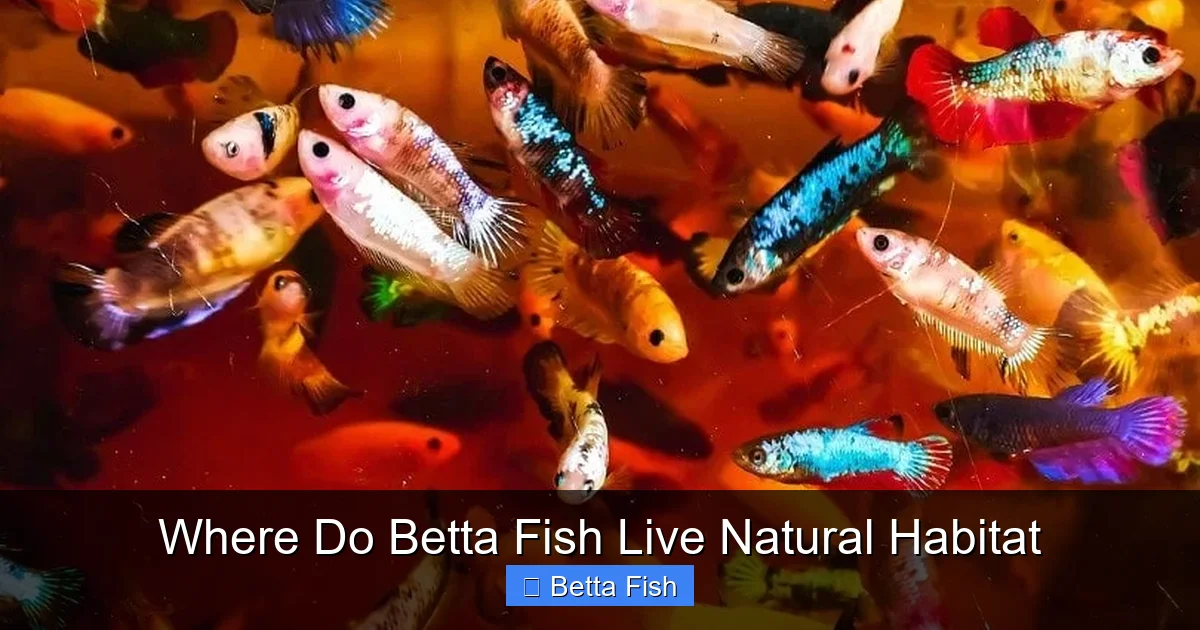
To find a wild betta, you don’t look for a desert or a mountain stream. You look to the vast, flat, tropical lowlands of mainland Southeast Asia. The heartland of the Betta splendens is the Chao Phraya river basin in central Thailand. From there, its native range extends into the Mekong delta of Vietnam and Cambodia, and into smaller river systems in neighboring Laos and Myanmar. Other Betta species have even more specific and sometimes remote distributions across the Malay Peninsula, Sumatra, and Borneo.
Visual guide about Where Do Betta Fish Live Natural Habitat
Image source: hepper.com
The Landscape of the Floodplain
Imagine a wide, flat plain stretching to the horizon, crossed by a network of slow-moving, muddy rivers. For most of the year, this is the scene. But with the arrival of the southwest monsoon in May or June, everything changes. Torrential rains cause the rivers to overflow their banks, transforming the entire plain into a massive, shallow inland sea. What were once dry fields, trails, and isolated ponds become a continuous, interconnected wetland. It is during this flood season that bettas truly come into their own.
They move out from the main river channels and into the newly flooded areas. These include:
- Rice Paddies: The cultivated fields are perfect betta habitats during the flood. The shallow, still water, soft substrate, and abundant insect life are ideal.
- Abandoned Oxbow Lakes and Lagoons: These curved remnants of old river channels are often heavily vegetated and isolated.
- Swamps and Marshes: Permanently wet areas filled with reeds, grasses, and shrubs.
- Peat Swamp Forests: This is a particularly special habitat. These are waterlogged forests where dead plant matter accumulates as acidic peat, creating the classic blackwater conditions.
- The Margins of Larger Waterways: Dense vegetation along the edges of slower stretches of rivers and streams provides shelter.
The key takeaway here is connectivity and shallowness. Their habitat is not a deep, fast-flowing river. It is a shallow (< 12 inches / 30 cm deep is common), slow-moving or stagnant network of water that blankets the landscape seasonally.
The Chemistry of Blackwater: Tannins and Acidity
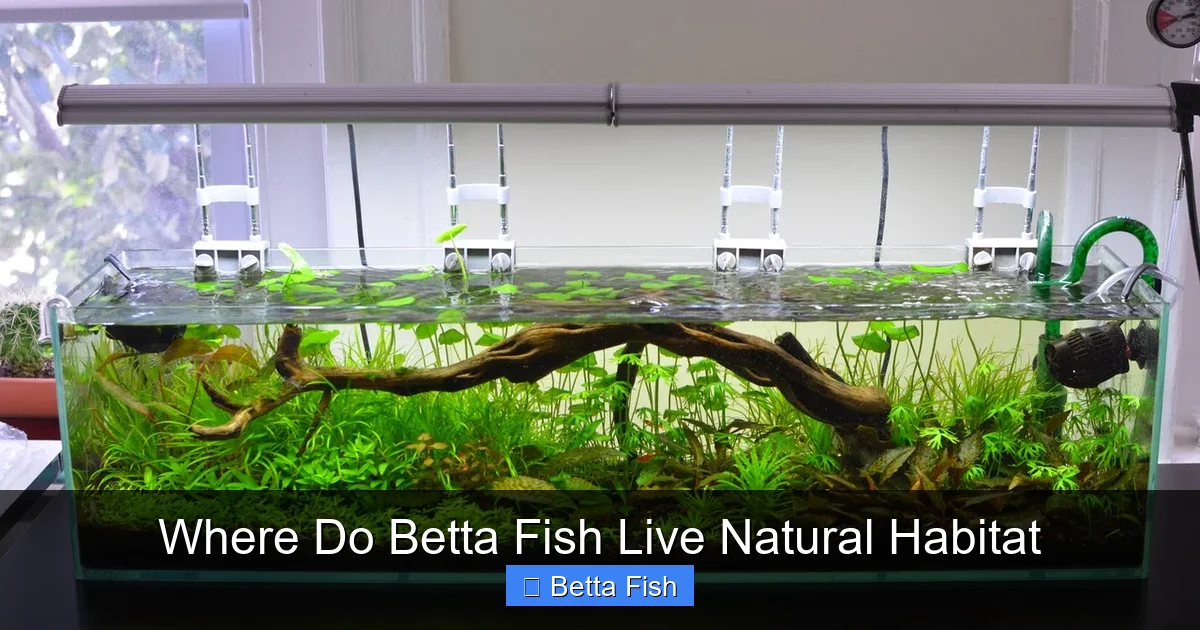
This is the single most misunderstood aspect of the betta’s natural home. The water is not clear and blue like a mountain lake. It’s the color of weak tea, cola, or amber. This staining is caused by tannins and humic acids released as vegetation—leaves, twigs, bark—decays in the water. This process creates what aquarists call “blackwater” or “peat-stained” water.
Visual guide about Where Do Betta Fish Live Natural Habitat
Image source: lh3.googleusercontent.com
Water Parameters: Soft, Acidic, and Warm
The chemical signature of this blackwater is distinct and consistent:
- pH: Typically ranges from 5.0 to 6.8, leaning towards acidic. This is due to the humic acids.
- GH (General Hardness) & KH (Carbonate Hardness): Very low. The water is “soft,” meaning it has low concentrations of dissolved minerals like calcium and magnesium. This is because the water flows through sandy, acidic soils and decaying organic matter, not through limestone or mineral-rich rock.
- Temperature: Consistently warm. In the tropics, air and water temperatures rarely drop below 75°F (24°C) and often soar into the high 80s°F (30-31°C). Stability is key; there are no cold winters.
This soft, acidic environment is not just a coincidence; it’s a fundamental part of their physiology. Bettas, like many tropical fish from this region, have evolved to thrive in these conditions. Their famous labyrinth organ, which allows them to breathe atmospheric air, is an adaptation to the often poorly oxygenated, warm, stagnant water. The tannins themselves have mild antibacterial and antifungal properties, potentially helping to control pathogens in a warm, organic-rich environment.
The Living Jungle: The Critical Role of Vegetation
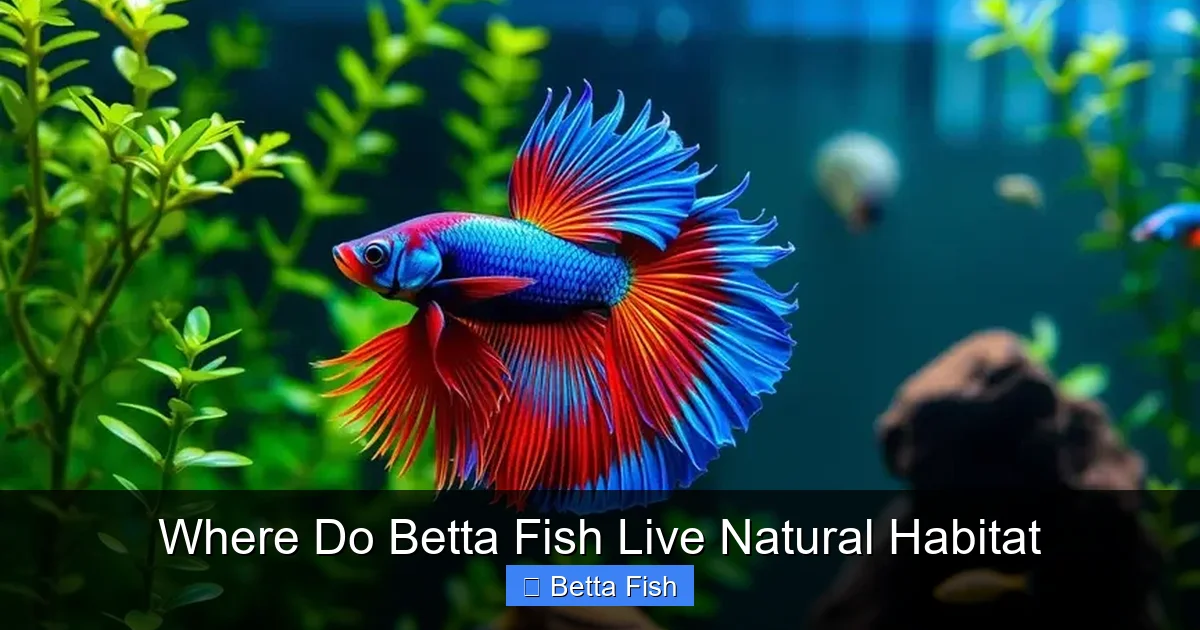
If the tannin-stained water is the canvas, the dense vegetation is the entire painting. A betta’s habitat without plants is like a human living in a bare concrete room. Plants are not optional decor; they are the structural and ecological foundation of their world.
Visual guide about Where Do Betta Fish Live Natural Habitat
Image source: infishtank.com
Types of Plants and Their Functions
The vegetation in a betta’s habitat exists in several layers, each serving a purpose.
- Submerged Aquatic Plants: Plants like hornwort, ceratophyllum, and various species of Cryptocoryne and Aponogeton grow entirely underwater. They provide critical oxygen through photosynthesis, absorb ammonia and nitrates, and create a complex underwater forest for the betta to explore, rest among, and hide in.
- Floating Plants: This is the most vital layer for a betta. Plants like water lettuce, duckweed, and the roots of hyacinth or pennywort form a dense canopy on the water’s surface. This canopy is essential because:
- It diffuses harsh overhead light, creating a dappled, shaded environment they prefer.
- It provides the perfect platform and anchor for the male betta to build his iconic bubble nest. The nest is built among the plant roots or under leaves.
- It offers a feeling of security, mimicking the overhead cover of jungle foliage.
- It helps maintain high humidity just above the water surface, which is beneficial for their labyrinth organ.
- Marginal/Emersed Plants: These are plants rooted in the substrate but growing out of the water, like reeds, rushes, and the long stems of many riparian species. Their roots and lower stems dangle into the water, adding incredible complexity and more surface cover.
In the wild, this vegetation is so dense that a human wading through would find it nearly impassable. For the betta, it’s a three-dimensional paradise of tunnels, caves, and platforms.
Seasonal Rhythms and Daily Life in the Wild
The betta’s existence is not static; it’s a cycle dictated by the monsoon. Understanding this rhythm explains so much of their instinctual behavior.
The Flood Season: Expansion and Abundance
As the waters rise, bettas spread out into the new territory. This is a time of relative plenty. The flooded vegetation teems with life. Their primary diet consists of:
- Surface Insects: Mosquito larvae, water striders, and other small bugs that fall or land on the water surface.
- Zooplankton and Infusoria: Tiny aquatic organisms thriving in the warm, nutrient-rich water.
- Small Crustaceans: Like Daphnia and copepods.
- Worms and Larvae: Found in the soft substrate and decaying leaf litter.
They are opportunistic micro-predators, picking food from the water surface, among plants, and from the substrate. Males will establish small territories around a clump of plants, build a bubble nest, and display to passing females.
The Dry Season: Concentration and Survival
As the rains cease, the landscape drains. The vast wetland shrinks back into a series of disconnected pools, oxbows, and the main river channels. Bettas become concentrated in these remaining pockets of water. Competition for space and food can increase. The water also becomes warmer, shallower, and the chemistry can fluctuate more dramatically. The ability to gulp atmospheric air from the surface becomes absolutely critical for survival in these warming, oxygen-depleting pools. This seasonal bottleneck is also a natural population control mechanism.
Threats to the Wild Betta: It’s Not Just About the Aquarium
The wild betta’s habitat is under severe and growing pressure. The “Least Concern” status on the IUCN Red List for Betta splendens can be misleading, as many localized populations are in decline. The primary threats are all human-driven:
- Habitat Loss and Degradation: This is the biggest threat. Vast areas of peat swamp forest and wetland are being drained and cleared for agriculture (especially palm oil plantations), aquaculture (shrimp farms), and urban development. Pollution from agricultural runoff (pesticides, fertilizers) and industrial waste poisons the sensitive blackwater ecosystems.
- Over-Collection for the Pet Trade: Historically, wild bettas were captured en masse for the international aquarium trade. While most bettas in the trade today are captive-bred (especially in Thailand), localized wild populations can still be impacted by unsustainable collection, particularly for rare color morphs or other Betta species.
- Introduction of Invasive Species: Non-native fish, plants, and animals introduced to these delicate ecosystems can outcompete, prey on, or introduce diseases to wild betta populations.
The survival of wild bettas is intrinsically linked to the conservation of Southeast Asia’s unique peat swamp and floodplain ecosystems. Supporting ethical, captive-bred sources for pet bettas is a direct way to reduce pressure on wild populations.
Bringing the Wild Home: Replicating the Habitat in Your Aquarium
Armed with this ecological knowledge, we can move far beyond the minimalist “just a bowl” approach. The goal is to create a stable, planted microcosm that mirrors the key pillars of their natural world.
Essential Replicas for a Thriving Betta Tank
1. Tank Size and Shape: Forget the “bowl.” A 5-gallon (19-liter) tank is the absolute bare minimum, with 10 gallons (38 liters) being far more suitable. A longer, wider tank provides more surface area for exploration and bubble nest building than a tall, narrow one.
2. Water Conditions: Aim for a temperature of 78-80°F (25-27°C). To gently lower pH and add beneficial tannins, use natural methods: add Indian almond (Ketapang) leaves, a piece of Malaysian driftwood, or a pouch ofpeat (pre-soaked and in a filter media bag). Avoid chemical pH adjusters. Use a water testing kit to monitor parameters.
3. Filtration: Gentle is Key. A strong current is alien to a betta. Use a hang-on-back (HOB) filter with a spray bar or baffle to diffuse the flow, or a sponge filter which provides gentle flow and excellent biological filtration. The filter intake should be covered with a sponge to protect the betta’s delicate fins.
4. The Planted Jungle: This is non-negotiable for a bioactive, stress-free environment. Start with easy, fast-growing plants that thrive in lower light: Cryptocoryne wendtii, Anubias nana (tie to driftwood/rocks), Java fern, Java moss, and Bacopa monnieri. Add floating plants like Duckweed or Salvinia—this is the single best thing you can do for your betta’s sense of security. Provide a variety of heights and textures.
5. Substrate and Décor: Use a soft, fine substrate like sand or smooth gravel to protect their sensitive underside. Provide ample hiding spots: clay pots (with holes smoothed), PVC pipes, bundles of dried cinnamon sticks (a great natural hiding tube!), and of course, the dense forest of plants.
6. Diet: Mimic their wild carnivorous diet. Feed high-quality pellets as a staple, but supplement regularly with frozen or live foods: brine shrimp, daphnia, bloodworms, and microworms. This provides essential protein and variety.
Conclusion: From Myth to Mastery
The journey to understanding the betta’s natural habitat dismantles a harmful cartoon and reveals a creature of remarkable adaptation and beauty. They are not survivors of dirty puddles; they are specialists of the vibrant, tannin-rich, plant-filled floodplains of Southeast Asia. Their famous aggression, their bubble-nesting ritual, their surface-gasping behavior—all are elegant solutions to the challenges of this specific, seasonal world.
As keepers, we hold a profound responsibility. By replicating the core elements of their blackwater jungle—the warm, soft, acidic water; the overwhelming vegetation; the gentle, filtered light—we do more than prevent suffering. We unlock their true potential. We see a fish that is curious, active, and displays its spectacular fins and colors with confidence. We move from ownership to stewardship. The next time you look at your betta, see not just a pet in a tank, but a reflection of the dynamic, flooded forests that are its ancestral home. Providing that connection is the highest form of care.
Frequently Asked Questions
Do betta fish really live in puddles in the wild?
No, this is a major misconception. While they can survive in isolated, shallow pools during the dry season, their primary and optimal habitat is the vast, vegetated floodplains and peat swamps of Southeast Asia. They are adapted to these specific, seasonal wetland ecosystems, not tiny, dirty puddles.
What is “blackwater” and why is it important for bettas?
Blackwater is water stained dark brown by tannins released from decaying vegetation like leaves and wood. It is soft, acidic, and low in minerals. This is the natural water type for bettas. Tannins can have mild antibacterial properties and help create a stable, stress-reducing environment that matches their wild habitat.
Can I keep a betta without plants?
You *can*, but you shouldn’t. Plants are essential for a betta’s well-being. They provide security, reduce stress, improve water quality, offer resting spots, and most critically, provide the surface cover needed for a male to build his bubble nest. A tank without plants is a bare, stressful environment for a betta.
How can I make my tap water safe for a betta if it’s hard and alkaline?
>Use natural methods to soften and acidify the water. The most effective is adding pre-soaked Indian almond leaves or a piece of Malaysian driftwood to the tank or filter. These release tannins. A thin layer of peat moss (in a filter bag) also works well. Always use a water test kit to monitor changes and ensure parameters remain stable.
Are all betta species the same in terms of habitat needs?
No. While all Betta species share a general preference for warm, shallow, vegetated waters, there is variation. Some, like Betta imbellis (the Peaceful Betta), are found in more flowing streams. Others, like the mouthbrooding Betta pugnax, have different breeding behaviors tied to their specific micro-habitats. The common Siamese Fighting Betta (B. splendens) is adapted to the stagnant peat swamps and floodplains.
Is the pet trade destroying wild betta populations?
The situation is complex. The vast majority of pet bettas (over 90%) are captive-bred, primarily in large-scale farms in Thailand. This actually relieves pressure on wild populations. However, unsustainable collection for rare color morphs or for other, less common Betta species can threaten localized wild populations. Supporting reputable breeders who work with captive stock is the best way to ensure your purchase doesn’t harm wild bettas.