Do Betta Fish Like Carpet Plants Best For Your Tank

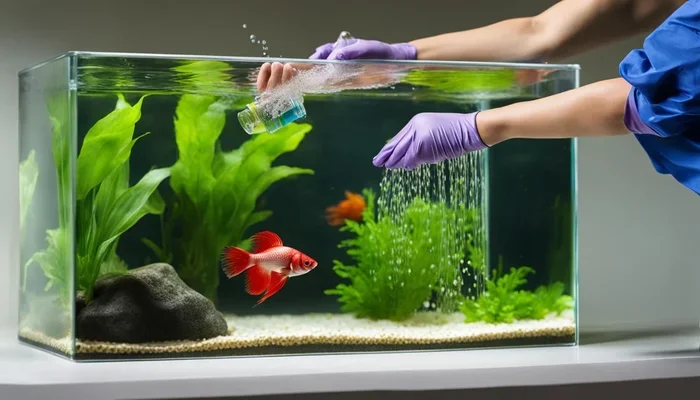
Betta fish thrive in tanks with soft, low-growing vegetation that mimics their natural habitat. Carpet plants offer excellent cover, reduce aggression, and improve water quality. Many owners wonder do betta fish like carpet plants, and the answer is a clear yes when chosen and planted correctly. These gentle greens create a safe, stimulating environment that keeps your finned friend happy and healthy.
Setting up a beautiful aquarium starts with choosing the right plants. Many new owners ask do betta fish like carpet plants because they want a tank that looks lush and feels safe. The short answer is yes. Soft, low-growing vegetation creates a calm space that matches what these fish experience in the wild. When you pick the right species and plant them well, your betta gets a comfortable home that encourages natural behavior.
Bettas are known for their bright colors and flowing fins. They also need places to rest, explore, and hide when they feel stressed. A dense layer of ground cover gives them exactly that. It also helps keep the water clean by soaking up waste and providing a home for helpful bacteria. If you want a tank that looks great and supports your fish, learning how carpet plants work is a smart first step.
Key Takeaways
- Natural comfort: Betta fish feel secure when soft carpet plants cover the tank bottom.
- Stress reduction: Dense ground cover lowers anxiety and encourages natural hiding behavior.
- Water quality boost: Live carpet plants absorb nitrates and help maintain clean water.
- Gentle selection matters: Avoid sharp or thick stems that can damage delicate fins.
- Proper planting ensures success: Use nutrient-rich substrate and stable lighting for healthy growth.
- Easy maintenance: Most carpeting species grow slowly and need only basic trimming.
- Best choices: Java moss, dwarf sagittaria, and monte carlo work well for betta tanks.
📑 Table of Contents
- Do Betta Fish Like Carpet Plants for Comfort and Security
- Choosing the Best Carpet Plants for Betta Tanks
- How to Plant Carpet Plants for a Healthy Betta Setup
- Do Betta Fish Like Carpet Plants for Water Quality and Tank Balance
- Expert Insights on Carpet Plants and Betta Behavior
- Final Thoughts: Do Betta Fish Like Carpet Plants and Should You Use Them
Do Betta Fish Like Carpet Plants for Comfort and Security
Bettas spend a lot of time near the bottom and mid-water zones. They like to rest on leaves, hide behind stems, and glide over soft surfaces. A thick carpet of plants gives them a gentle floor that feels natural. This setup reduces stress and helps them act like they would in a quiet stream or rice paddy.
Many owners notice their fish become more active after adding ground cover. The tank feels more complete, and the betta spends less time pacing the glass. If you watch closely, you may see your fish slip into small gaps, rest under a leaf, or simply float above the green layer. These are all good signs that the environment feels right.
How Carpet Plants Mimic Natural Habitats
In the wild, bettas live in shallow waters with plenty of vegetation. Grass-like plants, moss, and low shrubs cover the bottom. This growth offers shelter from strong currents and hiding spots from larger fish. A tank with similar coverage gives your betta a familiar setting that supports calm behavior.
Signs Your Betta Enjoys the Planted Bottom
You can tell a lot by watching daily habits. A relaxed betta will explore slowly, rest often, and show bright colors. It may also build bubble nests more often when it feels secure. If your fish hides less and swims with confidence, the planted bottom is likely helping.
Quick Tip: Add a few smooth stones or driftwood pieces near the carpet. These create extra resting spots without sharp edges.
Choosing the Best Carpet Plants for Betta Tanks
Not every ground cover works well for bettas. Some species grow too thick, while others need strong light or heavy fertilization. The best choices stay soft, grow slowly, and adapt to average home tanks. When you match the plant to your setup, you save time and keep your fish comfortable.
Start by thinking about your lighting, substrate, and experience level. If you are new to live plants, pick a hardy species that forgives small mistakes. If you already run a planted tank, you can try faster growers that need more care. Either way, the goal is a soft, safe bed that your betta can use without risk.
Top Plant Picks for Soft, Safe Ground Cover
Here are some reliable options that work well in betta tanks:
- Java moss: Very gentle, easy to attach, and needs little light.
- Dwarf sagittaria: Grass-like, soft blades, and spreads slowly.
- Monte carlo: Low and dense, with small leaves that stay safe for fins.
- Peat moss clusters: Natural look, soft texture, and simple to place.
- Small fern groupings: Good for creating quiet corners near the bottom.
These choices stay manageable and keep the tank floor gentle. They also look natural, which helps the whole aquarium feel balanced. If you want a tidy look, trim lightly every few weeks. If you prefer a wilder style, let the plants spread a bit more.
Plants to Avoid for Fin Safety
Some ground covers can cause problems. Thick stems, sharp edges, or rough textures may tear delicate fins. Also avoid species that grow too fast and take over the tank. A crowded bottom can make it hard for your betta to swim and rest comfortably.
Stay away from plants with stiff blades or coarse surfaces. If a plant feels rough to your finger, it may not be the best choice for a betta. The safest route is to pick soft, flexible species and check the tank regularly for any worn leaves or damaged growth.
How to Plant Carpet Plants for a Healthy Betta Setup
Good planting makes a big difference. A carpet plant needs stable roots, enough light, and a substrate that holds it in place. When you set things up correctly, the plants spread evenly and create a smooth bed. That means less maintenance and a safer space for your fish.
Start with a clean tank and a substrate that supports root growth. Fine gravel or aqua soil works well for many species. Rinse the plants gently before placing them, then space them out so they can grow together over time. Patience matters here, because a true carpet takes a few weeks to fill in.
Substrate and Lighting Basics
Betta tanks do not need intense lighting, but carpet plants still need enough light to grow. A moderate schedule works for most hardy species. If the plants stretch upward or turn pale, they may need more light. If algae starts to grow fast, you may need to reduce the duration a bit.
For substrate, choose something that holds roots without crushing them. Fine grains help small roots spread easily. If you use a nutrient-rich bottom layer, you may not need extra fertilizer right away. Keep things simple at first, then adjust as the plants settle in.
Planting Steps That Encourage Even Growth
Follow these steps for a smooth start:
- Rinse the plants gently in tank water.
- Trim any damaged leaves or long stems.
- Place small clumps a few inches apart.
- Press the roots lightly into the substrate.
- Add a gentle water flow so the plants settle without washing away.
- Watch for new growth and fill in bare spots later.
This method helps the plants spread evenly. It also keeps the tank floor stable, which is important when your betta rests on or near the carpet.
Do Betta Fish Like Carpet Plants for Water Quality and Tank Balance
Live plants do more than look nice. They help keep the water cleaner by using waste as food. Carpet plants absorb nitrates and offer surface area for beneficial bacteria. That means less stress on your filter and a steadier environment for your fish.
A balanced tank also stays healthier over time. When plants grow well, they compete with algae for nutrients. This can reduce green buildup on the glass and decorations. A cleaner tank is easier to maintain, and your betta benefits from steadier water conditions.
How Ground Cover Helps Reduce Stress
Stress is one of the biggest risks in small tanks. Bright open spaces can make bettas feel exposed. A soft carpet breaks up the view and gives the fish a sense of privacy. That can lead to better sleep, more natural movement, and a calmer temperament.
If your betta seems jumpy or hides too much, adding ground cover may help. The key is to create a tank that feels full but not crowded. Leave open swimming paths so your fish can move freely while still having safe spots nearby.
Maintaining a Clean, Planted Bottom
Even easy plants need some care. Trim dead leaves, remove debris, and check for thinning areas. A little upkeep keeps the carpet healthy and prevents rotting material from affecting water quality. Regular small cleanups work better than rare deep cleans.
Common Mistakes: Overplanting the tank, using sharp decor, and skipping water changes can all cause problems. Keep the bottom breathable and the water fresh.
Expert Insights on Carpet Plants and Betta Behavior
Experienced keepers often say that a planted bottom changes the whole mood of a tank. The fish seems more settled, the water feels more stable, and the aquarium looks alive. That does not happen by accident. It comes from giving the betta a space that supports its natural habits.
One useful approach is to think of the tank as a small ecosystem. Plants, water flow, light, and decor all work together. When these parts balance well, your betta gets a home that feels safe and interesting. That is why many owners see better behavior after adding a soft carpet of plants.
What Long-Term Keepers Notice
Over time, many owners report that bettas spend more time exploring planted areas than bare bottoms. They also see fewer signs of frustration, such as constant pacing or fin clamping. A well-planted tank can make daily care easier too, because the water often stays clearer between changes.
Adjusting Your Setup Over Time
Every tank changes. Plants grow, fish settle in, and water conditions shift. Check your carpet every week or two. If one area gets thick, trim it back. If another spot stays bare, move a small clump there. Small adjustments keep the tank balanced and the fish comfortable.
Expert Insight: Start simple. A hardy carpet plant, gentle light, and clean water are enough to begin. You can always add more variety later once the base is healthy.
Final Thoughts: Do Betta Fish Like Carpet Plants and Should You Use Them
If you are still asking do betta fish like carpet plants, the answer is clear. Soft ground cover gives your betta comfort, security, and a more natural place to live. It also helps the tank stay cleaner and more balanced. With the right species and a little care, a carpet plant can become one of the best additions in your aquarium.
The best results come from patience and simple choices. Pick a gentle plant, plant it well, and give it time to spread. Watch your betta’s behavior, make small adjustments, and enjoy the calming effect of a green, lived-in tank. When the bottom feels safe, your fish often becomes more active, more colorful, and much happier overall.
A planted tank is not just about looks. It is about creating a space where your betta can rest, explore, and thrive. With a soft carpet of plants, you give your fish exactly that kind of home.
Frequently Asked Questions
Do betta fish like carpet plants more than bare bottoms?
Yes, most bettas feel more secure with soft ground cover. A planted bottom gives them places to rest and hide, which can lower stress and encourage natural behavior.
Which carpet plants are safest for betta fins?
Soft, flexible species are best. Java moss, dwarf sagittaria, and monte carlo are popular choices because they stay gentle and rarely cause fin damage.
Do carpet plants need special lighting in a betta tank?
Not always. Many hardy carpeting plants do well with moderate light. If the plants stretch or fade, increase the light slightly, and if algae grows fast, reduce it a bit.
Can carpet plants help keep betta water cleaner?
They can help a lot. Live plants absorb waste, use nitrates, and provide surface area for helpful bacteria, which supports better water quality over time.
How long does it take for carpet plants to fill in?
It usually takes a few weeks, depending on the species and tank conditions. Small clumps spread gradually, so patience and light trimming help the carpet grow evenly.
Should I avoid any plants in a betta tank?
Yes, avoid rough, sharp, or overly thick plants that can tear fins or crowd the tank. If a plant feels harsh to your touch, it is probably not ideal for a betta setup.