Will Female Bettas Attack Other Fish
Female bettas can be territorial, but they don’t always attack every tank mate. With the right setup, compatible species, and proper monitoring, you can enjoy a peaceful community tank. Read on for practical tips, common mistakes, and answers to the biggest questions about female bettas and other fish.
Key Takeaways
- Temperament varies: Not all female bettas are aggressive; personality depends on genetics and environment.
- Tank size matters: A minimum of 10‑20 gallons per female betta reduces stress and fighting.
- Choose peaceful mates: Small, non‑fin‑nipping fish such as neon tetras or rasboras are usually safe.
- Monitor and intervene: Early signs of aggression should be addressed before injuries occur.
- Plants and hiding spots: Live plants, caves, and driftwood give shy fish refuge and break up sight lines.
- Female‑only groups can work: With a “sorority” setup and careful spacing, multiple females can coexist.
- Health is key: A well‑fed, healthy betta is less likely to act hostile toward tank mates.
📑 Table of Contents
- Introduction: The Common Fear About Female Bettas
- Understanding Female Betta Behavior
- Will Female Bettas Attack Other Fish? The Real Answer
- Setting Up a Safe Community Tank
- Monitoring and Managing Aggression
- Frequently Asked Questions About Female Betta Aggression
- Conclusion: Making an Informed Decision
Introduction: The Common Fear About Female Bettas
If you’ve ever walked into a pet store and saw a gorgeous female betta flaunting her bright fins, you might have wondered, “Will female bettas attack other fish?” The short answer is: sometimes, but not always. Female bettas are often labeled as “peaceful” compared to their male cousins, yet they still have a streak of territoriality that can surface under the wrong conditions.
In this article we’ll break down the science behind female betta aggression, show you how to set up a community tank that keeps everyone happy, and give you a handy checklist for spotting trouble early. Think of it as a friendly chat over coffee—no jargon, just clear advice you can use today.
Understanding Female Betta Behavior
What makes a female betta different from a male?
Male bettas are famous for their dramatic flares and fights over territory and mates. Females, on the other hand, are less flamboyant but still possess a natural instinct to protect their space. They have slightly smaller opercular (gill) flares and tend to be less aggressive overall, but they will still display dominance when they feel cramped or threatened.

Visual guide about Will Female Bettas Attack Other Fish
Image source: publicdomainpictures.net
Factors that influence aggression
- Genetics: Some strains, like the “Half‑Moon” or “Plakat,” are bred for boldness and may act more defensively.
- Tank size: A 5‑gallon bowl feels like a prison; a 15‑gallon community tank feels like a park.
- Tank mates: Fast‑moving, bright‑colored fish can trigger a betta’s chase reflex.
- Feeding schedule: Hungry bettas are more likely to nip at other fish.
- Sexual maturity: Young females are usually calmer; mature breeders can become territorial during spawning season.
Will Female Bettas Attack Other Fish? The Real Answer
When you ask “will female bettas attack other fish?” the answer depends on context. In a well‑planted, spacious aquarium with compatible species, most females will coexist peacefully. However, if you crowd the tank, choose the wrong companions, or neglect water quality, the risk of aggression rises sharply.
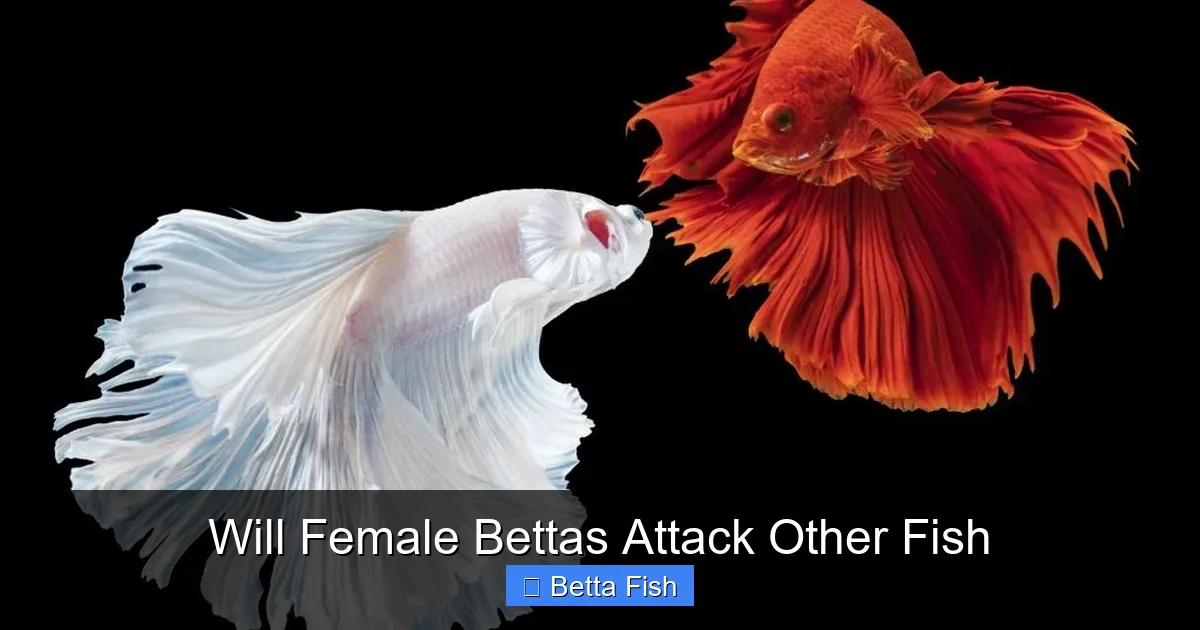
Visual guide about Will Female Bettas Attack Other Fish
Image source: bettacarefishguide.com
Common scenarios where attacks happen
- Overcrowding: Limited swimming space forces fish into close contact, increasing stress.
- Fin nippers: Species like tiger barbs have a habit of teasing fins, which can provoke a defensive flare from a female betta.
- Territorial disputes: When two females are placed together without enough hiding spots, they may fight for dominance.
When attacks are unlikely
- Slow‑moving, non‑aggressive fish: Neon tetras, harlequin rasboras, and dwarf corydoras rarely provoke a betta.
- Planted environments: Dense foliage breaks up sight lines and gives shy fish places to hide.
- Proper feeding: A well‑fed betta is less likely to view other fish as a food source.
Setting Up a Safe Community Tank
Tank size and layout
For a single female betta, aim for at least a 10‑gallon tank. If you want to keep a sorority (three or more females) or add other species, bump the volume up to 20‑30 gallons. Use a gentle slope of substrate, and place decorations in a way that creates clear “zones” rather than a single open arena.
Choosing compatible tank mates
Here are some safe choices that have proven to coexist with female bettas:
- Neon tetras (small, fast, and schooling)
- Harlequin rasboras (peaceful and colorful)
- Dwarf corydoras (bottom dwellers that stay out of the betta’s line of sight)
- Otocinclus catfish (tiny algae eaters that are too small to bother a betta)
- Snails such as Nerite or Mystery (they add cleaning power and are ignored by most bettas)
For more ideas, check out our guide on what other fish can bettas live with. Avoid fin‑nippers like guppies or barbs, and steer clear of other bettas unless you’re setting up a carefully managed sorority.
Plants, hiding spots, and décor
Live plants like Java fern, Anubias, and Vallisneria not only improve water quality but also give shy fish places to retreat. Add caves, driftwood, and PVC pipes to break up sight lines. The more “breaks” you create, the less likely a female betta will feel the need to chase.
Water parameters
- Temperature: 76‑82 °F (24‑28 °C)
- pH: 6.5‑7.5
- Hardness: 4‑12 dGH
- Ammonia & nitrite: 0 ppm
- Nitrate: < 20 ppm (ideal), < 40 ppm (acceptable)
Stable water conditions keep stress low, which directly reduces aggression.
Monitoring and Managing Aggression
Signs that a female betta is getting aggressive
- Rapid gill flaring and “bubble nest” building in the presence of other fish
- Chasing or hovering directly over a specific tank mate
- Frayed or torn fins on other fish
- Hiding behavior or loss of appetite in the betta
What to do if aggression appears
- Rearrange décor: Move plants and rocks to break up the line of sight.
- Increase hiding spots: Add more caves or dense foliage.
- Separate temporarily: Use a breeder box or a small hospital tank for the betta while you adjust the community.
- Adjust feeding: Offer multiple feedings to ensure the betta isn’t competing for food.
- Consider re‑homing: If aggression persists, it may be kinder to give the betta a species‑only tank.
Case study: A successful sorority
Emily set up a 30‑gallon tank with 4 female plakat bettas, a school of 12 neon tetras, and a trio of dwarf corys. She used a “rocky ridge” décor layout, providing each betta its own corner. After a two‑week observation period, no fin damage was seen, and the bettas displayed occasional synchronized fin flares—a sign of comfort rather than hostility. Emily’s success highlights the importance of space, visual barriers, and careful species selection.
Frequently Asked Questions About Female Betta Aggression
Will female bettas attack other fish if they are the only fish in the tank?
Even alone, a female betta may flare at her own reflection or at moving objects, but she won’t attack other fish because there are none present.
Can I keep a female betta with a male guppy?
It’s risky. Guppies have long, flowing fins that can trigger a betta’s defensive response, leading to nipping or fin damage.
Do female bettas become more aggressive during breeding?
Yes. When a female is ready to spawn, she may become territorial and guard her chosen site, which can cause temporary aggression toward nearby fish.
How long does it take for a female betta to adjust to new tank mates?
Most bettas settle within 3‑7 days if the environment is suitable. Continue to monitor for any lingering signs of stress.
Is it safe to keep a female betta with snails?
Absolutely. Snails are usually ignored, and they can help control algae. Just make sure the snails are large enough not to be seen as food.
What’s the difference between a “sorority” and a single female tank?
A sorority is a group of three or more female bettas kept together in a larger, heavily planted tank with plenty of hiding spots. A single female tank is simpler but requires less space and fewer compatibility concerns.
Conclusion: Making an Informed Decision
So, will female bettas attack other fish? The answer is nuanced. In a cramped, barren tank, the odds are high. In a spacious, well‑planted community with carefully chosen companions, most female bettas will coexist peacefully and even add a splash of color to the scene.
Before you add a female betta to your community, ask yourself: Do I have enough space? Have I selected compatible, non‑fin‑nipping species? Is my water stable? If the answer is yes, you’re on the right track. Keep an eye on behavior, be ready to intervene, and enjoy the vibrant personality that a female betta brings to the aquarium.
For more detailed guidance on mixing bettas with other fish, read Can You Keep Female Bettas With Other Fish and Will Bettas Kill Other Fish. With patience and the right setup, you’ll create a thriving, peaceful tank that showcases the best of what female bettas have to offer.
Frequently Asked Questions
Will female bettas attack other fish?
They can, but aggression is usually linked to stress, overcrowding, or incompatible tank mates. Proper setup reduces the risk dramatically.
How many gallons do I need for a female betta with community fish?
At least 10 gallons for a single female, and 20‑30 gallons if you plan a sorority or add several other species.
Can I keep a female betta with a dwarf gourami?
It’s not recommended; gouramis are similar in size and may compete for territory, leading to fights.
Do female bettas need a bubble nest?
They may build a small nest when ready to spawn, but it’s not as prominent as the male’s nest.
What is the best diet to keep a female betta calm?
Offer high‑quality betta pellets, occasional frozen or live foods, and feed small amounts 2‑3 times daily to prevent hunger‑driven aggression.
Is it okay to use a tank divider for a female betta?
Dividers can work temporarily, but they also limit water flow and can cause stress. A well‑planted, larger tank is a better long‑term solution.