How Many Betta Fish Can. I Keep Together
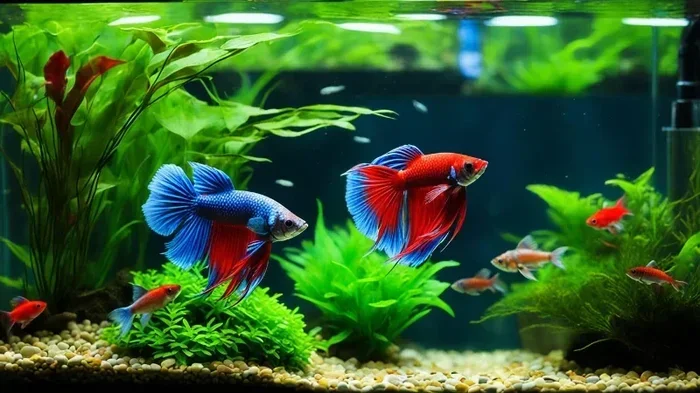
So, how many betta fish can I keep together? The answer depends on tank size, gender, and temperament. Most experts recommend keeping one male betta per tank, while a group of female bettas can thrive in a sorority setup with the right conditions. Knowing the rules of betta fish compatibility saves you money, stress, and heartbreak.
If you love betta fish, you have probably wondered at some point, “how many betta fish can I keep together?” It is a great question, and the answer is not as simple as a single number. The truth is, betta fish keeping involves understanding each fish’s personality, tank size, and social dynamics.
Some bettas are calm and can share space peacefully. Others are aggressive and need to live alone. This guide breaks down everything you need to know about keeping betta fish together safely. By the end, you will know exactly what setup works best for your fish.
Betta fish, also known as Siamese fighting fish, are beautiful and popular pets. Their vibrant colors and flowing fins make them stand out in any aquarium. But their beauty comes with a reputation for being territorial. This is why many fish owners hesitate to add more than one betta to their tank.
Key Takeaways
- One male betta per tank: Males are highly territorial and should never be housed together.
- Female sororities work: A group of 4-6 female bettas can live together in a spacious tank.
- Tank size matters: A minimum of 10 gallons is recommended for any betta group setup.
- Tank layout reduces aggression: Plenty of hiding spots and plants help bettas coexist peacefully.
- Monitor behavior closely: Signs of stress or aggression mean you need to separate fish immediately.
- Not all bettas are the same: Individual personality plays a big role in compatibility.
📑 Table of Contents
- How Many Betta Fish Can I Keep Together?
- Tank Size: Why It Matters So Much
- Can Male and Female Betta Fish Live Together?
- Setting Up a Tank for Multiple Bettas
- Signs of Stress and Aggression
- Can Betta Fish Live With Other Species?
- Common Mistakes to Avoid
- Expert Insights on Betta Fish Social Behavior
- Final Thoughts
How Many Betta Fish Can I Keep Together?
The short answer is that it depends on several factors. Tank size, gender, and individual temperament all play a role. Let us break this down so you can make the best decision for your fish.
Male Betta Fish: One Per Tank
Male betta fish are known for their aggressive nature. In the wild, they defend their territory fiercely. When two males are placed in the same tank, betta fish aggression can lead to serious injury or even death.
This is why the golden rule of betta fish care is simple: never keep two male bettas together. No matter how big your tank is, two males will almost always fight. It is not a matter of if, but when.
Some people try to keep two males separated by a divider. While this can work temporarily, it often causes stress for both fish. Each male may see the other as a threat and exhaust itself by flaring and displaying constantly. Keeping one male betta per tank is always the safest choice.
Female Betta Fish: The Sorority Setup
Female bettas are a different story. A group of female bettas can live together in what is called a sorority tank. This setup works when you follow a few key rules.
You should keep at least 4 to 6 female bettas together. The group size helps spread out aggression. No single fish becomes the constant target. A larger group also gives each fish more space to claim its own territory.
The minimum tank size for a female sorority is 20 gallons or more. This gives each fish enough room to establish its own space without constant conflict. Adding plenty of plants, caves, and decorations helps break up lines of sight and reduces tension.
Tank Size: Why It Matters So Much
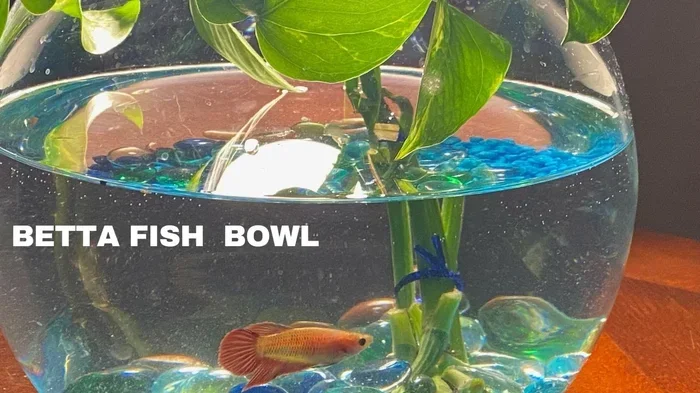
When it comes to how many betta fish can live together, tank size is the most important factor. A tiny bowl or vase is never the right choice for more than one betta. These fish need room to swim, explore, and establish territories.
For a single betta, a 5-gallon tank is the minimum. But if you want to keep multiple bettas, you need to scale up significantly. Here is a simple guide:
- 1 betta: 5 gallons minimum
- 4-6 female bettas (sorority): 20 gallons minimum
- 1 male betta + tank mates: 10 gallons minimum
- Multiple bettas with other fish: 20 gallons or more
A larger tank means more stable water conditions too. Ammonia and nitrite levels stay safer in bigger volumes. This reduces stress for all your fish. Stress is the number one trigger for betta aggression. A well-sized tank goes a long way toward keeping the peace.
Can Male and Female Betta Fish Live Together?
This is one of the most common questions among betta owners. The idea of a male and female pair seems appealing. But the reality is more complicated.
In some cases, a male and female betta can live together temporarily. This usually happens during breeding, under close supervision. Outside of breeding, keeping a male and female betta together is risky and not recommended for most hobbyists.
The male may harass the female constantly. He may chase her, nip at her fins, or even harm her. Even in a large tank with plenty of hiding spots, there is no guarantee of peace. If you want to try a male-female setup, you need a tank of at least 20 gallons with heavy planting and constant monitoring.
Always be prepared to separate the fish at the first sign of trouble. Betta fish compatibility between males and females is never guaranteed. Know the risks before you try.
Setting Up a Tank for Multiple Bettas
If you have decided to keep more than one betta, your tank setup makes all the difference. A well-planned aquarium can reduce aggression and create a harmonious environment.
Plants and Decorations
Live plants are your best friend when keeping multiple bettas. They break up sight lines and give fish places to hide. Java moss, Amazon sword, and anubias are great choices. They are hardy and grow well in betta-friendly conditions.
Add caves, driftwood, and ceramic decorations too. Each betta needs spots to call its own. When fish have separate territories, they are less likely to fight over space.
Water Parameters
Clean water keeps bettas healthy and calm. Maintain a temperature between 76 and 82 degrees Fahrenheit. Keep the pH between 6.5 and 7.5. Test the water regularly and perform partial water changes every week.
A good filter is essential, but choose one with a gentle flow. Bettas do not like strong currents. A sponge filter works well for most setups. Healthy water means healthy, less stressed fish.
Lighting
Moderate lighting works best for a betta tank. Too much light can stress the fish and encourage algae growth. A standard LED aquarium light on a timer set to 8-10 hours per day is perfect. Consistent day and night cycles help bettas feel secure and reduce anxiety.
Signs of Stress and Aggression
Even with the best setup, problems can arise. You need to watch your fish closely and know the warning signs. Early detection can save lives.
Flaring is when a betta spreads its gills and fins to look bigger. Occasional flaring is normal. But constant flaring at another fish means trouble. Fin nipping is another clear sign of aggression. If you see torn or ragged fins, something is wrong.
Watch for fish that hide all the time, refuse to eat, or stay in one corner. These are signs of severe stress. A stressed betta is more likely to become aggressive or fall ill. Remove a stressed or bullied fish immediately to give it time to recover.
Can Betta Fish Live With Other Species?
If you are not set on keeping only bettas together, there are other options. Many peaceful community fish can share a tank with a betta. The key is choosing the right tank mates.
Good options include neon tetras, corydoras catfish, kuhli loaches, and snails. These fish stay out of the betta’s way and do not provoke aggression. Avoid fish with bright colors or long fins, as bettas may see them as rivals.
Always research any potential tank mate before adding it to your betta community tank. Not every fish is compatible with bettas. A well-planned community tank can be beautiful and peaceful when done right.
Common Mistakes to Avoid
Many new betta owners make mistakes that lead to fighting, stress, or illness. Here are the most common ones to watch out for.
- Overcrowding the tank: Too many fish in a small space leads to aggression and poor water quality. Always follow the recommended tank sizes.
- Skipping hiding spots: Without plants and caves, fish have nowhere to retreat. This increases stress and conflict.
- Ignoring water quality: Dirty water makes fish sick and irritable. Test your water regularly and keep it clean.
- Mixing two males: This should go without saying, but never put two male bettas in the same tank.
- Not monitoring behavior: Check on your fish every day. Catching problems early makes all the difference.
Avoiding these mistakes sets you up for success. A little planning goes a long way toward a happy, healthy aquarium.
Expert Insights on Betta Fish Social Behavior
Betta fish are more complex than many people realize. They can recognize their owners and respond to feeding routines. They also have individual personalities. Some bettas are bold and curious, while others are shy and reclusive.
Expert aquarists note that betta fish social behavior varies widely. A fish that gets along with others in one tank may be aggressive in another. This is why you should always have a backup plan, like a spare tank or divider, ready to go.
When introducing new fish to a group, do it slowly. Float the new fish in a separate container inside the main tank for a day or two. This lets all the fish get used to each other’s presence before any direct contact. Slow introductions reduce shock and aggression.
Remember, every betta is an individual. What works for one fish may not work for another. Patience and observation are your most powerful tools.
Final Thoughts
So, how many betta fish can I keep together? The answer is different for every aquarium owner. One male betta should always live alone. A group of 4 to 6 females can thrive in a well-planned sorority tank of 20 gallons or more. And mixing males and females carries risks that most hobbyists should avoid.
The most important thing is to prioritize your fish’s health and happiness. Give them enough space, clean water, and plenty of hiding spots. Watch their behavior every day and be ready to act if problems arise. Keeping betta fish together can be rewarding when you do it the right way.
Start small, learn as you go, and enjoy the process. A well-set-up betta tank is a joy to watch and a testament to your care and dedication. Your fish will thank you for it.
Frequently Asked Questions
Can I keep two male betta fish together?
No, you should never keep two male betta fish in the same tank. Males are highly territorial and will fight, often resulting in serious injury or death. Always keep only one male betta per tank.
How many female bettas can I keep together?
A group of 4 to 6 female bettas can live together in a sorority setup. You need a tank of at least 20 gallons with plenty of plants and hiding spots to reduce aggression and stress.
What is the minimum tank size for keeping bettas together?
For a single betta, 5 gallons is the minimum. For a female sorority of 4 to 6 fish, you need at least 20 gallons. Larger tanks provide more stable water conditions and more space for territories.
Can a male and female betta live together permanently?
It is not recommended to keep a male and female betta together permanently. The male may constantly harass or harm the female. If you want to try a pair setup, use a tank of at least 20 gallons and monitor them closely at all times.
What are the best tank mates for betta fish?
Peaceful community fish like neon tetras, corydoras catfish, kuhli loaches, and snails make good tank mates. Avoid fish with bright colors or long fins that may trigger aggression in bettas.
How do I know if my bettas are getting along?
Watch for signs of stress like constant hiding, refusal to eat, or torn fins. Healthy bettas will explore the tank, eat normally, and show natural colors. If you see constant flaring or chasing, separate the fish immediately.