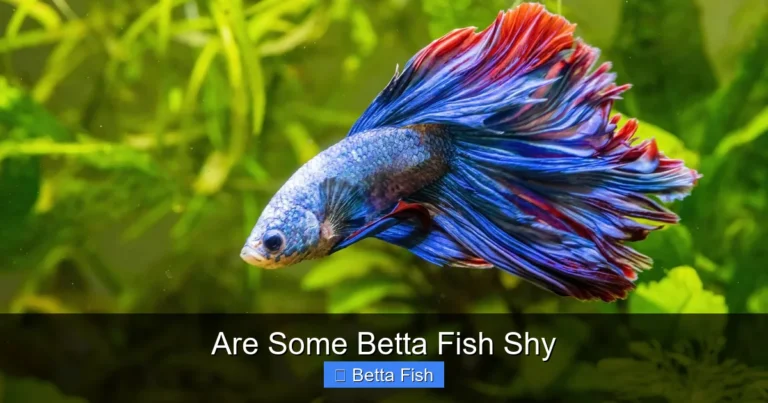
Where Are Betta Fish Originally From
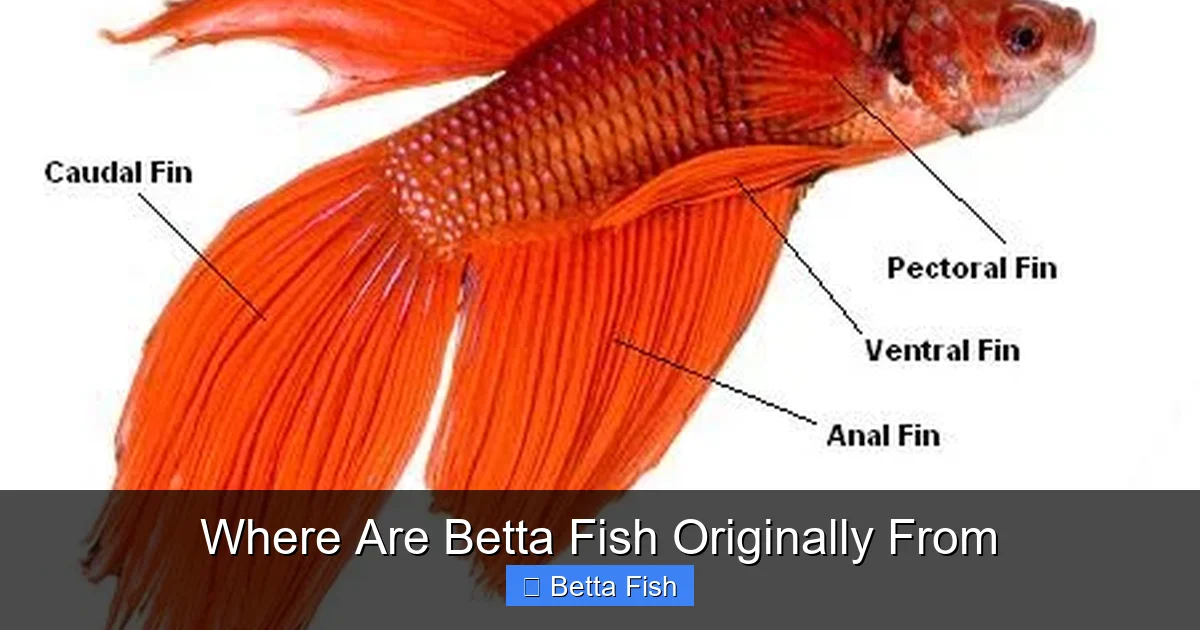
Betta fish, the vibrant stars of home aquariums, are native to the shallow, tropical waters of Southeast Asia. Their wild ancestors hail from the rice paddies, slow-moving streams, and floodplains of Thailand, Cambodia, Vietnam, and parts of Malaysia and Indonesia. Unlike their solitary, flaring captive cousins, wild bettas are more subdued in color and live in complex ecosystems. Understanding this original environment is crucial for providing proper care, as it reveals their need for warm, still or slow-moving water, dense vegetation for security, and a surface to breathe from. Their journey from wild labyrinth fish to global pet is a fascinating story of human intervention and natural adaptation.
Key Takeaways
- Geographic Origin: Wild betta fish (Betta splendens) are indigenous to the continental shelf of Southeast Asia, primarily in Thailand, Cambodia, and Vietnam, with related species found in neighboring countries.
- Natural Habitat: They thrive in shallow, warm, slow-moving or stagnant bodies of water like rice paddies, marshes, floodplains, and the edges of streams, characterized by heavy vegetation and soft, acidic substrate.
- Wild vs. Captive: Wild bettas are typically smaller, have shorter, more subdued fins for survival, and are less aggressively territorial than their selectively bred, flamboyant aquarium counterparts.
- Domestication History: Betta fish were first collected and bred for fighting in Siam (Thailand) over 1,000 years ago, with their introduction to the West occurring in the late 19th century.
- Adaptation: Their unique labyrinth organ allows them to survive in oxygen-poor, stagnant water by breathing atmospheric air, a key adaptation to their native habitat’s conditions.
- Genetic Diversity: Centuries of selective breeding for color, finnage, and aggression have created a vast genetic gap between modern ornamental bettas and their wild-type ancestors.
- Conservation Status: While the domesticated betta is not threatened, wild populations face habitat loss, pollution, and hybridization with released captive stock, making conservation of their native ecosystems vital.
📑 Table of Contents
- The Cradle of Betta Fish: Southeast Asia’s Tropical Heartland
- The Wild Betta’s Natural Habitat: More Than Just Puddles
- Wild Behavior and Survival Strategies: The Real “Fighting Fish”
- From Wild Warriors to Gentle Giants: The Domestication Journey
- The Genetic Tapestry: How Selective Breeding Transformed a Species
- Conservation and the Future: Protecting the Wild Roots
The Cradle of Betta Fish: Southeast Asia’s Tropical Heartland
To truly understand the betta fish, you must travel in your mind to a world away from the glass box on your desk. Picture the dense, humid air of a Southeast Asian afternoon. The sound of insects and distant wildlife. The sight of endless, shimmering green rice paddies stretching to a horizon framed by palm trees. This is not just a scenic postcard; this is the ancestral homeland of the betta. The story of Betta splendens—the scientific name for the most common aquarium betta—is intrinsically tied to the geography and climate of a specific region: the lowland tropical basins of the Chao Phraya and Mekong river systems.
This area, encompassing modern-day Thailand, Cambodia, Vietnam, and parts of Malaysia and Indonesia, provides the perfect cradle for this species. The climate is consistently warm, with temperatures rarely dipping below 75°F (24°C) and often soaring higher. Rainfall is abundant and seasonal, leading to dramatic cycles of flooding and drying. These environmental rhythms are the metronome to which wild betta populations have adapted for millennia. Their entire biology, from their breathing apparatus to their breeding behavior, is a direct response to this specific Southeast Asian tapestry of water, heat, and vegetation.
Thailand: The Heart of Betta Country
Thailand, historically known as Siam, is the undisputed epicenter of betta fish history and diversity. The central plains around the Chao Phraya River and its tributaries are considered the primary native range for Betta splendens. Here, in the flooded rice fields and shallow ponds left by the monsoon rains, bettas flourished. The Siamese people were the first to recognize and exploit the fish’s natural aggression, organizing fights as early as the 19th century, and likely much earlier. The Thai name for the fish, “plakat,” which means “biting fish,” is a direct testament to this historical relationship. Many of the foundational color and fin varieties seen in modern bettas were first developed within Thailand’s dedicated breeding circles before spreading globally.
Neighbors: Cambodia, Vietnam, and Beyond
While Thailand is the core, the betta’s native range fans out. In Cambodia, particularly in the Tonlé Sap lake and floodplain—one of the world’s most productive freshwater ecosystems—wild bettas are abundant. The vast, seasonal inundation of this area creates a perfect, temporary habitat. Vietnam’s Mekong Delta, with its intricate network of canals and flooded forests, also supports native populations. Further afield, countries like Malaysia and Indonesia are home to dozens of other Betta species (like Betta imbellis or Betta smaragdina), showcasing the genus’s broader evolutionary success in the region’s isolated waterways. Each country’s specific micro-habitats have led to subtle variations in the local wild bettas, but the core environmental needs remain the same.
The Wild Betta’s Natural Habitat: More Than Just Puddles
The common myth that bettas live in tiny, muddy puddles is a dangerous oversimplification born from their ability to survive in degraded conditions. While they can endure poor water quality better than many fish, their optimal wild habitat is a surprisingly rich and complex environment. Wild bettas are not found in barren, isolated droplets of water. Instead, they inhabit the shallow margins of larger, permanent water bodies or the vast, seasonal floodplains that connect them. Think of the grassy edges of a slow-moving stream, a densely vegetated marsh, or a flooded rice field that still has a connection to a larger water source. These are not dead-end pools but dynamic parts of a larger aquatic system.
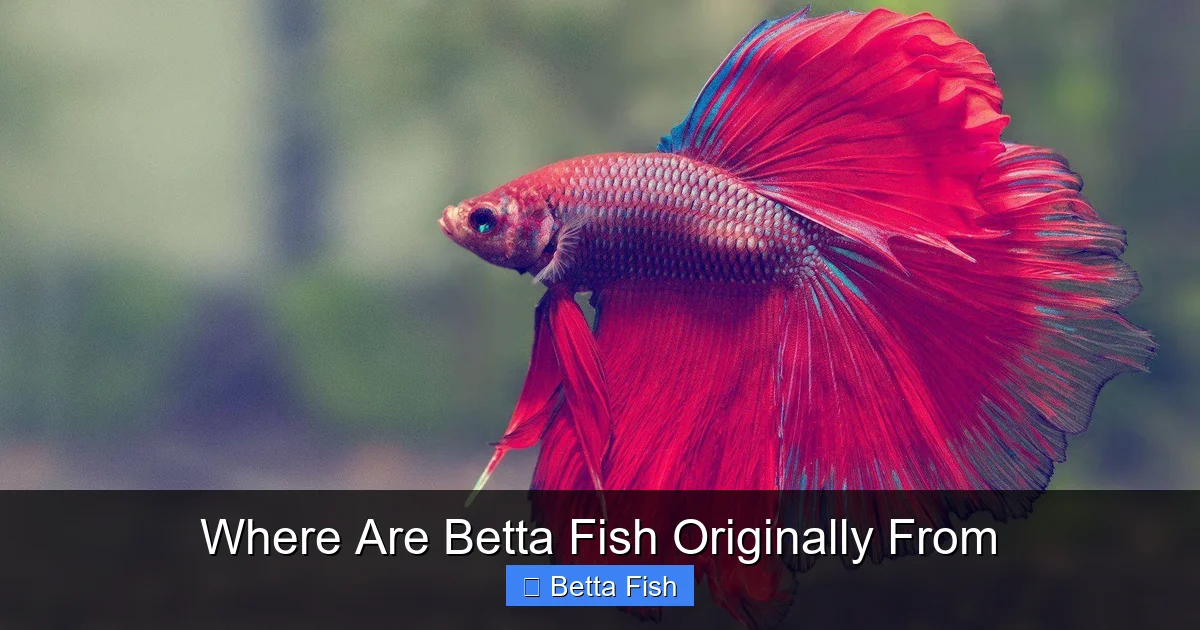
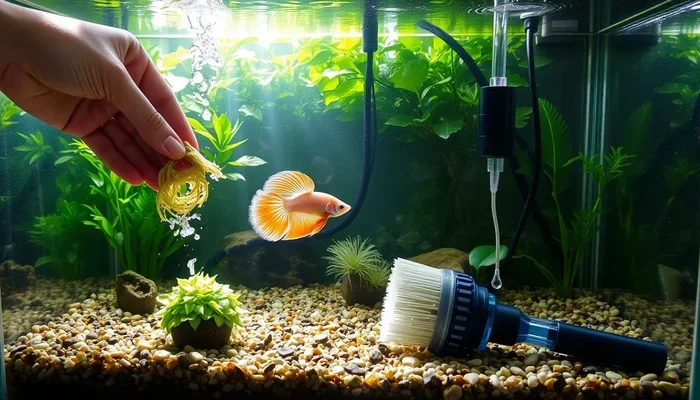
Visual guide about Where Are Betta Fish Originally From
Image source: wallpapers.com
The defining characteristic of their habitat is extreme vegetation. The water is often choked with floating plants (like water lettuce or duckweed), submerged grasses, and overhanging terrestrial foliage. This thick plant cover is not just food; it is the betta’s entire world. It provides crucial security from aerial predators like birds, breaks up the line of sight to reduce territorial conflicts with other males, and offers the perfect platform for the male to build his iconic bubble nest. The water itself is typically darkly stained with tannins from decaying plant matter, creating soft, acidic conditions (low pH) that are ideal for their physiology. Dissolved oxygen can be very low, which is why their labyrinth organ is such a critical evolutionary advantage.
Water Parameters: The Wild Blueprint
Replicating these wild parameters in captivity is the single most important factor for a betta’s long-term health and vibrancy. Wild bettas live in water that is:
- Warm: 75°F to 90°F (24°C to 32°C), with an average around 80-82°F (27-28°C).
- Soft and Acidic: pH can range from 5.5 to 7.0, often on the acidic side due to tannins. General hardness (GH) is very low.
- Slow-Moving or Still: Currents are minimal. In the wild, they are masters of energy conservation in placid waters.
- Often Shaded: Sunlight dapples through dense foliage above, not direct, harsh exposure.
Understanding this blueprint explains why a cold, alkaline, bare tank with a strong filter current is a source of chronic stress for a betta. It’s the equivalent of putting a desert lizard in a constantly misty rainforest.
Seasonality and the Flood Pulse
The life of a wild betta is dictated by the monsoon. During the dry season, populations may become isolated in shrinking pools, increasing density and competition. The arrival of the rains is a catastrophic yet miraculous event. Floodplains explode with new habitat, connecting previously separate populations. This “flood pulse” allows for gene flow, new colonization, and a massive abundance of food—insects, zooplankton, and insect larvae that fall into or hatch in the new waters. It is during these fertile, expanding flooded periods that bettas spawn prolifically. The male builds his bubble nest under a convenient overhang of a plant or leaf, and the pair performs their intricate courtship. This cycle of constraint (dry season) and explosion (wet season) has shaped their resilient, opportunistic nature.
Wild Behavior and Survival Strategies: The Real “Fighting Fish”
The moniker “Siamese fighting fish” tells only a fraction of the story. While male-male aggression is real and dramatic, it is a specialized behavior, not the totality of a wild betta’s existence. In their natural habitat, a male betta’s life is a careful balance of display, defense, and resource management. The famous flaring—expanding its gill covers and fins to appear larger—is primarily a territorial deterrent and a courtship display, not an endless state of war. In the vast, plant-choked expanse of a floodplain, encounters with rival males are relatively infrequent. The energy required for a prolonged fight is a precious commodity better spent on foraging and reproduction.

Visual guide about Where Are Betta Fish Originally From
Image source: ekk4j69ebaa.exactdn.com
Their behavior is a masterclass in energy efficiency. As a sit-and-wait predator, they are incredibly still, often hovering near the surface or under a leaf, conserving oxygen and energy. They feed opportunistically on any insect or small crustacean that lands on or near the water’s surface. Their upturned mouth is perfectly adapted for this surface-feeding lifestyle. They are also solitary by nature, with a male defending a small, resource-rich territory that contains his bubble nest and a few favored hiding spots. A female is welcomed into this territory only for spawning. Outside of breeding, adults are largely solitary, and even juveniles show a preference for spreading out once they are large enough to be competitive.
Bubble Nest Architecture
The bubble nest is one of the most remarkable parental behaviors in the fish world and is directly tied to their habitat. In the wild, the male collects air from the surface and coats each bubble with a saliva-like secretion from his mouth, which increases surface tension and makes the nest more durable. He builds it under a stable object—a broad leaf, a piece of wood, or a cluster of plants—to shield it from wind and rain. The size and robustness of the nest vary with the male’s condition and the environment. After spawning, the male meticulously gathers any eggs that sink and places them into the nest, then guards it fiercely until the fry are free-swimming. This entire process is an adaptation to a habitat where the water surface is often disturbed and eggs need to be kept safe and oxygenated in warm, low-oxygen water.
Communication: Beyond the Flare
Visual communication is paramount. The wild betta’s body is a canvas of subtle signals. The flare is the ultimate “back off” signal. A less intense display might involve a slight extension of the gill covers or a gentle undulation of the fins to establish presence without escalation. They are also sensitive to lateral line signals—vibrations in the water caused by movement. In the still waters of their home, this system is highly tuned. This explains why a sudden tap on the glass or a loud noise near the tank can cause extreme stress; it’s a sensory overload they have no natural framework to interpret.
From Wild Warriors to Gentle Giants: The Domestication Journey
The transformation of the wild betta into the aquarium superstar is a unique human-driven story that spans centuries. It begins not with beauty, but with brutality. In 19th century Siam (Thailand), the natural aggression of male bettas was harnessed for sport. Fights were staged not to the death, but until one fish fled. The victor was the one with the greater “courage” or persistence. These fighting fish, known as Plakat Khun (fighting fish), were selectively bred for heightened aggression, stamina, and powerful jaws. They were robust, short-finned, and built for combat—a far cry from the flowing-finned beauties of today.

Visual guide about Where Are Betta Fish Originally From
Image source: coloringpagesonly.com
The pivotal moment for the global spread of bettas came in the late 1800s. The King of Siam, Rama IV, is said to have given some of his prized fighting fish to a Danish physician, Theodore Cantor, who later described the species scientifically as Macropodus pugnax (later changed to Betta splendens). By the early 1900s, they were being imported into Europe, and by the 1920s, into the United States. The initial focus in the West remained on the aggressive “plakat” types. The dramatic shift toward ornamental breeding began in the mid-20th century, particularly in Thailand and later in the West, where breeders began selecting for vibrant colors and long, flowing fins, deliberately breeding out the extreme aggression of the fighting lines.
The Split: Fighting vs. Ornamental Lines
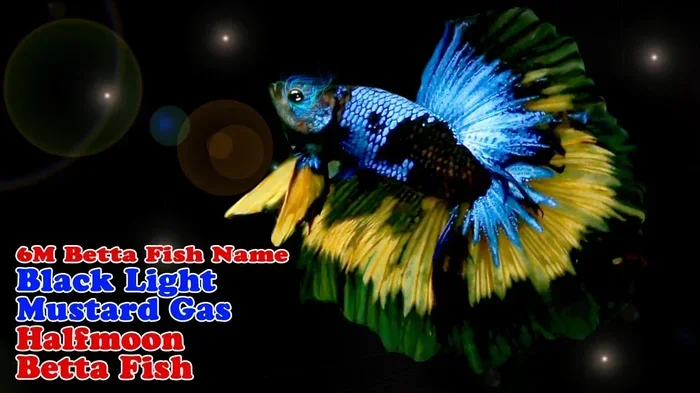
Today, there is a clear genetic and behavioral divide between the original fighting strains and the modern show bettas. The Plakat (short-finned) bettas sold today often still retain more of the ancestral body shape and, in some lines, a stronger instinct for aggression and faster metabolism. They are generally hardier and more active swimmers. The Halfmoon, Crowntail, Delta, and other long-finned varieties are the product of intense selection for aesthetics. Their fins are often so large they impede swimming, and their temperament, while still capable of aggression, is generally less explosively reactive than a dedicated fighting line. This split is crucial for potential owners to understand; a beginner might find a wild-type plakat more active and engaging, while someone seeking a living art piece might prefer a halfmoon.
The Western Ornamental Explosion
From the 1960s onward, betta breeding in the West became an art form. American and European hobbyists developed new color patterns (like marble and butterfly), fin shapes (the iconic halfmoon with its 180-degree spread), and even metallic and copper shades through cross-breeding with other Betta species. The goal became creating the most spectacular, flowing, and colorful fish possible. This selective pressure, over perhaps 50-60 generations, has resulted in a domesticated population that is genetically and phenotypically distinct from its wild ancestors. The modern aquarium betta is a creation of human aesthetics, optimized for visual impact rather than survival in a predator-filled, tannin-stained swamp.
The Genetic Tapestry: How Selective Breeding Transformed a Species
Looking at a modern betta with its iridescent scales and fins like silk ribbons, it’s almost impossible to reconcile it with the small, brownish-red wild fish with short, practical fins. This dramatic divergence is the result of artificial selection acting on the betta’s surprisingly plastic genome. Wild bettas already possess a base palette of reds, blues, and blacks, and the potential for metallic sheens (iridescence) from specialized cells called iridophores. Breeders have simply amplified, combined, and stabilized these traits to an extreme degree.
The genetics of betta color and finnage are complex and often involve multiple genes interacting. For example, the famous “marble” pattern, where colors shift over time, is linked to a transposable genetic element—a piece of DNA that can move around the genome, turning color genes on and off. This is why a marble betta can change its pattern throughout its life. The development of the halfmoon fin required selecting for mutations that affect fin ray growth and membrane extension. The result is a genetic mosaic where traits for survival (like fin length for maneuverability in dense plants) have been traded for traits we find beautiful. This has consequences: the ornate fins are prone to tearing, the heavy body can struggle with buoyancy, and the metabolic demands of maintaining such vibrant colors can be higher.
The Role of Hybridization
To introduce new colors and fin shapes, breeders have not been purists. Cross-breeding with other Betta species, like Betta imbellis (the peaceful betta) or Betta smaragdina (the emerald betta), has been used to introduce new iridescent hues, different tail shapes, or even slightly calmer temperaments. These hybrids, sometimes called “fighter” or “wild-type” crosses, can introduce valuable genetic diversity but also muddy the pure Betta splendens lineage. This practice highlights how the modern betta is not a pure subspecies but a man-made conglomerate, a living piece of genetic art.
Health Implications of Selective Breeding
The quest for extremes has inadvertently created some health vulnerabilities. The massive finnage of a halfmoon is prone to fin rot and tearing on sharp decorations. The compressed, rounded body shape of some varieties can be associated with internal organ crowding. The intense colors are often maintained by a specific diet rich in carotenoids and protein; a deficiency can lead to faded colors. Perhaps most critically, the breeding focus has sometimes come at the expense of robust immune systems and genetic diversity, making some lines more susceptible to diseases like dropsy or velvet. This makes understanding their wild origins even more vital: the closer a betta’s type is to the wild form (e.g., a plakat), the more resilient it often is, as it carries more of the ancestral genetic toolkit for survival.
Conservation and the Future: Protecting the Wild Roots
While billions of bettas exist in captivity worldwide, the situation for their wild counterparts is increasingly precarious. The International Union for Conservation of Nature (IUCN) has not yet assessed Betta splendens as a whole, but local populations are under threat. The very habitats that nurtured this species—the shallow, vegetated wetlands—are among the most endangered ecosystems on the planet. They are drained for agriculture (especially palm oil and rice expansion), polluted with pesticides and agricultural runoff, and degraded by urban development. The seasonal flood pulses that are essential for their breeding cycles are disrupted by dams and water diversion.
Another insidious threat is genetic pollution. When pet bettas are released into the wild—either accidentally or intentionally—they can interbreed with native populations. Since captive bettas carry genes for bright colors and long fins, this can introduce maladaptive traits into wild gene pools. A wild male with a long, flowing fin would be an easy target for predators and a clumsy swimmer in dense vegetation. This hybridization could dilute the genetic integrity of truly wild populations over time, making them less fit for survival in their natural environment.
What Can Hobbyists Do?
The betta-keeping community has a direct role to play in conservation:
- Never Release Pet Fish: This is the single most important rule. If you can no longer care for a betta, find it a new home. Releasing it is ecologically irresponsible.
- Support Habitat Protection: Donate to or volunteer with organizations focused on Southeast Asian wetland conservation, such as those protecting the Tonlé Sap or Mekong ecosystems.
- Appreciate the Wild-Type: Consider keeping a wild-type or plakat betta. Their subtle beauty and active behavior are a direct connection to the species’ origins. Some specialty breeders offer “wild-caught” or “half-wild” specimens that help keep the original genetics in circulation.
- Demand Ethical Breeding: Support breeders who prioritize health, temperament, and genetic diversity over extreme, unhealthy phenotypes. Ask about the lineage and health of your fish.
By understanding and respecting the betta’s wild origins, we move from being mere owners to informed stewards. The glittering fish in our tanks is a ambassador for the vanishing wetlands of Southeast Asia. Our care for it should be informed by a respect for the resilient, fascinating creature it evolved to be.
Frequently Asked Questions
Are betta fish originally from puddles?
No, this is a common misconception. While they can survive in isolated, low-oxygen water, their natural habitat is the shallow, vegetated margins of larger, permanent water bodies like slow streams, marshes, and seasonal floodplains. They need connected, plant-rich ecosystems to thrive.
How long do betta fish live in the wild versus in captivity?
In the wild, bettas typically live 2-3 years due to predators, disease, and environmental stresses. In a well-maintained aquarium with proper care—correct water parameters, a varied diet, and enrichment—they can live 3-5 years, with some reaching 7 or more. Captivity protects them from many wild hazards.
Why are betta fish so aggressive in captivity if they are from such peaceful-sounding habitats?
>The aggression is largely a result of centuries of selective breeding for fighting in Thailand. Wild bettas are territorial and will flare at rivals, but they are not constantly combative. The extreme aggression seen in some captive lines is an amplified, artificial trait. Many ornamental varieties are much less aggressive than their fighting-plakat ancestors.
Can you keep a wild-caught betta fish as a pet?
Yes, but it requires specific care that mimics their natural habitat more closely than a typical betta setup. Wild bettas are often more sensitive to water quality and parameters, and they prefer a heavily planted, quiet tank with soft, acidic water. They are generally less colorful but more active and intelligent. It’s important to source them from reputable, ethical collectors who practice sustainable collection.
What is the best tank setup to replicate a betta’s natural environment?
Opt for a 5-gallon tank or larger with a gentle filter (a sponge filter is ideal). Use a dark, soft substrate like sand or fine gravel. Densely plant the tank, including floating plants like water lettuce or frogbit for cover and to reduce light. Maintain a warm temperature (78-80°F), use Indian almond leaves or other botanicals to release tannins and lower pH, and avoid strong currents. Provide smooth hiding spots like caves or bamboo.
Are wild betta populations endangered?
While Betta splendens is not currently listed as endangered globally, specific local populations are threatened by severe habitat loss from wetland drainage, pollution, and urban sprawl across Southeast Asia. The IUCN and local conservation groups are monitoring some populations. The primary threat is the destruction of their specialized shallow, vegetated wetland habitats.