Can I Give Betta Fish Food to Guppies

Yes, guppies can technically eat betta fish food in a pinch, but it’s not ideal for their long-term health. Betta food is high in protein and lacks certain nutrients guppies need. Feeding betta food to guppies regularly can lead to nutritional deficiencies and health problems. Here’s everything you need to know about feeding both species properly.
Key Takeaways
- Betta food is too high in protein for guppies: Bettas need 40%+ protein while guppies thrive on 30-35%, making betta food nutritionally imbalanced for guppies.
- Short-term feeding is okay: Offering betta food to guppies occasionally or in an emergency won’t cause immediate harm.
- Long-term use causes problems: Regular feeding of betta food to guppies can lead to obesity, bloating, and nutrient deficiencies over time.
- Guppies need plant-based nutrients: Guppies are omnivores requiring vegetable matter and fiber that betta food typically lacks.
- Separate feeding is best: If you keep bettas and guppies together, use targeted feeding strategies to ensure each species gets proper nutrition.
- Quality species-specific food matters: Investing in proper guppy food ensures better coloration, growth, and overall health for your fish.
- Emergency alternatives exist: If you run out of guppy food, there are better temporary options than betta pellets.
📑 Table of Contents
- Can I Give Betta Fish Food to Guppies? The Complete Answer
- Understanding the Nutritional Needs of Bettas vs. Guppies
- What Happens When Guppies Eat Betta Food?
- Feeding Strategies When Keeping Bettas and Guppies Together
- Better Alternatives to Betta Food for Guppies
- Common Mistakes Fish Owners Make with Feeding
- Signs Your Guppies Aren’t Getting Proper Nutrition
- Frequently Asked Questions About Feeding Guppies and Bettas
- Conclusion
Can I Give Betta Fish Food to Guppies? The Complete Answer
So you’ve got a tank with both bettas and guppies, or maybe you just ran out of guppy food and have a container of betta pellets sitting right there. You’re staring at it, wondering, “Can I give betta fish food to guppies?” It’s one of the most common questions in the aquarium hobby, and honestly, it makes total sense to ask. After all, they’re both small tropical fish — how different can their food really be?
The short answer is yes, but with some important caveats. Guppies can eat betta fish food without dropping dead on the spot. However, betta food isn’t formulated for guppies, and using it as their regular diet can cause problems down the road. Think of it this way: you could survive on nothing but protein shakes for a while, but you’d eventually develop health issues because your body needs a balanced diet with fruits, vegetables, and other nutrients. The same principle applies to your fish.
In this article, we’ll break down everything you need to know about feeding betta food to guppies. We’ll look at the nutritional differences, the potential risks, and what you should do if you’re keeping both species together. By the end, you’ll have a clear understanding of how to keep all your fish happy and healthy.
Understanding the Nutritional Needs of Bettas vs. Guppies
Before we dive into whether betta food works for guppies, let’s talk about what each species actually needs. This is where things get interesting because bettas and guppies have very different dietary requirements, even though they’re both popular freshwater fish.
What Bettas Need in Their Diet
Bettas are carnivorous fish. In the wild, they eat insects, insect larvae, and small crustaceans. Their digestive systems are designed to process high-protein, meat-based foods. Quality betta food typically contains:
- Protein content of 40% or higher — this is the foundation of their diet
- Animal-based ingredients like fish meal, shrimp meal, and bloodworms
- Low fiber content because their digestive systems aren’t built for plant matter
- High fat content for energy
Bettas have short digestive tracts, which means they need concentrated, easily digestible protein. Their food is designed to be dense and nutrient-rich in small portions. A betta’s stomach is roughly the size of its eye, so every bite needs to count.
What Guppies Need in Their Diet
Guppies, on the other hand, are omnivores. In nature, they eat a mix of algae, plant matter, small insects, and zooplankton. Their dietary needs are quite different from bettas:
- Protein content of 30-35% — lower than what bettas require
- A balance of plant and animal matter for complete nutrition
- Fiber and vegetable content to support their longer digestive tracts
- Vitamins and minerals from diverse sources for coloration and immune health
Guppies have longer digestive systems compared to bettas, which means they can process a wider variety of foods. They actually need some plant matter and fiber to keep their digestive systems working properly. A diet that’s too high in animal protein can actually cause problems for guppies.
What Happens When Guppies Eat Betta Food?
Now let’s get to the heart of the matter. When you feed betta food to guppies, several things can happen depending on how often and how long you do it.
Short-Term Effects (Occasional Feeding)
If you give betta food to guppies once or twice — maybe you ran out of their regular food and the pet store is closed — don’t panic. Your guppies will be fine. The high protein content won’t cause immediate harm. In fact, guppies might even seem to enjoy it because betta food is often made with very palatable ingredients like bloodworms and shrimp meal.
However, you might notice that your guppies produce more waste after eating betta food. This is because their bodies are processing more protein than they need, and the excess gets expelled. This can lead to dirtier water faster, which means more frequent water changes.
Long-Term Effects (Regular Feeding)
This is where the real concerns come in. If you feed betta food to guppies as their regular diet, you’re setting up a nutritional imbalance that can cause several health problems:
- Obesity and fatty liver disease: The excessive protein and fat in betta food can cause guppies to gain weight and develop liver problems over time.
- Bloating and digestive issues: Guppies’ digestive systems aren’t designed to handle such concentrated animal protein regularly, which can lead to bloating and constipation.
- Nutritional deficiencies: Betta food lacks the plant-based nutrients, vitamins, and fiber that guppies need. Over time, this can weaken their immune system and dull their coloration.
- Poor water quality: Uneaten betta food and increased waste production can spike ammonia and nitrite levels in your tank.
- Reduced lifespan: Chronic nutritional imbalance can shorten your guppies’ lifespan significantly.
It’s worth noting that if you’re keeping bettas and guppies in the same tank, you might want to check out our guide on can you keep guppies and betta fish together to make sure the living arrangement works for both species.
Feeding Strategies When Keeping Bettas and Guppies Together
If you have both bettas and guppies in the same aquarium — or you’re planning to — feeding time requires some strategy. You can’t just dump food in and hope for the best. Here’s how to make sure everyone gets what they need.
Targeted Feeding Techniques
The best approach is to feed each species separately, even if they share a tank. Here are some practical methods:
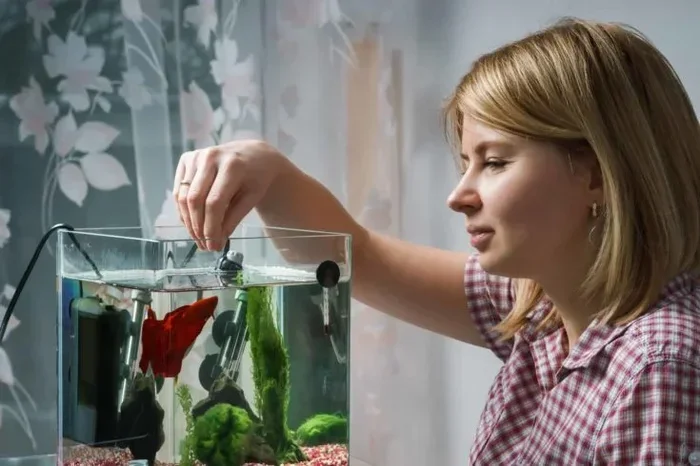
- Use a feeding ring: Place a feeding ring on one side of the tank for the guppies’ food, and feed the betta on the opposite side. This helps keep the foods separated.
- Feed at different times: Give the betta their food first. Bettas are slow eaters, so let them eat for a few minutes, then add guppy food to the other end of the tank.
- Use a tank divider during feeding: If your tank is large enough, you can temporarily separate the fish during mealtime.
- Feed the betta with feeding tongs: This allows you to place food directly in front of the betta while adding guppy flakes elsewhere.
Choosing a Compromise Food
If separate feeding isn’t practical for your setup, you can look for a middle-ground food. Some high-quality tropical fish foods are formulated to meet the needs of multiple species. Look for foods with:
- Protein content around 35-38%
- A mix of animal and plant-based ingredients added
- Spirulina or algae content for the guppies
- Small particle sizes that both species can eat
However, even a compromise food won’t be as good as species-specific diets. If possible, targeted feeding is always the better approach. For more information on feeding different species, check out our article on can you feed betta food to other fish.
Better Alternatives to Betta Food for Guppies
Let’s say you’ve run out of guppy food and you’re in a bind. Before reaching for the betta pellets, consider these better alternatives that are probably already in your kitchen or easier to find.
Emergency Food Options
Here are some safe temporary foods you can give your guppies when you’re out of their regular food:
- Blanched vegetables: Peas (with the shell removed), zucchini, and spinach are excellent temporary foods for guppies. They provide the plant matter guppies need.
- Hard-boiled egg yolk: A tiny amount of crushed hard-boiled egg yolk provides protein. Use sparingly as it can foul the water quickly.
- Mosquito larvae: If you can safely collect them, mosquito larvae are a natural food source for guppies.
- Daphnia: These tiny crustaceans are a great protein source that’s easier for guppies to digest than betta pellets.
Quality Guppy Foods to Stock Up On
To avoid running out of food in the first place, it’s smart to keep a good supply on hand. Look for these types of guppy food:
- Guppy-specific flakes: These are formulated with the right protein-to-plant ratio for guppies.
- Micro pellets: Small pellets are easy for guppies’ small mouths to eat.
- Color-enhancing formulas: Foods with natural color enhancers like spirulina and carotenoids help maintain vibrant guppy colors.
- Variety packs: Rotating between different foods ensures your guppies get a range of nutrients.
If you’re wondering where to find quality fish food, our guide on where can I buy betta fish food also covers general fish food retailers that carry guppy-specific brands.
Common Mistakes Fish Owners Make with Feeding
Feeding seems simple, but there are some common mistakes that even experienced fish owners make. Let’s go over them so you can avoid these pitfalls.
Overfeeding
This is the number one mistake in fish keeping. Both bettas and guppies have small stomachs, and overfeeding leads to:
- Poor water quality from uneaten food decomposing
- Obesity and health problems in fish
- Increased algae growth
- Ammonia spikes that can kill fish
A good rule of thumb is to feed only what your fish can consume in 2-3 minutes. If there’s food left over after that, you’re feeding too much.
Using One Food for All Fish
Not all tropical fish have the same nutritional needs. Feeding betta food to guppies, or goldfish food to tropical fish, creates nutritional imbalances. Each species has evolved to eat different things, and their food should reflect that.
Ignoring Food Expiration Dates
Fish food loses nutritional value over time. Old food might look fine, but the vitamins and nutrients degrade. Replace your fish food every 3-6 months for optimal freshness. If the food smells off or looks discolored, toss it immediately.
Not Varying the Diet
Even the best staple food shouldn’t be the only thing your fish eat. Supplementing with frozen or live foods like brine shrimp, daphnia, or bloodworms provides enrichment and additional nutrients. A varied diet leads to healthier, more colorful fish.
Signs Your Guppies Aren’t Getting Proper Nutrition
Whether you’ve been feeding betta food to your guppies or you’re just not sure if their diet is right, here are some warning signs to watch for.
Physical Signs of Poor Nutrition
- Faded or dull coloration: Healthy guppies are vibrant. If your guppies are losing their color, their diet may be lacking essential nutrients.
- Loss of appetite: Fish that are fed the wrong food may become disinterested in eating altogether.
- Bloating or swollen belly: This can indicate digestive problems from inappropriate food.
- Fin deterioration: Poor nutrition can cause fins to become ragged or lose their shape.
- Lethargy: Underfed or malnourished guppies may become less active and hide more often.
Behavioral Signs
- Gasping at the surface: This can indicate poor water quality from overfeeding or decomposing food.
- Erratic swimming: Nutritional deficiencies can affect fish behavior and coordination.
- Aggression or stress: Improperly fed fish may become more territorial or stressed.
If you notice any of these signs, review your feeding practices and consider switching to a more appropriate food. A healthy guppy should be active, colorful, and eager to eat.
Frequently Asked Questions About Feeding Guppies and Bettas
Let’s address some of the most common questions fish owners have about feeding these two popular species.
Can guppies eat betta food once a week as a treat?
Yes, giving guppies a small amount of betta food once in a while as a treat is fine. Think of it like giving your dog a cat treat — it’s not ideal, but it won’t cause harm in small amounts. Just make sure it’s occasional and not a regular part of their diet.
Will betta food make my guppies sick immediately?
No, betta food won’t make guppies sick right away. The problems from feeding betta food to guppies develop over time with repeated use. A single feeding or even a few days of betta food won’t cause noticeable harm.
Can baby guppies eat betta food?
Baby guppies (fry) have even more specific nutritional needs than adult guppies. Betta food is not suitable for guppy fry. They need finely crushed flake food, baby brine shrimp, or specially formulated fry food. The high protein in betta food can actually be too much for their developing systems.
What’s the best food for guppies?
The best guppy food is one specifically formulated for guppies or small tropical omnivores. Look for a protein content around 30-35%, with a good mix of animal and plant ingredients. Supplementing with live or frozen foods like brine shrimp and daphnia is also highly recommended.
How often should I feed my guppies?
Adult guppies should be fed 2-3 times daily in small amounts. Only give them what they can eat in about 2 minutes per feeding. Baby guppies need more frequent feedings — 4-6 times per day — because they’re growing rapidly.
Can I feed my guppies tropical flakes meant for other fish?
High-quality tropical flakes can work for guppies in a pinch, but they’re not ideal. Tropical flakes are often formulated for a wide range of fish and may not have the specific nutrient balance guppies need. Guppy-specific food is always the better choice.
Conclusion
So, can you give betta fish food to guppies? The answer is yes, but you really shouldn’t make a habit of it. While guppies can eat betta food without immediate harm, the nutritional mismatch can lead to health problems over time. Bettas need high-protein, meat-heavy diets, while guppies need a more balanced omnivorous diet with plenty of plant matter.
If you’re keeping both species together, the best approach is targeted feeding — giving each species their own appropriate food in different areas of the tank. It takes a little extra effort, but your fish will be healthier, more colorful, and live longer as a result.
And if you ever run out of guppy food in an emergency, remember that blanched vegetables, egg yolk, or daphnia are better temporary options than betta pellets. Keep a good supply of species-specific food on hand, vary your fish’s diet with treats like brine shrimp and bloodworms, and always avoid overfeeding.
Your guppies and bettas depend on you to provide the right nutrition. With a little knowledge and planning, you can keep all your aquatic friends thriving. Happy fish keeping!
Frequently Asked Questions
Can guppies eat betta food without getting sick?
Guppies can eat betta food occasionally without getting sick right away. However, long-term feeding of betta food to guppies can lead to nutritional imbalances, obesity, and digestive issues due to the high protein content that guppies don’t need.
How long can guppies survive on betta food alone?
Guppies can survive on betta food for several weeks without showing obvious signs of illness. However, after a few weeks, nutritional deficiencies may start to appear, including faded colors, lethargy, and weakened immune function.
Is betta food too big for guppies to eat?
Betta pellets can be too large for guppies’ small mouths. You may need to crush betta pellets into smaller pieces before feeding them to guppies. Even then, the nutritional content still isn’t ideal for guppies.
What happens if my guppy accidentally eats betta food?
If your guppy accidentally eats a piece of betta food, there’s nothing to worry about. A single instance of eating betta food won’t harm your guppy. Just make sure it doesn’t become a regular occurrence.
Can I mix betta food and guppy food together?
Mixing the two foods isn’t recommended as a long-term solution. While it might seem like a good compromise, it’s still not providing the optimal nutrition for either species. It’s better to feed each species their own appropriate food separately.
Do guppies need protein in their diet?
Yes, guppies do need protein — just not as much as bettas. Guppies require about 30-35% protein in their diet, compared to the 40%+ that bettas need. They also need plant matter and fiber that betta food doesn’t provide.