Do Betta Fish Need a Gravel Vacuum for a Clean Tank
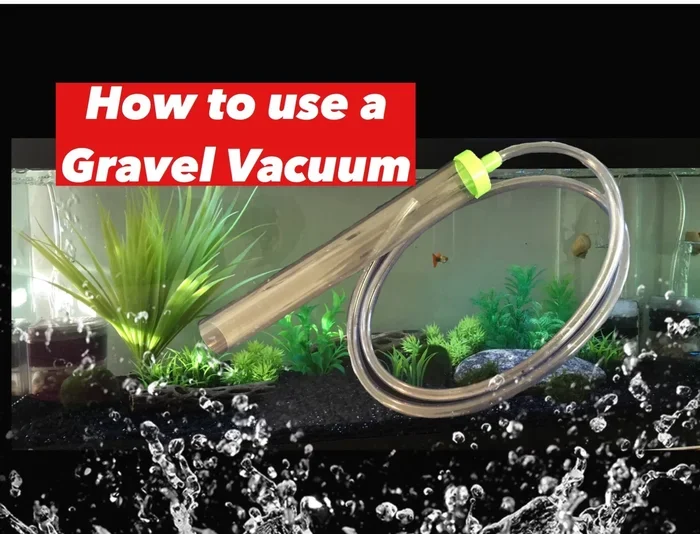
Do betta fish need a gravel vacuum? Yes, they do. Vacuuming removes old food, waste, and debris from the bottom of the tank. This keeps the water clean and safe for your fish. It also helps prevent algae and bad smells. Regular cleaning is a key part of betta fish care.
Key Takeaways
- Gravel vacuums remove waste: They suck up uneaten food, fish poop, and decaying plants from the substrate.
- Clean water means healthy fish: Less waste leads to better water quality and fewer health issues for your betta.
- Vacuum frequency matters: Small tanks need more frequent cleaning than large ones with filters.
- Choose the right tool: A simple siphon or electric vacuum works well depending on your tank size.
- Be gentle with decor: Move rocks and plants carefully to avoid damaging your betta fish habitat.
- Test water after cleaning: Always check parameters to ensure the tank stays stable after maintenance.
- Combine with water changes: Vacuuming works best when paired with regular partial water changes.
📑 Table of Contents
- Do Betta Fish Need a Gravel Vacuum for a Clean Tank?
- Why a Gravel Vacuum Matters for Betta Fish
- How Often Should You Vacuum a Betta Tank?
- Choosing the Right Gravel Vacuum for Your Betta
- How to Use a Gravel Vacuum Safely
- Common Mistakes to Avoid When Vacuuming
- Expert Tips for a Clean Betta Tank
- Do Betta Fish Need a Gravel Vacuum in Planted Tanks?
- Frequently Asked Questions
- Conclusion
Do Betta Fish Need a Gravel Vacuum for a Clean Tank?
Keeping a betta fish happy starts with a clean home. Many new owners ask the same question: do betta fish need a gravel vacuum for a clean tank? The short answer is yes. A gravel vacuum is a simple tool that helps you remove dirt from the bottom of the aquarium. It plays a big role in keeping your fish safe and healthy.
Bettas are not like some other fish that can handle dirty water. They come from shallow, clean streams in the wild. In a tank, waste builds up fast. Food sinks to the bottom. Fish poop adds to the mess. Dead leaves from plants also rot over time. All of this creates harmful toxins. A gravel vacuum helps you remove this waste before it causes problems.
In this guide, we will cover why vacuuming matters. We will also share tips on how to do it safely. You will learn how often to clean and what tools work best. By the end, you will feel confident about keeping your betta tank spotless.
Why a Gravel Vacuum Matters for Betta Fish
A gravel vacuum does more than just make the tank look nice. It protects your fish from hidden dangers. Let us look at the main reasons why this tool is so important.
Removing Hidden Waste
Waste does not just float in the water. A lot of it sinks to the bottom. Uneaten food breaks down into ammonia. Fish waste also releases toxins as it decays. If you only skim the surface, the bottom stays dirty. A gravel vacuum pulls this debris out of the substrate. This stops toxins from building up in the water.
Preventing Algae Growth
Algae loves dirty water. Excess nutrients from waste feed algae blooms. A clean substrate means fewer nutrients for algae to eat. Vacuuming helps keep the glass and decorations clear. It also makes the tank look brighter and more natural.
Improving Water Quality
Water quality is the number one factor in fish health. Ammonia and nitrite levels can rise quickly in a small tank. A gravel vacuum removes the source of these toxins. This keeps the water safer between water changes. Your betta will swim in cleaner, fresher water every day.
How Often Should You Vacuum a Betta Tank?
The cleaning schedule depends on your tank setup. There is no one-size-fits-all answer. Let us break it down by tank size and filtration.
Small Tanks Without Filters
Small bowls or tanks under five gallons need more care. Without a filter, waste builds up faster. You should vacuum the gravel once a week. Pair this with a partial water change. This keeps the water safe for your fish. If you notice cloudy water or bad smells, clean more often.
Larger Tanks With Filters
A bigger tank with a good filter needs less frequent vacuuming. The filter handles some of the waste in the water column. You can vacuum every two weeks or once a month. Still, you must check the substrate. Waste can hide under rocks and plants. A quick pass with the vacuum keeps things clean.
Signs It Is Time to Vacuum
Your tank will tell you when it needs cleaning. Look for these signs:
- Cloudy or murky water
- A bad smell coming from the tank
- Visible debris on the gravel
- Algae growing on the glass or decor
- Your betta acting less active than usual
If you see any of these, it is time to grab your vacuum.
Choosing the Right Gravel Vacuum for Your Betta
Not all vacuums work the same way. You need a tool that fits your tank and your comfort level. Here are the best options for betta owners.
Manual Siphon Vacuums
These are the most common and affordable choice. A manual siphon uses gravity and water flow to pull debris out. You put one end in the tank and the other in a bucket. The water flows through and carries waste with it. They are simple to use and easy to clean. Great for beginners.
Electric Gravel Vacuums
Electric models do the work for you. They use a pump to suck up debris. Some even have settings to control flow. These are helpful for larger tanks or if you have back issues. They cost more but save time. Make sure the model is safe for small tanks before buying.
Gravel Washers with Flow Control
Some vacuums let you adjust the water flow. This is useful for delicate tanks. You can avoid sucking up small gravel or plants. Flow control also helps you clean gently around your betta fish. This is a smart choice for planted tanks or tanks with fine substrate.
How to Use a Gravel Vacuum Safely
Using a vacuum is easy once you know the steps. The key is to be gentle. Bettas can get stressed by sudden changes. Follow these steps for a safe clean.
Step 1: Prepare Your Supplies
Get your vacuum, a clean bucket, and a water conditioner ready. You will need fresh water for the change. Make sure the new water matches the tank temperature. Sudden temperature shifts can shock your fish.
Step 2: Turn Off Equipment
Switch off the filter, heater, and any air pumps. This prevents damage and makes cleaning easier. It also stops the vacuum from pulling in air. Your fish will be calmer without the noise and flow.
Step 3: Start the Siphon
Place the vacuum end into the tank. Squeeze the bulb or use the starter cord if your model has one. Water will begin to flow. Hold the other end over your bucket. The waste will travel out with the water.
Step 4: Vacuum the Substrate
Move the vacuum head slowly across the gravel. Push it slightly into the substrate to lift trapped waste. Do not dig too deep. You do not want to disturb the entire bottom. Work in sections. Go around rocks and plants with care.
Step 5: Watch Your Betta
Keep an eye on your fish while you clean. Bettas may swim away from the vacuum. That is normal. Give them space. If your fish looks stressed, pause and let them settle. You can also clean when the fish is calm or resting.
Step 6: Refill the Tank
Once you remove the old water, add fresh water. Use a conditioner to remove chlorine and chloramines. Pour slowly to avoid stirring up the gravel. Turn your equipment back on when the water level is right.
Common Mistakes to Avoid When Vacuuming
Even simple tasks can go wrong if you rush. Here are the most common mistakes betta owners make.
Vacuuming Too Aggressively
Some people push the vacuum deep into the gravel. This can upset the beneficial bacteria that live in the substrate. These bacteria help break down waste. If you remove too much, your tank cycle can suffer. Clean gently and only remove the top layer of debris.
Skipping Water Changes
A vacuum removes solid waste. It does not replace water changes. You still need to swap out old water for fresh water. Vacuuming and water changes work together. Doing only one leaves the tank less clean.
Using Dirty Tools
Always rinse your vacuum before and after use. Dirt from other tanks or sinks can introduce harmful germs. Keep your tools clean and stored properly. This protects your betta fish from disease.
Ignoring the Filter
The filter also needs cleaning. A dirty filter reduces water flow and quality. Rinse filter media in old tank water, not tap water. Tap water can kill the good bacteria. Clean both the gravel and the filter for the best results.
Expert Tips for a Clean Betta Tank
Here are some pro tips to make your cleaning routine easier and more effective.
Feed Less to Reduce Waste
Overfeeding is a common problem. Extra food sinks and rots. Feed your betta only what it can eat in a few minutes. This cuts down on waste at the bottom. Your tank stays cleaner with less effort.
Add Live Plants
Live plants help absorb waste nutrients. They also give your betta hiding spots. Plants like java fern and anubias are easy to care for. They work well in betta tanks. Just remember to vacuum around the roots gently.
Use a Timer for Consistency
Set a reminder on your phone for tank cleaning. Consistency keeps the water stable. Your fish will thrive on a regular schedule. Mark your calendar for weekly or biweekly cleanings.
Test Water Regularly
Get a simple water test kit. Check ammonia, nitrite, and nitrate levels. Testing tells you if your cleaning routine is working. It also catches problems early. This is a smart habit for any fish keeper.
Do Betta Fish Need a Gravel Vacuum in Planted Tanks?
Planted tanks need a slightly different approach. Plants make the tank look beautiful. They also help water quality. But they can trap debris among their roots and leaves.
Cleaning Around Plant Roots
Be careful when vacuuming near plants. Do not pull up the roots. Use a narrow vacuum head if possible. Slide it gently between plants. This removes waste without harming the greenery.
Balancing Cleanliness and Bacteria
Plants rely on beneficial bacteria too. Do not over-clean the substrate. A light vacuuming is enough for planted tanks. You want to remove waste but keep the ecosystem stable. This balance keeps both fish and plants healthy.
Frequently Asked Questions
Do betta fish need a gravel vacuum if I have a filter?
Yes, you still need a gravel vacuum. A filter cleans the water column but does not remove waste stuck in the gravel. Vacuuming handles the debris at the bottom. Using both tools gives the best results for your tank.
How deep should I vacuum the gravel?
You only need to clean the top layer of the substrate. Push the vacuum just deep enough to lift trapped waste. Do not dig too deep or you may disturb good bacteria. A gentle pass is all you need for a clean tank.
Can I use a gravel vacuum on a small betta bowl?
Yes, but choose a small siphon that fits the bowl. Be careful not to remove too much water at once. Small bowls have less water volume, so big changes can shock your fish. Vacuum lightly and pair it with a small water change.
What if my betta fish gets scared during vacuuming?
It is normal for fish to swim away from the vacuum. Keep the movement slow and steady. Clean when your betta is calm. You can also cover part of the tank with a towel to reduce stress. Give your fish time to settle before and after cleaning.
Do I need to vacuum if I use sand instead of gravel?
Yes, sand also traps waste and food. You can use a vacuum with a wider opening to avoid sucking up the sand. Clean the surface gently. Sand needs regular maintenance just like gravel to keep the tank clean.
How do I know if my tank is clean enough?
Clear water and a healthy fish are good signs. Test your water for ammonia and nitrites. If the levels are low and your betta is active, your cleaning routine is working. A quick visual check for debris also helps you stay on track.
Conclusion
So, do betta fish need a gravel vacuum for a clean tank? The answer is a clear yes. A gravel vacuum is a simple tool that makes a big difference. It removes waste, improves water quality, and keeps your betta healthy. Pair it with regular water changes and good feeding habits for the best results.
Remember to clean gently and stay consistent. Your betta will thank you with bright colors and active swimming. A clean tank is a happy tank. Start your vacuuming routine today and enjoy a healthier home for your fish.