When Betta Fish Are Dying
Seeing your betta fish decline is heartbreaking, but recognizing the signs early is critical. Common indicators include lethargy, loss of appetite, faded colors, and clamped fins. These symptoms often point to poor water quality, disease, or old age. Immediate actions like isolating the fish, testing water parameters, and performing partial water changes can sometimes reverse the decline. Understanding the root cause is the first step toward providing appropriate care or a peaceful end. This guide details the warning signs, actionable treatments, and compassionate decisions when a betta’s life is ending.
Key Takeaways
- Lethargy & Clamped Fins Are Major Red Flags: A healthy betta is active and curious. Constant resting at the bottom, with fins held tightly against the body, signals severe stress or illness.
- Water Quality Is the #1 Culprit: Over 80% of sudden betta health crises stem from toxic water (high ammonia/nitrite, incorrect temperature, or extreme pH). Test your water weekly.
- Loss of Appetite & Color Fading Are Late-Stage Signs: While bettas can be picky, a complete refusal of food for several days, coupled with paleness or loss of vibrancy, often indicates a serious internal problem.
- Immediate Isolation & Water Changes Are First-Aid: Move a dying betta to a clean, bare hospital tank. Perform 25-50% water changes daily with properly dechlorinated, temperature-matched water to remove toxins.
- Not All Declines Are Reversible: Advanced diseases like dropsy (pinecone scales) or severe fin rot are often fatal. Old age (3-5 years) brings a natural, gentle decline requiring comfort care.
- Compassionate Euthanasia Is a Kind Final Option: If suffering is evident and prolonged, humane euthanasia using clove oil is a responsible, peaceful choice recommended by veterinarians and experienced keepers.
📑 Table of Contents
- Introduction: The Heart-Wrenching Sight of a Fading Friend
- Section 1: The Visual SOS – Recognizing the Physical Signs of Decline
- Section 2: Unmasking the Culprits – Why Betta Fish Begin to Die
- Section 3: The Critical First 60 Minutes – Emergency Action Plan
- Section 4: Treatment Pathways – From Nursing to Palliative Care
- Section 5: The Hardest Decision – Recognizing When to Let Go
- Section 6: Prevention – The Ultimate Cure
- Conclusion: A Final Act of Love and Responsibility
Introduction: The Heart-Wrenching Sight of a Fading Friend
There is a unique bond between a betta fish keeper and their aquatic pet. Those brilliant, flowing fins, the curious bubble-nest building, the interactive “hello” at the glass—these moments create a real connection. So, when you notice something is off, a cold knot of dread forms in your stomach. The vibrant colors seem duller. The usual patrolling of the tank has been replaced by motionless hovering. The question echoes in your mind: when betta fish are dying, what does it look like, and what can I possibly do?
This guide is not meant to induce panic, but to empower you with knowledge. Recognizing the subtle and overt signs of a betta in distress is the most crucial skill a responsible owner can have. It separates a tragic surprise from a chance to intervene. We will walk through the visual symptoms, the underlying causes that are often invisible to the naked eye, and the clear, step-by-step actions you can take—whether your goal is to nurse your fish back to health or to provide a dignified, pain-free end. Your betta’s life, from its vibrant peak to its quiet passing, is in your hands. Let’s make sure you hold that knowledge with confidence and compassion.
Section 1: The Visual SOS – Recognizing the Physical Signs of Decline
Betta fish are masters of masking illness in the wild—a survival instinct that doesn’t serve them well in our aquariums. By the time you see obvious physical changes, the problem has often been developing for days or weeks. Your job is to become a detective, noticing the small deviations from normal behavior and appearance.
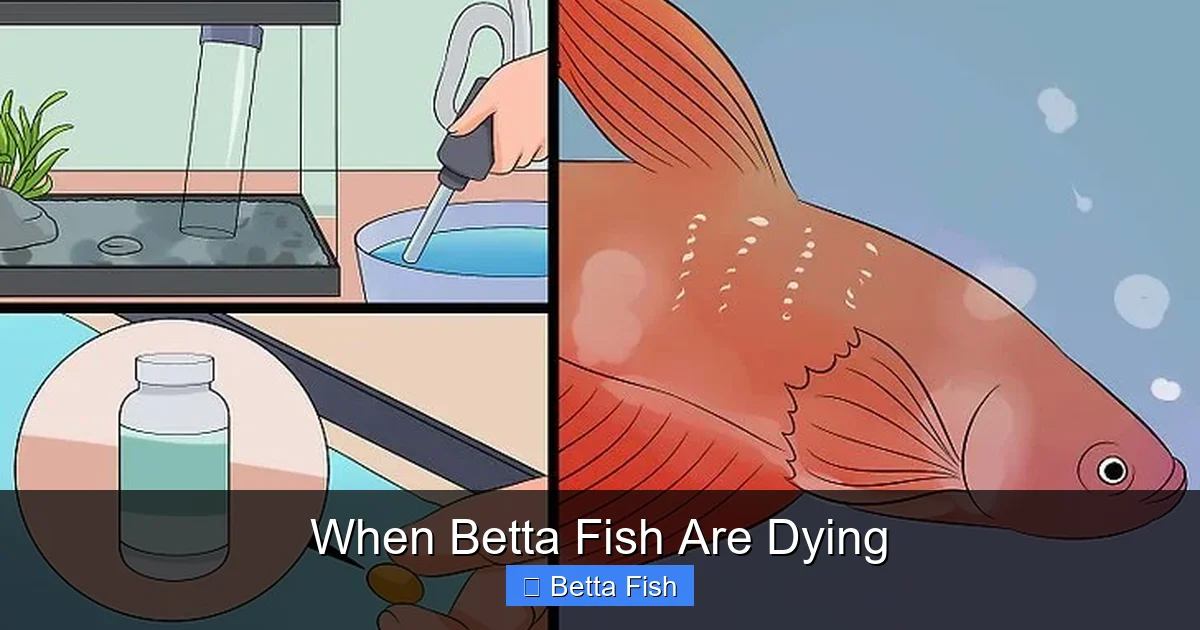
Visual guide about When Betta Fish Are Dying
Image source: wikihow.com
Changes in Behavior: The First Whisper of Trouble
Behavior is the earliest and most reliable indicator. A betta’s personality is part of its charm; you learn its routine. Any break from that routine is a signal.
- Lethargy & Loss of Buoyancy: This is the most common sign. Instead of gracefully gliding, your betta may rest listlessly on the tank bottom, a plant leaf, or the heater. It might struggle to maintain its position, listing to one side or sinking. This indicates extreme weakness, often from poor water quality, internal infection, or swim bladder disorder.
- Hiding & Isolation: A social, outgoing betta that suddenly spends all day tucked in the back of the tank, behind decorations, or in a corner is trying to isolate itself due to pain or discomfort. This is a deep-rooted instinct.
- Loss of Interest: Does your betta no longer flare at its reflection or follow your finger? A lack of curiosity and response to stimuli is a major red flag. The energy required for those behaviors is simply gone.
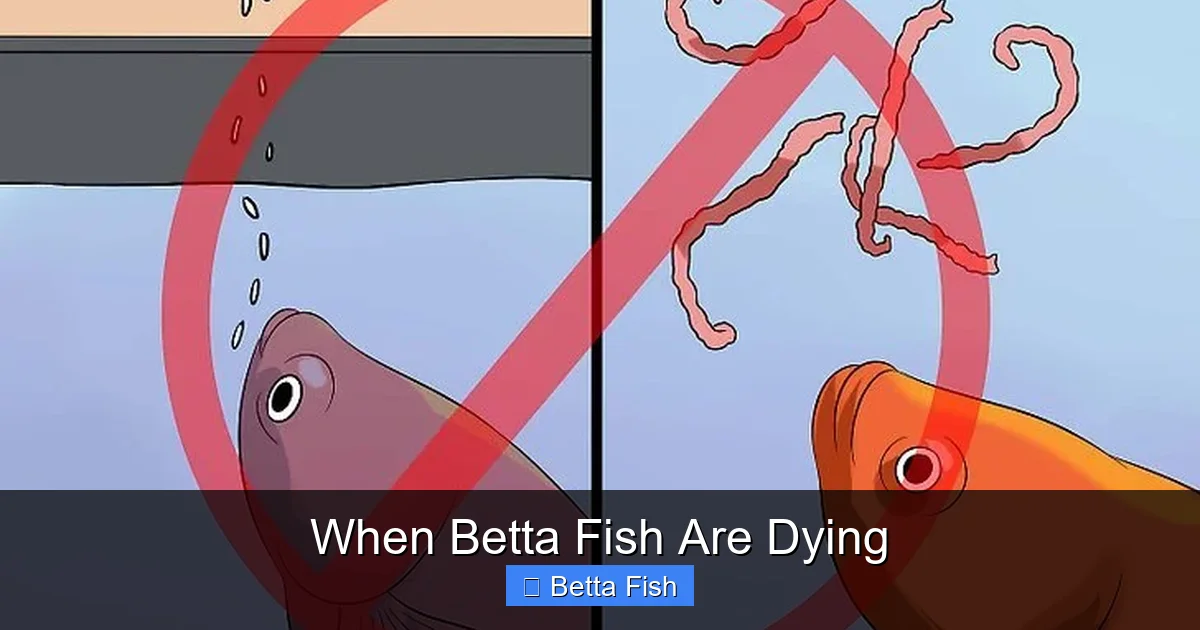
- Gasping at the Surface: While bettas do occasionally gulp air, frantic, repeated trips to the surface to gasp indicate a severe lack of oxygen in the water. This is almost always a direct result of poor water quality (high ammonia/nitrite burns the gills) or a gill disease.
Physical Deterioration: The Visible Evidence
As stress or disease progresses, physical symptoms manifest. These are often the signs that prompt owners to search for answers.
- Faded or Dull Colors: Betta colors are a health barometer. Stress causes chromatophores (color cells) to contract, leading to a washed-out, greyish, or completely pale appearance. This can happen overnight during a major water parameter crash.
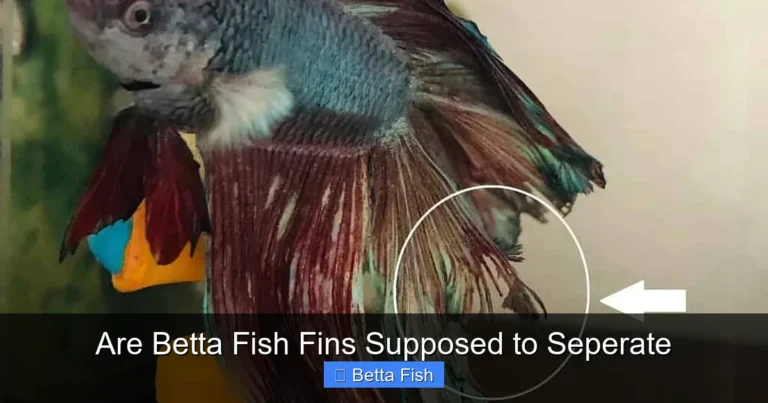
- Clamped Fins: A healthy betta’s fins are proudly displayed. “Clamped” means the fins are held tightly, compressed against the body like a closed umbrella. This is a universal sign of severe stress, pain, or illness across many fish species.
- Ragged, Torn, or Shredded Fins: While bettas have delicate fins, look for new, irregular tears, black or white edging on the fin rays, or a “melted” appearance. This points to fin rot, often bacterial and exacerbated by poor water.
- Body Sores, Lesions, or “Holes”: Look for any red, inflamed patches, open wounds, or pinhole-like ulcers on the body or head. These are signs of advanced bacterial or parasitic infections like columnaris or hole-in-the-head disease.
- Swollen Abdomen or “Pinecone” Scales: A visibly bloated, swollen belly can indicate internal infection, severe constipation, or, most notoriously, dropsy. Dropsy is not a disease itself but a symptom of severe internal organ failure (often bacterial). The classic sign is raised, pinecone-like scales, especially noticeable on the side near the dorsal fin. This is almost always fatal.
- Bulging Eyes (Exophthalmia): One or both eyes protruding unnaturally from the head is a sign of a serious underlying bacterial infection, often related to poor water quality or internal parasites.
- White Spots or Cotton-Like Growth: Classic “Ich” (white spot disease) presents as tiny, salt-like grains on the body and fins. “Velvet” looks like a fine gold or rust dusting. Fungal infections appear as white, fluffy cotton balls on sores or damaged fins. These are all parasitic or fungal diseases requiring specific treatment.
Section 2: Unmasking the Culprits – Why Betta Fish Begin to Die
Seeing the symptoms is only half the battle. Understanding the why is essential for treatment and prevention. The causes of betta decline generally fall into a few major categories, with one reigning supreme.
Visual guide about When Betta Fish Are Dying
Image source: wikihow.com
The Silent Killer: Poor Water Quality
This cannot be stressed enough. Inadequate water management is responsible for the vast majority of preventable betta deaths. Your betta lives in, breathes, and absorbs toxins through its skin from this water. It is not a disposable environment.
- Ammonia & Nitrite: These are the byproducts of fish waste and decomposing food. They are highly toxic, burning gills and skin. Even low levels (0.25 ppm) cause immense stress and lethargy. A cycling failure, overfeeding, or an unclean tank causes spikes.
- Nitrate: Less immediately toxic than ammonia/nitrite, but high levels (above 20-40 ppm) cause chronic stress, weaken the immune system, and lead to susceptibility to disease.
- Incorrect Temperature: Bettas are tropical fish. They require a stable temperature between 78-80°F (25.5-26.5°C). Water that is too cold (below 76°F) severely suppresses their immune system and metabolism, making them lethargic and prone to illness. Water that is too hot (above 82°F) accelerates their metabolism, ages them faster, and depletes oxygen.
- Incorrect pH & Hardness: While bettas are somewhat adaptable, extreme swings or parameters far outside their natural range (slightly acidic to neutral, soft to moderately hard) cause osmotic stress, damaging their cells over time.
- Chlorine/Chloramine: Tap water treated with these to kill pathogens is deadly to fish. Always use a complete water conditioner that neutralizes both, and heavy metals.
Disease and Parasites: The Invasive Threats
Even a perfectly maintained tank can introduce disease via a new fish, contaminated decor, or even on your hands. A stressed betta’s immune system is no match for these invaders.
- Columnaris (“Cotton Wool Disease”): A bacterial infection that appears as white, fuzzy patches on the mouth, gills, or fins. It progresses rapidly and is often triggered by poor water and stress.
- Fin Rot: Can be bacterial or fungal. Starts with a small tear or nip, then the fin margin turns white, black, or red and disintegrates. It is a secondary infection almost always caused by poor water quality.
- Dropsy: As mentioned, a symptom of massive internal organ failure, usually from a bacterial infection that has entered the bloodstream (septicemia). The body swells with fluid, and scales raise. Prognosis is extremely poor.
- Internal Parasites: Like Hexamita or nematodes. Symptoms include stringy white feces, emaciation (thin body with a swollen abdomen), and lethargy. Often require medicated food for treatment, which a dying betta may not eat.
The Inevitable: Old Age
A well-cared-for betta can live 3-5 years, sometimes longer. As they approach their senior years (3+), you may see a gentle, natural decline. This is not a disease. Signs include reduced activity, less vibrant colors, slower responses, and a decreased appetite. Their systems are simply wearing out. The goal at this stage is palliative care—keeping them comfortable, warm, and stress-free until their time comes peacefully.
Other Contributing Factors
- Overfeeding: Leads to constipation (which can cause swim bladder issues), and excess waste pollutes the water.
- Improper Tank Size & Setup: A betta in a tiny, unheated, unfiltered bowl is in a constant state of stress and toxicity, drastically shortening its lifespan.
- Aggressive Tank Mates: Constant harassment from other fish causes chronic stress, leading to a suppressed immune system and eventual decline.
- Physical Injury: A sharp decor snag, a jump that caused trauma, or an attack from a tank mate can lead to infection and systemic decline.
Section 3: The Critical First 60 Minutes – Emergency Action Plan
You’ve identified the signs. Your betta is clearly unwell. What you do in the next hour is the most important thing. Do not guess. Do not randomly add medications. Follow this structured emergency protocol.
Visual guide about When Betta Fish Are Dying
Image source: wikihow.com
Step 1: Isolate Immediately
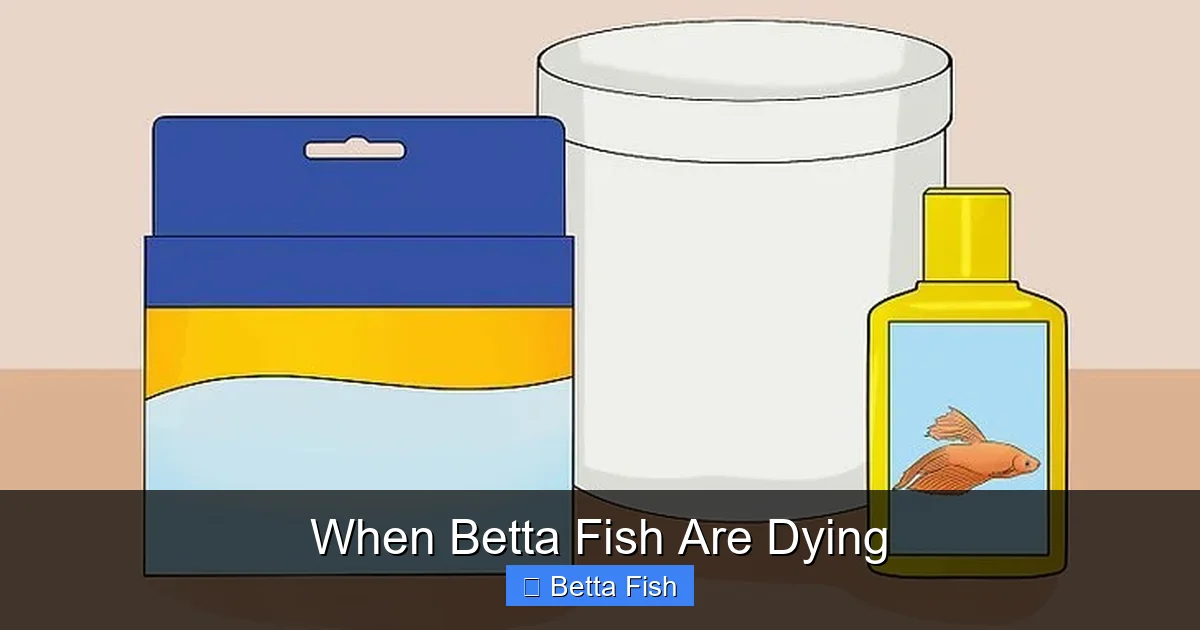
If your betta is in a community tank, move it to a hospital tank immediately. Use a clean, simple setup: a small (1-2.5 gallon) tank or even a large, clean food-grade plastic container. No substrate, no decorations that can harbor bacteria. Add a simple, smooth-leafed plant (silk or real) or a spawning cone for minimal resting places. This accomplishes three things: 1) It removes any stressors from tank mates. 2) It allows you to treat the fish without harming other livestock or beneficial bacteria in the main cycle. 3) It gives you a controlled environment to monitor and treat.
Step 2: Test Your Water – Know Your Enemy
Grab your liquid-based water test kit (the API Freshwater Master Test Kit is the industry standard). Test the water in both the main tank and the hospital tank’s new water. You must know your parameters for ammonia, nitrite, nitrate, and pH. Write them down. This data is non-negotiable for diagnosis. If you don’t have a test kit, buy one now—it is the single most important tool for a fish keeper.
Step 3: Perform a Partial Water Change (PWC)
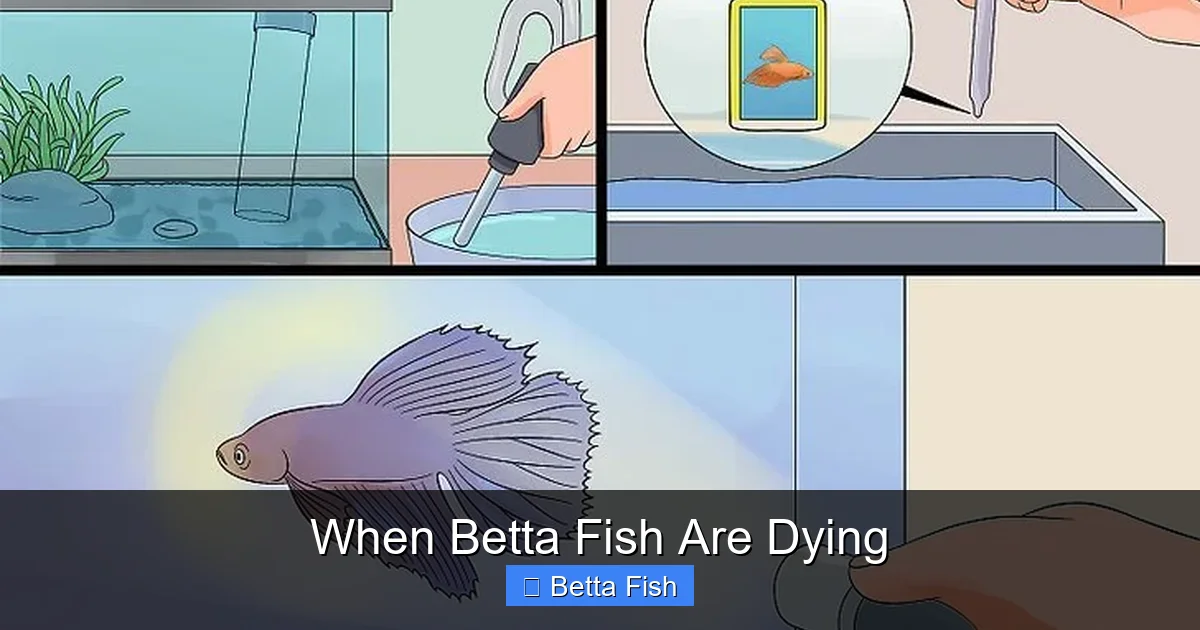
For the hospital tank: If you used tap water, ensure it is properly conditioned. Perform a 50% water change with water that matches the hospital tank’s temperature exactly (use a thermometer). This dilutes any toxins that may be present. For the main tank: If your tests show any ammonia or nitrite, perform a 50% PWC immediately. This is the fastest way to reduce toxic load.
Step 4: Assess & Adjust Temperature
Ensure the hospital tank has a reliable, adjustable heater set to 80°F (26.5°C). A slightly elevated, stable temperature can help boost a betta’s immune response to fight infection. Use a separate thermometer to verify the temperature. Do not overheat.
Step 5: Fast Initially, Then Offer Easy Food
Do not feed for the next 24 hours. This gives the digestive system a rest and reduces ammonia production from waste. After 24 hours, offer a tiny amount of easily digestible food. Soak a high-quality pellet or a small piece of frozen daphnia or brine shrimp in tank water first. If they eat, great. If not, do not force it. A dying betta will often not eat.
Step 6: Observe in Silence
Place the hospital tank in a quiet, low-light area. Cover it with a towel if necessary to reduce stress. Observe your betta without tapping the glass. Note its breathing rate (gill movement), its position, and any reactions. This quiet observation period is vital for accurate assessment before considering medication.
Section 4: Treatment Pathways – From Nursing to Palliative Care
Your action plan now branches based on your diagnosis from the previous steps. Never treat blindly. Adding antibiotics for a fungal infection or an ammonia burn is useless and can harm your fish further by adding chemical stress.
Path A: Water Quality Emergency (The Most Common Scenario)
If your tests showed any ammonia (>0) or nitrite (>0), or if you suspect a temperature/pH crash, water is your medicine.
- Action: Continue daily 50% water changes in the hospital tank with perfectly conditioned, temperature-matched water. Use a gravel vacuum if you had substrate to remove solid waste.
- Goal: Dilute toxins until tests read 0 for ammonia and nitrite. This alone can sometimes reverse lethargy and clamped fins if caught very early.
- Additives: You can add a water conditioner that detoxifies ammonia (like Seachem Prime) at the full dose during a water change for immediate, short-term protection. Do not use this as a substitute for water changes.
Path B: Suspected Bacterial Infection (Fin Rot, Columnaris, Dropsy)
Visible sores, fraying fins, or the first signs of pineconing scales point here. Bacterial infections are opportunistic, taking hold when the fish is weak.
- First, Address Water: Perfect, pristine water is 70% of the treatment. Bacteria thrive in dirty water.
- Medication: Use a broad-spectrum antibacterial medication. Kanamycin-based or a combination like Methylene Blue (which also has antifungal properties) are common starting points. Follow dosage instructions EXACTLY. Treat in the hospital tank only. Remove carbon from filters, as it will absorb medication.
- Salt Baths (Controversial but Effective): A short-term (10-15 minute) bath in a separate container with aquarium salt (1 tbsp per gallon) can help reduce swelling and osmoregulate the fish. Do not use salt if you have snails or other invertebrates. Do not add salt directly to the hospital tank long-term, as bettas are not saltwater fish and prolonged exposure can harm them.
Path C: Suspected Parasitic or Fungal Infection (Ich, Velvet, Fungus)
Spotting distinct white spots, a dusty coating, or cottony growth changes the treatment.
- Medication: You need an antiparasitic or antifungal. Copper-based medications (like Cupramine) are effective for Ich and Velvet but are lethal to invertebrates and can be hard on fish if dosed incorrectly. Malachite Green or Formalin-based treatments are also common. Again, treat in isolation and follow instructions perfectly.
- Increase Temperature: For parasites like Ich, slowly raising the hospital tank temperature to 82-84°F (28-29°C) can speed up the parasite’s life cycle, making it more vulnerable to medication.
Path D: Swims Bladder Disorder / Constipation
If your betta is floating upside down, sinking, or swimming erratically but otherwise looks okay, this may be the issue.
- Fast: Withhold food for 3-5 days to clear the digestive tract.
- Fiber Treatment: After the fast, offer a small piece of skinned, blanched pea. This acts as a natural laxative.
- Water Quality: Ensure parameters are perfect, as poor water can exacerbate the issue.
Path E: Comfort & Palliative Care (For Old Age or Terminal Cases)
Sometimes, there is no cure. The goal shifts from recovery to comfort.
- Keep Water Impeccable: Perform smaller, more frequent water changes (e.g., 25% daily) to keep toxins at zero without causing additional stress from large changes.
- Optimize Environment: Provide broad-leaved plants (silk or real) near the surface for easy resting. Reduce water flow to minimal. Keep lighting soft and consistent.
- Offer Hand-Fed Treats: If they will eat, offer their favorite foods via a pipette or toothpick to minimize effort. Soak food to make it softer.
- Reduce Stress: Keep the tank in a quiet room. Avoid tapping, sudden movements, or loud noises near the tank. Cover the tank partially to give a sense of security.
Section 5: The Hardest Decision – Recognizing When to Let Go
This is the section no one wants to read, but it is a vital part of responsible pet ownership. Prolonging suffering is not kindness. Euthanasia is a final act of love for a pet who is no longer having a good quality of life.
Signs Suffering Has Begun
How do you know when “comfort care” has shifted to “unnecessary pain”? Look for these indicators:
- Inability to Swim or Rest Normally: Constant, frantic struggling to maintain position, sinking to the bottom and being unable to rise, or floating upside down and unable to right itself.
- Labored Breathing: Gills flaring rapidly and desperately, even at rest, indicating a constant struggle for oxygen.
- Refusal to Eat for 7+ Days: With no interest in any food, even favorites hand-fed.
- Visible, Progressive Pain: Open, worsening sores, a body so swollen it can barely move, or a complete loss of response to gentle stimuli.
- No Improvement After Reasonable Treatment: You have addressed water quality and treated for the most likely conditions for 3-5 days with no positive change, or the condition is visibly worsening (e.g., dropsy spreading).
Humane Euthanasia: The Clove Oil Method
This is the most widely accepted, peaceful method for small fish. Clove oil is a natural sedative that first anesthetizes, then, at a higher dose, stops the heart. It must be done correctly.
- Prepare a Small Container: Use a clean jar or small bowl with 1 cup of your betta’s tank water.
- Create an Emulsion: Clove oil does not mix with water. In a separate small cup, vigorously shake 1 part clove oil to 10 parts tank water until it becomes a milky emulsion.
- Add Slowly: Add this emulsion drop by drop to the container with your betta. Start with 5-8 drops. Swirl gently. Your betta will begin to breathe more slowly and lose equilibrium after 1-5 minutes. It will become completely still and unresponsive to gentle prodding.
- Final Dose: Once fully anesthetized (no gill movement or response), add the remaining required dose (the total should be about 10-20 drops per cup of water, depending on size). Leave for 10-15 minutes to ensure cessation of life.
- Confirm: Check for any gill movement. If there is none, the process is complete. You can then dispose of the fish respectfully.
Note: This process requires a steady hand and a calm mind. It is final. If you are uncomfortable, seek guidance from an aquatic veterinarian or a highly reputable, experienced aquarium store.
Section 6: Prevention – The Ultimate Cure
The best way to handle a dying betta is to ensure it never gets to that point. Prevention is the cornerstone of a long, healthy life.
The Non-Negotiable Foundation: Tank Setup & Maintenance
- Tank Size: A minimum of 5 gallons. Larger is always better. This provides stable water parameters and space.
- Heater & Thermometer: A 25-50 watt adjustable heater with a separate thermometer is mandatory. No bowls, no “room temperature” water.
- Filter: A gentle filter (sponge filter is ideal) is necessary for biological filtration. Adjust flow so it’s not pushing your betta around.
- Cycling: You must fully cycle the tank (establish beneficial bacteria) for 4-6 weeks before adding a fish. This creates a biofilter that processes ammonia and nitrite.
- Water Changes: In a cycled, filtered 5-gallon tank, perform a 25-30% water change weekly. In smaller or uncycled setups, changes must be more frequent. Use a gravel vacuum.
- Dechlorinator: Treat every single drop of new water with a quality conditioner that neutralizes chlorine, chloramine, and heavy metals.
Diet: You Are What You Eat
- High-Quality Pellets: Use a reputable betta-specific pellet (e.g., Hikari Betta Bio-Gold, New Life Spectrum Betta). Feed 2-3 pellets once daily, 6 days a week.
- Fasting Day: One day a week with no food allows the digestive system to clear.
- Variety & Treats: Supplement with occasional high-protein treats: frozen or freeze-dried daphnia, brine shrimp, or bloodworms. Soak dry foods.
- Avoid Overfeeding: This is the #1 cause of digestive issues and water pollution. Their stomach is the size of their eye.
Observation & Routine
Make a habit of daily 30-second observations. Is your betta active? Eating? Fins full? This daily check-in is your earliest warning system. Test water parameters weekly, or immediately if you see any change in behavior. Keep a log of water changes and parameters.
Conclusion: A Final Act of Love and Responsibility
Watching a betta fish decline is a profound lesson in the fragility of life and the weight of responsibility we undertake when we bring a creature into our care. The journey from the first clue of lethargy to the final peaceful moment is paved with knowledge, swift action, and deep compassion. Remember that when betta fish are dying, the most powerful tools in your arsenal are not expensive medications, but vigilance, understanding of water chemistry, and the courage to make a hard decision. You have learned to read the language of clamped fins and faded colors. You now know that the silent killer is often the water they swim in, and that immediate isolation and testing are non-negotiable first steps. You understand that treatment must be targeted, and that sometimes, the kindest treatment is simply comfort until the end.
Should you face this situation, do not despair. You are now equipped. You can differentiate between a treatable crisis and a natural, terminal decline. You can provide a hospital tank with pristine water, a heater’s gentle warmth, and a stress-free environment. And if the time comes, you can offer a final, gentle release with dignity. This is the full circle of pet ownership. To love them means to care for them in their vitality and to shepherd them with grace in their vulnerability. Your betta’s life, in all its brilliant, fleeting beauty, is a gift. How you handle its ending is your final, most meaningful gift in return.
Frequently Asked Questions
How long can a betta fish live once it starts showing signs of dying?
There is no set timeline. A betta with a sudden ammonia spike may pass in hours if not treated. One with a slow, chronic disease or old age may linger for days or even weeks with dedicated palliative care. The speed of decline depends entirely on the underlying cause and the immediacy of your intervention. Immediate action can sometimes buy significant time.
Can a betta fish come back from the brink of death?
Yes, absolutely. Bettas are surprisingly resilient, especially when the issue is water-quality related. A betta found gasping at the surface due to low oxygen can recover within hours of a massive water change and oxygenation. Early-stage fin rot or fungal infections are also very treatable. The key is immediate, correct action based on a proper diagnosis, not guesswork.
Is it cruel to let a betta fish die naturally without treatment?
It depends entirely on the suffering involved. If a betta is simply lethargic from a minor water issue that you fix, it is not suffering. If it is in visible, prolonged distress—struggling to breathe, unable to swim, with open sores—then withholding treatment or euthanasia is cruel. The ethical choice is to assess the level of suffering. If treatment is unlikely to restore a good quality of life, humane euthanasia is the compassionate path.
What is the most humane way to euthanize a betta fish?
The AVMA (American Veterinary Medical Association) lists clove oil as an acceptable method for euthanizing small fish. It works as an anesthetic that, at a sufficient overdose, stops the heart. It must be used correctly in a small container with an emulsion. Never use household chemicals like alcohol, vodka, or bleach. These cause burning and distress and are not humane. If you are unsure, consult an aquatic veterinarian.
My betta is old and just slowing down. When is the right time for euthanasia?
For natural aging, the focus is on quality, not quantity. The right time is when your betta is no longer enjoying life. Signs include: complete disinterest in food for a week, inability to rest comfortably (constantly sinking or floating uncontrollably), loss of all color and vibrancy, and a clear lack of response to its environment. If you are providing a warm, clean, quiet space and they are peaceful and resting, that is okay. Euthanasia becomes a consideration when rest is replaced by obvious struggle or pain.
Should I perform a water change on a dying betta?
Yes, almost always. Unless the betta is in the final minutes of life from an irreversible disease like advanced dropsy, a partial water change (25-50%) with perfectly conditioned, temperature-matched water is the single best thing you can do. It removes toxins, provides fresh oxygen, and is the foundation of all treatment. Do it gently to avoid stressing the fish further. This is your first and most frequent tool.