Are Plastic Plants Okay for Betta Fish
So, are plastic plants okay for betta fish? The short answer is yes — plastic plants can be safe for betta fish when you pick the right ones and avoid sharp or toxic materials. Many betta owners use artificial aquarium plants because they are easy to clean, don’t affect water chemistry, and still give your fish a cozy place to hide. Just make sure the plants have soft edges and are made from fish-safe materials.
If you own a betta fish, you have probably wondered whether plastic plants are okay for betta fish. Maybe you are setting up a new tank, or you just want to spruce up your current aquarium. Either way, this is a question that comes up a lot among betta keepers. And the answer is not as simple as a yes or no.
The truth is that plastic plants for betta fish can work well — but only if you choose the right ones. Some plastic plants are perfectly safe, while others can actually harm your fish. In this guide, we will walk you through everything you need to know. We will cover what makes a plastic plant safe, what to avoid, and how to pick the best options for your betta fish tank.
Key Takeaways
- Plastic plants are safe for betta fish as long as they are made from non-toxic materials with smooth edges.
- Silk plants and soft plastic plants are better options than hard, rough plastic decorations.
- Live plants vs fake plants each have benefits — fake plants are low maintenance, while live plants improve water quality.
- Avoid plastic plants with sharp edges, paint, or glue that can damage your betta’s delicate fins.
- Proper placement of aquarium plants helps reduce stress and gives your betta a natural feel.
- Regular cleaning of plastic plants prevents algae buildup and keeps your tank healthy.
- Watch your betta’s behavior after adding new plants — if they seem stressed, remove them right away.
📑 Table of Contents
Why Do People Use Plastic Plants in Betta Tanks?
There are many reasons why betta fish owners choose artificial aquarium plants over live ones. Let us look at some of the biggest advantages.
Easy to Clean and Maintain
Unlike live plants, plastic plants do not need light, fertilizers, or CO2. You just rinse them off during water changes, and they look good as new. This makes them a great choice for beginners who are still learning about aquarium maintenance.
No Impact on Water Chemistry
Plastic plants do not release any chemicals into the water. They will not change your pH, ammonia levels, or nitrate levels. This means your water quality stays exactly where it should be. For betta fish, stable water parameters are essential for good health.
Wide Variety of Colors and Styles
Plastic plants come in every color, shape, and size imaginable. You can find bright pink leaves, realistic green stems, and even decorative castles. This gives you a lot of creative freedom when designing your betta fish habitat.
They Last a Long Time
Good plastic plants can last for years. They do not wilt, melt, or rot like live plants sometimes do. Over time, this can save you money even though the upfront cost might be similar.
Are Plastic Plants Safe for Betta Fish?
This is the most important question, and the answer depends on the type of plastic plant you choose. Not all artificial plants are created equal. Some are perfectly fine, while others can cause real problems.
What Makes a Plastic Plant Unsafe?
Here are the main dangers of using the wrong kind of plastic plant in your tank:
- Sharp edges: Plastic with rough or pointed edges can tear your betta’s long, delicate fins. Betta fish have beautiful, flowing fins that are easily damaged.
- Toxic materials: Some cheap plastic plants contain chemicals, dyes, or paints that can leach into the water. These toxins can harm your fish over time.
- Glue and adhesives: Plants with glued-on decorations or plastic coating can release harmful substances into the tank.
- Small detachable parts: Tiny pieces can break off and be swallowed by your betta, leading to choking or internal injuries.
How to Tell If a Plastic Plant Is Safe
Before you buy any plastic plant for your aquarium, run your fingers along the edges. If it feels rough or sharp, put it back on the shelf. Next, check the label. Look for plants that are labeled “fish-safe” or “aquarium-grade.” These have been tested and are made without harmful chemicals.
Another good test is to rinse the plant in warm water and sniff it. If you notice a strong chemical smell, do not use it. A safe plastic plant should have little to no odor at all.
Can Plastic Plants Hurt Betta Fish Fins?
Yes, they can — if the plants have rough surfaces or sharp points. Betta fish are known for their long, flowing fins, and these fins can get caught on rough plastic. This can lead to torn fins, stress, and even infections. This is why many experienced fish keepers recommend silk plants or soft plastic plants over stiff, rough plastic ones.
If you want to learn more about whether bettas can live with plastic decorations, check out our article on can betta fish have plastic plants for a deeper dive.
Plastic Plants vs Live Plants for Betta Fish
One of the most common debates among betta owners is live plants vs fake plants. Both options have their place in a healthy aquarium. Let us compare them side by side.
Comparison Table: Plastic Plants vs Live Plants
| Feature | Plastic Plants | Live Plants |
|---|---|---|
| Maintenance | Very low — just rinse occasionally | Moderate — needs light, fertilizer, trimming |
| Water Quality | No effect on water chemistry | Helps absorb nitrates and improve water quality |
| Cost Over Time | One-time purchase, lasts years | May need replacement, ongoing costs |
| Betta Enrichment | Good for hiding and exploring | Excellent — provides natural grazing and exploration |
| Risk to Fish | Low if chosen carefully | Very low — natural and soft |
| Aesthetic Variety | Huge range of colors and styles | Limited to natural plant species |
When to Choose Plastic Plants
Plastic plants are a great choice if you want a low-maintenance setup. They are also ideal if you are worried about algae growth — live plants can sometimes contribute to algae problems if lighting and nutrients are not balanced properly. If you are a busy person or new to fish keeping, plastic aquarium plants can give your tank a polished look without much effort.
When to Choose Live Plants
Live plants are the gold standard for any aquarium. They produce oxygen, absorb harmful waste, and create a more natural environment for your betta. If you are willing to put in a little extra effort, live plants can greatly improve your betta fish health. You can read more about which live plants work best in our guide on what plants are good for betta fish.
The Best Approach: A Mix of Both
Many experienced betta owners use a combination of live and artificial plants. This gives you the best of both worlds. Live plants handle the water quality, while plastic plants add color and visual interest. Just make sure all the plants you use are safe for your betta fish tank.
How to Choose the Best Plastic Plants for Your Betta
Not all plastic plants are the same. Here are some tips to help you pick the best ones for your aquarium.
Look for Soft Materials
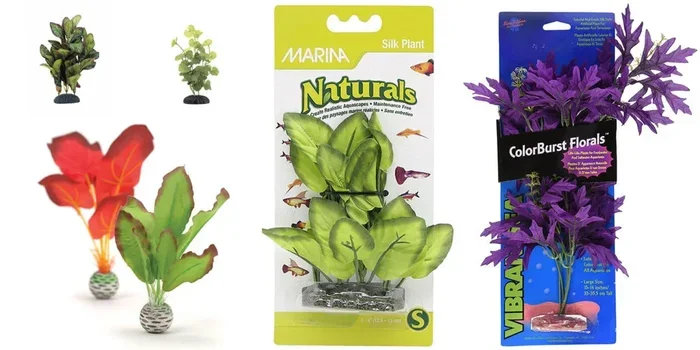
Silk plants are one of the best options for betta tanks. They have soft, flexible leaves that will not tear your fish’s fins. You can find silk plants at most pet stores or online. They look very realistic and feel gentle to the touch.
Check for Fish-Safe Certification
Some brands test their aquarium decorations specifically for fish safety. Look for products from reputable brands that clearly state their plants are safe for freshwater aquariums. Avoid unknown brands with no safety information.
Avoid Plants with Small Parts
Plants with tiny glued-on rocks, shells, or decorations can break off and become a hazard. Your betta might try to eat small pieces, which can cause blockages or injuries. Stick to simple, one-piece plants with no small detachable parts.
Choose the Right Size
Consider the size of your tank when choosing plants. A huge plant in a small bowl will crowd your betta and restrict movement. On the other hand, a tiny plant in a large tank might get lost. Pick plants that are proportional to your aquarium decorations and tank size.
Quick Tips for Choosing Plastic Plants
- Run your fingers along all edges before buying.
- Soak new plants in water for 24 hours before adding them to your tank.
- Choose plants with natural, muted colors over bright neon shades.
- Buy from trusted aquarium supply brands.
- If it smells chemical, do not buy it.
Common Mistakes People Make With Plastic Plants
Even with the best intentions, betta owners sometimes make mistakes when using plastic plants in their tanks. Here are the most common ones to avoid.
Using Plants from Craft Stores
This is probably the biggest mistake. Craft store plants are not designed for aquariums. They often contain dyes, glues, and plastics that are toxic to fish. Always buy plants specifically made for aquariums. A plant labeled “decorative” or “craft” is not the same as one labeled “aquarium-safe.”
Skipping the Cleaning Step
New plastic plants can carry dust, chemicals, or residue from manufacturing. Always wash them thoroughly before placing them in your tank. Soak them in warm water for a day or two, and rinse them again before adding them to your betta fish habitat.
Overcrowding the Tank
It is easy to go overboard with decorations, especially when you find plants you love. But too many plants can crowd your betta and reduce swimming space. Your betta needs room to move around freely. A good rule of thumb is to keep about 30 to 40 percent of the tank open for swimming.
Ignoring Your Betta’s Behavior
After adding new plants, watch your betta closely. If your fish seems stressed, hides constantly, or avoids the new plant, remove it. Not every plant works for every fish. Your betta’s comfort should always come first.
Expert Insights on Plastic Plants and Betta Fish
Many experienced aquarists agree that plastic plants are okay for betta fish when chosen carefully. According to aquarium experts, the key factors are material safety, edge smoothness, and proper placement. Dr. Jessie Sanders, a certified aquatic veterinarian, has noted that physical injuries from rough decorations are among the most common issues seen in betta fish. This makes choosing soft, smooth plants especially important.
Expert aquarists also recommend regularly inspecting your plastic plants for wear and tear. Over time, plastic can become rough or develop sharp edges from water flow and tank cleaning. If a plant starts to degrade, replace it immediately to keep your betta safe.
Another expert tip is to arrange plants in a way that creates open swimming areas and cozy hiding spots. Bettas love to explore, and having a mix of open space and plant coverage helps them feel secure and reduces stress. This kind of betta fish enrichment can lead to a happier, healthier fish.
If you are curious about whether real plants might be a better option for your setup, our article on are live plants safe for betta fish covers this topic in detail.
Final Thoughts
So, are plastic plants okay for betta fish? Yes, they absolutely can be — as long as you choose the right ones. Stick with fish-safe materials, avoid sharp edges, and always inspect new plants before adding them to your tank. With the right choices, plastic plants can make your betta’s home more beautiful, comfortable, and enriching.
Remember that every betta is different. Some bettas love swimming through dense plant arrangements, while others prefer open spaces with just a few decorations. Pay attention to your fish’s preferences and adjust accordingly. The goal is to create a tank where your betta feels safe, relaxed, and happy.
Whether you choose plastic plants, live plants, or a mix of both, the most important thing is that your betta fish tank is clean, well-maintained, and free of hazards. Your betta will thank you with vibrant colors, active behavior, and a long, healthy life.
Frequently Asked Questions
Can betta fish live with plastic plants?
Yes, betta fish can live with plastic plants as long as the plants are made from fish-safe materials and have smooth, soft edges. Avoid plants with sharp points, toxic paints, or small detachable parts that could harm your fish.
Are silk plants better than plastic plants for bettas?
Silk plants are generally considered better than hard plastic plants because they are softer and less likely to damage your betta’s delicate fins. They also look very natural and move gently in the water current, which bettas enjoy.
How do I clean plastic plants in my betta tank?
Remove the plants during your regular water change and rinse them under warm water. You can gently scrub them with a soft brush to remove algae. Avoid using soap or any chemical cleaners, as residue can harm your fish.
Do plastic plants affect water quality in a betta tank?
No, plastic plants do not affect water quality. They do not release chemicals, absorb nutrients, or alter pH levels. This makes them a stable and predictable choice for maintaining consistent water parameters in your tank.
What types of plastic plants should I avoid for my betta fish?
Avoid plants from craft stores, plants with sharp edges, plants with strong chemical smells, and plants with small glued-on decorations. Also avoid any plant that is not specifically labeled as safe for aquarium use.
Can I mix plastic and live plants in the same betta tank?
Absolutely. Many betta owners mix plastic and live plants to get the best of both worlds. Live plants help with water quality, while plastic plants add color and variety. Just make sure all plants are safe for freshwater aquariums and properly cleaned before adding them to the tank.