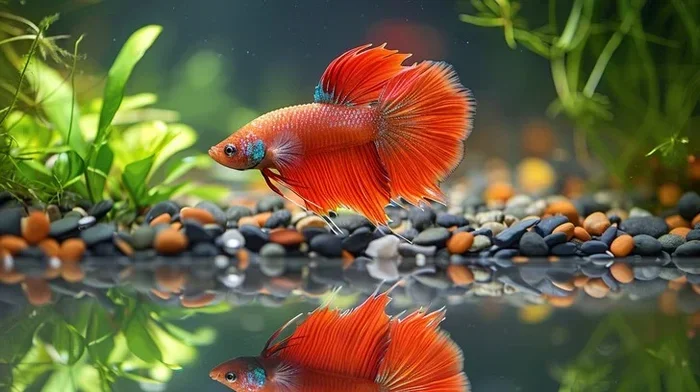
Can Betta Fish Survive In Cold Water Find The Truth
Betta fish are tropical creatures that need warm water to thrive, so exposing them to cold temperatures can be dangerous. If you wonder can betta fish survive in cold water, the short answer is no, not for long. Low temperatures slow their metabolism, weaken their immune system, and cause severe stress. Keep your tank between 78°F and 80°F to ensure your fish stays active and healthy.
Key Takeaways
- Betta fish are tropical: They originate from warm climates and need heated water to function properly.
- Cold water is harmful: Temperatures below 74°F cause stress, lethargy, and weakened immunity.
- Survival is short-term: While they might live briefly in cold water, long-term health declines rapidly.
- Ideal range matters: Keep water between 78°F and 80°F for optimal activity and digestion.
- Heaters are essential: A reliable aquarium heater prevents dangerous temperature drops.
- Monitor regularly: Use a thermometer to catch fluctuations before they harm your fish.
- Avoid sudden changes: Gradual adjustments protect your betta from temperature shock.
📑 Table of Contents
- Introduction
- Can Betta Fish Survive In Cold Water?
- Why Temperature Matters for Betta Health
- Ideal Water Temperature for Betta Fish
- Risks of Cold Water Exposure
- How to Safely Warm Up Cold Tank Water
- Best Practices for Temperature Control
- Quick Tips for Healthy Betta Temperatures
- Common Mistakes to Avoid
- Expert Insights
- Conclusion
Introduction
Betta fish are beautiful and popular pets. Many new owners ask can betta fish survive in cold water before setting up a tank. This question matters because temperature plays a huge role in fish health. Betta fish come from warm regions in Southeast Asia. They thrive in heated environments, not in chilly conditions.
Cold water creates serious problems for these colorful fish. Their bodies slow down when the temperature drops. They eat less, move less, and fight off illness poorly. Some owners think room temperature water works fine. That is usually not true. Most homes run cooler than what a betta needs.
This guide explains why warmth matters. You will learn the right temperature range. You will also discover what happens when water gets too cold. We will share simple tips to keep your tank stable. By the end, you will know how to protect your betta from temperature stress.
Can Betta Fish Survive In Cold Water?
The direct answer is no. Can betta fish survive in cold water for any meaningful time? They might stay alive for a short period, but they will not thrive. Cold water pushes their bodies into survival mode. Their metabolism drops. Their digestion slows. Their immune system weakens.
Betta fish are tropical animals. They evolved in steady, warm conditions. When the water cools, their organs work harder to maintain basic functions. This stress builds up over time. A fish in cold water may look sluggish. It may hide more often. It may stop eating altogether.
Short exposure to slightly cool water might not cause immediate harm. However, prolonged cold conditions lead to serious health issues. You may notice clamped fins, faded color, or slow movement. These are warning signs. They tell you the environment is not right.
If you ever face a power outage or heater failure, act quickly. Move the fish to a warmer spot if possible. Use a battery-powered heater or wrap the tank in blankets temporarily. Speed matters when temperatures fall.
What Happens to a Betta in Cold Water?
Cold water affects every part of a betta’s body. Here is what typically happens:
- Metabolism slows down: The fish burns less energy and moves less.
- Digestion becomes difficult: Food sits in the stomach longer and can cause bloating.
- Immune response drops: The fish becomes more vulnerable to infections.
- Behavior changes: The betta may hide, float oddly, or lose interest in food.
- Fin health declines: Stress and poor circulation can lead to fin damage.
These effects build over time. A betta may survive a few days in cool water, but the risk grows with every hour. That is why consistent warmth matters so much.
Temperature Thresholds to Watch
Not all cool water is the same. A slight drop may cause mild stress. A deep drop can become life-threatening. Here is a simple guide:
- 78°F to 80°F: Ideal range for activity, digestion, and overall health.
- 74°F to 77°F: Acceptable for short periods, but not ideal long-term.
- Below 74°F: Dangerous. Stress rises quickly and health declines.
- Below 70°F: Severe risk. The fish may become critically weak.
Use a reliable thermometer to track these numbers. Guessing the temperature is not safe. Small changes matter more than many owners realize.
Why Temperature Matters for Betta Health
Temperature controls how a betta’s body works. Warm water supports fast metabolism and strong immunity. Cold water does the opposite. That is why can betta fish survive in cold water is such an important question for new owners.
A stable tank helps your fish stay active. It encourages natural behavior. It also supports healthy feeding and growth. When the water stays in the right range, your betta shows brighter colors and more confident movement.
Temperature also affects water quality. Cooler water can hold oxygen differently and may change how waste breaks down. This can alter the tank environment in subtle ways. Over time, those changes can stress your fish even more.
Signs Your Betta Is Too Cold
Watch for these warning signs. They often appear before serious illness sets in:
- Lethargy or low activity
- Loss of appetite
- Clamped fins
- Faded or dull color
- Hiding more than usual
- Slow or unsteady swimming
If you see these signs, check the water temperature right away. Correcting the problem early gives your fish a better chance to recover.
How to Keep the Tank Warm
Keeping the water warm is simple when you use the right tools. A good heater is the most important piece. Choose one that fits your tank size. Set it to the right range and verify it with a separate thermometer.
Here are practical steps:
- Use an adjustable aquarium heater.
- Place the heater near water flow for even distribution.
- Check the temperature daily at first.
- Insulate the tank if the room gets chilly at night.
- Avoid placing the tank near drafts or cold windows.
A stable room helps the tank stay stable. If your home temperature swings a lot, the tank will too. That is why equipment and placement both matter.
Ideal Water Temperature for Betta Fish
The best range for betta fish is 78°F to 80°F. This range supports normal metabolism and strong immunity. It also helps the fish digest food properly and stay active.
Some owners ask if slightly cooler water is okay. It may be acceptable for a short time, but it should not become the norm. Consistent warmth is the goal. Fluctuations cause stress, even if the average temperature seems fine.
Choosing the Right Heater
Not all heaters work the same way. Pick one that matches your tank size and offers steady control. Look for these features:
- Adjustable temperature settings
- Reliable thermostat control
- Safe automatic shutoff
- Good reputation for consistency
A heater that cycles too much can cause swings. A heater that is too weak may not keep up in cooler rooms. Choose wisely and test the output with a thermometer.
Maintaining Stable Conditions
Stability matters as much as the number on the thermometer. Sudden changes shock the fish. Even a quick drop can cause stress. Keep the tank away from vents, doors, and direct drafts.
Also, avoid large water changes with very different temperatures. Match new water to the tank before adding it. This simple habit prevents unnecessary stress.
Risks of Cold Water Exposure
Cold water creates a chain reaction of problems. The first issue is stress. Stress lowers immunity. Lower immunity opens the door to illness. That is why can betta fish survive in cold water is not just about comfort. It is about health.
Common risks include:
- Immune suppression: The fish fights infections less effectively.
- Digestive problems: Food may not process properly.
- Lethargy: Low energy makes the fish vulnerable and less responsive.
- Disease susceptibility: Conditions like fin issues or fungal problems can appear more easily.
- Poor recovery: Sick fish struggle to heal in cold environments.
These risks grow when cold exposure continues. A brief dip may be manageable. A long period of cool water is much more dangerous.
Cold Water and Disease
Temperature stress often shows up as illness. A weakened fish may develop visible problems faster. You might see torn fins, spots, or unusual breathing. These issues often improve when the temperature returns to the proper range.
That said, warmth alone does not cure disease. It supports recovery by helping the fish’s body function better. Treatment still matters. Keep the environment clean and stable while your fish heals.
When Cold Water Becomes an Emergency
Some situations need fast action. If the temperature falls well below the safe range, act quickly. Watch for severe lethargy, floating problems, or complete refusal of food.
Emergency steps include:
- Fix the heater or use a backup heat source.
- Move the tank away from cold areas.
- Warm the room if possible.
- Monitor the fish closely for worsening signs.
Quick response can prevent a bad situation from becoming fatal.
How to Safely Warm Up Cold Tank Water
If your tank gets too cool, do not rush the fix. Sudden heat can shock the fish just as much as cold can. Raise the temperature gradually. Small changes are safer and easier for the fish to handle.
Step-by-Step Warming Guide
Follow these steps when the water is too cold:
- Check the current temperature with a trusted thermometer.
- Turn on or adjust the heater if it is working.
- Increase the target temperature slowly, not all at once.
- Watch the fish for signs of stress during the change.
- Confirm the new temperature holds steady over a few hours.
Patience matters here. A steady rise is better than a fast spike.
What Not to Do
Avoid these mistakes when warming the tank:
- Do not pour hot water directly into the tank.
- Do not place the tank near a heater or fireplace.
- Do not raise the temperature too fast.
- Do not ignore the thermometer and guess.
These errors can cause temperature shock or uneven heating. Gentle corrections are safer.
Using Backup Heat During Power Outages
Power outages can be stressful. If your heater stops working, focus on slowing heat loss. Cover the tank lightly to retain warmth. Move it to a smaller room if that room stays warmer. Use battery-powered options if available.
Do not use unsafe heating methods. Keep electrical devices away from water unless they are designed for aquarium use. Safety comes first for both you and your fish.
Best Practices for Temperature Control
Good temperature control is mostly about consistency. A well-set heater, a reliable thermometer, and a stable room go a long way. These basics answer the deeper concern behind can betta fish survive in cold water.
Daily and Weekly Checks
Make temperature checks part of your routine. A quick daily look helps you catch problems early. A weekly review of your equipment keeps everything running smoothly.
Helpful habits include:
- Verify the thermometer reading each day.
- Inspect the heater for proper function.
- Watch for room temperature changes.
- Record unusual swings so you can spot patterns.
Small observations prevent big problems.
Tank Setup Tips
Your tank setup can help or hurt temperature stability. Keep these points in mind:
- Choose a tank size that fits your space and heater.
- Avoid placing the tank near drafty doors or windows.
- Use a lid to reduce heat loss at the surface.
- Keep the filter and heater positioned for even water flow.
A thoughtful setup makes temperature control easier.
Water Changes and Temperature Matching
Water changes are important, but they should not shock the fish. Prepare new water in advance. Let it reach the right temperature before adding it. This keeps the tank environment steady.
Quick tips for safe water changes:
- Treat tap water properly before use.
- Match the temperature to the tank.
- Change only a portion of the water at a time.
- Re-check the temperature after the change.
These steps protect your betta from unnecessary stress.
Quick Tips for Healthy Betta Temperatures
- Keep the tank between 78°F and 80°F.
- Use a trusted thermometer, not just the heater dial.
- Avoid drafts, vents, and cold rooms.
- Raise or lower temperature slowly.
- Match new water to tank temperature during changes.
- Watch for lethargy, clamped fins, or appetite loss.
- Keep a backup plan for heater failure or outages.
Common Mistakes to Avoid
- Assuming room temperature is warm enough.
- Relying on a heater without checking it.
- Changing water temperature too quickly.
- Ignoring early signs of cold stress.
- Placing the tank in an unstable location.
Expert Insights
Many experienced keepers stress that consistency matters more than perfection. A betta can handle tiny fluctuations, but repeated swings create stress. The goal is a calm, steady environment.
Experts also recommend separate thermometers. Heater dials can be inaccurate. A separate gauge gives you a clearer picture. That extra check can save your fish from hidden temperature problems.
Another useful insight is to observe behavior, not just numbers. A healthy betta usually swims with confidence and feeds regularly. If the temperature looks fine but the fish still acts weak, look deeper. Environment, water quality, and diet all matter too.
Conclusion
So, can betta fish survive in cold water? They may survive briefly, but cold water is not a safe long-term home. Betta fish need warmth to stay active, digest food, and fight illness. The best range is 78°F to 80°F, with steady conditions and careful monitoring.
Protect your fish by using a reliable heater, checking the temperature often, and avoiding sudden changes. Watch for early warning signs and correct problems quickly. With the right setup, your betta can live a healthier, more active life. Warmth is not a luxury for these fish. It is a basic need.
Frequently Asked Questions
Can betta fish live in room temperature water?
Sometimes, but usually not for long. Most homes are cooler than the warm range betta fish need, so room temperature water can still be too cold. A heater is often the safest choice.
What is the lowest safe temperature for a betta fish?
Temperatures below 74°F become risky, and lower temperatures cause more stress. The safest range is 78°F to 80°F. Keep the water steady to avoid health problems.
How quickly can cold water harm a betta fish?
Harm can build over hours or days, depending on how cold the water is. A short dip may cause mild stress, while prolonged cold can weaken the fish significantly. Act fast if the temperature drops too much.
Can a betta fish recover from cold water exposure?
Yes, many bettas can recover if the temperature is corrected gradually and the fish is otherwise healthy. Warmth helps the body function better, but you should still watch for illness. Supportive care and clean water matter too.
Do betta fish need a heater in summer?
Often yes, because room temperature can still fall below the ideal range. A heater helps keep the water steady even when the weather changes. Consistency is more important than the season.
How can I tell if my betta is too cold?
Look for lethargy, clamped fins, faded color, hiding, or reduced eating. These are common signs of temperature stress. Check the thermometer first, then correct the problem slowly.